
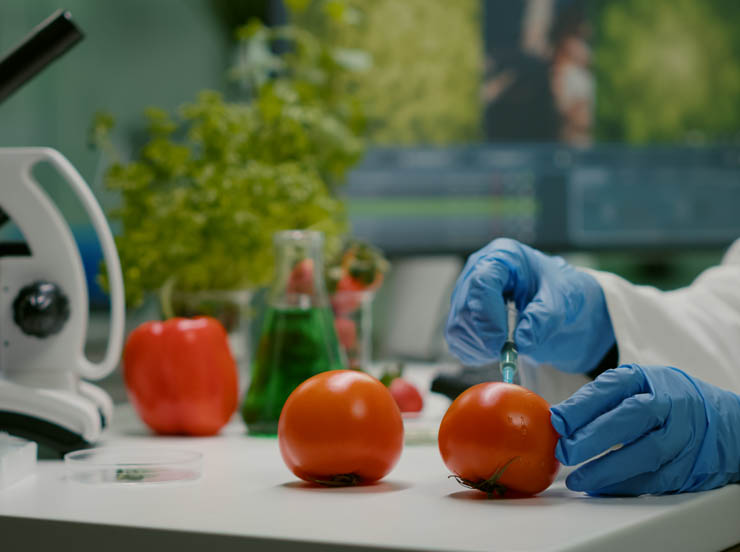


The term “food contamination” describes the existence of dangerous materials or microbes in food that, if consumed, could result in disease or harm. It is a serious public health issue that affects millions of people worldwide each year. Contamination can occur at any stage of the food production and supply chain—from farm to fork—including during production, processing, storage, transportation, or preparation. The consequences range from mild foodborne illness to severe disease outbreaks and even death in vulnerable populations.
Types of Food Contamination
There are four main types of food contamination:
Biological Contamination
This is the most common and dangerous type. It involves the contamination of food by harmful microorganisms such as:
- Bacteria: Salmonella, E. E. Coli, Listeria, and Campylobacter are some of the most common foodborne bacteria. They can cause vomiting, diarrhoea, cramping in the abdomen, and fever.
- Viruses: Norovirus and Hepatitis A can contaminate food through infected food handlers or contaminated water sources.
- Parasites: Giardia, Toxoplasma, and Trichinella can enter food through contact with animal feces or undercooked meat.
- Fungi and Molds: These can spoil food and produce toxins such as aflatoxins, which are carcinogenic.
Chemical Contamination
This occurs when food comes into contact with toxic chemicals, either accidentally or through environmental exposure. Common chemical contaminants include:
- Pesticides and Herbicides: Used in agriculture to protect crops but can remain as residues on food.
- Industrial Chemicals: Heavy metals like lead, mercury, or cadmium may contaminate water, soil, or food products.
- Food Additives and Preservatives: While many additives are safe, improper use or contamination during processing can pose health risks.
- Cleaning Agents: If not properly rinsed, residues of detergents or sanitizers can remain on surfaces or utensils used in food preparation.
Physical Contamination
This type involves foreign objects that accidentally get into food. These contaminants may not cause disease directly but can lead to injury or be a sign of poor hygiene practices. Examples include:
- Glass shards from broken containers
- Metal fragments from machinery
- Plastic pieces, stones, hair, or jewelry
Cross-Contamination
Cross-contamination is the transfer of harmful substances or microorganisms from one food item to another, typically through unclean hands, surfaces, or utensils. For example, using the same cutting board for raw chicken and vegetables without cleaning it in between can spread harmful bacteria.
Sources of Food Contamination
Food contamination can originate from various sources throughout the food supply chain:
- Agricultural Sources: Use of contaminated water for irrigation, unclean animal feed, or manure can introduce pathogens into food.
- Processing and Manufacturing: Poor hygiene in food factories, malfunctioning equipment, or failure to follow safety protocols can lead to contamination.
- Storage and Transportation: Inadequate refrigeration or improper packaging can allow bacterial growth or chemical leaching.
- Food Handling and Preparation: In households, restaurants, or food stalls, contamination can occur through poor personal hygiene, undercooking, or cross-contamination.
Consequences of Food Contamination
Food contamination can have serious health, economic, and social consequences.
Health Impact
1. Foodborne Illnesses
The most common effect of food contamination is food poisoning. Contaminated food can cause nausea, vomiting, diarrhea, stomach cramps, and fever. In severe cases, it can lead to dehydration and hospitalization. Young children, pregnant women, the elderly, and people with weak immune systems are most vulnerable.
Bacteria like Salmonella and E. coli are often found in undercooked meat, eggs, and unpasteurized milk. Consuming such contaminated foods can cause severe gastrointestinal infections and, in extreme cases, even death.
2. Long-Term Health Problems
Chronic exposure to contaminated food can have long-term effects on health. Consuming foods with chemical contaminants like pesticides, heavy metals (lead, mercury), and industrial pollutants can damage vital organs such as the liver, kidneys, and nervous system. These substances may also increase the risk of cancer, reproductive disorders, and developmental issues in children.
Persistent food contamination can also contribute to antibiotic resistance. Bacteria present in contaminated meat or dairy products may contain antibiotic-resistant genes, making infections harder to treat.
3. Nutritional Deficiencies
Contaminated food often loses its nutritional value. For instance, improper storage or spoilage can destroy essential vitamins and proteins. When people frequently consume such poor-quality food, it can lead to malnutrition, fatigue, and weakened immunity.
4. Psychological and Economic Impact
Food contamination not only affects physical health but also has psychological effects. People who experience food poisoning may develop anxiety about eating certain foods or eating out. Moreover, widespread contamination can harm the economy, affecting farmers, food industries, and public health systems.
Preventive Measures
To reduce the risks of food contamination, following food safety practices is crucial:
- Always wash hands and utensils before handling food.
- Cook food thoroughly to kill harmful microorganisms.
- Store food properly at the right temperature to prevent bacterial growth.
- Avoid cross-contamination by separating raw and cooked foods.
- Wash fruits and vegetables properly before consumption.
- Check expiry dates and avoid eating spoiled or stale food.
Economic Impact
Food contamination can result in significant financial losses due to:
- Product recalls
- Legal actions and penalties
- Loss of consumer trust and market share
- Increased healthcare costs and lost productivity
Social and Reputational Damage
Outbreaks can damage the reputation of food brands, restaurants, or even countries. This can have a long-lasting effect on trade and public confidence in food safety systems.
Prevention of Food Contamination
To ensure food safety, all parties—from producers to consumers—must be involved. The following are some essential preventive measures:
For Farmers and Producers:
- Use clean water for irrigation and animal consumption
- Apply pesticides and fertilizers responsibly
- Ensure proper sanitation for livestock and feed
For Food Processors:
- The Hazard Analysis and Critical Control Points (HACCP) systems should be adhered to.
- Regularly clean and maintain equipment
- Train staff in food hygiene and safety
For Transport and Storage:
- Maintain proper temperature control (cold chain)
- Use clean and sealed packaging
- Monitor for pests and mold
For Retailers and Restaurants:
- Store raw and cooked foods separately
- Train staff in safe food handling and hygiene
- Ensure handwashing facilities are available and used
For Consumers:
- Wash hands, fruits, and vegetables thoroughly
- Cook food to the recommended temperatures
- Avoid cross-contamination by using separate utensils for raw and cooked items
- Store perishable items in the refrigerator promptly
Conclusion
Food contamination is a complex and critical issue that impacts human health, economic stability, and global food security. With the growing complexity of the global food supply chain, the potential for contamination has increased. However, through awareness, proper hygiene, strict regulations, and collaboration among stakeholders, most food contamination incidents can be prevented. Ensuring safe food is not just the responsibility of governments or businesses—it begins with individuals making safe choices every day.