

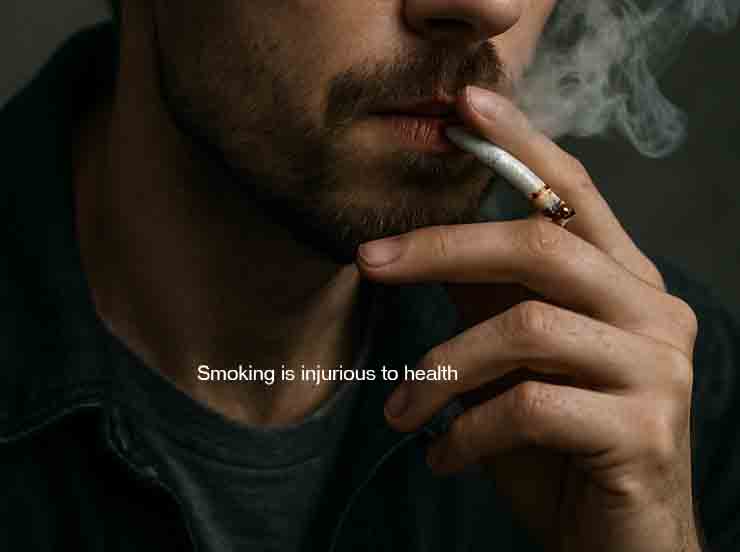

Smoking is one of the leading causes of preventable disease and death worldwide, but its harmful effects are not confined to human health. Beyond damaging lungs, hearts, and overall well-being, smoking also severely endangers the environment. From cultivation to consumption, tobacco production leaves behind a trail of deforestation, chemical pollution, and waste. Understanding smoking’s dual impact on health and the planet underscores the urgency for collective action—by individuals, communities, and policymakers—to address this global challenge.

Smoking’s Impact on Human Health
1. Cancer and Life-Threatening Diseases
Smoking is the primary cause of lung cancer and significantly increases the risk of cancers of the mouth, throat, esophagus, bladder, pancreas, and cervix. Cigarettes contain over 7,000 chemicals, many of which are carcinogenic, including benzene, formaldehyde, and arsenic. Inhaling these toxins damages DNA, making cells more likely to grow uncontrollably, leading to cancer.
2. Cardiovascular Damage
The chemicals in tobacco smoke harm blood vessels, elevate blood pressure, and reduce oxygen delivery to the heart. Smokers face a higher likelihood of heart attacks, strokes, and peripheral artery disease. Even exposure to secondhand smoke can trigger heart-related issues in non-smokers.
3. Respiratory Problems
Smoking destroys lung tissue, reduces lung capacity, and causes chronic respiratory diseases such as chronic obstructive pulmonary disease (COPD), emphysema, and chronic bronchitis. Secondhand smoke is equally harmful, especially to children, causing asthma attacks, pneumonia, and ear infections.
4. Addiction and Mental Health Effects
Nicotine is highly addictive, making quitting smoking challenging. Addiction prolongs exposure to health risks and can contribute to stress, anxiety, and depression, creating a cycle that is difficult to break. Quitting smoking improves mental and physical health while reducing stress over time.
5. Harm to Others
Secondhand smoke affects family members, friends, and colleagues. Pregnant women exposed to smoke are at risk of premature births, low birthweight babies, and developmental issues. Smoking in shared spaces is not only a personal choice but a public health hazard.
Smoking’s Environmental Impact
1. Deforestation and Land Degradation
Tobacco farming is resource-intensive. Forests are cleared to create plantations or to supply firewood for curing tobacco leaves. Millions of trees are cut down annually, leading to deforestation, loss of biodiversity, and disrupted ecosystems. Continuous tobacco cultivation depletes soil nutrients, making land less fertile for essential food crops, worsening food security in some regions.
2. Pesticide and Chemical Pollution
Tobacco crops are heavily sprayed with pesticides and chemical fertilizers. These substances contaminate nearby rivers and groundwater, poisoning aquatic life and harming farming communities. The chemicals used for tobacco farming are among the most toxic, posing risks to workers and local wildlife.
3. Cigarette Waste
Cigarette butts are the world’s most littered item, with an estimated 4.5 trillion discarded annually. These butts contain cellulose acetate, a form of plastic that takes years to decompose. When discarded in nature, they leach toxic substances such as arsenic, lead, and nicotine into the soil and water, polluting ecosystems and threatening animals that may ingest them.
4. Marine Pollution
Cigarette waste often ends up in rivers and oceans through runoff or storm drains. Marine animals and birds mistake cigarette butts for food, leading to ingestion, poisoning, or fatal blockages. Studies have shown that even a single cigarette butt can release enough toxins into a liter of water to kill small fish.
5. E-Cigarettes and Electronic Waste
While marketed as an environmentally friendlier alternative, e-cigarettes pose their own environmental hazards. Their plastic components, disposable cartridges, and lithium-ion batteries contribute to electronic waste. Improperly discarded e-cigarettes can leak heavy metals like lead and cadmium, contaminating soil and water. Limited recycling programs make proper disposal challenging, further increasing their environmental toll.
6. Air Pollution and Climate Change
Tobacco smoke releases harmful chemicals into the atmosphere, including carbon monoxide, ammonia, and volatile organic compounds. Manufacturing and transporting tobacco products also generate carbon emissions, contributing to climate change. Even the burning of a single cigarette emits carbon dioxide and fine particles that degrade air quality.
The Link Between Health and Environment
Smoking’s impact on health and the environment is interconnected. The same chemicals that poison smokers leach into rivers, soil, and air, contaminating the resources that communities depend on for survival. Deforestation for tobacco farming disrupts local climates and food systems, indirectly affecting public health. When marine life ingests cigarette waste, it can enter the food chain, posing further health risks to humans.
The environmental destruction caused by tobacco production also disproportionately harms communities in developing countries, where most tobacco is grown. These areas face food insecurity, polluted water supplies, and degraded soil fertility—all while bearing the brunt of smoking-related diseases.

Steps Toward Solutions
1. Education and Awareness
Public campaigns can inform smokers and non-smokers alike about the full scope of tobacco’s harm—not just to health but also to the planet. Highlighting the environmental cost of smoking may encourage individuals to quit and motivate communities to demand stricter regulations.
2. Waste Management and Recycling
Governments and manufacturers can introduce programs to collect and recycle cigarette waste and e-cigarette components. Installing disposal bins in public areas and raising awareness about proper waste disposal can reduce litter and environmental contamination.
3. Sustainable Alternatives
Tobacco companies could be held accountable for adopting environmentally responsible practices. This might include developing biodegradable filters, reducing pesticide use, and investing in afforestation efforts to offset deforestation caused by tobacco cultivation.
4. Policy Measures
Enforcing strict bans on smoking in public places, increasing taxes on tobacco products, and restricting advertising can help reduce smoking rates. Extended producer responsibility (EPR) laws could make manufacturers financially responsible for cleaning up cigarette and e-cigarette waste.
5. Individual Action
Individuals can play their part by quitting smoking, disposing of cigarette butts properly, or encouraging others to avoid littering. Supporting organizations working to reduce tobacco-related harm can amplify impact.
Impact of Public Smoking on Non-Smokers and How We Can Control It
Public smoking is a major health and environmental concern that affects not only those who smoke but also non-smokers who are exposed to secondhand smoke. Secondhand smoke, also known as passive smoking, contains over 7,000 chemicals, including at least 70 known carcinogens. Even brief exposure can be harmful, leading to severe health consequences for non-smokers, especially children, pregnant women, and the elderly.
Impact on Non-Smokers
One of the most serious effects of public smoking is respiratory illness. Non-smokers who inhale tobacco smoke are at higher risk of developing asthma, bronchitis, and lung infections. Prolonged exposure can also cause lung cancer and heart disease, similar to active smokers. According to the World Health Organization (WHO), around 1.3 million deaths each year are caused by exposure to secondhand smoke.
Children exposed to cigarette smoke often experience ear infections, reduced lung growth, and sudden infant death syndrome (SIDS). Pregnant women who inhale smoke may face complications such as low birth weight and premature delivery. For adults, the constant inhalation of toxic fumes increases blood pressure and reduces oxygen flow, which may lead to cardiovascular problems.
Apart from health hazards, public smoking also leads to environmental pollution. Cigarette butts are one of the most littered items globally, releasing toxic chemicals into the soil and water. The unpleasant odor and smoke in public places make the environment uncomfortable for non-smokers and harm overall public hygiene.
Ways to Control Public Smoking
To protect non-smokers, several effective measures can be implemented:
- Strict Enforcement of Smoking Bans: Governments should enforce laws that prohibit smoking in public places such as parks, bus stops, restaurants, and offices. Heavy fines and penalties can discourage violations.
- Designated Smoking Zones: Setting up separate smoking areas away from public spaces ensures that non-smokers are not exposed to harmful smoke.
- Public Awareness Campaigns: Educating the public about the dangers of passive smoking through social media, advertisements, and school programs can promote responsible behavior.
- Increased Taxes on Tobacco Products: Raising tobacco prices through higher taxes can reduce smoking rates, especially among young people who are sensitive to price changes.
- Support for Smoking Cessation: Providing counseling, nicotine replacement therapies, and quit-smoking helplines can help smokers overcome their addiction.
- Community Involvement: Encouraging communities to participate in anti-smoking drives and report violations can help build a healthier environment.
Conclusion
Smoking is far more than a personal health risk—it is an environmental hazard with far-reaching consequences. Cigarette butts pollute rivers and oceans, toxic chemicals contaminate soil and water, and tobacco farming depletes forests and ecosystems. At the same time, smoking devastates human health, causing cancers, heart disease, and respiratory illnesses while harming non-smokers through secondhand smoke. Addressing smoking’s dual impact requires a united effort: individuals making healthier choices, governments enforcing stricter regulations, manufacturers taking responsibility for waste, and communities spreading awareness. By tackling both the health and environmental aspects of smoking, society can move toward a healthier, cleaner, and more sustainable future.
Disclaimer
The information provided by Web Arbiter (‘we’, ‘us’, or ‘our’) on https://webarbiter.in/ . The website is for general informational purposes only. All information on the Site is provided in good faith, however we make no representation or warranty of any kind, express or implied, regarding the accuracy, adequacy, validity, reliability, availability, or completeness of any information on the Site. UNDER NO CIRCUMSTANCE SHALL WE HAVE ANY LIABILITY TO YOU FOR ANY LOSS OR DAMAGE OF ANY KIND INCURRED AS A RESULT OF THE USE OF THE SITE OR RELIANCE ON ANY INFORMATION PROVIDED ON THE SITE. YOUR USE OF THE SITE AND YOUR RELIANCE ON ANY INFORMATION ON THE SITE IS SOLELY AT YOUR OWN RISK. Read Full Disclaimer