
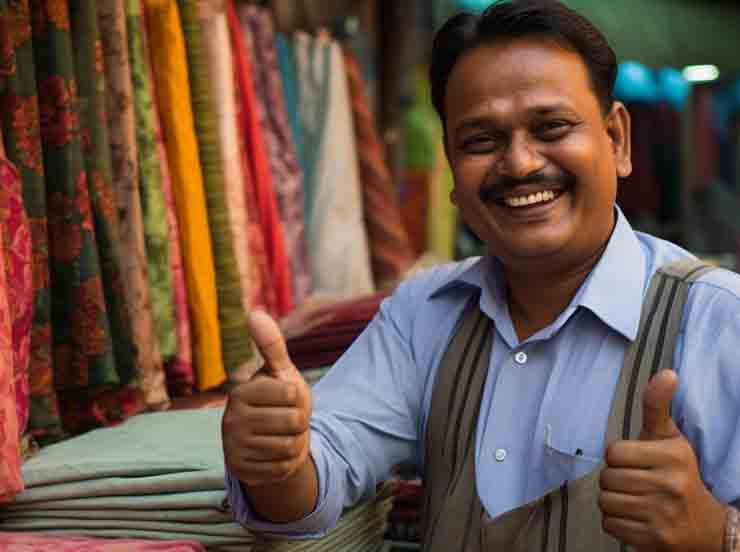

The Micro, Small, and Medium Enterprises (MSME) sector is often called the backbone of India’s economy, and for good reason. From generating employment to boosting exports and ensuring balanced regional development, MSMEs play a pivotal role in the country’s socio-economic progress. As India strives to become a $5 trillion economy, the MSME sector is central to achieving this vision by fostering innovation, entrepreneurship, and inclusive growth.
1. Contribution to GDP and Industrial Development
The MSME sector contributes approximately 30% of India’s Gross Domestic Product (GDP) and accounts for nearly 45% of total manufacturing output. MSMEs span industries such as textiles, food processing, engineering goods, chemicals, handicrafts, and IT services. They act as feeders to large industries by supplying raw materials, components, and services, thereby creating a robust industrial ecosystem. By diversifying manufacturing beyond big corporations, MSMEs reduce dependency on large players and ensure economic resilience.
2. Employment Generation and Livelihood Support
MSMEs are the second-largest source of employment in India after agriculture, employing over 110 million people across urban and rural areas. They provide opportunities for unskilled and semi-skilled workers, reducing unemployment and underemployment. By creating jobs closer to home, MSMEs curb rural-to-urban migration and ease pressure on urban infrastructure. This employment generation plays a crucial role in poverty reduction and improving living standards, especially in economically weaker regions.
3. Boosting Exports and Strengthening Foreign Exchange
Nearly 48% of India’s exports come from the MSME sector. Items such as textiles, leather goods, gems, jewelry, engineering components, and handicrafts are in high demand internationally. By showcasing Indian craftsmanship and quality, MSMEs help diversify the export basket, reduce the trade deficit, and enhance India’s foreign exchange reserves. This export contribution also improves India’s global competitiveness and reputation as a reliable trading partner.
4. Promoting Regional Balance and Rural Development
Large industries are often concentrated in major cities, leading to economic disparities. MSMEs, however, are distributed widely, particularly in small towns and rural areas. They bring industrialization to underdeveloped regions, create local job opportunities, and stimulate infrastructure development. This decentralization promotes balanced regional growth, reduces migration pressures, and contributes to more equitable socio-economic progress across India.
5. Fostering Entrepreneurship and Innovation
MSMEs are a breeding ground for entrepreneurship and innovation. With relatively low capital requirements, individuals can start their ventures, promoting self-employment and wealth creation. MSMEs are known for their flexibility and adaptability, allowing them to respond quickly to changing market demands. Many start-ups and innovative solutions in fields like renewable energy, healthcare technology, and e-commerce originate from MSMEs. This entrepreneurial spirit drives economic dynamism and creates competitive industries.
6. Empowering Women and Marginalized Communities
The MSME sector provides opportunities for women entrepreneurs and marginalized groups, promoting inclusivity and empowerment. Women-led MSMEs are making strides in areas such as handicrafts, food processing, and service industries. Government programs like MUDRA Yojana, Stand-Up India, and National SC/ST Hub support entrepreneurship among underrepresented communities, fostering social justice and improving household incomes. These efforts also contribute to gender equality and community upliftment.
7. Driving Sustainable and Green Development
Sustainability is becoming an essential part of modern business practices, and many MSMEs are adopting eco-friendly technologies. By embracing energy-efficient production methods, waste reduction practices, and renewable resources, MSMEs are aligning with India’s environmental goals. Initiatives such as zero-waste manufacturing, biodegradable packaging, and green energy integration are helping reduce the environmental footprint of industrial growth.
8. Strengthening Supply Chains and Local Economies
MSMEs support local supply chains by sourcing raw materials and labor locally. They provide essential services and goods to larger enterprises, ensuring smoother operations for big industries. By anchoring local economies, MSMEs reduce dependence on imports and build resilience against global disruptions. During crises like the COVID-19 pandemic, MSMEs played a vital role in maintaining the production of essential goods and services.
9. Government Initiatives Supporting MSMEs
Recognizing the critical role of MSMEs, the Indian government has introduced various schemes and reforms to strengthen the sector:
- Udyam Registration: Simplified registration for businesses to gain legal recognition and benefits.
- Credit Guarantee Fund Trust for Micro and Small Enterprises (CGTMSE): Provides collateral-free loans to promote business growth.
- MUDRA Yojana: Offers financial support to micro and small businesses.
- Production Linked Incentive (PLI) Schemes: Encourage MSMEs to participate in high-value manufacturing sectors.
- Cluster Development Programs: Support infrastructure and technological upgrades for MSMEs operating in specific industries.
These initiatives improve access to credit, technology, and markets, enabling MSMEs to remain competitive.
10. Challenges Faced by the MSME Sector
Despite their importance, MSMEs face challenges such as limited access to finance, outdated technology, and competition from global players. Delayed payments from buyers and regulatory hurdles also impact their cash flow and sustainability. Addressing these challenges through improved credit facilities, technological adoption, and policy reforms is essential for the sector’s continued growth.
11. Role in India’s Economic Vision
As India pursues its goal of becoming a $5 trillion economy, MSMEs are poised to be key drivers of growth. By promoting Make in India, Atmanirbhar Bharat (Self-Reliant India), and digital transformation, the sector will increase domestic production, reduce import dependency, and create globally competitive industries. The expansion of e-commerce and digital platforms also opens new markets for MSMEs, enabling them to scale up operations and expand internationally.
List of Popular Indian Brands You Can Use
India boasts a rich array of homegrown brands spanning various sectors such as FMCG, clothing, electronics, automobiles, and personal care. Choosing Indian brands not only supports local businesses but also promotes the “Make in India” initiative and strengthens the economy. Below is a categorized list of notable Indian brands within 500 words:
FMCG (Fast-Moving Consumer Goods)
- Amul – Renowned for dairy products like milk, butter, cheese, and ice cream.
- Britannia – Leading producer of biscuits, bread, and bakery items.
- Patanjali Ayurved – Offers ayurvedic products, personal care items, and packaged foods.
- Dabur – Famous for health supplements like Chyawanprash, hair oils, and skincare.
- Parle – Known for biscuits like Parle-G, confectionery, and snacks.
- Haldiram’s – Popular for sweets, namkeen, and ready-to-eat snacks.
- Mother Dairy – Supplier of milk, ice creams, and dairy products.
- Tata Consumer Products – Includes Tata Tea, Tata Salt, and packaged foods.
Apparel and Lifestyle
- Fabindia – Specializes in ethnic wear, handicrafts, and home décor.
- Raymond – Premium men’s clothing, fabrics, and accessories.
- Manyavar – Leading brand for ethnic wedding attire.
- Biba – Popular women’s ethnic clothing brand.
- W – Women’s contemporary Indian fashion.
- Mochi – Quality footwear brand.
- Liberty Shoes – Comfortable and durable footwear for all ages.
Electronics and Technology
- Micromax – Mobile phones and electronic gadgets.
- Lava International – Smartphones and feature phones.
- Boat – Affordable audio products like headphones and speakers.
- Noise – Smartwatches, earbuds, and wearable tech.
- Syska – LED lights, home appliances, and personal grooming devices.
- Voltas – Air conditioners and cooling solutions.
- Godrej Appliances – Refrigerators, washing machines, and safes.
Automobiles and Transportation
- Tata Motors – Cars, trucks, buses, and electric vehicles.
- Mahindra & Mahindra – SUVs, tractors, and commercial vehicles.
- Hero MotoCorp – Leading motorcycle and scooter manufacturer.
- Bajaj Auto – Two-wheelers and three-wheelers for domestic and export markets.
- TVS Motor Company – Popular scooters and bikes.
- Ashok Leyland – Buses and commercial vehicles.
Personal Care and Beauty
- Forest Essentials – Luxury ayurvedic skincare brand.
- Biotique – Herbal skincare and beauty products.
- Lotus Herbals – Natural skincare and cosmetic products.
- VLCC – Personal care, wellness, and beauty services.
- Nykaa – Cosmetics and personal care products (also an e-commerce platform).

Household and Miscellaneous
- Tata Steel – Steel and industrial products.
- Asian Paints – Leading paint and home décor brand.
- Nilkamal – Furniture and storage solutions.
- Prestige – Kitchen appliances and cookware.
- Havells – Electrical equipment and appliances.
- Blue Star – Cooling and refrigeration solutions.
Conclusion
These Indian brands represent quality, affordability, and innovation across diverse sectors. By using products from these companies—ranging from FMCG giants like Amul and Patanjali to tech innovators like Boat and Noise—consumers can actively support local industries, encourage self-reliance, and contribute to the growth of the Indian economy.
Disclaimer
The information provided by Web Arbiter (‘we’, ‘us’, or ‘our’) on https://webarbiter.in/ . The website is for general informational purposes only. All information on the Site is provided in good faith, however we make no representation or warranty of any kind, express or implied, regarding the accuracy, adequacy, validity, reliability, availability, or completeness of any information on the Site. UNDER NO CIRCUMSTANCE SHALL WE HAVE ANY LIABILITY TO YOU FOR ANY LOSS OR DAMAGE OF ANY KIND INCURRED AS A RESULT OF THE USE OF THE SITE OR RELIANCE ON ANY INFORMATION PROVIDED ON THE SITE. YOUR USE OF THE SITE AND YOUR RELIANCE ON ANY INFORMATION ON THE SITE IS SOLELY AT YOUR OWN RISK. Read Full Disclaimer