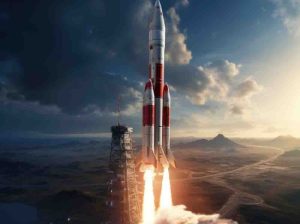



Space, once considered a limitless frontier reserved for scientific exploration and human curiosity, is rapidly transforming into a new strategic and military domain. In the modern world, space-based assets have become indispensable for communication, navigation, surveillance, and national security. As a result, safeguarding them from threats has become a central priority for nations worldwide. The future of space defense will be shaped by technological advances, geopolitical competition, private sector involvement, and global cooperation—or conflict.

1. Importance of Space in Defense
In the 21st century, space is no longer distant from everyday life. Satellites orbiting the Earth provide services that touch nearly every aspect of human existence.
- Military reliance: Armed forces depend on satellites for secure communications, intelligence, and precision targeting.
- Civilian use: GPS supports navigation in cars and airplanes, financial systems rely on satellite timing, and television and internet connections depend on space infrastructure.
- Strategic significance: Losing access to space systems could cripple a nation’s defense and civilian functions simultaneously.
This dual-use nature of satellites—supporting both civilians and militaries—makes them vital but also vulnerable.
2. Rising Threats in Space
The growing reliance on satellites has also brought new threats that the future of space defense must address:
- Anti-Satellite Weapons (ASATs): Tested by major powers like the U.S., Russia, China, and India, these weapons can destroy satellites but create dangerous debris.
- Cyberattacks and Signal Jamming: Hackers can target satellites or ground stations, while adversaries may disrupt signals through electronic warfare.
- Directed Energy Attacks: Lasers and microwaves could blind or disable sensors without creating debris, offering “silent” threats.
- Space Debris: Beyond intentional attacks, leftover fragments from old satellites and tests threaten active spacecraft, posing an ever-growing risk.
The rise of these threats demonstrates why space is often referred to as a potential “battlefield of the future.”
3. Militarization of Space
Although treaties like the Outer Space Treaty of 1967 ban nuclear weapons and weapons of mass destruction in orbit, they do not prevent conventional weapons or military activities. This gap has led to the increasing militarization of space.
- Dedicated Space Forces: The United States established its Space Force in 2019, while Russia, China, and France have formed similar divisions.
- Missile Defense Systems: Space-based sensors are being developed to track ballistic and hypersonic missiles more effectively.
- Surveillance Satellites: Nations are deploying advanced satellites capable of monitoring adversaries’ military activities around the globe.
The growing focus on space militarization raises concerns of an arms race beyond Earth.
4. Future Technologies in Space Defense
The future of space defense will rely heavily on technological innovation. Several developments are shaping this domain:
- Artificial Intelligence (AI): AI will help detect threats, manage satellite traffic, and even control autonomous defense systems in orbit.
- Mega-Constellations: Companies like SpaceX’s Starlink are launching thousands of small satellites. Militaries may adopt similar models, creating redundancy so that the loss of a few satellites does not cripple operations.
- Satellite Hardening: Future satellites will be designed to resist jamming, hacking, and directed-energy attacks.
- On-Orbit Servicing: Robotic spacecraft capable of repairing or refueling satellites will make space infrastructure more resilient.
- Directed Energy Weapons: Lasers or microwaves may be used defensively to disable threats before they reach critical satellites.
These technologies suggest a shift toward more resilient and flexible defense systems rather than simply building larger, vulnerable satellites.
5. International Cooperation and Governance
Because space is shared by all nations, cooperation will be vital in shaping its future.
- Updating Treaties: The Outer Space Treaty and similar agreements need modernization to address modern threats such as ASAT weapons or debris creation.
- Transparency in Operations: Sharing data about satellite movements can help prevent misunderstandings and accidental conflicts.
- Debris Management: International efforts to track and remove debris are essential to ensure safe orbits.
Yet, rivalries between major powers make cooperation challenging. If mistrust continues, space may become increasingly militarized.
6. The Role of the Private Sector
Private companies are becoming central to the future of space defense.
- Launch Services: Companies like SpaceX, Blue Origin, and India’s ISRO-commercial collaborations are making space more accessible.
- Satellite Networks: Private satellite constellations offer opportunities for secure communications and global coverage.
- Dual-Use Technology: Many commercial systems, such as Starlink, can serve both civilians and military users, raising questions about corporate involvement in defense.
Partnerships between governments and private companies will define future strategies, though they also raise challenges around regulation and control.
7. Geopolitical Consequences of Space Defense
The struggle for dominance in space has global implications:
- Great Power Competition: The U.S., Russia, and China are leading the charge, with India, Japan, and the European Union investing heavily as well.
- Strategic Superiority: Nations that can protect and control space assets will hold significant influence in global security.
- Regional Security: Smaller nations may depend on partnerships with space powers to safeguard their interests.
Space defense is becoming a central pillar of national security strategies worldwide.
8. Ethical and Environmental Challenges
With technological and strategic progress come significant concerns:
- Space Debris: Weapon tests and collisions create long-lasting hazards. For example, China’s 2007 ASAT test produced debris still threatening satellites today.
- Civilian Impact: Disabling satellites could disrupt global banking, communication, and navigation systems, harming ordinary citizens worldwide.
- Weaponization Ethics: The idea of turning space into a battleground raises moral questions about the militarization of a domain intended for peaceful exploration.
The ethical challenge lies in balancing national defense needs with the responsibility to preserve space as a shared resource.
9. Possible Future Scenarios
The future of space defense could unfold in multiple ways:
- Cooperative Future: Nations update treaties, share resources, and treat space as a zone of collective security.
- Full Arms Race: Countries deploy weapons in orbit, leading to heightened tensions and risks of conflict.
- Hybrid Approach: Space remains militarized but not openly weaponized, with defensive systems dominating.
- Corporate Dominance: Private companies lead space efforts, shaping policies through partnerships with governments.
Which path humanity follows will depend on political decisions made in the coming decades.
Conclusion
The future of space defense is a complex interplay of innovation, rivalry, and responsibility. Satellites have become the backbone of both civilian life and military strength, making their protection essential. At the same time, new threats such as ASAT weapons, cyberattacks, and debris highlight the vulnerability of space systems.
As nations and private players expand their activities in orbit, the world faces a choice: embrace cooperation to keep space secure and sustainable, or plunge into an arms race that could turn the heavens into a battleground. The direction humanity takes will not only shape the security of nations but also determine whether space remains a realm of exploration and progress—or one of danger and division.