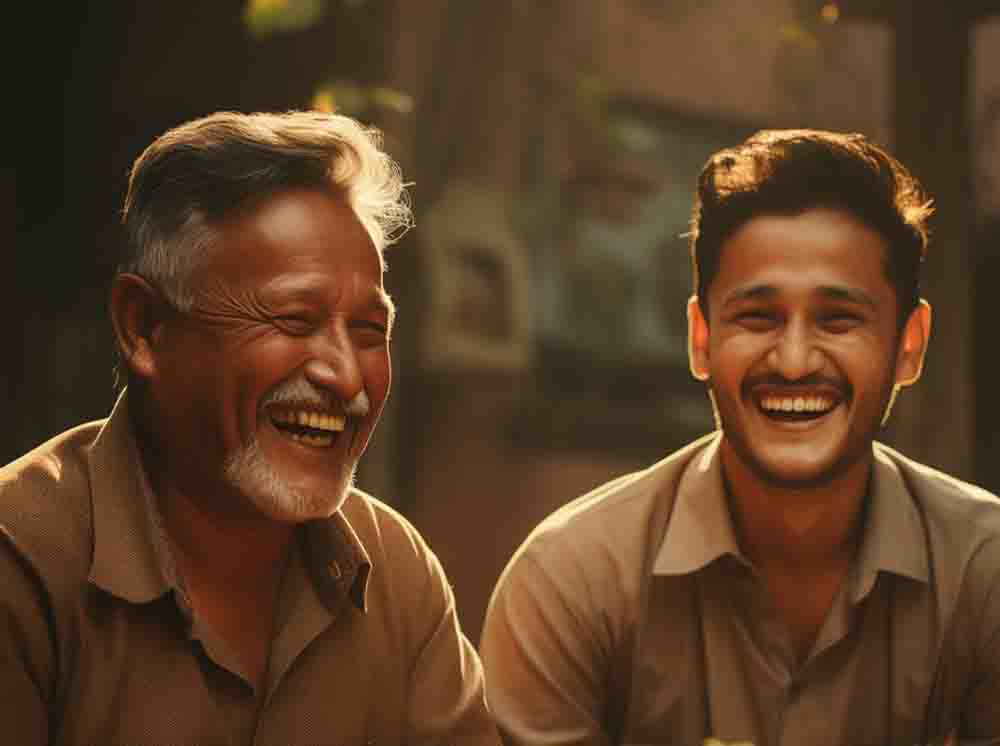
In today’s rapidly changing world, one of the most visible and persistent social issues is the generation gap—the difference in attitudes, values, beliefs, and lifestyles between one generation and another. Every generation grows up in a different environment shaped by new technologies, evolving social norms, and shifting cultural priorities. As a result, older and younger generations often struggle to understand each other.
The generation gap is not new; it has existed throughout human history. However, in modern times, it has become more pronounced due to the fast pace of change in technology, education, communication, and lifestyle. What once took decades to evolve now happens in just a few years. This rapid transformation has widened the gap between parents and children, teachers and students, and even employers and young professionals. Understanding this gap is essential for building harmony within families and society.

Meaning of Generation Gap
The term generation gap refers to the differences in opinions, thinking patterns, behavior, and values between people of different generations. It reflects how time, culture, and experience influence human perspectives. For example, older generations often value discipline, hard work, and patience, while younger generations tend to prioritize creativity, speed, and independence.
This difference is not inherently bad; it can promote innovation and diversity of thought. However, when communication and mutual respect are lacking, the generation gap can lead to misunderstandings, conflicts, and emotional distance.
Causes of the Generation Gap
1. Rapid Technological Advancement
Technology is one of the biggest contributors to the widening generation gap. The older generation grew up in an era of letters, radios, and face-to-face interactions, while today’s youth are immersed in smartphones, social media, and digital communication. This technological divide often makes elders feel disconnected from modern trends, while the youth may perceive their elders as outdated or resistant to change.
2. Differences in Values and Beliefs
Older generations usually emphasize traditional values such as respect for elders, family unity, and social conformity. In contrast, modern generations often prioritize individual freedom, equality, and personal happiness. This clash of values can lead to disagreements, especially on topics like marriage, career choices, or social behavior.
3. Changing Educational and Work Environments
Education today encourages critical thinking, questioning authority, and embracing innovation. This differs from older educational systems that focused on memorization and obedience. Similarly, workplaces now promote flexible schedules and creativity rather than strict hierarchies. Such shifts make it difficult for older generations to relate to the younger ones’ professional choices and lifestyles.
4. Globalization and Cultural Exposure
The modern generation is more exposed to global cultures, trends, and ideologies through the internet and media. Young people often adopt new languages, fashions, and beliefs that may conflict with traditional values. This cultural shift sometimes worries older generations, who fear losing heritage and identity.
5. Lifestyle and Communication Patterns
The way people communicate has changed drastically. Older generations value personal interaction, while younger ones rely heavily on texting and social media. This creates emotional distance and misunderstandings, as both sides struggle to express or interpret emotions across different mediums.

Effects of the Generation Gap
1. Family Conflicts
The most common impact of the generation gap is seen within families. Parents and children often argue about issues like education, career choices, relationships, and lifestyle. When neither side listens or tries to understand the other, these disagreements can lead to emotional stress and a breakdown in communication.
2. Decline in Traditional Values
As young people adopt modern lifestyles, many traditional practices and cultural values are fading away. Elders may feel disrespected or neglected, leading to feelings of isolation. At the same time, youth may feel restricted by customs that they see as outdated or irrelevant.
3. Misunderstanding and Emotional Distance
Lack of understanding often creates emotional barriers. Parents might interpret their child’s desire for independence as rebellion, while children may see parental guidance as interference. Such misunderstandings can lead to resentment on both sides.
4. Workplace Challenges
The generation gap is also visible in workplaces where older employees may prefer conventional methods, while younger workers push for innovation and flexibility. This difference can either cause friction or, when managed well, lead to dynamic teamwork that blends experience with creativity.
5. Social and Cultural Division
The generation gap sometimes divides societies into conservative and progressive groups. Disagreement over political ideologies, gender equality, or environmental issues reflects deeper differences in generational thinking.
Bridging the Generation Gap
1. Effective Communication
The first step in bridging the generation gap is open communication. Both sides should express their opinions respectfully and listen to each other without judgment. Parents should try to understand the pressures and aspirations of modern youth, while young people should value the experience and wisdom of their elders.
2. Mutual Respect
Respect is the foundation of understanding. Elders must respect the individuality and modern perspective of the youth, while the younger generation must honor the values and sacrifices of their parents and grandparents.
3. Adaptability and Flexibility
Both generations need to be flexible. Elders can try to adapt to new technologies and social changes, while young people should be patient with traditional practices and customs. A balanced approach helps in maintaining harmony.
4. Education and Awareness
Schools and communities can play an important role in bridging the gap by promoting intergenerational learning programs. Activities where young and old collaborate—such as cultural events, discussions, and community service—can foster mutual appreciation.
5. Shared Experiences
Spending time together helps build understanding. Whether it’s traveling, engaging in hobbies, or simply having family meals, shared experiences create emotional bonds that transcend age differences.
6. Role of Media
Media has the power to either widen or narrow the generation gap. Responsible storytelling that portrays both traditional and modern values positively can encourage empathy and unity across generations.
The Positive Side of the Generation Gap
While often viewed negatively, the generation gap also brings growth and innovation. Different perspectives challenge outdated norms and inspire progress. The youth drive technological and social change, while the older generation provides stability, wisdom, and moral grounding. When both work together, society benefits from the perfect blend of experience and innovation.
For example, young entrepreneurs create new technologies, but guidance from older mentors ensures ethical and sustainable development. Similarly, cultural evolution occurs when new ideas merge with traditional wisdom.
Conclusion
The generation gap is a natural and inevitable part of human evolution. Each generation experiences the world differently, shaped by its own circumstances and opportunities. The challenge is not to eliminate the gap but to understand and bridge it through communication, empathy, and respect.
In the modern era, where change is constant, the generation gap can either divide or strengthen families and societies depending on how it is handled. When young people appreciate the lessons of the past and elders embrace the energy of the future, a true balance is achieved.
Disclaimer
The information provided by Web Arbiter (‘we’, ‘us’, or ‘our’) on https://webarbiter.in/ . The website is for general informational purposes only. All information on the Site is provided in good faith, however we make no representation or warranty of any kind, express or implied, regarding the accuracy, adequacy, validity, reliability, availability, or completeness of any information on the Site. UNDER NO CIRCUMSTANCE SHALL WE HAVE ANY LIABILITY TO YOU FOR ANY LOSS OR DAMAGE OF ANY KIND INCURRED AS A RESULT OF THE USE OF THE SITE OR RELIANCE ON ANY INFORMATION PROVIDED ON THE SITE. YOUR USE OF THE SITE AND YOUR RELIANCE ON ANY INFORMATION ON THE SITE IS SOLELY AT YOUR OWN RISK. Read Full Disclaimer