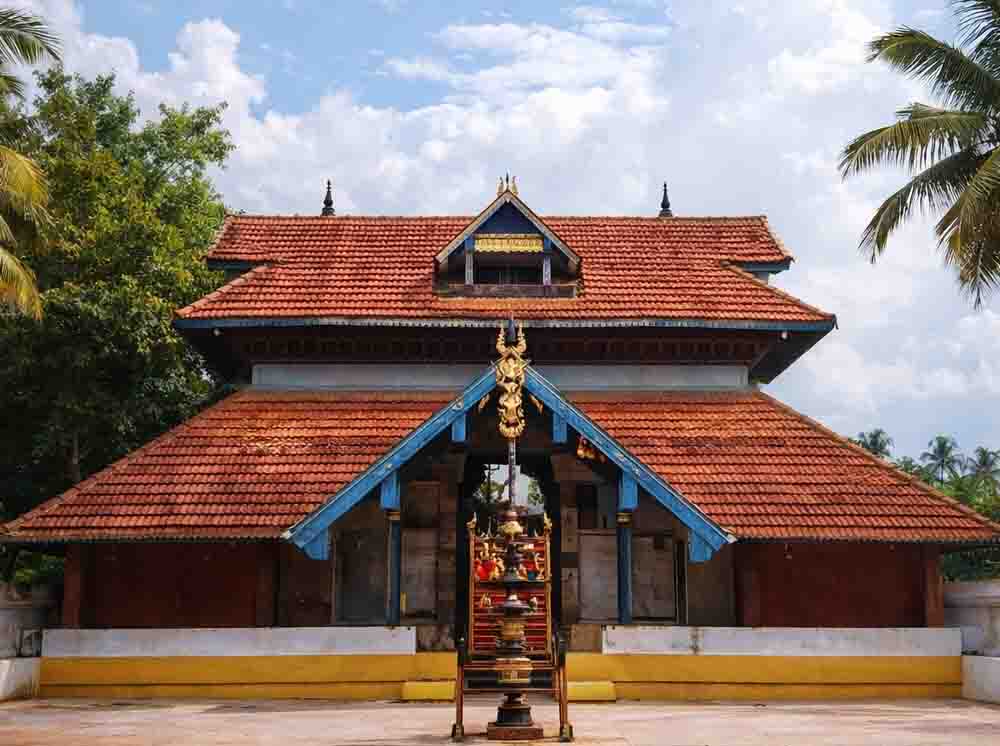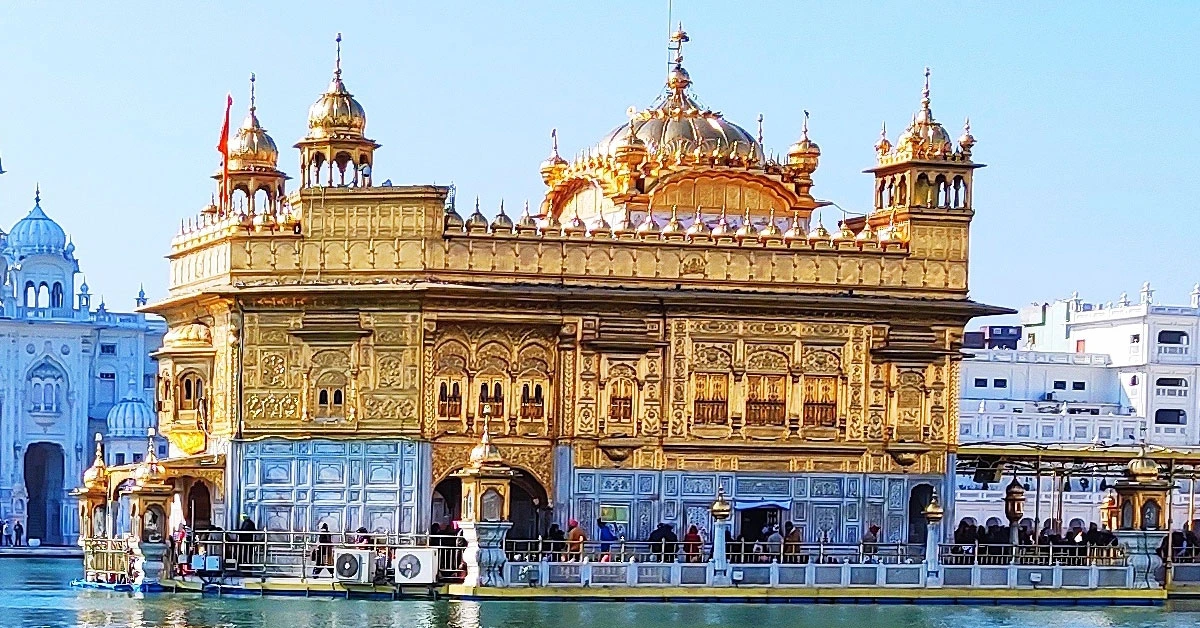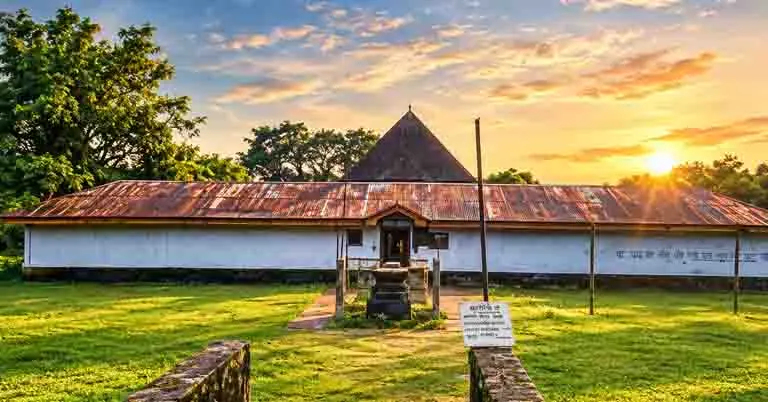
Located on the banks of the sacred Shipra River in Madhya Pradesh, Ujjain is one of the oldest and holiest cities in India. Known as “Mahakal ki Nagari” (the city of Lord Shiva), Ujjain holds immense religious, historical, and cultural significance. It is one of the seven sacred Sapta Puris in Hinduism and a prominent site for the Kumbh Mela, one of the world’s largest religious gatherings.
Beyond its spiritual aura, Ujjain is also a city of learning, astronomy, and art. The ancient city has been a center of Indian civilization since the time of King Vikramaditya and Kalidasa, India’s greatest poet. Today, Ujjain beautifully blends ancient traditions with a vibrant modern life.
Let’s explore the best visiting places in Ujjain, where history, devotion, and culture come alive.
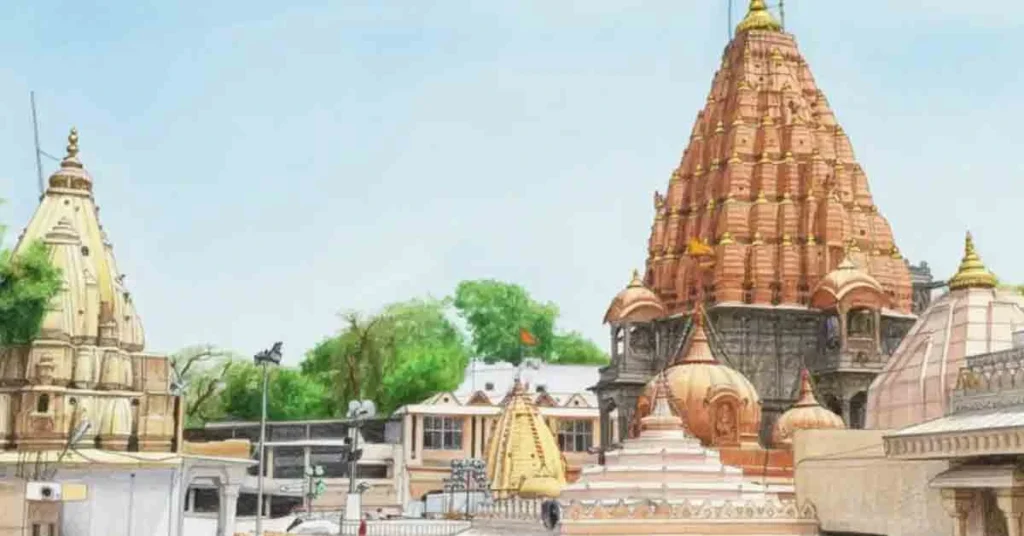
1. Mahakaleshwar Jyotirlinga – The Soul of Ujjain
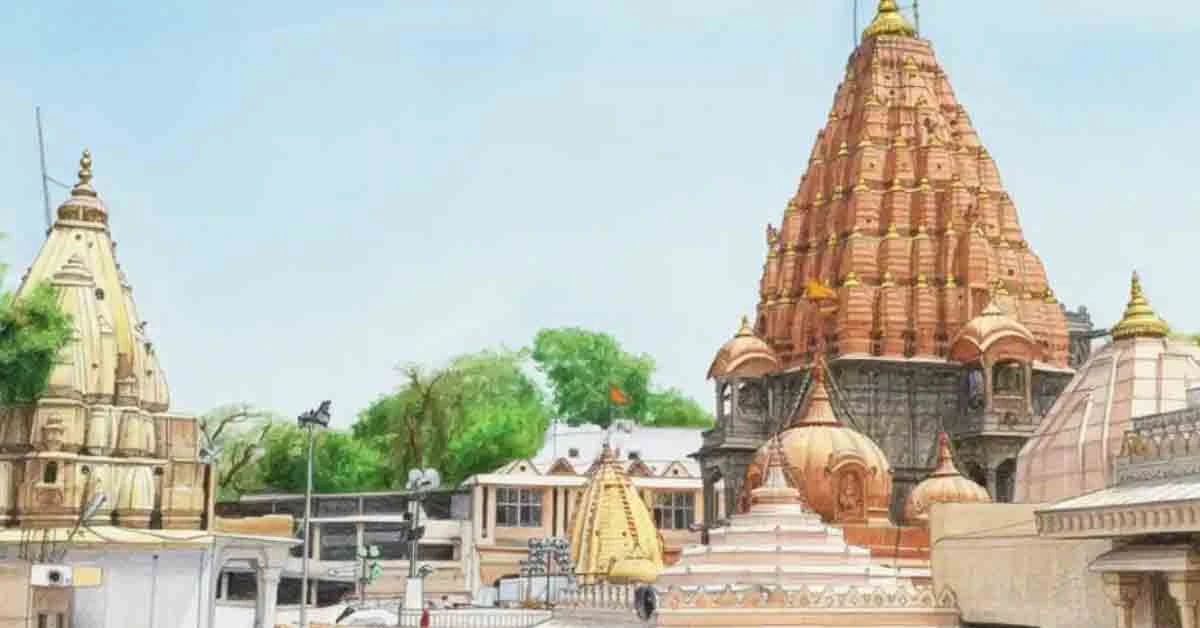
The Mahakaleshwar Temple is the heart and soul of Ujjain. It is one of the twelve Jyotirlingas of Lord Shiva, where the deity is worshiped as Mahakal, the Lord of Time. The temple’s linga is self-manifested (Swayambhu), believed to radiate powerful spiritual energy.
Built in the 5th century, the temple’s architecture combines Maratha, Bhumija, and Chalukya styles. The highlight is the Bhasma Aarti, a unique ritual where the Shiva Linga is adorned with sacred ash at dawn. Thousands of devotees gather daily to witness this divine ceremony, which symbolizes the impermanence of life and the victory of spirit over matter.
The temple’s location near the Shipra River adds to its sanctity, making it the most revered pilgrimage site in Ujjain.
2. Kal Bhairav Temple – The Guardian of Ujjain
Dedicated to Lord Kal Bhairav, a fierce manifestation of Lord Shiva, this temple is among the most fascinating and mysterious shrines in Ujjain. According to legends, Kal Bhairav is the protector deity of Ujjain, and even Mahakal’s temple rituals are incomplete without his worship.
One of the most unique customs here is the offering of liquor to the deity. Priests pour alcohol into the mouth of the Kal Bhairav idol, and it miraculously disappears — an ancient ritual symbolizing the transcendence of material desires.
The temple’s intense energy, combined with its spiritual depth, attracts both devotees and curious travelers from all over India.
3. Ram Ghat – The Spiritual Hub on the Shipra River
Ram Ghat is the most famous bathing ghat on the Shipra River, and it becomes the epicenter of activity during the Kumbh Mela, held every 12 years. Pilgrims from all corners of India come here to take a holy dip, believed to cleanse one’s sins and grant liberation.
At sunrise and sunset, the ghat comes alive with the sound of bells, conch shells, and Vedic chants during the evening aarti. The reflection of oil lamps on the water creates a magical, almost otherworldly ambiance.
It’s also a great place to sit quietly, watch rituals, and experience the timeless rhythm of life along the sacred river.

4. Harsiddhi Temple – The Goddess of Victory
Located near the Mahakaleshwar Temple, the Harsiddhi Temple is dedicated to Goddess Annapurna, a form of Shakti. According to legend, Goddess Parvati appeared here to assist Lord Shiva in destroying demons, and hence the temple symbolizes power and victory.
The temple is one of the 51 Shakti Peethas, where the elbow of Goddess Sati is said to have fallen. The two majestic oil lamps (deepasthambhas) at the entrance are lit every evening, creating a mesmerizing sight.
The temple’s red walls and divine aura make it a must-visit for devotees seeking blessings of prosperity and courage.
5. Sandipani Ashram – Where Lord Krishna Studied
Sandipani Ashram is a place of immense historical and mythological importance. It is believed that Lord Krishna, along with his brother Balarama and friend Sudama, studied here under Guru Sandipani.
The ashram still holds the ancient well known as Gomati Kund, said to have been created by Lord Krishna to provide water for his guru. The site exudes an atmosphere of learning and devotion, reminding visitors of the guru-shishya (teacher-student) tradition that forms the foundation of Indian culture.
6. Vedh Shala (Jantar Mantar) – The Ancient Observatory
Built by the great astronomer-king Maharaja Jai Singh II in the 18th century, Vedh Shala is one of India’s five ancient Jantar Mantars. It was designed to study celestial movements and timekeeping long before the age of modern science.
The observatory still has 19 astronomical instruments, including sundials and devices for tracking stars and planetary motion. It’s a fascinating visit for those interested in astronomy and India’s scientific heritage. The structure reflects how Ujjain was once a center for astrological and mathematical research, serving as the Greenwich of ancient India.
7. Bhartrihari Caves – The Poet’s Solitude
Perched on the banks of the Shipra River, the Bhartrihari Caves are believed to be the meditation site of Sage Bhartrihari, the stepbrother of King Vikramaditya and a renowned poet-philosopher.
He renounced royal life to seek spiritual enlightenment, composing verses like the “Vairagya Shataka”, emphasizing detachment and renunciation. The caves offer a tranquil environment, filled with spiritual energy, making them a great spot for meditation and reflection.
For history and literature enthusiasts, these caves are a journey into India’s ancient intellectual past.
8. Chintaman Ganesh Temple – The Oldest Ganesha Shrine
Located across the Shipra River, the Chintaman Ganesh Temple is one of the oldest temples dedicated to Lord Ganesha, the remover of obstacles. The word “Chintaman” means “reliever of worries,” and devotees come here to seek mental peace and prosperity.
The temple’s idol of Lord Ganesha is self-manifested (Swayambhu), and it is believed that all prayers offered here are answered. Its ancient architecture and calm surroundings make it a peaceful retreat from the city’s bustle.
9. ISKCON Temple – A Modern Touch of Devotion
The ISKCON Temple in Ujjain, also known as Sri Sri Radha Madanmohan Temple, is a relatively new but stunning addition to the city’s spiritual landscape. The temple’s architecture, featuring white marble domes and intricately carved pillars, exudes divine beauty.
The temple conducts regular Bhagavad Gita classes, kirtans, and aartis, creating a serene and devotional atmosphere. It’s a great place to experience the teachings of Lord Krishna in a modern and global setting.
10. Gadkalika Temple – The Goddess of Knowledge
Gadkalika Temple is dedicated to Goddess Kalika, and according to legend, the famous poet Kalidasa received his divine inspiration after worshipping here. The temple is especially significant for students and artists who seek the blessings of creativity and intellect.
Rebuilt during Emperor Harshavardhana’s reign, the temple stands as a symbol of spiritual awakening and wisdom. Its peaceful environment and deep-rooted mythology make it a must-visit for devotees and scholars alike.
11. Vikram Kirti Mandir – Honoring Ujjain’s Legacy
Built to commemorate the great ruler Vikramaditya, the Vikram Kirti Mandir houses a museum, an archaeological gallery, and an ancient library. The museum displays artifacts, sculptures, manuscripts, and coins from Ujjain’s glorious past.
There’s also a special Kalidasa Academy, which promotes classical literature, Sanskrit, and performing arts. This place beautifully connects Ujjain’s historical and cultural heritage.
12. Gopal Mandir – The Silver Beauty of Ujjain
Located in the heart of the city near the Mahakaleshwar Temple, Gopal Mandir is dedicated to Lord Krishna. Built in the 19th century by Bayaji Bai Shinde, the queen of Scindia, it is known for its stunning silver-plated doors and elegant Maratha-style architecture.
The temple comes alive during Janmashtami, when devotees gather in large numbers to celebrate Lord Krishna’s birth.
Conclusion
Ujjain is not just a city; it’s a living testimony of India’s spiritual and cultural depth. From the powerful vibrations of Mahakaleshwar to the serene chants of ISKCON, from the wisdom of Sandipani Ashram to the science of Vedh Shala, every corner of Ujjain tells a story that bridges the earthly and the divine.
It is a place where faith meets history, where devotion meets philosophy, and where the ancient meets the eternal. Whether you’re a pilgrim, a historian, or a traveler in search of meaning, Ujjain welcomes you with open arms and a timeless spirit that transcends generations.
Indeed, Ujjain remains one of India’s holiest and most captivating destinations, where every temple, river, and stone whispers the rhythm of eternity.

Disclaimer
The information provided by Web Arbiter (‘we’, ‘us’, or ‘our’) on https://webarbiter.in/ . The website is for general informational purposes only. All information on the Site is provided in good faith, however we make no representation or warranty of any kind, express or implied, regarding the accuracy, adequacy, validity, reliability, availability, or completeness of any information on the Site. UNDER NO CIRCUMSTANCE SHALL WE HAVE ANY LIABILITY TO YOU FOR ANY LOSS OR DAMAGE OF ANY KIND INCURRED AS A RESULT OF THE USE OF THE SITE OR RELIANCE ON ANY INFORMATION PROVIDED ON THE SITE. YOUR USE OF THE SITE AND YOUR RELIANCE ON ANY INFORMATION ON THE SITE IS SOLELY AT YOUR OWN RISK. Read Full Disclaimer