

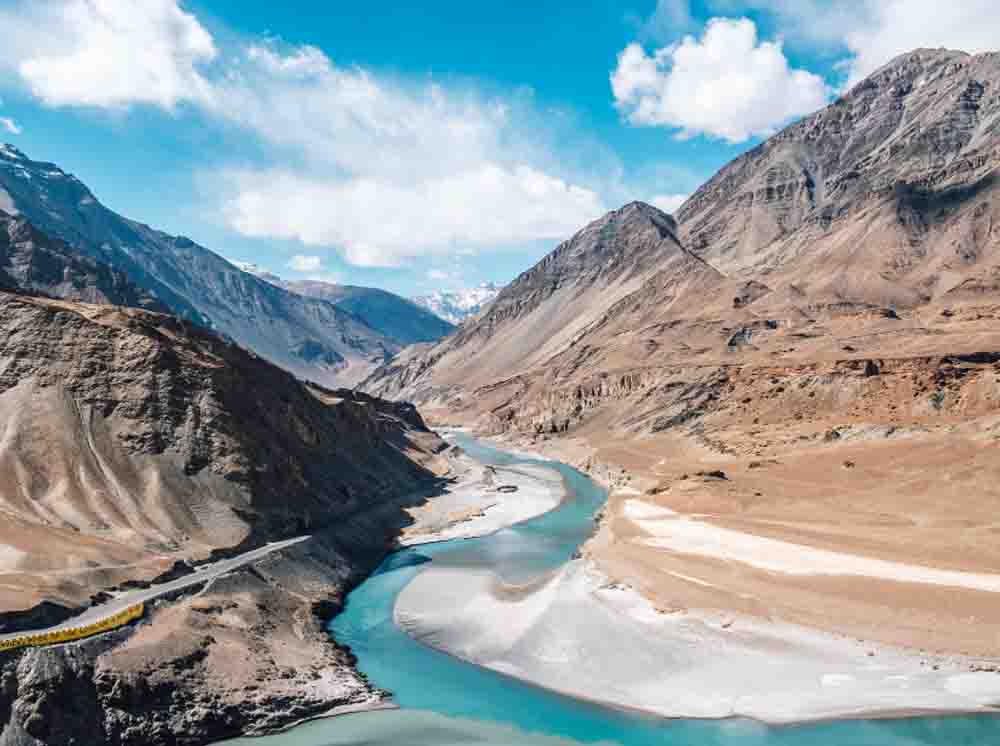
Nestled high in the Himalayan ranges of Jammu and Kashmir, the enchanting town of Leh is one of India’s most breathtaking travel destinations. Known for its snow-capped mountains, ancient monasteries, crystal-clear lakes, and vibrant culture, Leh attracts travelers from across the globe seeking adventure, peace, and spiritual awakening. Located at an altitude of about 11,500 feet (3,500 meters), Leh is the gateway to the Ladakh region, often referred to as the “Land of High Passes.”
Over the past decade, Leh has become a dream destination for nature lovers, trekkers, bikers, and photographers. From the majestic Pangong Lake to the mystical Magnetic Hill, every corner of Leh exudes natural beauty and cultural depth. In this essay, we will explore the best visiting places in Leh, each offering a unique glimpse into the region’s stunning landscapes, history, and traditions.
1. Pangong Lake – The Jewel of Leh
Perhaps the most iconic and photographed spot in Ladakh, Pangong Tso Lake is a breathtaking high-altitude lake located at around 14,270 feet. The lake stretches over 134 kilometers, extending from India into Tibet. What makes Pangong Lake magical is its changing colors — from deep blue to turquoise to green — depending on the time of day and season.
Visitors can enjoy camping by the lakeside under a sky full of stars or take in the mesmerizing sunrise and sunset views. The lake gained immense popularity after being featured in Bollywood films like 3 Idiots and Dil Se. Despite being saline, the lake freezes completely during winter, adding to its mystic charm.
2. Shanti Stupa – A Symbol of Peace
Built in 1991 by Japanese monks to promote world peace, the Shanti Stupa is one of Leh’s most revered landmarks. Perched atop Chanspa Hill, it offers panoramic views of the entire Leh town and the surrounding mountains. The stupa’s white dome represents purity and peace, while its architecture blends traditional Buddhist style with modern design.
During sunrise and sunset, the golden hues reflecting off the snow-covered peaks create an awe-inspiring view. The stupa also houses relics of the Buddha at its base, making it a significant spiritual site for Buddhist pilgrims.
3. Leh Palace – A Glimpse into Royal Heritage
Dominating the skyline of Leh, the Leh Palace is a magnificent nine-storey structure built in the 17th century by King Sengge Namgyal. Modeled after Tibet’s Potala Palace in Lhasa, this royal residence once housed the Ladakhi royal family before they were forced to move to Stok Palace.
The palace’s dark corridors, ancient murals, and intricate woodwork reflect the grandeur of Ladakhi architecture. From the top, visitors can enjoy breathtaking views of the Indus Valley and the Stok Kangri mountain range. The Archaeological Survey of India (ASI) now maintains the palace, and a small museum inside displays artifacts, royal jewelry, and ceremonial dresses.
4. Magnetic Hill – The Mysterious Phenomenon
Located around 30 kilometers from Leh on the Srinagar-Leh Highway, Magnetic Hill is one of the most fascinating natural wonders in the region. It is known for its optical illusion that makes vehicles appear to move uphill on their own, even when the engine is turned off. While science explains this phenomenon as a result of the layout of the surrounding land, locals often associate it with magnetic or supernatural forces.
Surrounded by majestic mountains and vast landscapes, Magnetic Hill is a must-stop spot for travelers seeking both fun and mystery during their Leh journey.
5. Thiksey Monastery – The Spiritual Heart of Leh
One of the largest and most beautiful monasteries in Ladakh, Thiksey Monastery stands on a hilltop about 19 kilometers from Leh. Belonging to the Gelugpa (Yellow Hat) sect of Tibetan Buddhism, this 12-storey monastery resembles the Potala Palace in design and architecture.
Inside the monastery lies a 49-foot-tall statue of Maitreya Buddha (Future Buddha), one of the largest indoor statues in Ladakh. Visitors can also witness early morning prayers, where monks chant in harmony, creating a deeply spiritual atmosphere. The monastery complex includes temples, stupas, and a museum that displays Buddhist art, scriptures, and ancient weapons.
6. Nubra Valley – The Valley of Flowers
A journey to Leh is incomplete without visiting the spectacular Nubra Valley, located about 160 kilometers from Leh. To reach it, travelers must cross the famous Khardung La Pass, one of the world’s highest motorable roads at 18,380 feet.
Nubra Valley is famous for its Bactrian camels, sand dunes, and picturesque villages like Hunder and Diskit. The Diskit Monastery, the oldest and largest in the valley, houses a towering statue of Maitreya Buddha overlooking the valley. The region’s beauty lies in its contrast — where lush greenery meets barren desert, and snow-clad peaks rise above golden sands. Visitors can enjoy camel rides, camping, and photography in this mesmerizing valley.
7. Hemis Monastery – A Cultural Treasure
Located around 45 kilometers from Leh, the Hemis Monastery is one of the wealthiest and most important monasteries in Ladakh. Established in the 17th century, it belongs to the Drukpa lineage of Tibetan Buddhism. Every year in June or July, the monastery hosts the famous Hemis Festival, celebrating the birth anniversary of Guru Padmasambhava, the founder of Tibetan Buddhism in the region.
During the festival, monks perform colorful mask dances (Cham dances) that symbolize the victory of good over evil. The monastery also houses a museum with ancient thangkas, weapons, and Buddhist relics, offering a deep insight into Ladakh’s spiritual heritage.
8. Tso Moriri Lake – The Hidden Gem
Less crowded than Pangong Tso, Tso Moriri Lake is another high-altitude lake located at around 15,000 feet in the Changthang region. Surrounded by snow-capped mountains and vast plains, it is a haven for birdwatchers and nature lovers. The lake is home to migratory birds like the Black-necked Crane and Bar-headed Goose.
Because of its remote location, Tso Moriri offers solitude and serenity, making it ideal for travelers seeking peace away from the tourist crowds. The nearby Korzok village gives a glimpse into the lifestyle of the nomadic Changpa tribes.
9. Hall of Fame – Tribute to Indian Soldiers
The Hall of Fame, located near Leh Airport, is a museum built by the Indian Army to honor the bravery and sacrifices of soldiers who fought in the Kargil War and other conflicts. The museum showcases weapons, uniforms, photographs, and personal letters of soldiers. Visitors can also learn about the harsh conditions in which Indian soldiers serve at the world’s highest battlefields, like the Siachen Glacier.
This museum not only evokes patriotism but also gives travelers a deeper understanding of India’s military history and resilience in extreme terrains.
10. Zanskar Valley – The Land of Adventure
For those seeking thrill and adventure, Zanskar Valley is a must-visit destination. Known for its rugged terrain, frozen rivers, and remote monasteries, Zanskar offers opportunities for trekking, river rafting, and the famous Chadar Trek on the frozen Zanskar River during winter. The valley is accessible via the Pensi La Pass, which remains open from June to September.
Zanskar’s untouched beauty, crystal-clear skies, and Buddhist monasteries make it a paradise for adventurers and nature enthusiasts alike.
Conclusion
Leh is not just a destination; it is an experience that combines natural beauty, spiritual depth, and cultural richness. From the tranquil lakes of Pangong and Tso Moriri to the vibrant monasteries of Thiksey and Hemis, every location tells a story of harmony between humanity and nature. The adventure-filled landscapes of Nubra Valley and Zanskar offer memories that last a lifetime.
In essence, Leh is where heaven meets earth, a land where silence speaks louder than words, and simplicity defines beauty. Whether you are a traveler seeking adventure, a soul in search of peace, or a photographer chasing beauty — Leh, India’s crown jewel in the Himalayas, promises an unforgettable journey.
Disclaimer
The information provided by Web Arbiter (‘we’, ‘us’, or ‘our’) on https://webarbiter.in/ . The website is for general informational purposes only. All information on the Site is provided in good faith, however we make no representation or warranty of any kind, express or implied, regarding the accuracy, adequacy, validity, reliability, availability, or completeness of any information on the Site. UNDER NO CIRCUMSTANCE SHALL WE HAVE ANY LIABILITY TO YOU FOR ANY LOSS OR DAMAGE OF ANY KIND INCURRED AS A RESULT OF THE USE OF THE SITE OR RELIANCE ON ANY INFORMATION PROVIDED ON THE SITE. YOUR USE OF THE SITE AND YOUR RELIANCE ON ANY INFORMATION ON THE SITE IS SOLELY AT YOUR OWN RISK. Read Full Disclaimer