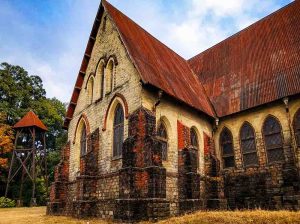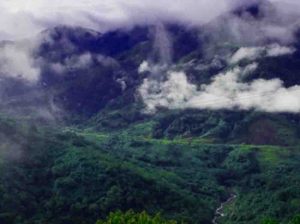


India, a land rich in history, culture, and ancient architecture, is also home to countless mysteries that defy scientific reasoning. Among its many historical marvels, one stands out as a unique blend of beauty, history, and horror — the Bhangarh Fort in Rajasthan. Nestled at the edge of the Sariska Tiger Reserve in the Alwar district, this 17th-century fort is not only a stunning example of medieval architecture but also the centerpiece of India’s most chilling ghost stories.
The fort, surrounded by the Aravalli Hills and enveloped in silence, has earned the notorious title of “The Most Haunted Place in India.” Visitors from around the world come here, drawn by both curiosity and fear, to witness the ruins that hold centuries-old secrets, legends of curses, and echoes of a once-prosperous kingdom that met a mysterious end.
Let’s explore the history, legends, architecture, paranormal claims, and the reality behind the myths of this enigmatic fort — Bhangarh Fort: The Epicenter of Haunting Legends.
Historical Background of Bhangarh Fort
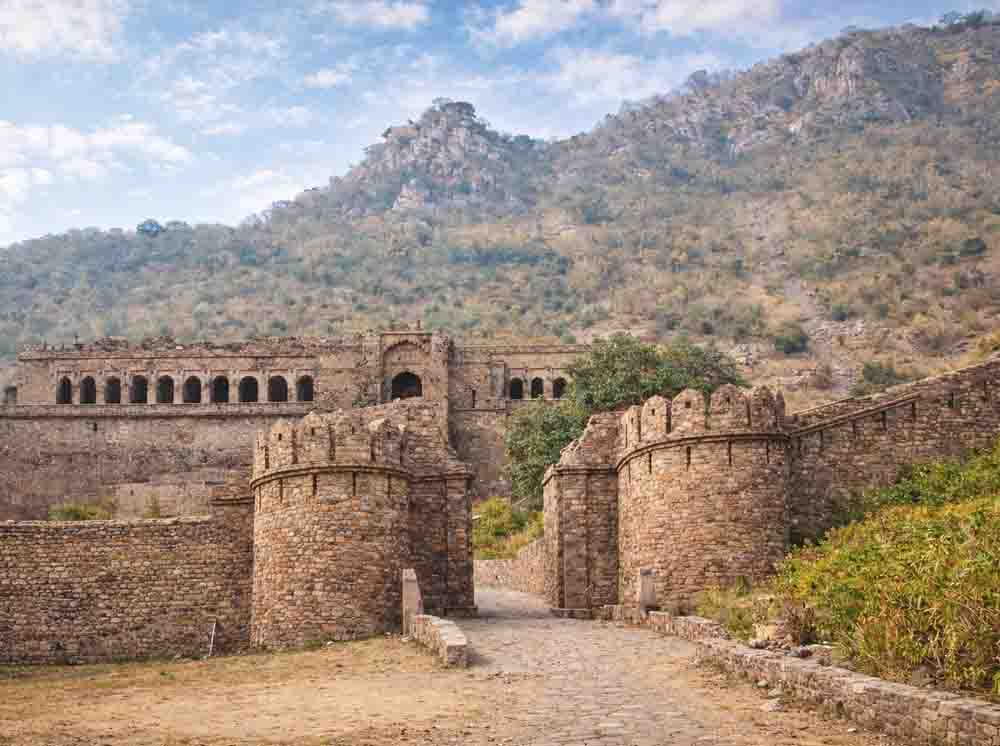
Bhangarh Fort was established in 1573 CE (10th century of the Vikram Samvat calendar) by Raja Madho Singh I, the younger brother of Man Singh I, who was one of Emperor Akbar’s most trusted generals. The town of Bhangarh was a thriving center of trade, spirituality, and royal life. It was beautifully constructed, featuring temples, palaces, markets, and residences — all enclosed within massive stone walls that remain partially intact today.
Madho Singh built the fort after obtaining permission from Guru Balu Nath, a local ascetic (sage) who lived nearby and practiced meditation in the surrounding hills. According to local tales, the sage gave his consent with one strict condition: the fort’s shadow should never fall upon his dwelling, or the city would be doomed.
For a while, the fort flourished. It became a self-sustained settlement and a symbol of the Rajput dynasty’s strength. However, after the death of Madho Singh and a series of unfortunate events, the fort and the town were abandoned overnight, leaving behind ruins, silence, and haunting legends that still echo through time.
The Legend of the Curse – The Sorcerer and the Princess
Among the many stories linked to Bhangarh Fort, the most famous — and eerie — is the legend of the sorcerer and the princess.
Princess Ratnavati, daughter of Chatr Singh, was said to be extraordinarily beautiful and wise. Suitors from across kingdoms sought her hand in marriage. One day, a Tantrik (black magician) named Singhia Sevra, who lived nearby, saw her in the marketplace and fell deeply in love with her. Knowing that a royal princess would never reciprocate his affection, he decided to use black magic to win her over.
He enchanted a bottle of perfume (ittar) that was meant for the princess, hoping that once she applied it, she would fall in love with him. But Princess Ratnavati, being intelligent and well-versed in magic herself, saw through his dark intentions. She threw the bottle away, and as fate would have it, the bottle hit a boulder — which immediately rolled toward the sorcerer and crushed him.
Before dying, Singhia cursed Bhangarh, declaring that no one would ever live peacefully there again and that the fort would be destroyed. Soon after his death, Bhangarh was attacked by invaders, leading to a massacre in which Princess Ratnavati and most of the residents perished. From that day onward, no one has lived in Bhangarh again. The fort turned into ruins, and the curse became an inseparable part of its history.
The Other Legend – The Sage’s Warning
Another story attributes the fort’s downfall to the curse of Guru Balu Nath, the sage who had permitted its construction. As the fort expanded, the uppermost palace allegedly cast its shadow upon his home — violating his condition.
Infuriated, the sage cursed the kingdom, foretelling that Bhangarh would be reduced to ruins, and no one would ever prosper there again. This legend aligns with the historical fact that after a few generations, the city did indeed fall into decline and was abandoned.
To this day, the samadhi (tomb) of Guru Balu Nath is believed to lie within the fort premises, and locals still offer prayers to appease his spirit.
Architecture and Layout of Bhangarh Fort
Despite its tragic past, Bhangarh Fort remains an architectural wonder and an outstanding example of medieval Rajasthani design. Built with massive stone walls and fortified gates, the fort was designed to protect the town from external invasions.
Key Features:
- Main Gates: There are five gates leading into the fort — the Lahori Gate, Ajmeri Gate, Phulbari Gate, Delhi Gate, and the Main Gate.
- Temples: The fort complex includes several ancient temples dedicated to Hanuman, Gopinath, Mangla Devi, and Keshav Rai, reflecting the spiritual devotion of its residents.
- Royal Palace: Located at the highest point, the palace offered panoramic views of the surrounding hills and plains.
- Bazaars: Remnants of market streets (such as Jauhari Bazaar and Purohit Bazaar) still exist, giving a glimpse of how vibrant the town once was.
- Residential Structures: The houses, though mostly in ruins now, showcase the planning of a well-organized settlement.
The architecture, though weathered, continues to narrate stories of its glorious past — a paradoxical blend of beauty and eeriness.
The Paranormal Reputation of Bhangarh Fort
Bhangarh’s reputation as India’s most haunted place is not merely based on folklore. It’s supported by numerous strange incidents and accounts from locals, tourists, and even researchers.
- ASI Warning Board:
The Archaeological Survey of India (ASI) has installed a board near the fort entrance that explicitly states:
“Entering the borders of Bhangarh before sunrise and after sunset is strictly prohibited.”
This is the only historical site in India with such a warning — intensifying its reputation as haunted. - Mysterious Experiences:
Locals and travelers have reported hearing unexplained sounds, music, laughter, and footsteps at night. Some claim to have felt a sense of unease or being followed. Others have experienced temperature drops, shadows moving, or voices calling out. - Tragic Incidents:
There are stories of thrill-seekers who entered the fort after dark and never returned. Though not officially confirmed, these tales have strengthened the fort’s supernatural legend. - No Overnight Stays:
No one, not even the security guards, stays inside the fort after sunset. The nearby village of Ajabgarh also has strict unwritten rules discouraging anyone from entering the area at night.
Scientific Explanations and Skepticism
While many believe Bhangarh is haunted, skeptics argue that the fort’s mysterious atmosphere stems from scientific and psychological factors rather than the supernatural.
- Acoustic Illusions:
The fort’s structure and geography cause sounds to echo and distort, which can make whispers or footsteps seem ghostly. - Magnetic Fields:
Some experts believe the area has unusual electromagnetic energy, causing dizziness or strange sensations. - Psychological Fear:
The power of suggestion plays a huge role. Knowing the fort’s reputation can make visitors misinterpret ordinary sounds or shadows as paranormal activity. - Historical Abandonment:
The fort’s ruinous state, lack of human habitation, and isolation contribute to its eerie atmosphere.
Nonetheless, even scientific reasoning cannot completely erase the aura of mystery surrounding Bhangarh. The fort’s silence, beauty, and historical depth make it easy for the imagination to wander into the supernatural.
Tourism and Visitor Experience
Today, Bhangarh Fort is one of Rajasthan’s most visited tourist attractions, drawing history lovers, adventure seekers, and paranormal enthusiasts alike. Despite its haunted reputation, the fort is open to visitors from sunrise to sunset.
Best Time to Visit:
The ideal time to visit Bhangarh is between October and February, when the weather is pleasant. Early mornings are perfect for photography and exploration.
Getting There:
Bhangarh is around 83 km from Jaipur and about 22 km from the Sariska Tiger Reserve, making it accessible via road. The nearest railway station is Dausa, approximately 40 km away.
What to Expect:
Visitors can explore:
- The ancient temples, including Gopinath and Hanuman Mandir.
- The ruined palace atop the hill.
- The old markets and residential remains.
- The Guru Balu Nath’s samadhi and the surrounding scenic landscape.
Although entry after sunset is prohibited, daytime visitors can enjoy the peaceful atmosphere and stunning views of the Aravalli range.
The Cultural and Spiritual Significance
Beyond its ghost stories, Bhangarh Fort holds immense cultural and spiritual significance. It is a reminder of Rajasthan’s royal heritage, architectural brilliance, and complex history of power, betrayal, and mysticism.
The fort’s temples still attract devotees, and its legends reflect ancient Indian beliefs in karma, curses, and destiny. For locals, it is not just a haunted site but also a sacred ground, where the energies of the past coexist with the present.
Bhangarh in Popular Culture
The eerie charm of Bhangarh Fort has inspired countless books, documentaries, and movies. Bollywood has also drawn inspiration from its legends — films like “Bhoot Part One: The Haunted Ship” and “Phantom” were shot around similar themes.
Additionally, paranormal researchers and ghost hunters from around the world have visited Bhangarh to record supernatural phenomena, making it a popular subject in global media.
Conclusion
Bhangarh Fort stands as a haunting yet magnificent reminder of India’s glorious and mysterious past. Whether it is the curse of a vengeful sorcerer, the wrath of a sage, or simply a tale woven through centuries of folklore, one thing is certain — Bhangarh Fort is more than just ruins; it is a living legend.
The fort’s allure lies not just in its ghostly reputation but in the blend of history, architecture, and myth that surrounds it. As the sun sets behind the Aravalli Hills and the fort sinks into shadow, the silence of Bhangarh seems to whisper its ancient secrets — daring anyone who listens to separate fact from legend.
Whether you are a believer in the paranormal or a skeptic grounded in science, a visit to Bhangarh Fort is an unforgettable experience — one that bridges the gap between history and haunting, beauty and fear, the seen and the unseen.
Disclaimer
The information provided by Web Arbiter (‘we’, ‘us’, or ‘our’) on https://webarbiter.in/ . The website is for general informational purposes only. All information on the Site is provided in good faith, however we make no representation or warranty of any kind, express or implied, regarding the accuracy, adequacy, validity, reliability, availability, or completeness of any information on the Site. UNDER NO CIRCUMSTANCE SHALL WE HAVE ANY LIABILITY TO YOU FOR ANY LOSS OR DAMAGE OF ANY KIND INCURRED AS A RESULT OF THE USE OF THE SITE OR RELIANCE ON ANY INFORMATION PROVIDED ON THE SITE. YOUR USE OF THE SITE AND YOUR RELIANCE ON ANY INFORMATION ON THE SITE IS SOLELY AT YOUR OWN RISK. Read Full Disclaimer