


Sports have been an integral part of human civilization for centuries, serving as more than just a form of entertainment or competition. From ancient Olympic Games in Greece to modern international tournaments like the FIFA World Cup or the Olympics, sports have brought people together, fostered discipline, and built healthier societies. In today’s world, where lifestyles are increasingly sedentary due to technology, the importance of sports in our daily lives has grown immensely. Sports are not only essential for physical health but also for mental well-being, social development, and academic performance, particularly for students. Outdoor play, often undervalued in modern educational systems, holds equally significant benefits, shaping a child’s overall growth and preparing them for the challenges of adult life.

The Importance of Sports in Our Lives
Sports play a vital role in maintaining balance in life. They are not limited to physical fitness; they encompass emotional strength, mental clarity, and social bonding. Engaging in regular sports activities allows individuals to maintain a healthy lifestyle by keeping the body active, improving stamina, and boosting immunity. Beyond physical health, sports encourage the development of life skills such as teamwork, leadership, discipline, and resilience, which are essential for personal and professional success.
Moreover, sports foster a sense of unity and belonging. On a global scale, events like the Olympics or the Cricket World Cup bring nations together, promoting peace and cultural exchange. On a smaller scale, community sports create bonds among neighbors and peers, fostering cooperation and reducing social isolation. Sports thus become a bridge between individuals, societies, and cultures.
How Sports Help Students
For students, sports are more than just an extracurricular activity; they are an extension of the classroom that contributes to holistic development. While academics focus on intellectual growth, sports focus on physical, emotional, and social aspects of learning. Together, they shape a balanced individual.
1. Enhancing Physical Health
Students often spend long hours studying or working on digital devices, leading to a sedentary lifestyle. Sports provide a healthy outlet for physical activity, improving cardiovascular health, flexibility, and muscle strength. Active students are less likely to suffer from obesity, posture problems, or lifestyle diseases like diabetes at an early age.
2. Boosting Mental Well-Being
Sports are powerful stress relievers. Participating in physical activities releases endorphins—often called “happy hormones”—which help combat anxiety, depression, and stress. For students under academic pressure, sports act as a natural therapy to relax the mind and maintain mental balance.
3. Improving Academic Performance
It might seem surprising, but students who engage in sports often perform better academically. Sports enhance concentration, time management, and problem-solving abilities. The discipline learned on the field translates into improved focus during studies, better classroom participation, and higher productivity.
4. Developing Social and Leadership Skills
Sports require communication, teamwork, and collaboration. Students learn to work with others, respect teammates and opponents, and follow rules. Leadership opportunities—like being a team captain—prepare students for future professional roles. These interpersonal skills are invaluable in real-life situations.
5. Teaching Resilience and Discipline
Losses and setbacks are part of sports. Students learn to accept defeat gracefully, work harder, and bounce back stronger. The values of perseverance, patience, and self-discipline gained from sports prepare them to face life’s challenges.
Benefits of Outdoor Play
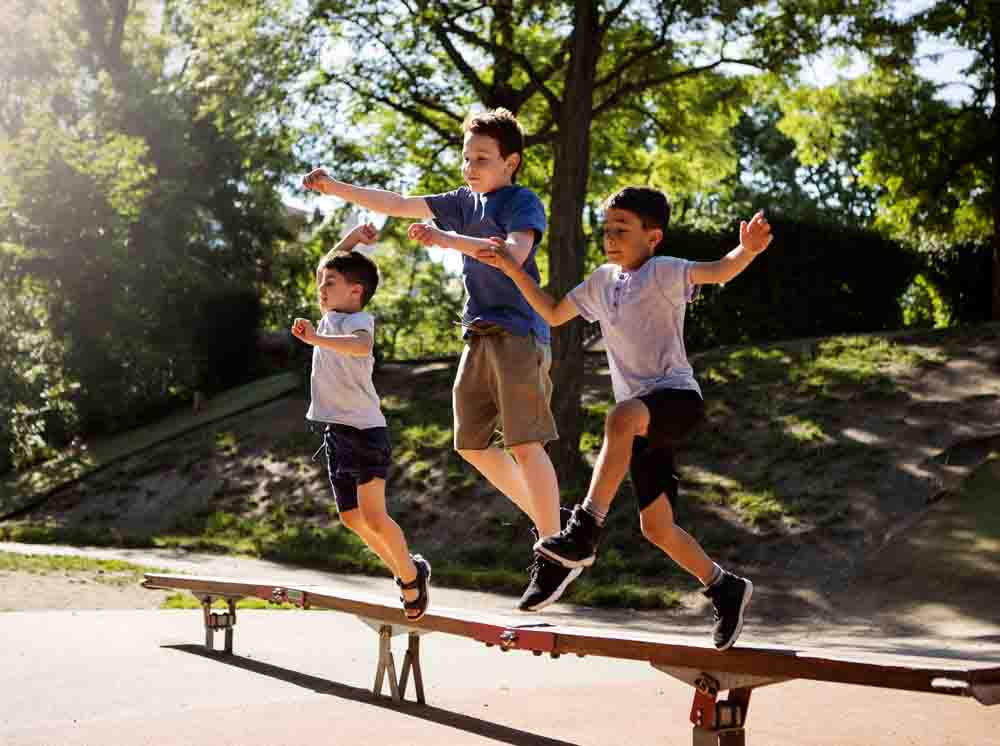
While structured sports programs are crucial, unstructured outdoor play also holds immense value. Outdoor play refers to activities that children engage in outside without rigid rules, such as running, climbing, cycling, or simply exploring nature. In today’s digital world, where children are increasingly glued to screens, outdoor play is vital for balanced growth.
1. Physical Development
Outdoor play naturally enhances motor skills, coordination, and stamina. Climbing trees, running, or playing tag develops agility and balance in ways that structured indoor activities cannot replicate.
2. Connection with Nature
Spending time outdoors connects children with the environment, fostering appreciation for nature and awareness about ecological issues. This connection often instills responsibility toward protecting natural resources and biodiversity.
3. Creativity and Imagination
Unstructured outdoor activities stimulate creativity. Children invent games, create imaginary scenarios, and explore problem-solving in unique ways. Unlike digital games, outdoor play provides freedom of imagination and experimentation.
4. Social Interaction
Outdoor play creates opportunities for children to interact with peers, make friends, and learn social skills. Sharing, negotiating, and resolving conflicts during playtime are crucial for emotional intelligence.
5. Mental Health and Emotional Stability
Just like organized sports, outdoor play reduces stress, boosts mood, and enhances emotional well-being. Being in open spaces with fresh air and sunlight improves energy levels and reduces feelings of confinement and anxiety.
6. Building Independence and Risk Management
Outdoor play often involves exploring new areas, climbing heights, or testing one’s limits. Such experiences teach children independence and the ability to assess and manage risks responsibly.
Sports, Outdoor Play, and Modern Challenges
Despite the many benefits of sports and outdoor play, modern lifestyles often restrict opportunities for such activities. Urbanization has reduced open spaces, while increasing academic competition and digital distractions leave little time for physical activities. As a result, children and adults alike are facing rising health issues, including obesity, stress, and lack of social engagement.
To counter these challenges, schools, communities, and families need to prioritize sports and outdoor play. Educational institutions should integrate sports into the curriculum and encourage students to participate in various physical activities. Communities must work toward creating safe parks, playgrounds, and recreational areas. Families should encourage children to reduce screen time and engage in outdoor activities as part of daily routines.
Conclusion
Sports and outdoor play are not luxuries but necessities for a healthy, balanced, and fulfilling life. They enrich physical health, enhance mental well-being, and instill values of teamwork, resilience, and discipline. For students, sports serve as a critical complement to academics, helping them excel not just in studies but also in life. Outdoor play, on the other hand, nurtures creativity, independence, and a deep connection with nature, essential for shaping responsible and emotionally stable individuals.
In a rapidly changing world dominated by technology, it is vital to preserve and promote sports and outdoor play. Doing so will ensure healthier individuals, stronger communities, and a society equipped with the resilience, creativity, and unity needed to face the future.
Disclaimer
The information provided by Web Arbiter (‘we’, ‘us’, or ‘our’) on https://webarbiter.in/ . The website is for general informational purposes only. All information on the Site is provided in good faith, however we make no representation or warranty of any kind, express or implied, regarding the accuracy, adequacy, validity, reliability, availability, or completeness of any information on the Site. UNDER NO CIRCUMSTANCE SHALL WE HAVE ANY LIABILITY TO YOU FOR ANY LOSS OR DAMAGE OF ANY KIND INCURRED AS A RESULT OF THE USE OF THE SITE OR RELIANCE ON ANY INFORMATION PROVIDED ON THE SITE. YOUR USE OF THE SITE AND YOUR RELIANCE ON ANY INFORMATION ON THE SITE IS SOLELY AT YOUR OWN RISK. Read Full Disclaimer