


Ekadashi holds a special place in Hindu tradition and spirituality. Observed on the eleventh day of the lunar fortnight, Ekadashi comes twice every month—once during the waxing phase (Shukla Paksha) and once during the waning phase (Krishna Paksha) of the moon. This auspicious day is primarily dedicated to Lord Vishnu and is considered highly sacred for spiritual growth, inner purification, and devotion.
The word Ekadashi is derived from Sanskrit, where “eka” means eleven and “dashi” means day. According to ancient scriptures such as the Padma Purana and Bhagavata Purana, observing Ekadashi with sincerity helps devotees cleanse their sins, control desires, and move closer to moksha, or liberation from the cycle of birth and death.
One of the most significant aspects of Ekadashi is fasting (vrat). Devotees observe different types of fasts depending on their capacity and tradition. Some follow a strict nirjala vrat, abstaining from both food and water, while others consume fruits, milk, or light sattvic meals. Grains and pulses are strictly avoided on Ekadashi, as they are believed to harbor negative energies on this day. Beyond physical discipline, the fast symbolizes control over the senses and detachment from material pleasures.

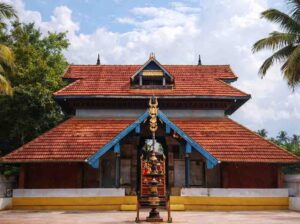
Ekadashi is not only about fasting but also about devotion and remembrance of God. Devotees wake up early, take a holy bath, and spend the day chanting Vishnu mantras, reading sacred texts like the Vishnu Sahasranama, and listening to devotional stories. Temples dedicated to Lord Vishnu and Lord Krishna witness special prayers, bhajans, and kirtans. Staying awake during the night (Jagaran) is also considered highly meritorious, as it reflects dedication and spiritual alertness.
From a spiritual perspective, Ekadashi is believed to be an ideal day for meditation and self-reflection. It is said that on this day, the mind is naturally more receptive to spiritual practices due to favorable cosmic vibrations. Fasting helps calm the body, while prayers and meditation purify the mind, creating harmony between body, mind, and soul.
Interestingly, Ekadashi also holds scientific and health significance. Ayurveda suggests that periodic fasting improves digestion, detoxifies the body, and allows the digestive system to rest. Avoiding heavy foods like grains once or twice a month can help restore balance and boost overall well-being.
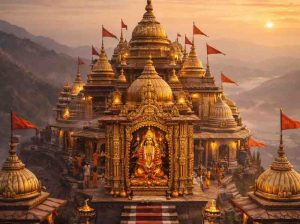
Each Ekadashi has its own name and spiritual importance, such as Mokshada Ekadashi, Devshayani Ekadashi, Nirjala Ekadashi, and Vaikuntha Ekadashi. Among them, Vaikuntha Ekadashi is considered the most sacred, as it is believed that the gates of Vaikuntha, Lord Vishnu’s abode, are opened for devotees on this day.
In today’s fast-paced life, observing Ekadashi offers a meaningful pause—a chance to disconnect from material distractions and reconnect with inner peace and devotion. Whether one observes a strict fast or simply practices mindfulness and prayer, Ekadashi reminds us of the power of discipline, faith, and spiritual awareness.
Disclaimer
The information provided by Web Arbiter (‘we’, ‘us’, or ‘our’) on https://webarbiter.in/ . The website is for general informational purposes only. All information on the Site is provided in good faith, however we make no representation or warranty of any kind, express or implied, regarding the accuracy, adequacy, validity, reliability, availability, or completeness of any information on the Site. UNDER NO CIRCUMSTANCE SHALL WE HAVE ANY LIABILITY TO YOU FOR ANY LOSS OR DAMAGE OF ANY KIND INCURRED AS A RESULT OF THE USE OF THE SITE OR RELIANCE ON ANY INFORMATION PROVIDED ON THE SITE. YOUR USE OF THE SITE AND YOUR RELIANCE ON ANY INFORMATION ON THE SITE IS SOLELY AT YOUR OWN RISK. Read Full Disclaimer