

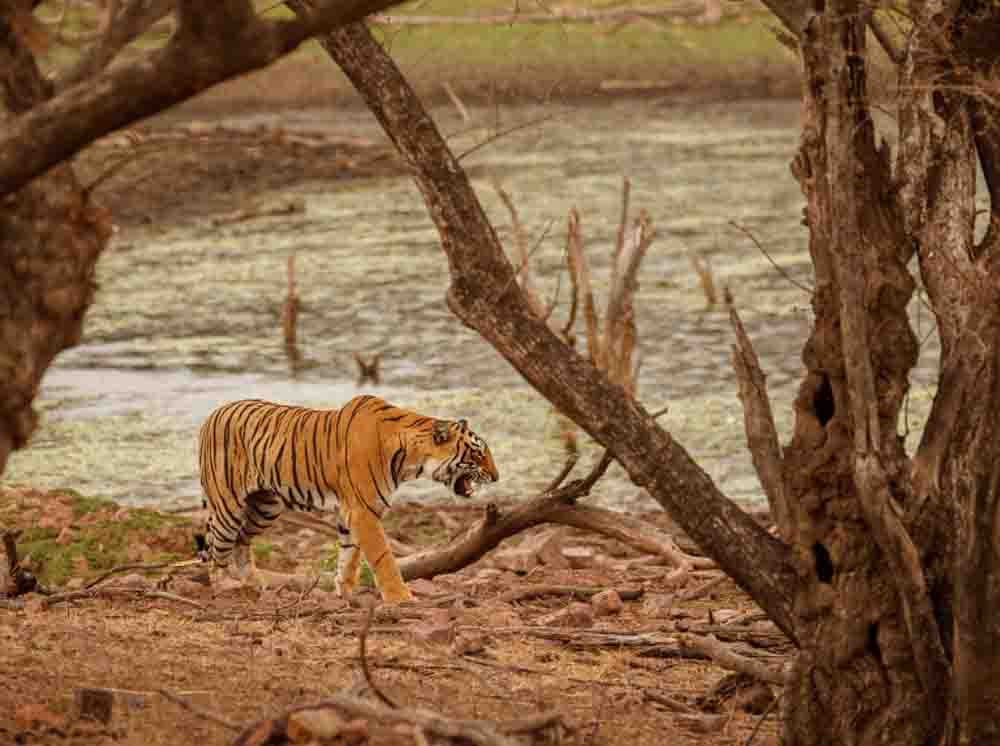

The Sundarbans, located in the southern part of West Bengal, India, and stretching into Bangladesh, is the world’s largest mangrove ecosystem and a UNESCO World Heritage Site. Covering about 10,000 square kilometers, it represents one of the most unique biomes on the planet, formed by the confluence of the Ganga, Brahmaputra, and Meghna rivers as they empty into the Bay of Bengal. The Sundarbans is home to an intricate web of rivers, tidal channels, estuaries, and mudflats, which shape both its landscape and the lives of millions of people who depend on its resources.
The region’s socio-economic structure is intertwined with its ecology. Fishing, agriculture, honey collection, and forest product gathering are key livelihood activities, but these are often threatened by natural disasters, climate change, and human-wildlife conflict. In recent decades, tourism has emerged as an alternative economic driver, but unregulated practices pose their own challenges. Assessing the interplay of livelihood, conflict, and tourism is crucial for creating sustainable policies and protecting both the environment and the communities of the Sundarbans.
1. Geography and Ecology of the Sundarbans
The Sundarbans is a dynamic, low-lying coastal zone shaped by tidal action and riverine sedimentation. Its dense mangroves include over 80 plant species, such as Heritiera fomes (Sundari), which gives the forest its name. It serves as a crucial carbon sink, shoreline stabilizer, and breeding ground for numerous aquatic species. The ecosystem supports over 260 bird species, 120 fish species, and mammals such as the Royal Bengal Tiger, spotted deer, wild boars, and fishing cats. This biodiversity is essential for maintaining ecological balance and providing resources for local livelihoods.
2. Livelihood in the Sundarbans
The Sundarbans is home to millions of people living in small villages and islands on its fringes. With limited infrastructure, roads, or industrial development, most households depend directly on the natural environment. Key livelihood activities include:
a. Fishing and Crab Collection
Fishing is the backbone of the Sundarbans economy. The rivers and estuaries are rich in fish, prawns, and crabs. Thousands of fishermen venture daily into tidal waters, often without modern equipment or safety measures. Crab collection, which fetches high prices in urban markets and for export, has become a growing source of income. However, these activities often place fishermen in close proximity to crocodiles, sharks, and tigers, leading to fatal encounters.
b. Honey Collection
Honey collection, or “mouali” work, is a traditional and seasonal occupation. During the honey-harvesting months (March to June), collectors enter deep into the mangrove forests. The honey is prized for its purity and medicinal properties. Yet, the activity is one of the most dangerous, as moualis risk tiger attacks and snake bites. Despite forest department permits and safety measures, incidents are frequent, and many collectors go missing each year.

c. Agriculture
Agriculture is another key livelihood, though it is increasingly fragile. Farmers grow rice, pulses, and vegetables on embankments and small plots. However, soil salinization caused by cyclones, tidal surges, and rising sea levels has degraded farmland. Cyclone Amphan (2020) inundated vast tracts of land, rendering fields unsuitable for cultivation for months. As a result, many families experience food insecurity and migrate seasonally for work.
d. Forest Products and Handicrafts
In addition to fishing and farming, villagers collect firewood, leaves, and small timber for domestic use or sale. Women often engage in weaving mats, crafting items from jute or palm leaves, and small-scale cottage industries. Non-Governmental Organizations (NGOs) have begun promoting these crafts to provide alternative income streams and reduce pressure on the forest.
3. Human-Wildlife Conflict
The Sundarbans is infamous for its human-tiger conflicts, earning the tigers here a reputation as “man-eaters.” Tigers frequently attack fishermen, honey collectors, or wood gatherers. Factors contributing to this conflict include:
- Habitat Shrinkage: Rising sea levels and erosion reduce the tiger’s territory.
- Prey Scarcity: Decline in prey species forces tigers to approach human settlements.
- Human Intrusion: Overfishing and forest dependence lead people deeper into tiger habitats.
The result is a cycle of fear and retaliation. Although tigers are a protected species, villagers sometimes attempt revenge killings. Similarly, crocodile attacks and snake bites also threaten human lives. To mitigate conflicts, authorities have created buffer zones, built tiger-proof embankments, and introduced insurance and compensation schemes for victims’ families. Forest departments also issue permits and provide trained guards for honey collectors and fishermen.
4. The Role of Tourism
Tourism has become an important economic activity in the Sundarbans, offering opportunities to diversify incomes. Eco-tourism initiatives attract thousands of domestic and international travelers eager to experience its unique biodiversity. Major tourism activities include:
- Boat Safaris: Guided tours through tidal rivers for wildlife spotting.
- Watchtowers and Interpretation Centers: Places like Sajnekhali, Sudhanyakhali, and Dobanki provide safe vantage points for observing wildlife.
- Village Homestays: Community-based tourism where visitors stay with local families, experience rural life, and support household incomes.
Benefits of Tourism
- Economic Upliftment: Tourism provides alternative employment for guides, boatmen, homestay operators, and artisans.
- Infrastructure Development: Roads, communication facilities, and local services improve with tourist demand.
- Conservation Awareness: Exposure to the Sundarbans’ fragility often inspires conservation donations and policies.
Challenges of Tourism
However, unregulated tourism has drawbacks:
- Environmental Degradation: Increased boat traffic can disrupt aquatic habitats.
- Waste Generation: Poor waste management pollutes rivers and islands.
- Cultural Disruption: Commercialization can erode traditional lifestyles and values.
Adopting sustainable tourism practices, such as limiting visitor numbers, using solar-powered boats, and involving locals in decision-making, is critical for balancing tourism benefits with environmental protection.
5. Climate Change and Environmental Threats
The Sundarbans is one of the world’s most climate-vulnerable regions. Rising sea levels threaten to submerge low-lying islands like Lohachara and Ghoramara, which have already disappeared or shrunk drastically. Cyclones such as Aila (2009) and Amphan (2020) devastated villages, crops, and livelihoods. Salinity intrusion damages farmland, and changing rainfall patterns affect fisheries. These environmental pressures force migration and exacerbate poverty. Adaptation strategies include:
- Planting salt-tolerant crops and mangrove saplings.
- Building embankments and cyclone shelters.
- Diversifying income through skill training and non-forest-based jobs.
6. Government and NGO Initiatives
Multiple efforts are underway to support Sundarbans communities:
- Compensation Schemes: Families of tiger-attack victims receive financial aid to reduce hostility toward wildlife.
- Eco-Development Committees: These local bodies engage villagers in forest management and decision-making.
- Self-Help Groups: NGOs like WWF-India and local organizations help women create handicrafts, run poultry farms, or start small businesses.
- Sustainable Tourism Policies: Guidelines encourage eco-friendly operations, controlled visitor numbers, and community-led tourism.
- Research and Monitoring: Continuous scientific studies track tiger populations, mangrove health, and socio-economic changes.
7. Socio-Economic Conflicts
The Sundarbans faces several socio-economic conflicts beyond wildlife encounters. Land rights disputes, resource-sharing between communities, and tension between conservation authorities and villagers are common. Some villagers perceive conservation rules as restrictive, limiting their access to forests and fisheries. Ensuring participatory governance, where communities have a voice in decision-making, can reduce tensions.
8. Opportunities for Sustainable Development
Despite its challenges, the Sundarbans offers opportunities for innovative development:
- Eco-Tourism: Community-based tourism can provide stable income while educating visitors about conservation.
- Green Jobs: Training youth for sustainable aquaculture, organic farming, or renewable energy projects can diversify livelihoods.
- Mangrove Restoration: Planting mangroves not only protects coastlines but also creates jobs in forestry and conservation.
- Education and Health Services: Improving schools and healthcare reduces migration pressures and builds local resilience.
9. The Way Forward
A multi-pronged approach is necessary to address livelihood, conflict, and tourism challenges:
- Empowering Communities: Encourage cooperatives and SHGs to manage resources sustainably.
- Climate Adaptation Planning: Governments should invest in long-term strategies to address rising seas and cyclones.
- Responsible Tourism: Develop strict eco-tourism guidelines to minimize environmental and cultural impacts.
- Conflict Mitigation: Expand insurance schemes, deploy trained wildlife response teams, and strengthen embankments.
- Research and Awareness: Promote studies on the socio-ecological dynamics of the Sundarbans and educate both locals and tourists.
Sundarbans – Mysteries and Dangers
The Sundarbans, the world’s largest mangrove forest spanning India and Bangladesh, is a land of breathtaking beauty, rich biodiversity, and enigmatic mysteries. This UNESCO World Heritage Site is shaped by a maze of rivers, tidal channels, and mudflats, creating an ever-changing landscape. Its name derives from the Sundari tree, a dominant mangrove species, and it serves as a critical shield against cyclones and coastal erosion.
The Sundarbans is home to the Royal Bengal Tiger, famed for its elusive nature and reputation as a “man-eater.” These tigers have adapted to swimming between islands, adding to their mystique. Human-wildlife conflicts are common, with fishermen, honey collectors, and woodcutters often risking their lives for livelihoods. Estuarine crocodiles, venomous snakes, and unpredictable tides heighten the dangers.
Natural hazards like cyclones, rising sea levels, and saline intrusion threaten both wildlife and local communities. Mysterious disappearances, shifting islands, and stories of supernatural forces deepen its allure. Despite its dangers, the Sundarbans is vital for ecological balance, acting as a carbon sink and nurturing diverse species. Its combination of beauty, peril, and secrets makes it one of the most fascinating and treacherous ecosystems on Earth.
Conclusion
The Sundarbans is more than a biodiversity hotspot—it is a lifeline for millions who depend on its resources. Yet, the fragile balance between livelihood, conflict, and tourism underscores the need for sustainable management. Livelihoods like fishing, honey collection, and farming are deeply tied to the forest but expose people to dangers like tiger attacks and cyclones. Human-wildlife conflicts threaten both villagers’ safety and tiger conservation. Tourism, if managed responsibly, offers economic hope but can harm the ecosystem if unchecked.
Climate change compounds these challenges, eroding land, increasing salinity, and intensifying natural disasters. Government programs, NGO interventions, and community-driven solutions provide pathways for resilience. Empowering local communities, diversifying income sources, and promoting eco-friendly tourism can help safeguard both human welfare and ecological integrity. The Sundarbans stands as a testament to the delicate relationship between humans and nature—its future depends on collective action that harmonizes economic needs with environmental stewardship.
By balancing development with conservation, the Sundarbans can continue to be both a sanctuary for rare wildlife and a sustainable home for its people, preserving its ecological and cultural heritage for generations to come.
Disclaimer
The information provided by Web Arbiter (‘we’, ‘us’, or ‘our’) on https://webarbiter.in/ . The website is for general informational purposes only. All information on the Site is provided in good faith, however we make no representation or warranty of any kind, express or implied, regarding the accuracy, adequacy, validity, reliability, availability, or completeness of any information on the Site. UNDER NO CIRCUMSTANCE SHALL WE HAVE ANY LIABILITY TO YOU FOR ANY LOSS OR DAMAGE OF ANY KIND INCURRED AS A RESULT OF THE USE OF THE SITE OR RELIANCE ON ANY INFORMATION PROVIDED ON THE SITE. YOUR USE OF THE SITE AND YOUR RELIANCE ON ANY INFORMATION ON THE SITE IS SOLELY AT YOUR OWN RISK. Read Full Disclaimer