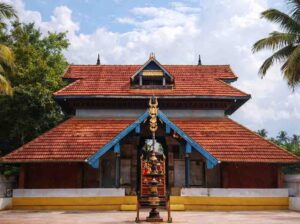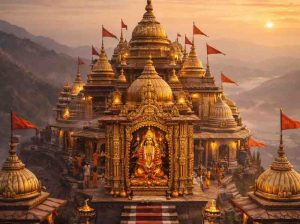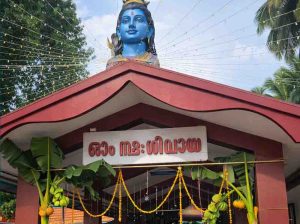


Makar Sankranti, one of India’s most widely celebrated festivals, marks a significant astronomical and seasonal transition and is observed across the country with prayers, traditional foods, and community celebrations. Unlike most Hindu festivals based on the lunar calendar, Makar Sankranti follows the solar calendar and is celebrated every year around January 14.
The festival signifies the Sun’s entry into Capricorn (Makara Rashi) and the beginning of its northward movement, known as Uttarayan, a phase considered highly auspicious in Hindu belief.
What Is the Significance of Makar Sankranti?
According to traditional beliefs and astronomical understanding, Makar Sankranti marks the end of the winter solstice period. From this day onward, daytime gradually increases, and temperatures begin to rise across the Indian subcontinent.
This transition is symbolically associated with:
- The movement from darkness to light
- The arrival of positive energy
- A period of growth and renewal
Because of its solar alignment, the date of Makar Sankranti remains almost fixed every year.
A Major Harvest Festival Across India
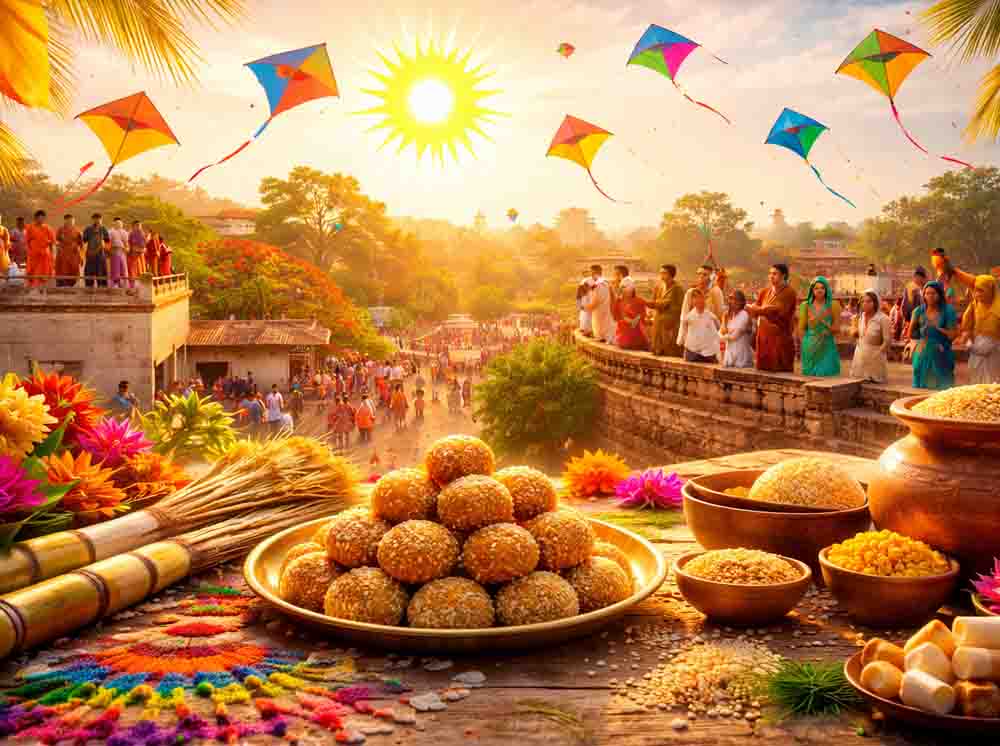
Makar Sankranti is also celebrated as a harvest festival, especially in agricultural regions.
Farmers mark the completion of the winter harvest and express gratitude for:
- Fertile land
- Favorable weather
- Abundant crops
Freshly harvested grains, sesame seeds, and jaggery are widely used in festive dishes, reflecting the season’s produce.
Religious Observances and Spiritual Beliefs
On Makar Sankranti, millions of devotees take part in religious rituals:
- Holy baths on revered rivers including the Godavari, Yamuna, and Ganga
- Charitable acts (daan) involving food, clothes, and essential items
- Special prayers dedicated to the Sun God (Surya)
Religious texts consider acts of charity and devotion on this day especially rewarding.
Cultural Traditions and Public Celebrations
Across India, Makar Sankranti is celebrated with regional customs:
- Kite flying festivals, particularly in Gujarat and Rajasthan
- Distribution of til-gud (sesame and jaggery sweets) symbolizing harmony and goodwill
- Homes decorated with rangoli and festive motifs
The festival fosters social bonding and community participation.
Known by Different Names in Different States
While the essence remains the same, Makar Sankranti is known by various regional names:
- Pongal in Tamil Nadu
- Lohri in Punjab
- Uttarayan in Gujarat
- Magh Bihu in Assam
- Khichdi in Uttar Pradesh and Bihar
Each celebration reflects local culture while honoring the same solar transition.
Why Makar Sankranti Remains Relevant Today
In modern times, Makar Sankranti continues to hold relevance by highlighting:
- The importance of seasonal cycles
- Respect for nature and agriculture
- The value of gratitude and sharing
As communities gather to celebrate, the festival serves as a reminder of India’s deep connection with nature and tradition.
Conclusion
Makar Sankranti is celebrated to mark the Sun’s movement into Capricorn, the start of longer days, and the harvest season. Blending astronomy, agriculture, and spirituality, the festival stands as a symbol of hope, renewal, and positivity across India.

Disclaimer
The information provided by Web Arbiter (‘we’, ‘us’, or ‘our’) on https://webarbiter.in/ . The website is for general informational purposes only. All information on the Site is provided in good faith, however we make no representation or warranty of any kind, express or implied, regarding the accuracy, adequacy, validity, reliability, availability, or completeness of any information on the Site. UNDER NO CIRCUMSTANCE SHALL WE HAVE ANY LIABILITY TO YOU FOR ANY LOSS OR DAMAGE OF ANY KIND INCURRED AS A RESULT OF THE USE OF THE SITE OR RELIANCE ON ANY INFORMATION PROVIDED ON THE SITE. YOUR USE OF THE SITE AND YOUR RELIANCE ON ANY INFORMATION ON THE SITE IS SOLELY AT YOUR OWN RISK. Read Full Disclaimer