
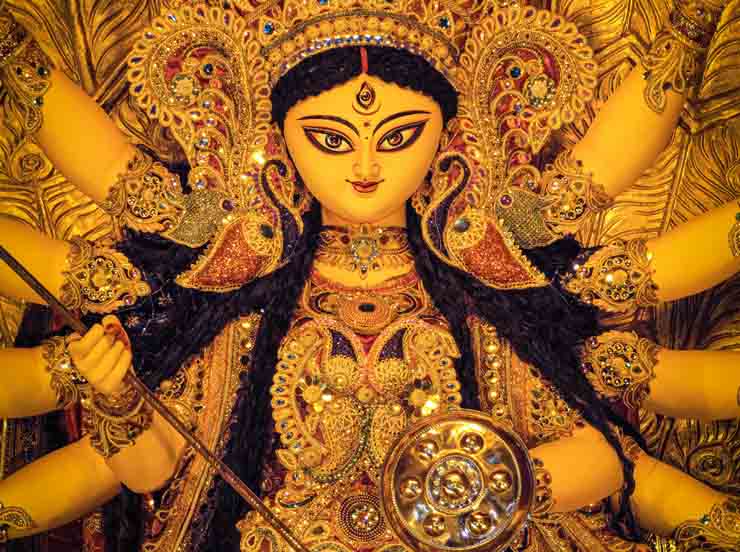

Navdurga refers to the nine divine forms of Goddess Durga, worshipped during the festival of Navratri. Each form represents a different aspect of the goddess, symbolizing power, protection, wisdom, and spiritual evolution. These forms are honored over the nine nights of Navratri, with each day dedicated to one avatar.
Here is a brief description of each of the Navdurga forms:
1. Shailaputri (Daughter of the Mountain)
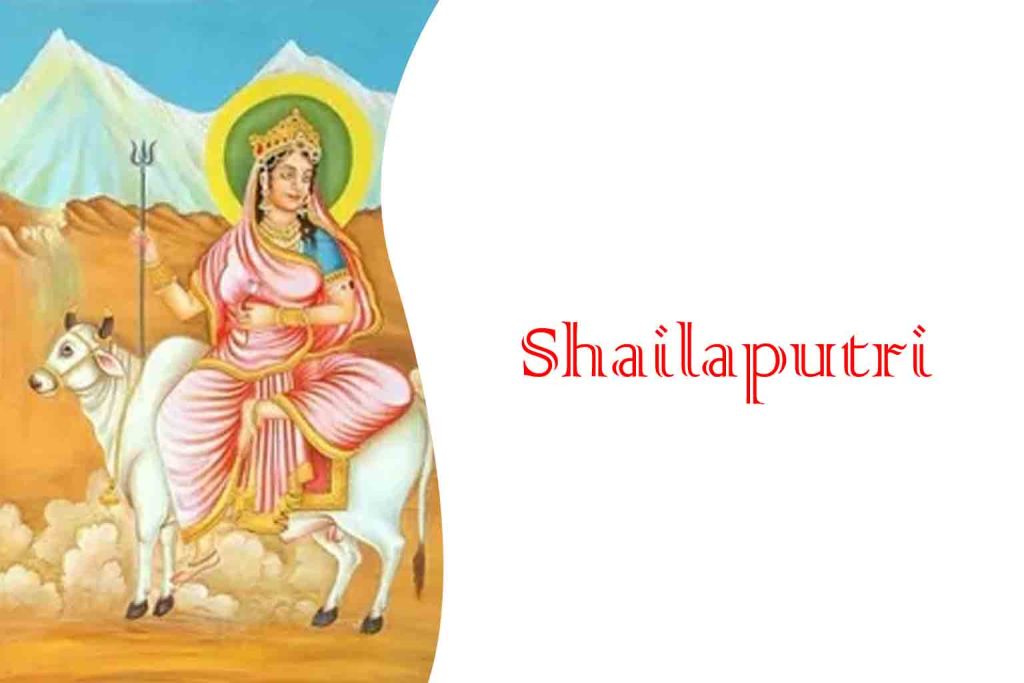
- Day 1 of Navratri
- Shailaputri is the daughter of King Himavan, the king of the Himalayas.
- She is a form of Parvati and represents nature and strength.
- Shown holding a lotus in one hand and a trident in the other while riding a bull (Nandi).
- She symbolizes the beginning of spiritual awakening and devotion.
Goddess Shailaputri, the first Navadurga form, governs the Moon, stabilizing emotions and mental peace. Worshipping her removes negative lunar influences, balancing the mind and heart. She protects devotees from planetary afflictions, bringing harmony, courage, and strength, ensuring stability in life’s journey while warding off harmful cosmic effects.
2. Brahmacharini (The Ascetic)
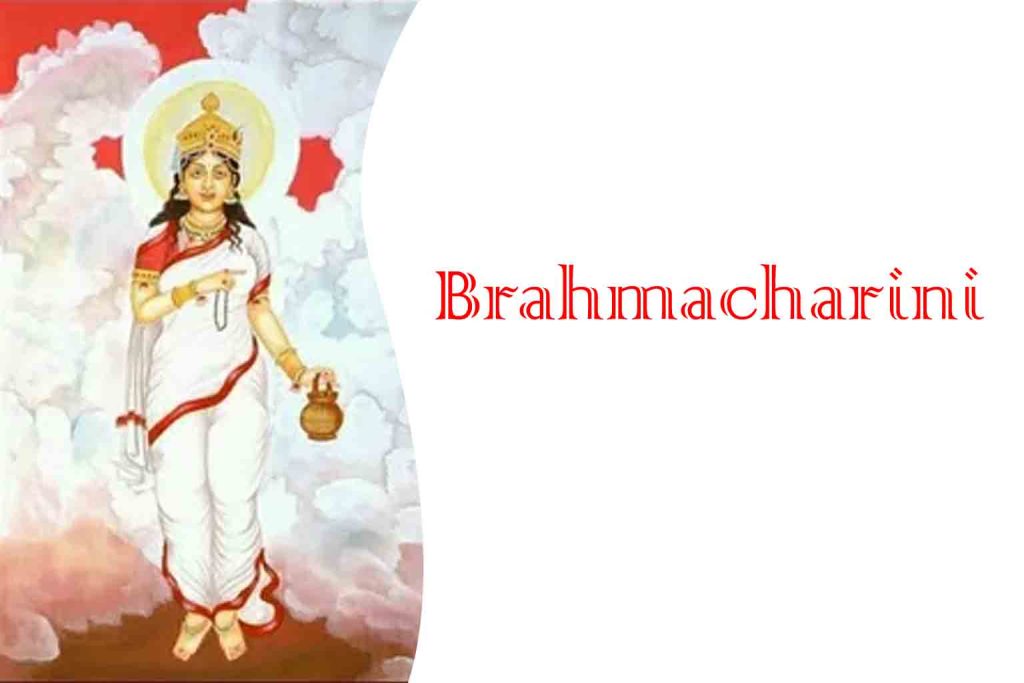
- Day 2 of Navratri
- This form represents Parvati in her phase of deep meditation and penance to attain Shiva.
- She embodies devotion, sacrifice, and determination.
- Depicted walking barefoot, holding a japa mala (rosary) in one hand and a kamandalu (water pot) in the other.
- Her calm and serene nature inspires discipline and perseverance.
Goddess Brahmacharini, the second Navadurga form, governs Mars, symbolizing perseverance, discipline, and courage. Worshipping her reduces malefic effects of Mars, such as anger, conflicts, and impulsiveness. She blesses devotees with strength, wisdom, and emotional balance, protecting them from planetary obstacles and guiding them toward success, harmony, and spiritual growth.

3. Chandraghanta (Bearer of the Moon Bell)
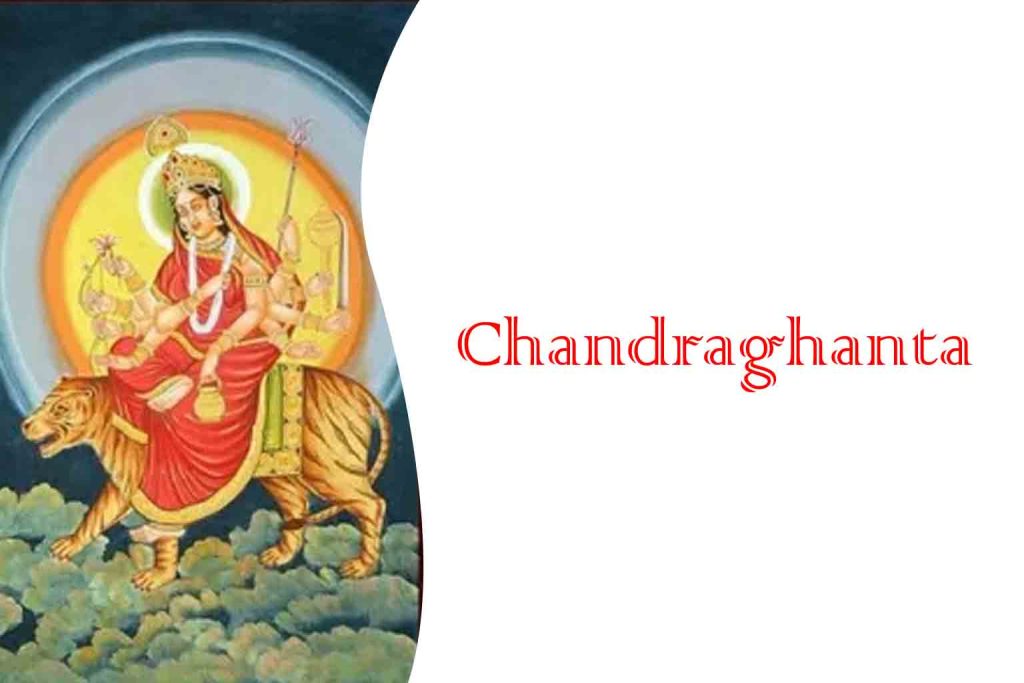
- Day 3 of Navratri
- After marrying Lord Shiva, Parvati assumed this fierce form.
- She has a half-moon on her forehead shaped like a bell (ghanta), hence the name.
- Rides a tiger, symbolizing bravery.
- She has ten hands holding various weapons, and she protects her devotees from evil.
- Chandraghanta reflects courage and readiness for battle against injustice.
Goddess Chandraghanta, the third Navadurga form, governs Venus and embodies peace, bravery, and grace. Worshipping her removes Venus-related afflictions like disharmony, financial instability, and emotional turbulence. Her blessings bring courage, prosperity, and harmony, protecting devotees from negative planetary influences while fostering strength, serenity, and balanced relationships.

4. Kushmanda (The Cosmic Creator)
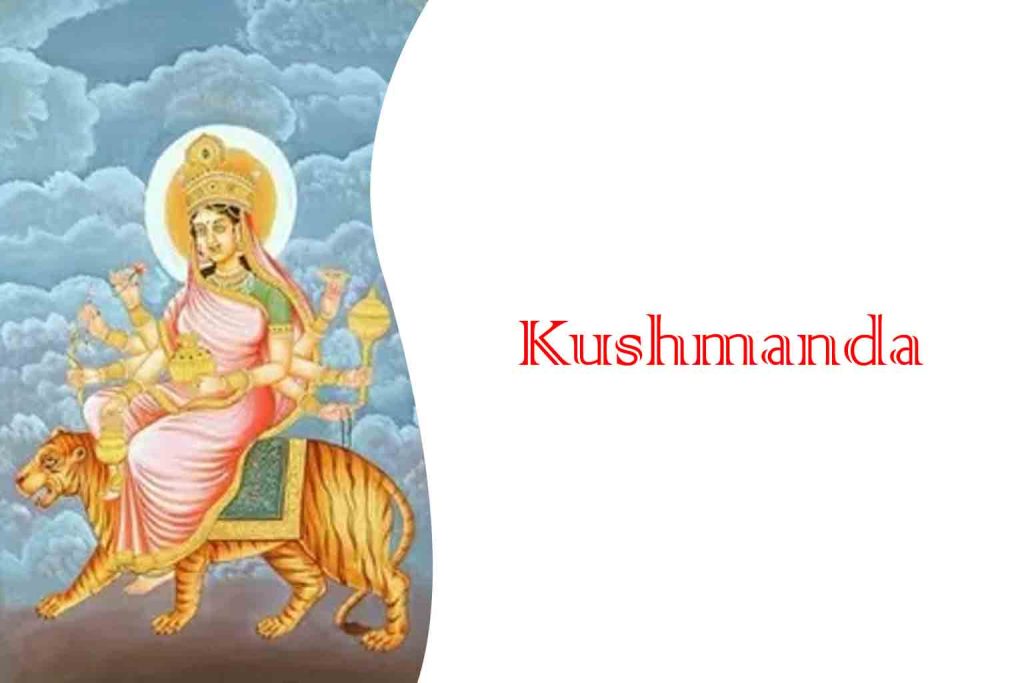
- Day 4 of Navratri
- Her heavenly grin is thought to have created the universe.
- Resides in the core of the sun, energizing all beings.
- Rides a lion and has eight arms holding weapons and a rosary.
- Her name means “little warm cosmic egg,” symbolizing the origin of creation.
- She represents the creative power of the goddess.
Goddess Kushmanda, the fourth Navadurga form, governs the Sun and symbolizes creation, vitality, and energy. Worshipping her mitigates malefic solar effects like ego, health issues, or obstacles to success. She blesses devotees with strength, confidence, and prosperity, protecting them from planetary harm and illuminating their path with positivity and power.
5. Skandamata (Mother of Skanda/Kartikeya)
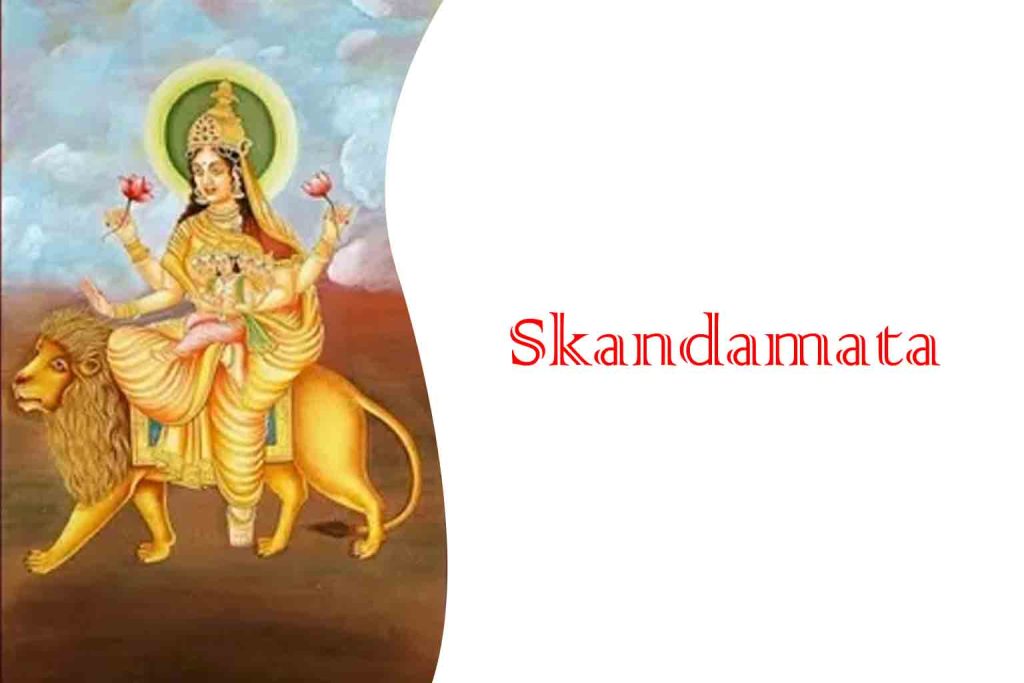
- Day 5 of Navratri
- The mother of Lord Kartikeya (Skanda), the commander of the divine army.
- She rides a lion and carries baby Skanda in her lap.
- Has four arms, two holding lotuses, one in blessing, and one holding Skanda.
- Represents motherly love, strength, and the nurturing aspect of the Divine Mother.
Goddess Skandamata, the fifth Navadurga form, governs Mercury and symbolizes wisdom, motherhood, and harmony. Worshipping her reduces Mercury-related afflictions like communication issues, nervousness, or intellectual confusion. She blesses devotees with clarity, knowledge, and peace, protecting them from harmful planetary effects while fostering growth, stability, and balanced relationships.

6. Katyayani (Warrior Goddess)
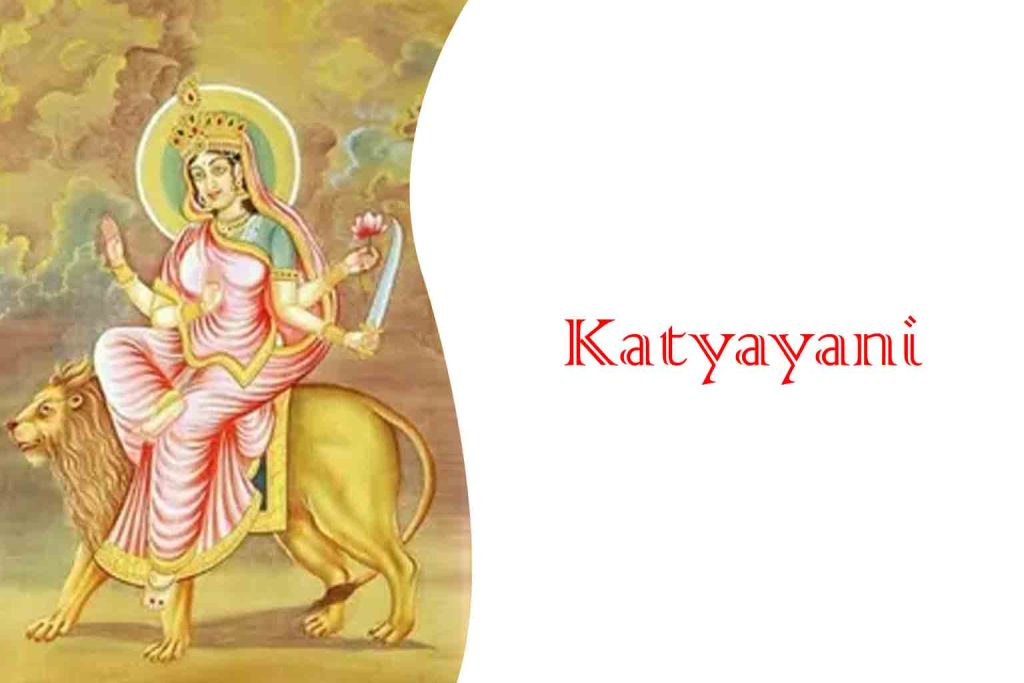
- Day 6 of Navratri
- Born as the sage Katyayana’s daughter following his rigorous penance.
- A fierce form created to defeat the demon Mahishasura.
- Rides a lion and carries a sword and other weapons.
- Symbolizes valor, righteousness, and divine justice.
- She is a destroyer of evil and protector of dharma.
Goddess Katyayani, the sixth Navadurga form, governs Jupiter and represents courage, righteousness, and divine power. Worshipping her reduces Jupiter-related afflictions like obstacles in knowledge, prosperity, or relationships. She blesses devotees with wisdom, strength, and harmony, protecting them from adverse planetary effects and guiding them toward success, virtue, and spiritual fulfillment.
7. Kalaratri (The Dark Night)
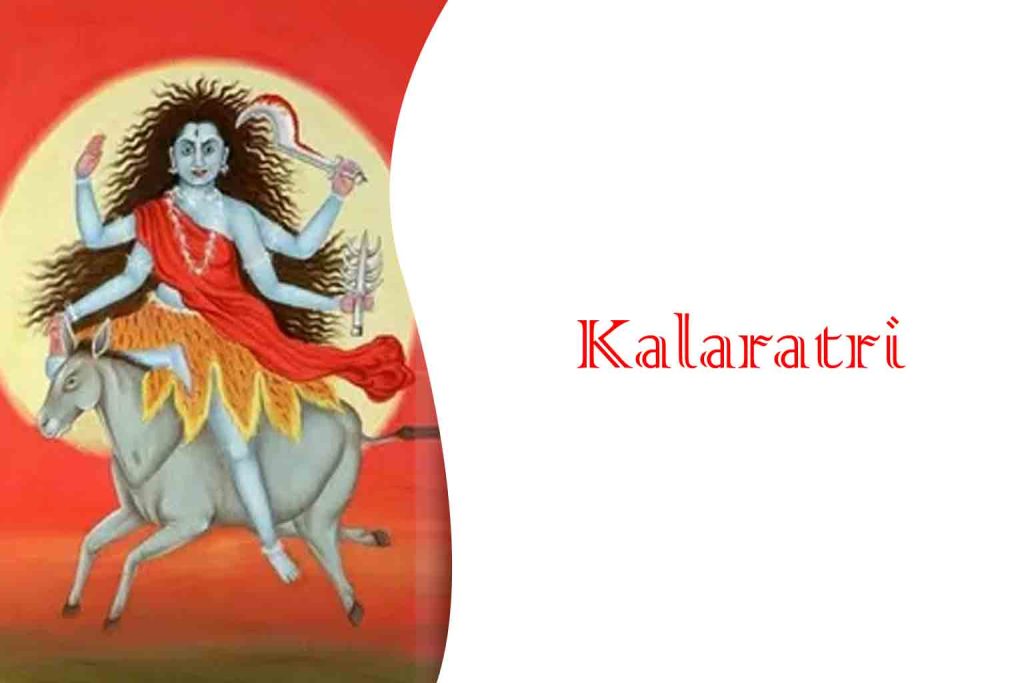
- Day 7 of Navratri
- The most fierce and terrifying form of Durga.
- She has a dark complexion, unkempt hair, and rides a donkey.
- She has four hands – two hold a sword and an iron hook, and the other two are in blessing and fear-removal gestures.
- She destroys ignorance, darkness, and all negative forces.
- Though terrifying in appearance, she blesses devotees with courage and protection.
Goddess Kalaratri, the seventh Navadurga form, governs Saturn and embodies fierce protection, courage, and destruction of negativity. Worshipping her alleviates Saturn-related afflictions like delays, hardships, or fear. She shields devotees from evil forces, planetary obstacles, and misfortune, granting resilience, inner strength, and liberation from karmic burdens.
8. Mahagauri (The Radiant One)
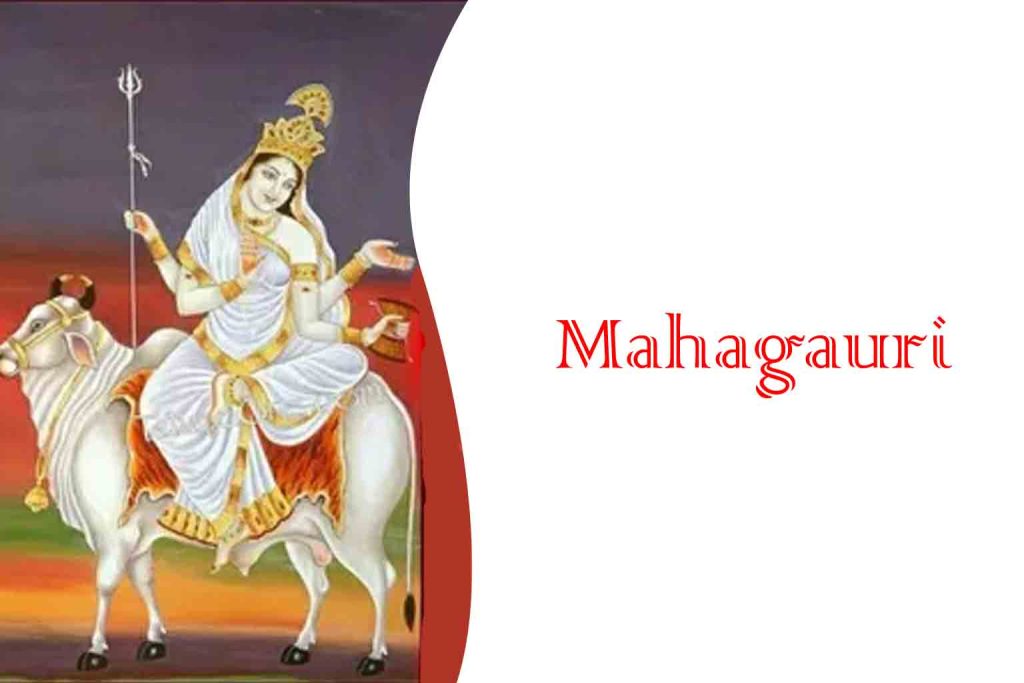
- Day 8 of Navratri
- A calm and peaceful form of Parvati after she bathed in the Ganga and regained her fair complexion.
- Rides a bull and has four arms – holding a trident and damaru (drum), and showing blessing and fearlessness mudras.
- She symbolizes purity, peace, and spiritual fulfillment.
- Worshipping her leads to the removal of sins and inner cleansing.
Goddess Mahagauri, the eighth Navadurga form, governs Rahu and represents purity, serenity, and forgiveness. Worshipping her pacifies Rahu-related afflictions like confusion, anxiety, or sudden obstacles. She blesses devotees with clarity, peace, and stability, protecting them from harmful planetary influences and guiding them toward harmony, spiritual growth, and prosperity.
9. Siddhidatri (Bestower of Siddhis)
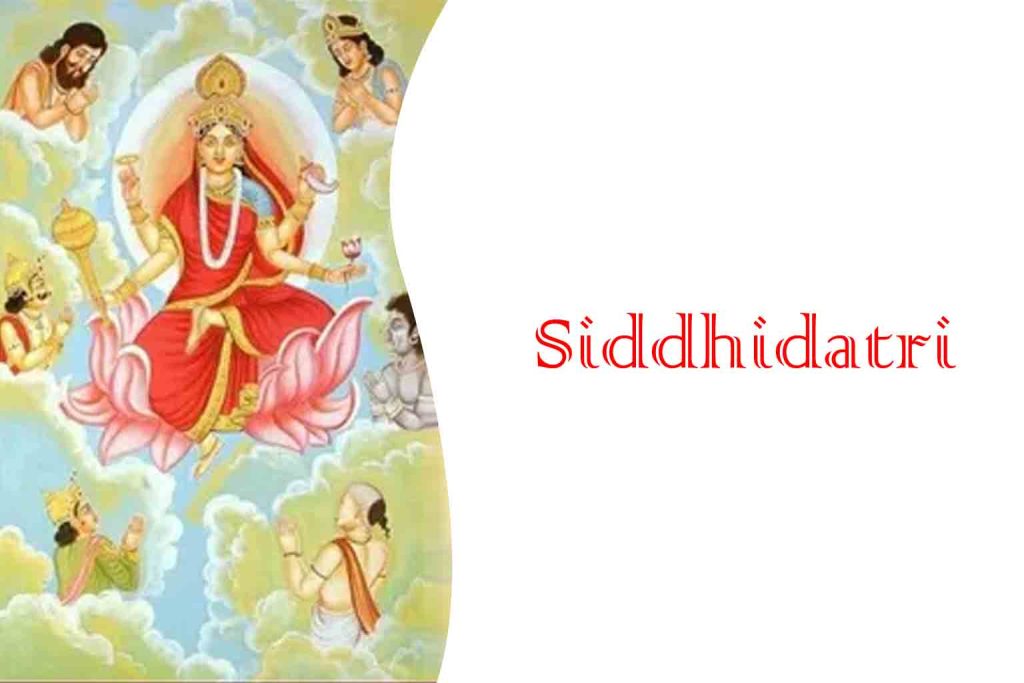
- Day 9 of Navratri
- The final form of Durga who grants supernatural powers (siddhis) to her devotees.
- She is worshipped by humans, gods, and even celestial beings.
- Seated on a lotus or a lion, she has four arms holding a mace, chakra, shankh (conch), and lotus.
- Siddhidatri completes the Navdurga journey by offering enlightenment and divine grace.
Goddess Siddhidatri, the ninth Navadurga form, governs Ketu and embodies divine wisdom, supernatural powers, and fulfillment. Worshipping her reduces Ketu-related afflictions like detachment, confusion, or sudden challenges. She blesses devotees with clarity, spiritual insight, and success, protecting them from adverse planetary effects while granting harmony, strength, and enlightenment.
Essential Do’s and Don’ts to Follow During Durga Puja
During Durga Puja, do participate in rituals with devotion, maintain cleanliness at pandals and homes, dress modestly, respect traditions, offer sincere prayers, and support eco-friendly idols and decorations. Spend time with family, share festive meals, and help the needy.
Don’t disrespect idols or rituals, litter pandal areas, wear inappropriate or offensive attire, or create unnecessary noise. Avoid consuming alcohol or non-vegetarian food near puja sites, and don’t interrupt ongoing prayers or cultural programs. Refrain from wasteful spending or activities that harm the environment. Celebrate responsibly, keeping the festival’s spiritual essence and community harmony intact.
Symbolism of Navdurga
Navdurga represents the evolution of the soul. From the initial steps of devotion and discipline (Shailaputri and Brahmacharini), through courage, creativity, and wisdom (Chandraghanta to Skandamata), to the ultimate destruction of ignorance and spiritual liberation (Kalaratri to Siddhidatri). Worshipping these nine forms helps one overcome ego, fear, and negativity, leading toward inner peace and enlightenment.
Image Attribution: www.wallpapers.com