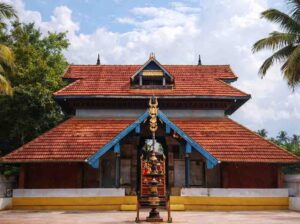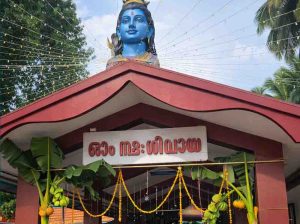

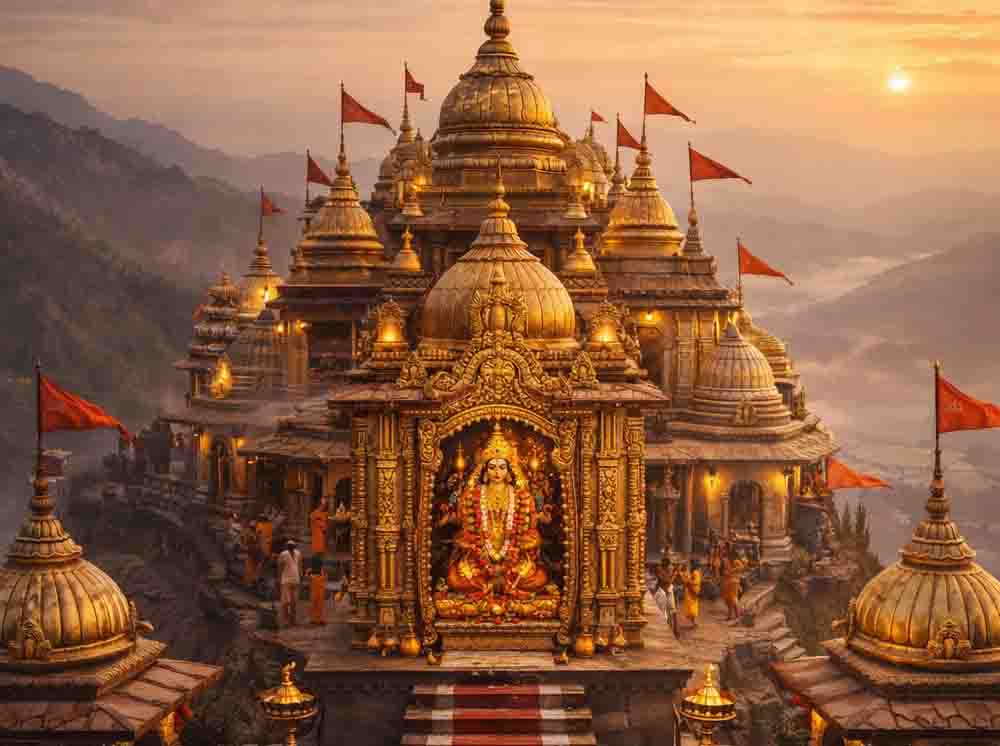

The Shakti Peethas (Sanskrit: शक्ति पीठ, “Seats of Power”) are some of the holiest shrines in Hinduism, revered as places where the cosmic feminine energy—Shakti—is worshipped in her many forms. They are central to Shaktism, one of Hinduism’s key traditions, and hold deep significance for devotees of Durga, Kali, Parvati, and other goddesses. These sacred sites embody the divine union of Shakti (energy) and Shiva (consciousness).
The 51 Shakti Peethas
1 Kamakhya – Guwahati, Assam
Kamakhya Temple in Guwahati, Assam, is a revered Shakti Peetha where Sati’s womb and yoni are believed to have fallen. Perched on Nilachal Hill, it symbolizes fertility and feminine power, famed for Tantric worship and the annual Ambubachi Mela festival.
2 Kalighat – Kolkata, West Bengal
Kalighat Temple in Kolkata, West Bengal, is a prominent Shakti Peetha where Sati’s right toes are believed to have fallen. Dedicated to Goddess Kali, it’s a major pilgrimage site symbolizing divine feminine power and an important center of Shakta worship.
3 Tarapith – Birbhum, West Bengal
Tarapith Temple in Birbhum, West Bengal, is a famous Shakti Peetha where Goddess Sati’s third eye is believed to have fallen. Dedicated to Maa Tara, it’s renowned for Tantric rituals, cremation-ground worship, and its association with mystic saints like Bamakhepa.
4 Kanchi Kamakshi – Kanchipuram, Tamil Nadu
Kanchi Kamakshi Temple in Kanchipuram, Tamil Nadu, is a revered Shakti Peetha where Sati’s navel is believed to have fallen. Dedicated to Goddess Kamakshi, it’s a major center of Shakta worship, famed for its grand Dravidian architecture and spiritual significance.
5 Jwalamukhi – Kangra, Himachal Pradesh
Jwalamukhi Temple in Kangra, Himachal Pradesh, is a renowned Shakti Peetha where Sati’s tongue is believed to have fallen. The temple is famous for its eternal blue flames emerging from rock fissures, symbolizing the goddess’s living energy and power.

6 Vaishno Devi – Trikuta Hills, Jammu
Vaishno Devi Temple in the Trikuta Hills of Jammu is a revered Shakti Peetha where Sati’s skull is believed to have fallen. Dedicated to Goddess Vaishno Devi, it symbolizes Mahakali, Mahalakshmi, and Mahasaraswati’s combined energies, attracting millions of pilgrims annually.
7 Vindhyavasini – Vindhyachal, UP
Vindhyavasini Temple in Vindhyachal, Uttar Pradesh, is a prominent Shakti Peetha where Sati’s heart is believed to have fallen. Dedicated to Goddess Vindhyavasini, an incarnation of Durga, it is a major pilgrimage site, especially during Navaratri celebrations.
8 Kankalitala – Birbhum, WB
Kankalitala Temple in Birbhum, West Bengal, is a sacred Shakti Peetha where Sati’s waist (kankal or skeleton) is believed to have fallen. Dedicated to Goddess Kankaleshwari, it’s an important pilgrimage site symbolizing divine feminine power and spiritual transformation.
9 Vishalakshi – Varanasi, UP
Vishalakshi Temple in Varanasi, Uttar Pradesh, is a revered Shakti Peetha where Sati’s earrings are believed to have fallen. Dedicated to Goddess Vishalakshi (“wide-eyed one”), it symbolizes compassion and protection, standing near the holy Ganga as a major Shakta pilgrimage site.
10 Manikarnika – Varanasi, UP
Manikarnika Ghat in Varanasi, Uttar Pradesh, is a sacred Shakti Peetha where Sati’s ear ornament (manikarna) is believed to have fallen. It’s both a revered cremation ground symbolizing life’s impermanence and a major pilgrimage site linked to Goddess Vishalakshi’s divine energy.
11 Chhinnamasta – Rajrappa, Jharkhand
Chhinnamasta Temple in Rajrappa, Jharkhand, is a powerful Shakti Peetha where Sati’s feet are believed to have fallen. Dedicated to Goddess Chhinnamasta, the self-decapitated form of Shakti, it is renowned for Tantric worship, symbolizing self-sacrifice, transformation, and divine feminine power.
12 Shrishailam – Andhra Pradesh
Srisailam Temple in Andhra Pradesh is a revered Shakti Peetha where Sati’s upper lip is believed to have fallen. Dedicated to Goddess Bhramaramba (a form of Shakti) and Mallikarjuna (a form of Shiva), it’s a major pilgrimage site blending Shaivism and Shaktism.
13 Hinglaj Mata – Balochistan, Pakistan
Hinglaj Mata Temple in Balochistan, Pakistan, is a revered Shakti Peetha where Sati’s head is believed to have fallen. Situated in a remote desert gorge, it’s a major pilgrimage site for Hindus, symbolizing divine feminine power and ancient spiritual traditions.
14 Nandikeshwari – Birbhum, WB
Nandikeshwari Temple in Birbhum, West Bengal, is a sacred Shakti Peetha where Sati’s necklace is believed to have fallen. Dedicated to Goddess Nandikeshwari, it symbolizes divine protection and power, attracting devotees seeking blessings for prosperity and spiritual growth.
15 Yogadaya – Kiratkona, WB
Yogadaya Temple in Kiratkona, West Bengal, is a revered Shakti Peetha where Sati’s great toe is believed to have fallen. Dedicated to Goddess Yogadaya, it is known for promoting spiritual practices, meditation, and yogic discipline, symbolizing divine energy and enlightenment.
16 Ratnavali – Karnataka
Ratnavali Temple in Karnataka is a Shakti Peetha where Sati’s right shoulder is believed to have fallen. Dedicated to Goddess Ratnavali, it symbolizes divine energy, protection, and prosperity, attracting devotees seeking blessings for spiritual growth and well-being.
17 Vibhasha – Tamluk, WB
Vibhasha Temple in Tamluk, West Bengal, is a sacred Shakti Peetha where Sati’s left ankle is believed to have fallen. Dedicated to Goddess Kapalini, it symbolizes spiritual strength and protection, attracting devotees for worship, rituals, and blessings.
18 Kanyakumari – Tamil Nadu
Kanyakumari Temple in Tamil Nadu is a revered Shakti Peetha where Sati’s back is believed to have fallen. Dedicated to Goddess Kanyakumari (an eternal virgin form of Shakti), it symbolizes purity, feminine power, and devotion, situated at India’s southernmost tip.
19 Bhairavi – Chhattisgarh
Bhairavi Temple in Chhattisgarh is a sacred Shakti Peetha where Sati’s left thigh is believed to have fallen. Dedicated to Goddess Bhairavi, it represents fierce divine energy, protection, and spiritual power, attracting devotees for worship and Tantric rituals.
20 Mahalakshmi – Kolhapur, Maharashtra
Mahalakshmi Temple in Kolhapur, Maharashtra, is a prominent Shakti Peetha where Sati’s eyes are believed to have fallen. Dedicated to Goddess Mahalakshmi, it symbolizes wealth, prosperity, and divine feminine power, attracting millions of devotees annually for worship and festivals
21 Mangal Chandika – Ujjain, MP
Mangal Chandika Temple in Ujjain, Madhya Pradesh, is a revered Shakti Peetha where Sati’s nose is believed to have fallen. Dedicated to Goddess Chandika, it symbolizes fierce protection, divine power, and victory over evil, attracting devotees for worship and rituals.
22 Srisailam – Andhra Pradesh
Srisailam Temple in Andhra Pradesh is a revered Shakti Peetha where Sati’s neck is believed to have fallen. Dedicated to Goddess Bhramaramba (Shakti) and Lord Mallikarjuna (Shiva), it is a major pilgrimage site blending Shaivism and Shaktism, known for spiritual and religious significance.
23 Kamgiri – Himachal Pradesh
Kamgiri Temple in Himachal Pradesh is a sacred Shakti Peetha where Sati’s cheeks are believed to have fallen. Dedicated to Goddess Kamgiri, it symbolizes divine feminine energy, protection, and spiritual power, attracting devotees for worship and Tantric rituals.
24 Meenakshi – Madurai, TN
Meenakshi Temple in Madurai, Tamil Nadu, is a revered Shakti Peetha where Sati’s chin is believed to have fallen. Dedicated to Goddess Meenakshi and Lord Sundareshwar, it symbolizes beauty, power, and fertility, renowned for its Dravidian architecture and grand festivals.
25 Bhabanipur – Bangladesh
Bhabanipur Temple in Bangladesh is a sacred Shakti Peetha where Sati’s left rib cage is believed to have fallen. Dedicated to Goddess Aparna, it symbolizes divine feminine power, protection, and spiritual strength, attracting devotees from across the region for worship and pilgrimage.
26 Ugratara – Assam
Ugratara Temple in Assam is a revered Shakti Peetha where Sati’s navel is believed to have fallen. Dedicated to Goddess Ugratara, it symbolizes fierce protective energy, spiritual power, and Tantric worship, attracting devotees seeking blessings for courage and divine guidance.
27 Prabhas Patan – Gujarat
Prabhas Patan Temple in Gujarat is a sacred Shakti Peetha where Sati’s stomach is believed to have fallen. Dedicated to Goddess Chandrabhaga, it symbolizes fertility, nourishment, and divine feminine energy, located near the famous Somnath Temple, attracting numerous pilgrims.
28 Jalandhar – Punjab
Jalandhar Temple in Punjab is a revered Shakti Peetha where Sati’s left breast is believed to have fallen. Dedicated to Goddess Tripurmalini, it symbolizes nurturing power, protection, and spiritual strength, attracting devotees for worship and blessings.
29 Katyayani – Vrindavan, UP
Katyayani Temple in Vrindavan, Uttar Pradesh, is a sacred Shakti Peetha where Sati’s hair is believed to have fallen. Dedicated to Goddess Katyayani, an incarnation of Durga, it symbolizes courage, protection, and divine feminine energy, attracting devotees during festivals like Navaratri.
30 Sankari Devi – Trincomalee, Sri Lanka
Sankari Devi Temple in Trincomalee, Sri Lanka, is a revered Shakti Peetha where Sati’s groin is believed to have fallen. Dedicated to Goddess Sankari, it symbolizes divine feminine energy, protection, and fertility, attracting pilgrims from Sri Lanka and India.
31 Sharvani – Nepal
Sharvani Temple in Nepal is a sacred Shakti Peetha where Sati’s upper lip is believed to have fallen. Dedicated to Goddess Sharvani, it symbolizes divine beauty, protection, and spiritual power, attracting devotees seeking blessings and engaging in Tantric worship.
32 Panchsagar – UP
Panchsagar Temple in Uttar Pradesh is a revered Shakti Peetha where Sati’s lower teeth are believed to have fallen. Dedicated to Goddess Varahi, it symbolizes fierce divine energy, protection, and spiritual power, attracting devotees for worship and Tantric rituals.
33 Mithila – Janakpur, Bihar/Nepal
Mithila Temple in Janakpur, Bihar/Nepal, is a sacred Shakti Peetha where Sati’s left shoulder is believed to have fallen. Dedicated to Goddess Uma, it symbolizes strength, devotion, and divine feminine power, attracting pilgrims for worship and spiritual guidance.
34 Ujjaini Mahakali – Telangana
Ujjaini Mahakali Temple in Telangana is a revered Shakti Peetha where Sati’s tongue tip is believed to have fallen. Dedicated to Goddess Mahakali, it symbolizes fierce protective energy, spiritual power, and victory over evil, attracting devotees for worship and festivals.
35 Vimala – Jagannath Puri, Odisha
Vimala Temple in Jagannath Puri, Odisha, is a sacred Shakti Peetha where Sati’s feet are believed to have fallen. Dedicated to Goddess Vimala, it symbolizes purity, protection, and divine feminine energy, integral to Jagannath Temple rituals and pilgrimages.
36 Purnagiri – Uttarakhand
Purnagiri Temple in Uttarakhand is a revered Shakti Peetha where Sati’s back skin is believed to have fallen. Dedicated to Goddess Purnagiri, it symbolizes divine feminine energy, protection, and spiritual power, attracting devotees for worship, meditation, and pilgrimage.
37 Mangal Chandika – Maharashtra
Mangal Chandika Temple in Maharashtra is a sacred Shakti Peetha where Sati’s left thigh is believed to have fallen. Dedicated to Goddess Chandika, it symbolizes fierce divine energy, protection, and victory over evil, attracting devotees for worship and Tantric rituals.
38 Kireet – Bangladesh
Kireet Temple in Bangladesh is a revered Shakti Peetha where Sati’s crown (kireet) is believed to have fallen. Dedicated to Goddess Vimala, it symbolizes divine authority, protection, and feminine power, attracting devotees for worship and spiritual blessings.
39 Patali Kamakhya – Assam
Patali Kamakhya Temple in Assam is a sacred Shakti Peetha where Sati’s genitals are believed to have fallen. Dedicated to Goddess Kamakhya in her underground form, it symbolizes fertility, divine feminine energy, and Tantric worship, attracting devotees seeking spiritual blessings.
40 Jaintia Hills – Meghalaya
Jaintia Hills Shakti Peetha in Meghalaya is a revered site where Sati’s fingers are believed to have fallen. Dedicated to Goddess Jayanti, it symbolizes divine protection, power, and spiritual energy, attracting pilgrims seeking blessings amidst the scenic hills and caves.
41 Magadh – Bihar
Magadh Temple in Bihar is a sacred Shakti Peetha where Sati’s knee is believed to have fallen. Dedicated to Goddess Sarvamangala, it symbolizes divine strength, protection, and spiritual power, attracting devotees for worship, rituals, and pilgrimage.
42 Lalita Devi – Prayagraj, UP
Lalita Devi Temple in Prayagraj, Uttar Pradesh, is a revered Shakti Peetha where Sati’s wrists are believed to have fallen. Dedicated to Goddess Lalita, it symbolizes divine feminine power, protection, and blessings, attracting devotees during festivals like Navaratri and Kumbh Mela.
43 Rajahmundry – Andhra Pradesh
Rajahmundry Shakti Peetha in Andhra Pradesh is a sacred site where Sati’s fingers are believed to have fallen. Dedicated to Goddess Markandeyi, it symbolizes divine energy, protection, and spiritual power, attracting devotees for worship and rituals along the Godavari River.
44 Guhyeshwari – Kathmandu, Nepal
Guhyeshwari Temple in Kathmandu, Nepal, is a revered Shakti Peetha where Sati’s hips are believed to have fallen. Dedicated to Goddess Guhyeshwari, it symbolizes divine feminine energy, protection, and spiritual power, closely associated with Pashupatinath Temple and Tantric worship.
45 Savitri – Pushkar, Rajasthan
Savitri Temple in Pushkar, Rajasthan, is a sacred Shakti Peetha where Sati’s hands are believed to have fallen. Dedicated to Goddess Savitri, it symbolizes purity, divine energy, and spiritual power, attracting devotees for worship, meditation, and scenic hilltop pilgrimage.
46 Ambika – Junagadh, Gujarat
Ambika Temple in Junagadh, Gujarat, is a revered Shakti Peetha where Sati’s elbows are believed to have fallen. Dedicated to Goddess Ambika, it symbolizes divine protection, strength, and feminine power, attracting devotees for worship, rituals, and spiritual blessings.
47 Chamundeshwari – Mysuru, Karnataka
hamundeshwari Temple in Mysuru, Karnataka, is a sacred Shakti Peetha where Sati’s fingers are believed to have fallen. Dedicated to Goddess Chamundi (Chamundeshwari), it symbolizes courage, protection, and divine feminine power, famed for slaying the demon Mahishasura.
48 Paraneswari – Kashmir
Paraneswari Temple in Kashmir is a revered Shakti Peetha where Sati’s chest skin is believed to have fallen. Dedicated to Goddess Paraneswari, it symbolizes divine protection, feminine energy, and spiritual power, attracting devotees for worship and rituals in the Himalayan region.
49 Rudrayani – Nepal
Rudrayani Temple in Nepal is a sacred Shakti Peetha where Sati’s hand is believed to have fallen. Dedicated to Goddess Rudrayani, it symbolizes divine feminine energy, protection, and spiritual power, attracting devotees for worship and Tantric rituals.
50 Kanyashram – Kerala
Kanyashram Temple in Kerala is a revered Shakti Peetha where Sati’s hair is believed to have fallen. Dedicated to Goddess Kanyashram, it symbolizes purity, divine feminine power, and spiritual protection, attracting devotees for worship and blessings.
51 Shonitpur – Assam
Shonitpur Temple in Assam is a sacred Shakti Peetha where Sati’s blood drops are believed to have fallen. Dedicated to Goddess Shonitkeshwari, it symbolizes divine feminine energy, protection, and spiritual power, attracting devotees for worship and Tantric rituals.
Summary
The Shakti Peethas are far more than a collection of temples—they are living symbols of the divine feminine’s presence on Earth. They weave together mythology, philosophy, geography, and devotion, reminding humanity of the sacred balance between energy and consciousness, creation and destruction, life and death. Visiting even one Peetha is believed to invoke the blessings of the Goddess, while honoring all 51 deepens one’s spiritual connection to the cosmic Mother.
In essence, the Shakti Peethas stand as timeless testaments to Shakti’s power: nurturing, fierce, protective, and transformative—the very heartbeat of the universe.
Disclaimer
The information provided by Web Arbiter (‘we’, ‘us’, or ‘our’) on https://webarbiter.in/ . The website is for general informational purposes only. All information on the Site is provided in good faith, however we make no representation or warranty of any kind, express or implied, regarding the accuracy, adequacy, validity, reliability, availability, or completeness of any information on the Site. UNDER NO CIRCUMSTANCE SHALL WE HAVE ANY LIABILITY TO YOU FOR ANY LOSS OR DAMAGE OF ANY KIND INCURRED AS A RESULT OF THE USE OF THE SITE OR RELIANCE ON ANY INFORMATION PROVIDED ON THE SITE. YOUR USE OF THE SITE AND YOUR RELIANCE ON ANY INFORMATION ON THE SITE IS SOLELY AT YOUR OWN RISK. Read Full Disclaimer