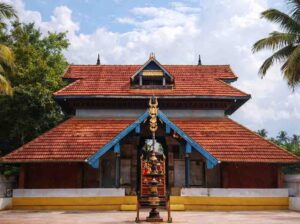

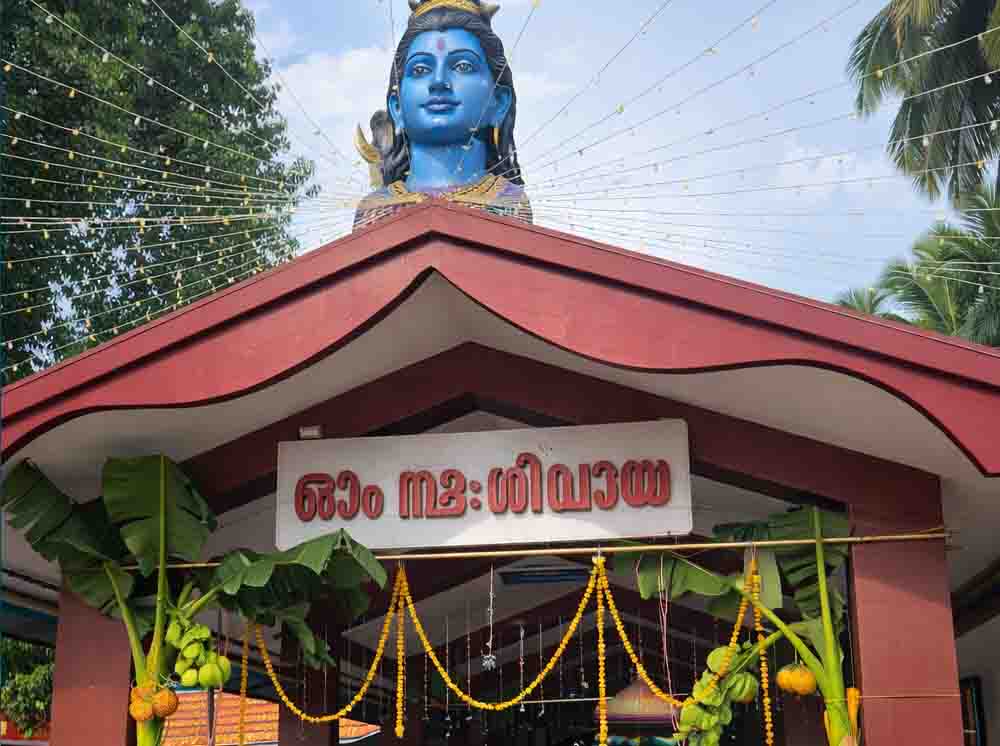

Thrikkandiyur Mahadeva Temple, located in the picturesque town of Tirur in the Malappuram district of Kerala, is one of the prominent Shiva temples of South India. It is deeply woven into the cultural, mythological, and spiritual fabric of Kerala. The temple stands as a significant landmark, both historically and religiously, representing the grandeur of Kerala’s ancient temple architecture and the depth of Hindu devotion. Dedicated to Lord Shiva, this temple is believed to have been consecrated by Lord Parasurama, the sixth incarnation of Lord Vishnu, who is credited with creating the land of Kerala itself.
Historical and Mythological Significance
The legend associated with Thrikkandiyur Mahadeva Temple is intertwined with the great tale of Lord Parasurama. According to the ancient texts and local beliefs, after creating Kerala by reclaiming land from the sea, Lord Parasurama installed 108 Shiva Lingams across the land to sanctify it. Thrikkandiyur Mahadeva Temple is one among these 108 sacred Shiva temples, often referred to as the 108 Shivalayas of Kerala. Each temple among these carries its own significance and divine story, and Thrikkandiyur holds a special position as it is believed to mark the point where Lord Shiva appeared to bless Parasurama.
Another mythological belief is that Lord Shiva resides here as Dakshinamurthy—the divine teacher and embodiment of knowledge. It is said that the Lord bestows wisdom upon his devotees and liberates them from ignorance. This makes the temple a place of immense spiritual importance for students and seekers of knowledge.
In some local legends, it is also said that this temple is associated with Sage Vyasa and Sage Agastya, who meditated here to gain divine insight. The presence of spiritual vibrations and the serene environment of the temple further affirm these beliefs.
Location and Surroundings
Thrikkandiyur Mahadeva Temple is situated near the banks of the River Tirur Puzha, which enhances the temple’s charm and sanctity. The gentle flow of the river and the lush greenery surrounding the temple create a tranquil atmosphere ideal for prayer and meditation. The location also holds historical relevance as Tirur is the birthplace of Thunchath Ezhuthachan, the father of the Malayalam language, making the region both a literary and spiritual hub.
Temple Architecture
The architecture of Thrikkandiyur Mahadeva Temple follows the traditional Kerala style, which emphasizes symmetry, woodwork, and harmony with nature. The temple complex is enclosed by a rectangular compound wall (prakaram), and the sanctum sanctorum (sreekovil) stands majestically at the center.
The sreekovil is circular in shape, which is characteristic of many ancient Shiva temples in Kerala. It is constructed with intricately carved granite and laterite stones, topped by a copper-plated conical roof. The sanctum houses the presiding deity — Lord Shiva in the form of a majestic Shiva Lingam. The idol is said to radiate divine energy, and devotees often describe a profound sense of peace upon entering the inner sanctum.
The namaskara mandapam (prayer hall) in front of the sanctum is a beautifully crafted wooden structure supported by granite pillars. The temple also features a chuttambalam (covered walkway around the sanctum), an anakkottil (platform for elephants during festivals), and a vilakkumadom (lighted lamp structure) that adds to its aesthetic and spiritual grandeur.
Wood carvings depicting episodes from Hindu epics such as the Ramayana and Mahabharata adorn the ceilings and beams. These artworks not only enhance the temple’s beauty but also serve as a medium of storytelling for devotees.

Deities and Worship
While Lord Shiva is the main deity, several sub-deities (upadevatas) are also worshipped within the temple premises. These include:
- Lord Ganapathy (Ganesha) – The remover of obstacles, often worshipped first before entering the main sanctum.
- Lord Ayyappa – Representing dharma and spiritual discipline.
- Lord Subramanya (Murugan) – The divine son of Lord Shiva, symbolizing valor and knowledge.
- Goddess Parvati – The consort of Lord Shiva, worshipped for marital harmony and prosperity.
- Nagaraja (Serpent Deity) – Representing fertility, protection, and the connection between humans and nature.
Daily rituals are conducted by Tantric priests following ancient Agamic traditions. The main poojas include Usha Pooja (morning worship), Ucha Pooja (midday), and Athazha Pooja (evening). Special rituals are conducted on Mondays and during Pradosham, which is considered highly auspicious for Lord Shiva.
Festivals and Celebrations
The temple celebrates several festivals with great devotion and grandeur. The major festival is the Mahashivaratri, observed in the Malayalam month of Kumbham (February–March). On this sacred night, devotees fast and stay awake, engaging in chanting, meditation, and devotional songs. The temple remains open all night, and thousands of devotees gather to witness the special Abhishekam (holy bathing) and Rudrabhishekam performed to honor Lord Shiva.
Another important festival is the Annual Temple Utsavam, which usually lasts for eight days. It includes Kodiyettam (flag hoisting), Pallivetta (symbolic hunting ritual), Aarattu (holy bath of the deity), and cultural programs featuring classical music, dance, and traditional art forms like Chenda Melam and Kathakali.
The Pradosha Vratham, observed twice a month, also draws a large number of devotees. Mondays (Somavaras) and the month of Karkidakam are considered highly sacred for Shiva worship here. Devotees offer special prayers and light oil lamps around the sreekovil, creating a mesmerizing atmosphere of divine radiance.
Cultural and Religious Importance
The Thrikkandiyur Mahadeva Temple is not only a spiritual destination but also a center of cultural and philosophical learning. The temple has historically been associated with Vedic studies and spiritual discourse. The Oottupura (feeding hall) attached to the temple was once a place where scholars and pilgrims were fed during festivals and religious events, symbolizing the temple’s commitment to charity and community welfare.
The temple’s management follows traditional customs while ensuring the preservation of its architectural and cultural heritage. Its festivals serve as a platform for promoting Kerala’s performing arts, maintaining a perfect blend of devotion and cultural expression.
The connection between the temple and Thunchath Ezhuthachan, who lived nearby, adds literary significance. It is believed that Ezhuthachan drew inspiration from the spiritual ambiance of Thrikkandiyur, and devotees often visit both his memorial and the temple in a single pilgrimage.
Spiritual Experience
Visiting the Thrikkandiyur Mahadeva Temple offers an experience of profound spiritual peace. The rhythmic sound of temple bells, the fragrance of incense, and the chanting of Shiva mantras create an atmosphere that calms the mind and elevates the soul. Many devotees believe that praying here helps overcome ignorance, removes sins, and brings wisdom and enlightenment — aligning with Lord Shiva’s manifestation as Dakshinamurthy.
The temple is also considered a Mukti Sthala (place of liberation), where sincere devotees can attain spiritual freedom through devotion, meditation, and knowledge.
How to Reach
Thrikkandiyur Mahadeva Temple is located about 2 km from Tirur town in Malappuram district.
- By Road: The temple is well connected by road from Kozhikode, Malappuram, and Thrissur. Regular buses and taxis are available.
- By Rail: Tirur railway station, one of the oldest in Kerala, is just a few kilometers away.
- By Air: The nearest airport is Calicut International Airport (Karipur), about 35 km from the temple.
Conclusion
Thrikkandiyur Mahadeva Temple stands as a symbol of Kerala’s timeless devotion to Lord Shiva. Blending mythological depth, architectural brilliance, and spiritual serenity, it embodies the essence of Kerala’s temple culture. For devotees and visitors alike, the temple offers not only a glimpse into the divine but also a journey into the rich heritage and enduring faith that define the land of gods.
Whether one seeks spiritual awakening, historical curiosity, or architectural admiration, Thrikkandiyur Mahadeva Temple remains a sacred destination that continues to inspire reverence and wonder through the ages.
Disclaimer
The information provided by Web Arbiter (‘we’, ‘us’, or ‘our’) on https://webarbiter.in/ . The website is for general informational purposes only. All information on the Site is provided in good faith, however we make no representation or warranty of any kind, express or implied, regarding the accuracy, adequacy, validity, reliability, availability, or completeness of any information on the Site. UNDER NO CIRCUMSTANCE SHALL WE HAVE ANY LIABILITY TO YOU FOR ANY LOSS OR DAMAGE OF ANY KIND INCURRED AS A RESULT OF THE USE OF THE SITE OR RELIANCE ON ANY INFORMATION PROVIDED ON THE SITE. YOUR USE OF THE SITE AND YOUR RELIANCE ON ANY INFORMATION ON THE SITE IS SOLELY AT YOUR OWN RISK. Read Full Disclaimer