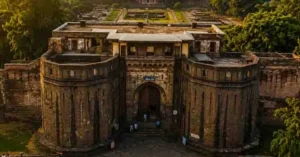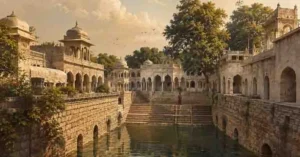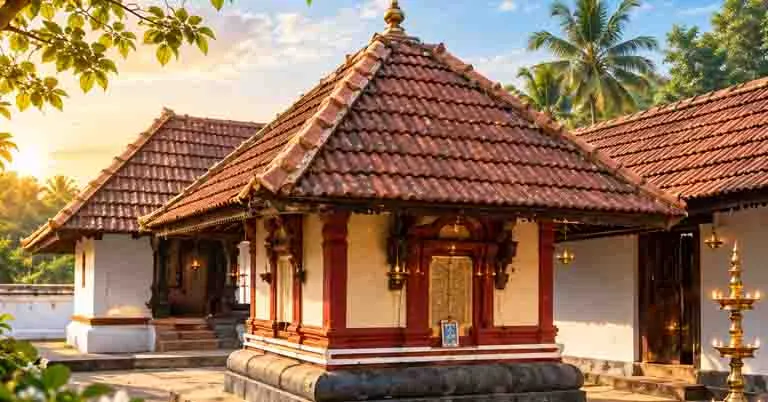


The “Land of Kings,” Rajasthan, is renowned for its regal past, golden deserts, magnificent palaces, and ageless customs. Yet, behind the grandeur of forts and vibrant festivals, the state holds stories that are chilling and mysterious. One such tale belongs to Kuldhara Village, located about 20 kilometers from Jaisalmer.
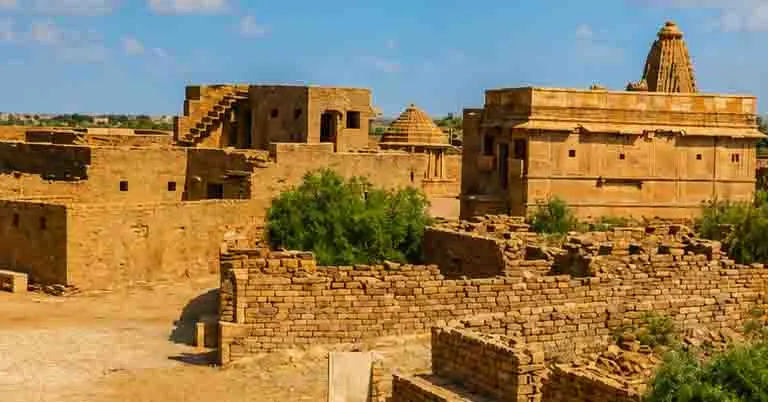
Once a prosperous settlement of the Paliwal Brahmins, Kuldhara now lies abandoned and desolate — a silent witness to a tragic past. The crumbling homes, empty streets, and eerie silence of this ancient village have earned it the reputation of “The Abandoned Ghost Village of Rajasthan.”
No one lives there anymore, and yet, locals believe unseen eyes watch over every visitor. The reason behind this mass desertion remains one of India’s greatest mysteries — a haunting blend of history, legend, and supernatural folklore.
Historical Background of Kuldhara Village
Kuldhara was established around the 13th century by the Paliwal Brahmins, a prosperous and well-respected community known for their intellect, agricultural innovation, and trade acumen. The village flourished under their leadership and soon became a model of prosperity in the desert.
The Paliwals were known for their advanced irrigation techniques. They built an intricate system of wells and canals, which allowed them to cultivate crops even in the harsh Thar Desert. For centuries, Kuldhara and its neighboring villages thrived as centers of learning, culture, and commerce.
However, in the early 19th century, this thriving village was abandoned overnight. The entire population — around 1,500 people — disappeared without leaving behind a single soul. Their sudden disappearance turned Kuldhara into a land of myths, whispers, and ghost stories that still haunt Rajasthan today.
The Legend – The Curse of Kuldhara
There are several theories about why Kuldhara was deserted, but the most popular one revolves around a curse born of injustice and oppression.
According to legend, during the early 1800s, the region was ruled by Salim Singh, the powerful and cruel Diwan (minister) of Jaisalmer. Known for his greed and tyranny, Salim Singh imposed heavy taxes on the villagers and often exploited them for his personal gain.
One day, Salim Singh set his eyes on the beautiful daughter of the village chief of Kuldhara. Mesmerized by her beauty, he declared his desire to marry her and threatened that if his demand was not met, he would tax and torture the entire community.
The proud and self-respecting Paliwal Brahmins were horrified. They could not allow one of their daughters to be taken by force, nor could they risk the wrath of the minister. So, in a bold and united decision, the villagers of Kuldhara and the nearby 83 villages decided to flee the region to protect their honor and dignity.
One moonless night, under the cover of darkness, the entire population vanished. No one saw where they went, and no one knows where they settled. Before leaving, however, they cursed the land, proclaiming that no one would ever be able to live in Kuldhara again.
Since that fateful night, Kuldhara has remained deserted, and every attempt to repopulate it has mysteriously failed. Locals believe the curse still holds power — a silent force that keeps humans away from calling Kuldhara home again.
Archaeological and Historical Evidence
While the legend of Salim Singh remains the most famous, historians and archaeologists have explored other possible explanations for Kuldhara’s abandonment.
- Water Scarcity:
Being located in the arid Thar Desert, the region may have faced extreme drought and shortage of water. As their wells dried up, survival would have become impossible, forcing the villagers to migrate. - Earthquakes or Natural Disaster:
Some researchers suggest that earthquakes or other natural calamities might have driven the inhabitants away. Traces of structural damage support this theory. - Trade Decline:
The once-thriving trade routes may have shifted, causing an economic downfall. With livelihoods at risk, the villagers might have moved in search of better opportunities. - Political Oppression:
The harsh rule of Salim Singh and increasing taxation could have made life unbearable, aligning partially with the folk legend.
Whatever the reason, the fact remains that the entire population vanished without a trace, leaving behind only ruins, whispers, and a powerful sense of mystery.

Architecture and Layout of Kuldhara Village
Even in its ruined state, Kuldhara’s architectural brilliance speaks volumes about its glorious past. The village is spread over 6 square kilometers, with around 400–500 houses built in traditional Rajasthani style using yellow sandstone, similar to the structures in Jaisalmer.
Key Features:
- Narrow Streets and Planned Layout: The village exhibits surprisingly urban planning for its time, with well-laid streets, drainage systems, and clusters of homes arranged symmetrically.
- Houses: The typical house had a central courtyard, multiple rooms, and intricately carved doorways — evidence of the Paliwal’s artistic taste and prosperity.
- Temple of Mother Goddess: At the center of the village stands a ruined temple, dedicated to the local deity. The temple still retains its sanctity, and visitors often light lamps or offer prayers.
- Wells and Stepwells: The remains of wells and stepwells show the Paliwals’ expertise in water management. Despite being centuries old, some of these wells still contain traces of water.
Today, as you walk through the broken doorways and silent streets, it feels as though time itself has stopped. The emptiness of the houses and the quiet desert wind give Kuldhara an aura that is both melancholic and mysterious.
The Paranormal Reputation of Kuldhara
Kuldhara’s eerie silence and haunting backstory have earned it the reputation of being one of the most haunted places in India.
Locals and tourists alike have reported unexplainable experiences — from hearing footsteps and whispers to feeling sudden drops in temperature. Many claim to sense an invisible presence watching them as they explore the ruins.
Even paranormal investigators have visited Kuldhara to study the site. Some teams have captured strange electromagnetic readings and unexplained movements during the night, although no concrete evidence of ghosts has ever been found.
The nearby villagers strongly believe that the spirits of the Paliwals still guard Kuldhara and do not allow anyone to stay there overnight. In fact, no one lives within the ruins, and overnight stays are strictly forbidden due to local superstition and safety concerns.
Modern Investigations and Scientific Explanations
While the supernatural theories dominate folklore, scientists and historians offer more rational explanations for Kuldhara’s mysterious aura.
- Acoustic and Environmental Illusions:
The open desert landscape and stone structures cause echoes and temperature variations that can create the illusion of whispers or shadows. - Psychological Influence:
Visitors arrive with preconceived notions of haunting. Their minds, already influenced by fear, interpret natural occurrences as supernatural. - Magnetic and Geological Activity:
Some experts suggest minor geological or magnetic anomalies might cause discomfort or dizziness, reinforcing the eerie reputation. - Cultural Memory:
The haunting of Kuldhara might be symbolic — representing collective memory and cultural trauma passed through generations.
Nonetheless, even science struggles to fully explain why no one has ever been able to settle permanently in Kuldhara since its abandonment. The mystery continues to challenge reason and invites endless speculation.
Tourism in Kuldhara
Today, Kuldhara Village is a protected heritage site maintained by the Archaeological Survey of India (ASI). It attracts thousands of visitors every year — history buffs, photographers, and paranormal enthusiasts all drawn to its haunting charm.
How to Reach:
Kuldhara is located around 20 km from Jaisalmer, easily accessible by car or taxi. The drive through the Thar Desert is scenic, with sand dunes and camel caravans dotting the horizon.
Best Time to Visit:
The ideal time to visit Kuldhara is during the winter months (October to February), when temperatures are pleasant. The site is open from 8 AM to 6 PM.
Visitor Experience:
- Explore the ruined homes, temples, and streets that paint a picture of ancient life.
- Climb the elevated areas for panoramic views of the desert.
- Visit around sunset, when the golden light enhances the eerie beauty of the ruins.
- Listen to the local guides, who narrate stories that blur the line between myth and history.
Despite its ghostly reputation, Kuldhara is safe to explore during the day and offers an unforgettable glimpse into Rajasthan’s mysterious past.
Efforts to Preserve Kuldhara
In recent years, the Rajasthan government and the Jaisalmer District Administration have taken initiatives to preserve Kuldhara as a heritage tourism site. Restoration efforts aim to stabilize the crumbling structures and build visitor-friendly facilities, without disturbing the authenticity of the site.
The village is also part of “Rajasthan’s Haunted Trail,” a tourism initiative that includes other mysterious locations like Bhangarh Fort and Roopkund Lake.
However, preservationists emphasize maintaining the sanctity and respect of the site, given its cultural and spiritual significance.
Cultural Significance and Symbolism
Kuldhara’s story is more than just a ghost tale — it’s a symbol of resistance, honor, and unity. The collective decision of the Paliwal Brahmins to abandon their homes rather than bow to tyranny reflects their courage and values.
The legend serves as a timeless reminder of the human spirit’s defiance in the face of injustice. For the people of Rajasthan, Kuldhara is not just haunted — it’s sacred, representing the souls of ancestors who chose dignity over oppression.

Kuldhara in Popular Culture
The eerie charm of Kuldhara has captured the imagination of filmmakers, writers, and paranormal researchers. It has featured in several Bollywood films, documentaries, and TV shows like Fear Files and Bhoot Aaya.
Numerous travel bloggers and ghost-hunting groups have documented their night-time explorations of the village, adding to its international fame as one of the world’s spookiest places.
Conclusion
Kuldhara Village stands as a hauntingly beautiful reminder of India’s mysterious past — a place where history, legend, and the supernatural intertwine. Whether abandoned due to a cruel ruler, a curse, or environmental hardship, the fact that it has remained lifeless for centuries continues to baffle historians and believers alike.
Walking through its silent streets, you can almost sense the whispers of the past — the laughter of children, the chants from temples, and the sudden stillness of a vanished people. Kuldhara’s story isn’t just about ghosts; it’s about honor, resilience, and the enduring mystery of human destiny.
As the golden sands of the Thar swirl around the ruins and the setting sun casts long shadows, Kuldhara seems to come alive — reminding every visitor that some places, no matter how deserted, can never truly be forgotten.
Disclaimer
The information provided by Web Arbiter (‘we’, ‘us’, or ‘our’) on https://webarbiter.in/ . The website is for general informational purposes only. All information on the Site is provided in good faith, however we make no representation or warranty of any kind, express or implied, regarding the accuracy, adequacy, validity, reliability, availability, or completeness of any information on the Site. UNDER NO CIRCUMSTANCE SHALL WE HAVE ANY LIABILITY TO YOU FOR ANY LOSS OR DAMAGE OF ANY KIND INCURRED AS A RESULT OF THE USE OF THE SITE OR RELIANCE ON ANY INFORMATION PROVIDED ON THE SITE. YOUR USE OF THE SITE AND YOUR RELIANCE ON ANY INFORMATION ON THE SITE IS SOLELY AT YOUR OWN RISK. Read Full Disclaimer