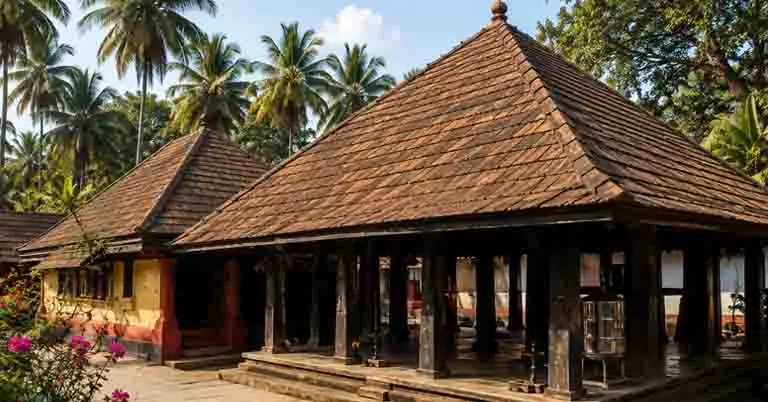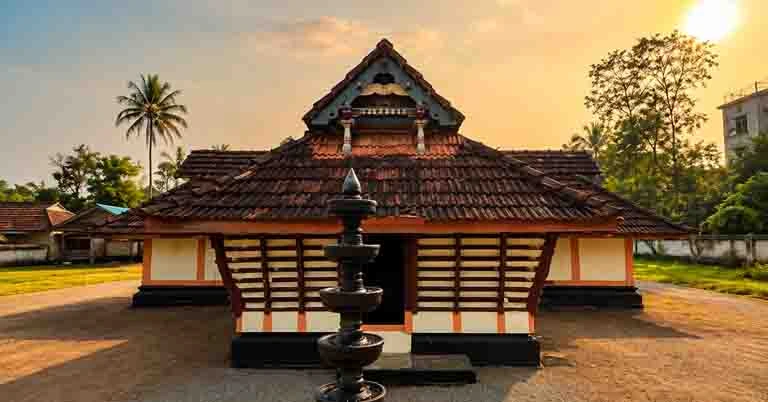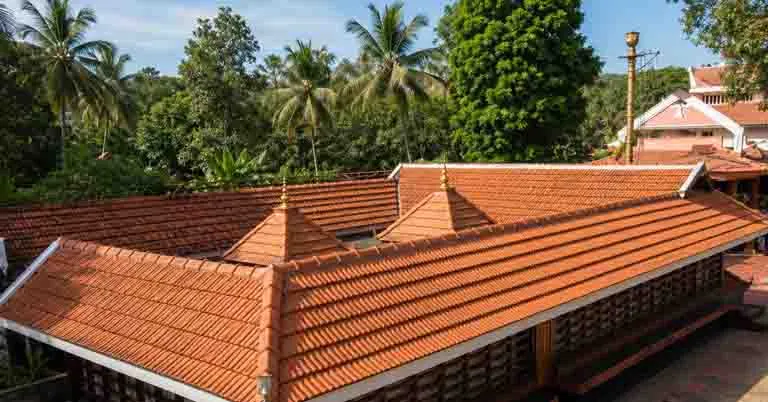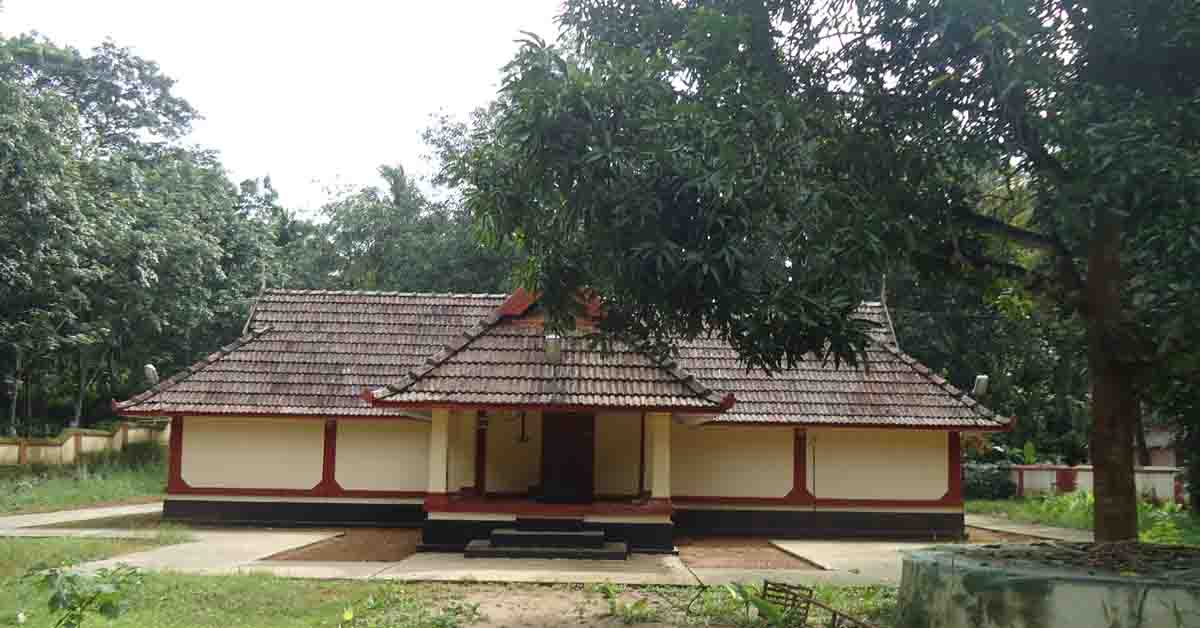
The Chirakkal Mahadeva Temple, located in the serene village of Chirakkal, near Kannur in the northern part of Kerala, is one of the ancient and revered temples dedicated to Lord Shiva. It holds a special place in the spiritual and cultural history of Kerala, especially within the Malabar region, known for its distinctive temple traditions and royal legacy. The temple is counted among the 108 Shiva temples believed to have been consecrated by Lord Parasurama, the divine warrior-sage and sixth incarnation of Lord Vishnu, who is said to have reclaimed land from the sea in order to establish Kerala.
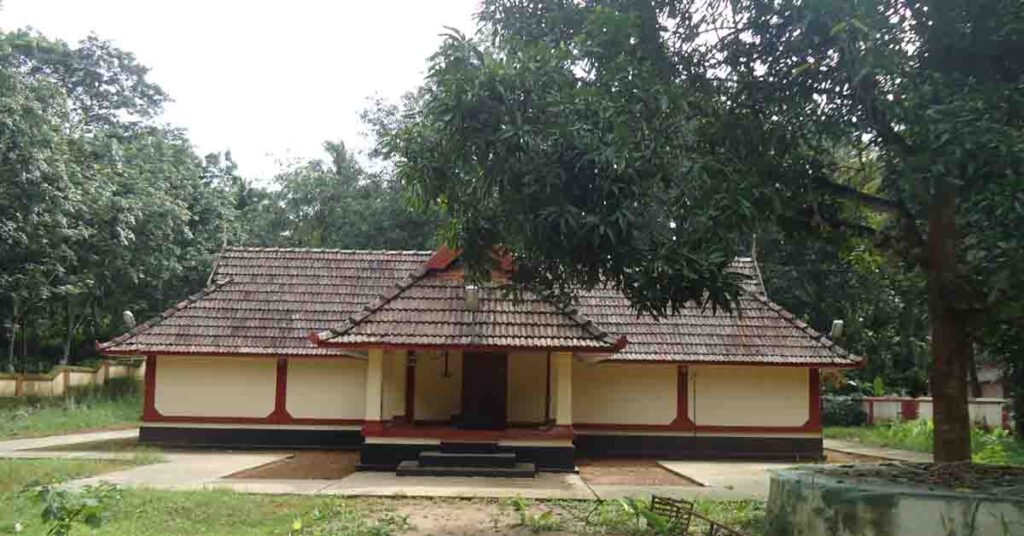
The temple stands as a living monument of devotion, artistry, and history, deeply interwoven with the royal lineage of the Chirakkal Raja family—one of the most influential royal houses in North Kerala. With its striking traditional architecture, lush surroundings, and profound spiritual aura, the Chirakkal Mahadeva Temple continues to attract thousands of devotees and spiritual seekers every year.
Historical and Mythological Background
The origin of the Chirakkal Mahadeva Temple is steeped in myth and divine significance. According to ancient legend, Lord Parasurama, after reclaiming Kerala from the sea, installed 108 Shiva Lingams across the land to sanctify and balance the energies of the newly created region. Each of these Lingams embodies a unique aspect of Lord Shiva — ranging from his benevolent form as Dakshinamurthy (the teacher of wisdom) to his fierce aspect as Rudra (the destroyer of evil). The Chirakkal Mahadeva Temple is said to represent Lord Shiva in his calm, meditative, and compassionate form.
Local folklore narrates that a sage performed penance at the spot where the temple stands today, seeking a vision of Lord Shiva. Deeply moved by the sage’s devotion, Lord Shiva manifested before him and blessed the land, making it a powerful spiritual center. It is believed that the Lingam in this temple is Swayambhu (self-manifested), radiating divine energy.
The temple’s close association with the Chirakkal royal family also adds historical depth. The rulers of Chirakkal, who once governed vast territories in North Malabar, considered Lord Shiva of this temple as their Kuladevata (family deity). They offered immense patronage to the temple, ensuring the continuation of its rituals, festivals, and architectural grandeur through centuries.
Location and Setting
Nestled amidst the tranquil greenery of Chirakkal, about 7 kilometers from Kannur town, the Mahadeva Temple stands as a serene spiritual haven. The temple’s location near backwaters and lush coconut groves enhances its natural beauty and sacred charm. The still waters surrounding the temple reflect the sanctum and trees, creating a divine and meditative atmosphere that aligns perfectly with the worship of Lord Shiva—the supreme yogi.
The temple is easily accessible from Kannur town and is located close to the Chirakkal Kovilakam (Palace), the seat of the erstwhile Chirakkal Raja. The proximity of the temple to the royal palace underlines its historical importance as both a religious and cultural hub of the region.
Architectural Grandeur
The Chirakkal Mahadeva Temple is an outstanding example of traditional Kerala temple architecture, characterized by its harmony with nature, spiritual symbolism, and intricate craftsmanship. Built mainly with granite, laterite, wood, and copper, the temple’s structure reflects the ancient architectural wisdom that blends aesthetic beauty with functionality and sanctity.
Sreekovil (Sanctum Sanctorum)
At the heart of the temple lies the Sreekovil, the sanctum sanctorum where the Shiva Lingam is installed. The Sreekovil is circular in shape (Vatta Sreekovil), a distinctive feature of many old Shiva temples in Kerala. The sanctum’s conical copper-plated roof, wooden walls, and laterite foundation ensure both durability and elegance. The deity faces east, symbolizing the direction of enlightenment and divine awakening.
The Lingam is said to be ancient, radiating immense spiritual energy, and worshipped with deep reverence. The interior of the sanctum is always perfumed with the scent of sandalwood paste, flowers, and camphor, creating an atmosphere of peace and divine presence.
Namaskara Mandapam
In front of the sanctum lies the Namaskara Mandapam, a square hall supported by beautifully carved wooden pillars. The ceiling of this hall is adorned with carvings depicting stories from Hindu mythology—especially scenes from the Shiva Purana and Ramayana. The Mandapam serves as the site for important rituals and poojas such as Rudrabhishekam and Homams.

Chuttambalam and Nalambalam
The temple complex is enclosed by a Chuttambalam (outer hall) that allows devotees to perform Pradakshina (circumambulation) around the sanctum. The Nalambalam houses smaller shrines dedicated to other deities, ensuring the holistic nature of worship in the temple.
Other Architectural Features
- Dwajasthambham (Flagstaff): A tall metal-covered flagstaff stands at the entrance, symbolizing divine communication between heaven and earth.
- Balikkal (Sacrificial Stone): Located in front of the sanctum, where offerings to the deity are placed.
- Vilakkumadom: A circular structure used for lighting rows of oil lamps during evening poojas, creating a mesmerizing glow.
- Temple Pond (Theertham): The temple has a large pond nearby, used for ritual purification and the Aarattu ceremony during festivals.
The overall design of the temple reflects a deep understanding of Vastu Shastra and Tantric principles, ensuring that every element of the complex contributes to spiritual harmony.
Deities and Sub-Shrines
While Lord Shiva is the presiding deity, the temple complex also enshrines several other deities, each symbolizing different aspects of divinity:
- Goddess Parvati (Devi Parameswari): The divine consort of Lord Shiva, representing grace, fertility, and maternal care.
- Lord Ganapathy (Ganesha): The remover of obstacles and the deity invoked before all auspicious undertakings.
- Lord Subramanya (Kartikeya): The son of Shiva and Parvati, symbolizing courage, wisdom, and righteousness.
- Lord Ayyappa: Representing celibacy and spiritual discipline.
- Naga Devatas: Serpent deities, believed to guard fertility and ancestral prosperity.
- Bhagavathi and Rakshasas: Guardian deities who protect the temple from evil influences.
Each of these sub-shrines is positioned strategically within the temple complex, maintaining balance in accordance with Tantric traditions.
Rituals and Poojas
The daily poojas and rituals of the Chirakkal Mahadeva Temple are performed according to the Tantric and Agamic traditions followed by Kerala’s Namboothiri Brahmins. The temple follows a strict ritual schedule to preserve the sanctity of the deity and the premises.
The main daily poojas include:
- Usha Pooja (Morning Worship) – Conducted at dawn to invoke divine energy.
- Ucha Pooja (Noon Offering) – Performed at mid-day, symbolizing nourishment and divine grace.
- Deeparadhana (Evening Lamp Offering) – Lamps are lit all around the sanctum, creating a divine illumination.
- Athazha Pooja (Night Offering) – The final ritual before closing the sanctum for the day.
Devotees also perform special offerings such as:
- Rudrabhishekam – Pouring holy substances like milk, honey, and ghee over the Shiva Lingam.
- Mrityunjaya Homam – A fire ritual for health and longevity.
- Swayamvara Pushpanjali – A floral offering seeking blessings for harmony and success.
- Chathussatham and Neyvilakku – Offerings of cooked rice and ghee lamps for prosperity.
Mondays and Pradosham days (observed twice a month) are particularly auspicious, and the temple witnesses heavy footfall on these occasions. Devotees chant the Shiva Panchakshari Mantra (“Om Namah Shivaya”) in devotion and surrender.
Festivals and Celebrations
The Chirakkal Mahadeva Temple is renowned for its vibrant festivals that combine devotion, art, and tradition. These festivals are deeply rooted in the agrarian and cultural life of the region.
1. Maha Shivaratri
The most important festival celebrated here, Maha Shivaratri falls in the Malayalam month of Kumbham (February–March). Devotees observe fasting, meditation, and night-long vigil (Jaagaranam) to honor Lord Shiva. The temple is adorned with oil lamps, and special rituals like Abhishekam, Alankaram, and Rudra Japam are performed throughout the night. Traditional art forms such as Thayambaka, Panchavadyam, and Kathakali add grandeur to the celebration.
2. Annual Temple Festival (Utsavam)
The temple’s annual festival usually extends for eight to ten days, featuring traditional rituals like Kodiyettam (flag hoisting), Pallivetta (symbolic hunting by the deity), and Aarattu (holy bath of the idol). The festival concludes with a grand procession (Ezhunnallathu) with decorated elephants, temple drums, and cultural performances.
3. Pradosham
Celebrated twice a month, Pradosham is an important occasion dedicated to Lord Shiva, symbolizing the time when He performs the cosmic dance of forgiveness. Special Rudra Abhishekam and lamp offerings are held on these evenings.
4. Thiruvathira
This festival, dedicated to the divine union of Shiva and Parvati, is observed mainly by women devotees. They perform Thiruvathirakali (traditional group dance) around the oil-lit lamps, praying for marital bliss and prosperity.
Other observances include Navaratri, Karkidaka Vavu Bali (ancestral offering), and Mandala Kalam rituals.
Cultural Significance
The Chirakkal Mahadeva Temple is not only a spiritual center but also a cultural nucleus for the people of North Malabar. Its annual festivals and rituals have preserved Kerala’s traditional art forms such as Theyyam, Thottam Pattu, Chakyar Koothu, and Ottan Thullal.
The temple has historically been supported by the Chirakkal Kovilakam, one of the royal houses that promoted temple arts, classical music, and Vedic education. The temple premises often hosted performances that celebrated devotion and preserved oral traditions of Hindu mythology.
Furthermore, the temple’s Annadanam (free food service) during festivals and special poojas continues the legacy of compassion and service, embodying the essence of Sanatana Dharma.
Spiritual Importance
The Chirakkal Mahadeva Temple holds immense spiritual potency. It is believed that worshipping Lord Shiva here removes all obstacles, grants mental peace, and purifies one’s karma. Devotees often testify to experiencing an overwhelming sense of calmness and divine connection upon entering the sanctum.
The serene setting of the temple, surrounded by nature, enhances meditation and introspection. For seekers of knowledge and spiritual progress, this temple serves as an ideal place to experience the eternal presence of Mahadeva, the destroyer of ignorance and the bestower of liberation (Moksha).
How to Reach
- Location: Chirakkal Mahadeva Temple, Chirakkal, near Kannur, Kerala.
- By Road: The temple is about 7 km from Kannur town and easily accessible by buses, taxis, and auto-rickshaws.
- By Rail: The nearest railway station is Kannur Railway Station, just 8 km away.
- By Air: The nearest airport is Kannur International Airport, located about 30 km from the temple.
Conclusion
The Chirakkal Mahadeva Temple stands as a magnificent symbol of Kerala’s Shaiva heritage — a sacred space where divinity, history, and culture converge. Its deep spiritual vibrations, ancient architecture, and grand festivals continue to inspire faith and devotion in countless hearts.
For devotees and travelers alike, visiting the Chirakkal Mahadeva Temple is not merely a religious experience but a soulful journey — one that connects them with the eternal energy of Lord Shiva, the supreme consciousness that governs the universe.

Disclaimer
The information provided by Web Arbiter (‘we’, ‘us’, or ‘our’) on https://webarbiter.in/ . The website is for general informational purposes only. All information on the Site is provided in good faith, however we make no representation or warranty of any kind, express or implied, regarding the accuracy, adequacy, validity, reliability, availability, or completeness of any information on the Site. UNDER NO CIRCUMSTANCE SHALL WE HAVE ANY LIABILITY TO YOU FOR ANY LOSS OR DAMAGE OF ANY KIND INCURRED AS A RESULT OF THE USE OF THE SITE OR RELIANCE ON ANY INFORMATION PROVIDED ON THE SITE. YOUR USE OF THE SITE AND YOUR RELIANCE ON ANY INFORMATION ON THE SITE IS SOLELY AT YOUR OWN RISK. Read Full Disclaimer