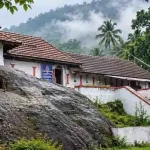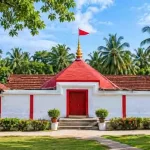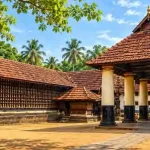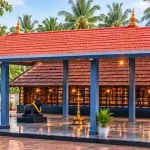
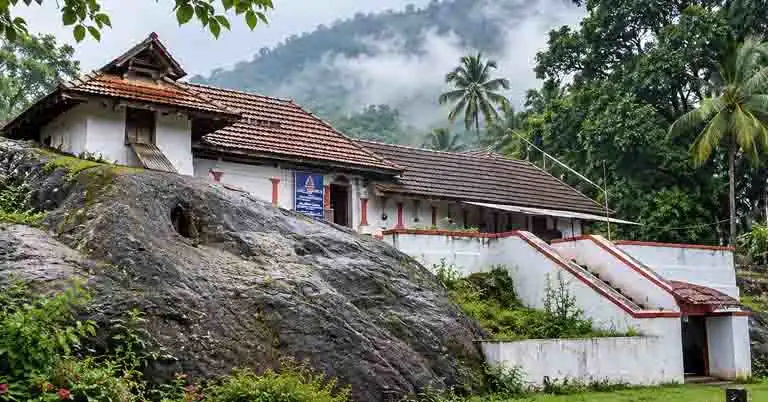

Nestled in the historic village of Thrikkur in the Thrissur district of Kerala, the Thrikkur Mahadeva Temple is a revered shrine dedicated to Lord Shiva. Celebrated for its spiritual sanctity, ancient heritage, and exquisite Kerala-style architecture, the temple has served as a focal point of Shaivite devotion for centuries. Surrounded by verdant coconut groves, serene riverbanks, and traditional Kerala homes, the temple provides devotees with an atmosphere of peace, reflection, and divine connection. Its rich history, elaborate rituals, and cultural legacy have made Thrikkur Mahadeva Temple a prominent pilgrimage site and an essential part of Kerala’s religious and cultural landscape.
Historical Background
Thrikkur Mahadeva Temple is considered one of the ancient Shiva temples of Kerala, with origins believed to date back several centuries. Though exact historical records are scarce, local legends, inscriptions, and oral traditions suggest that the temple was established by sages and devotees seeking the blessings of Lord Shiva, the supreme cosmic force.
According to legend, the temple was consecrated at a site where Lord Shiva manifested his divine presence to bless the local community and maintain the spiritual balance of the region. The temple is also believed to be part of the sacred network of 108 Shiva temples of Kerala, traditionally consecrated by the legendary sage Parasurama, reinforcing its religious importance and its appeal as a pilgrimage center.

Throughout history, Thrikkur Mahadeva Temple has received patronage from local rulers, royal families, and affluent devotees, who contributed to its upkeep, renovation, and expansion. These efforts have helped preserve the temple’s structural and spiritual integrity over centuries. Additionally, the temple historically functioned as a center for religious learning, cultural exchange, and community activities, solidifying its role as a spiritual and socio-cultural hub.
Architectural Features
The Thrikkur Mahadeva Temple is an exemplar of traditional Kerala temple architecture, known for its simplicity, elegance, and seamless integration with nature. Unlike the elaborate Dravidian temples of neighboring states, Kerala temples prioritize functionality, climatic adaptation, and spiritual symbolism.
The Sreekovil (sanctum sanctorum) enshrines the main deity, Lord Shiva, in the form of a Shivalinga, representing the cosmic forces of creation, preservation, and destruction. Constructed with laterite stone and granite, the sanctum is topped with a sloping terracotta-tiled roof designed to withstand the region’s heavy monsoon rains. Despite its modest appearance, the Sreekovil exudes a profound spiritual aura, drawing devotees into deep devotion and contemplation.
In front of the sanctum lies the Namaskara Mandapam, a hall used for performing rituals, prayers, and congregational ceremonies. The mandapam features intricately carved wooden pillars and beams adorned with motifs of deities, mythological scenes, and floral designs, reflecting the masterful craftsmanship of Kerala artisans. Surrounding the sanctum is a pradakshina path, allowing devotees to circumambulate the deity—a symbolic act of devotion, meditation, and alignment with cosmic principles.
The temple complex includes smaller shrines dedicated to Lord Ganesha, Lord Subramanya, Goddess Parvati, and other deities, enabling multi-deity worship within the sacred precinct. A temple pond (kulam) located within the complex serves both ritual purification and aesthetic purposes, enhancing the serene atmosphere. The groves and open spaces surrounding the temple offer a tranquil environment that facilitates meditation and spiritual reflection.
The temple entrance features a modest gopuram, adorned with intricate carvings of gods, celestial beings, and mythological episodes. The layout of the temple ensures natural ventilation and illumination, creating a sacred space that is both spiritually uplifting and architecturally harmonious.
Religious Significance and Beliefs
Thrikkur Mahadeva Temple holds profound spiritual significance for devotees of Lord Shiva. Worship at the temple is believed to remove obstacles, bestow prosperity, ensure family welfare, and promote spiritual development. The Shivalinga enshrined within the sanctum is considered a potent manifestation of Lord Shiva’s divine energy, capable of transmitting blessings to devoted worshippers.
The temple is especially sought after by those seeking remedies for health issues, family challenges, or professional obstacles. Devotees also engage in meditation, chanting of Shiva mantras, and ritual offerings to enhance their spiritual connection. The serene environment of the temple facilitates deep contemplation, inner peace, and a strengthened devotion.
Daily Rituals and Worship Practices
Thrikkur Mahadeva Temple follows Shaiva Agama rituals, a traditional system rooted in Vedic principles, combining ceremonial offerings, chanting, and devotional practices. Daily worship is meticulously conducted to maintain sanctity and spiritual energy within the temple complex.
Key rituals include:
- Nirmalyam: Early morning cleansing and decoration of the deity.
- Abhishekam: Ritualistic bathing of the Shivalinga with water, milk, honey, ghee, and sandal paste, symbolizing purification and divine grace.
- Usha Pooja: Morning prayers with offerings of flowers, incense, and bilva leaves.
- Nada Thurakkal: Opening of the temple doors for devotees, accompanied by conch blowing and bell ringing.
- Deepa Aradhana: Evening lamp offering, representing the dispelling of darkness and invocation of divine light.
- Athazha Pooja: Night-time ritual marking temple closure with prayers for protection and blessings.
Special rituals are performed on Pradosham days, Mondays, and during Maha Shivaratri, when devotees fast, offer ceremonial prayers, and participate in night-long worship to earn spiritual merit and divine favor.
Festivals and Celebrations
The most prominent festival celebrated at Thrikkur Mahadeva Temple is Maha Shivaratri, observed with fasting, night-long worship, and devotion. During the festival, the temple is adorned with lamps, flowers, and ceremonial decorations, creating a sacred and vibrant atmosphere. Devotees participate in abhishekam, chanting, and processions, symbolizing the spiritual awakening and the triumph of divine wisdom over ignorance.
Another significant festival is Thiruvathira, celebrated during the Malayalam month of Dhanu, commemorating Lord Shiva’s cosmic dance. Women devotees perform traditional dances, fast, and offer prayers for marital harmony and family prosperity. Other festivals, including Navaratri, Onam, and regional temple celebrations, blend devotional rituals with cultural performances such as Kathakali, Ottamthullal, and classical music recitals, reinforcing the temple’s role as a cultural and spiritual hub.

During these festivals, the temple becomes a focal point for spiritual, cultural, and social activities, fostering community engagement and preserving Kerala’s rich artistic traditions.
Cultural and Social Significance
Thrikkur Mahadeva Temple functions not only as a spiritual center but also as a cultural institution. The temple hosts performances of classical dance, music, and theatre during festivals, offering local artists a platform to sustain Kerala’s artistic heritage.
The temple administration also participates in social welfare initiatives, including educational support, charitable programs, and healthcare services for the community. By fulfilling these roles, the temple exemplifies the traditional purpose of Kerala temples as centers of spiritual guidance, social service, and cultural preservation.
Natural Surroundings and Pilgrimage Experience
Situated amidst lush greenery, temple ponds, and groves, Thrikkur Mahadeva Temple provides a serene environment conducive to meditation and spiritual reflection. Devotees often walk through the temple grounds, perform rituals, and engage in contemplation, experiencing a deep sense of calm and rejuvenation.
The integration of temple architecture with natural surroundings reflects Kerala’s traditional belief in the interconnectedness of divinity, humanity, and the environment. Visitors frequently report a profound sense of spiritual upliftment, inner peace, and a deeper connection with Lord Shiva after visiting the temple.
Preservation and Modern Enhancements
The temple has undergone careful restoration to maintain structural integrity while accommodating the needs of contemporary devotees. Renovations follow traditional Kerala architectural principles, using timber, laterite, and terracotta tiles, while modern amenities such as lighting, sanitation, and accessibility have been thoughtfully integrated.
Environmental sustainability is emphasized, particularly during festivals and large gatherings, ensuring the temple remains a sacred sanctuary without compromising ecological balance. These initiatives reflect a harmonious balance of tradition, devotion, and modern convenience.
Conclusion
Thrikkur Mahadeva Temple stands as a timeless symbol of devotion, spiritual heritage, and cultural continuity in Kerala. Its historical roots, architectural elegance, and vibrant religious practices make it a central hub of Shaivism in the Thrissur district. From sacred rituals and serene natural surroundings to elaborate festivals and cultural programs, the temple offers devotees an immersive spiritual experience.
For pilgrims and visitors, Thrikkur Mahadeva Temple provides an opportunity to connect with Lord Shiva, seek blessings for personal and communal well-being, and engage with Kerala’s rich spiritual and cultural traditions. The temple continues to inspire generations of devotees, preserving its sacred legacy while nurturing the spiritual, cultural, and social fabric of the community.
Through centuries of devotion, rituals, and cultural continuity, Thrikkur Mahadeva Temple remains a living testament to Lord Shiva’s enduring presence, inviting all who visit to experience its divine energy, participate in sacred practices, and absorb the timeless serenity of this ancient holy site.
Disclaimer
The information provided by Web Arbiter (‘we’, ‘us’, or ‘our’) on https://webarbiter.in/ . The website is for general informational purposes only. All information on the Site is provided in good faith, however we make no representation or warranty of any kind, express or implied, regarding the accuracy, adequacy, validity, reliability, availability, or completeness of any information on the Site. UNDER NO CIRCUMSTANCE SHALL WE HAVE ANY LIABILITY TO YOU FOR ANY LOSS OR DAMAGE OF ANY KIND INCURRED AS A RESULT OF THE USE OF THE SITE OR RELIANCE ON ANY INFORMATION PROVIDED ON THE SITE. YOUR USE OF THE SITE AND YOUR RELIANCE ON ANY INFORMATION ON THE SITE IS SOLELY AT YOUR OWN RISK. Read Full Disclaimer