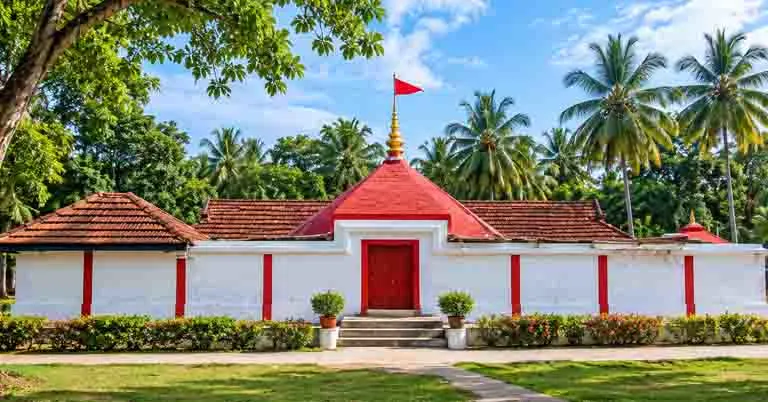

Located in the verdant landscapes of Thiruvananthapuram, Kerala, Kudappanakunnu Kunnathu Sri Mahadeva Temple is one of the revered shrines dedicated to Lord Shiva in the southern state of India. Perched atop the serene hillock of Kudappanakunnu, the temple is enveloped by lush greenery, rolling hills, and the tranquil whispers of nature, offering devotees a peaceful retreat for spiritual reflection and worship. Its scenic surroundings, combined with deep-rooted historical and religious significance, make it a treasured spiritual landmark in Kerala.
Historical Background
The origins of Kudappanakunnu Kunnathu Sri Mahadeva Temple date back several centuries, making it one of the ancient centers of Shaivite worship in Kerala. According to local traditions, the temple was established by devotees seeking the blessings of Lord Shiva for spiritual growth, protection, and the well-being of their community. Over the centuries, the temple gained prominence under the patronage of local rulers and influential families, who contributed to its renovation, expansion, and preservation.
Historical records and oral traditions suggest that the temple played a vital role in the religious and cultural life of the region. Scholars and devotees often link it to the broader network of 108 Shiva temples of Kerala, believed to have been consecrated by the sage Parasurama, the legendary founder of Kerala. These connections emphasize the temple’s significance as a spiritual hub and its enduring role in Kerala’s religious landscape.

Architectural Design and Layout
Kudappanakunnu Kunnathu Sri Mahadeva Temple exemplifies the classic architectural style of Kerala temples, blending functionality, spiritual symbolism, and harmony with the natural environment. Unlike the elaborate Dravidian architecture found in Tamil Nadu, Kerala temples favor simplicity and a design that complements the local climate, particularly the heavy monsoon rains.
The temple’s Sreekovil (sanctum sanctorum) houses the main deity, Lord Shiva, in the form of a Shivalinga, symbolizing the cosmic union of creation, preservation, and destruction. Constructed from granite and laterite stones, the Sreekovil features a gently sloping tiled roof supported by intricately carved wooden beams. The design ensures durability while providing aesthetic elegance, reflecting Kerala’s distinctive temple architecture.
In front of the sanctum is the Namaskara Mandapam, a square pavilion used for performing rituals and offering prayers. The mandapam’s wooden pillars and decorative carvings depict motifs of divine beings, mythological episodes, and nature-inspired designs, showcasing the craftsmanship of Kerala’s traditional artisans. Surrounding the main shrine, a circumambulatory path allows devotees to perform pradakshina, a ritual of walking around the deity in reverence, which is considered a crucial aspect of worship.
The temple complex also contains smaller shrines dedicated to deities such as Lord Ganesha, Lord Subramanya, and Goddess Parvati, enhancing the spiritual experience for devotees and providing avenues for multiple forms of worship. A sacred pond, or kulam, is situated within the temple grounds, serving as a site for ritual purification, ceremonial baths, and enhancing the overall sanctity of the premises.
Religious Significance and Beliefs
Kudappanakunnu Kunnathu Sri Mahadeva Temple holds immense spiritual significance for devotees of Lord Shiva. It is believed that sincere worship here can remove obstacles, grant prosperity, and bestow spiritual enlightenment. Devotees often visit seeking blessings for marital harmony, professional success, health, and overall well-being.
The temple’s Shivalinga represents not just Lord Shiva but also the universal principles of Purusha (cosmic consciousness) and Prakriti (material nature). Worship here is seen as a path to attaining balance in life, purification of the soul, and alignment with the cosmic rhythm. Many devotees report experiencing inner peace, clarity, and rejuvenation after performing rituals and meditating in the serene temple environment.
Rituals and Daily Worship
The temple follows traditional Shaiva Agama rituals, which involve precise ceremonial procedures combining Vedic chanting, symbolic offerings, and devotion-infused gestures. The daily worship schedule is carefully maintained to preserve the sanctity and spiritual vibrancy of the temple.
Key rituals include:
• Nirmalyam: Early morning cleansing and decoration of the deity, ensuring purity and readiness for worship.
• Abhishekam: Ritualistic bathing of the Shivalinga with water, milk, honey, and other sacred substances, symbolizing purification and divine blessings.
• Usha Pooja: Morning prayer offering flowers, incense, and devotion to the deity.
• Nada Thurakkal: Formal opening of temple doors for devotees, accompanied by the ringing of bells and conch blowing.
• Deepa Aradhana: Evening lamp ritual signifying the dispelling of darkness and ignorance.
• Athazha Pooja: Final worship of the day marking the temple’s closure, with offerings and prayers to maintain divine protection overnight.
Special poojas are conducted on Mondays, considered auspicious for Lord Shiva, as well as on Pradosham days, which occur twice monthly. Devotees often observe fasts, offer special prayers, and participate in elaborate rituals seeking divine intervention in their lives.
Festivals and Celebrations
The temple comes alive during festivals, drawing large numbers of devotees from near and far. The most celebrated festival is Maha Shivaratri, a night of devotion, fasting, and spiritual awakening dedicated to Lord Shiva. During this festival, the temple is adorned with decorations, lamps, and flowers, and devotees engage in night-long worship, chanting hymns, performing abhishekam, and offering prayers for spiritual merit.
Another prominent celebration is Thiruvathira, observed during the Malayalam month of Dhanu, which honors Lord Shiva’s cosmic dance. Women devotees observe fasting, perform traditional dances, and offer prayers seeking marital harmony and family welfare. The temple also hosts Navaratri, Onam, and local cultural festivities, integrating spiritual devotion with Kerala’s rich artistic traditions.
Festivals are not just religious events but also cultural gatherings that strengthen community bonds, preserve traditional art forms like Kathakali and Carnatic music, and showcase Kerala’s rich heritage.
Cultural and Social Impact
Kudappanakunnu Kunnathu Sri Mahadeva Temple is not merely a place of worship but also a center of cultural and social activity. The temple encourages the preservation of classical Kerala arts through performances during festivals and special events. It also serves as a platform for community gatherings, charitable initiatives, and educational programs.
The temple administration participates in social welfare activities, including supporting local schools, healthcare initiatives, and providing aid to underprivileged communities. Through these efforts, the temple embodies the traditional role of Indian temples as centers of holistic social and spiritual development.
Natural Surroundings and Pilgrimage Experience
One of the temple’s most enchanting aspects is its location atop the tranquil hillock of Kudappanakunnu. The lush greenery, gentle breeze, and panoramic views of the surrounding landscapes create a serene environment ideal for meditation and reflection. Many devotees undertake pilgrimages on foot, appreciating the journey through scenic trails, small villages, and verdant fields as an integral part of their spiritual practice.
The temple’s harmonious integration with nature not only enhances its aesthetic appeal but also symbolizes the interconnectedness of the divine, humanity, and the natural world. Pilgrims often find spiritual solace in the surroundings, experiencing a sense of rejuvenation and inner peace that complements the ritual worship of Lord Shiva.
Preservation and Modern Enhancements
While maintaining its traditional charm, the temple has undergone careful renovations to ensure structural stability and enhance the experience for modern devotees. These renovations adhere to Kerala’s architectural principles, using natural materials like timber, laterite stone, and terracotta tiles. At the same time, modern amenities such as improved lighting, sanitation, and accessibility features have been introduced, allowing for comfortable visits without compromising the sacred atmosphere.
The temple administration is also committed to environmental sustainability, preserving the natural surroundings and promoting eco-friendly practices during festivals and events. This reflects the temple’s holistic approach to spirituality, community, and environmental stewardship.

Conclusion
Kudappanakunnu Kunnathu Sri Mahadeva Temple stands as a timeless symbol of devotion, cultural heritage, and spiritual harmony. Its ancient origins, sacred ambiance, and vibrant religious practices make it a cornerstone of Kerala’s spiritual landscape. From its architectural elegance and historical significance to its elaborate rituals, festivals, and integration with nature, the temple offers a profound and immersive spiritual experience.
For devotees and visitors alike, the temple provides an opportunity to connect with the divine, seek blessings for personal and communal well-being, and immerse oneself in Kerala’s rich cultural and religious traditions. Whether through participation in elaborate rituals, quiet meditation in the hilltop environs, or engagement in cultural festivities, the temple continues to inspire devotion, reflection, and reverence for generations.
Kudappanakunnu Kunnathu Sri Mahadeva Temple remains a living testament to the enduring legacy of Shaivism in Kerala, inviting all who enter its serene precincts to experience the profound presence of Lord Shiva and the timeless spiritual essence of the region.
Disclaimer
The information provided by Web Arbiter (‘we’, ‘us’, or ‘our’) on https://webarbiter.in/ . The website is for general informational purposes only. All information on the Site is provided in good faith, however we make no representation or warranty of any kind, express or implied, regarding the accuracy, adequacy, validity, reliability, availability, or completeness of any information on the Site. UNDER NO CIRCUMSTANCE SHALL WE HAVE ANY LIABILITY TO YOU FOR ANY LOSS OR DAMAGE OF ANY KIND INCURRED AS A RESULT OF THE USE OF THE SITE OR RELIANCE ON ANY INFORMATION PROVIDED ON THE SITE. YOUR USE OF THE SITE AND YOUR RELIANCE ON ANY INFORMATION ON THE SITE IS SOLELY AT YOUR OWN RISK. Read Full Disclaimer