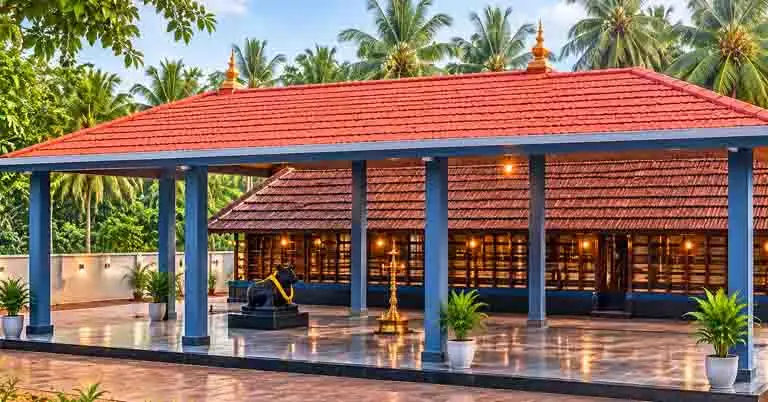

Nestled amid the lush greenery and cultural richness of Kerala, the Thirumangalam Sree Maha Vishnu Siva Temple stands as one of the state’s most spiritually unique and architecturally significant temples. Unlike many Hindu temples that are dedicated to a single deity, this temple is a rare and divine abode where Lord Shiva and Lord Vishnu are worshipped together under the same roof. The coexistence of these two powerful deities represents the unity and harmony of different aspects of divinity — the preserver (Vishnu) and the destroyer (Shiva) — signifying the balance of the universe.
Historical Background
The origins of the Thirumangalam Sree Maha Vishnu Siva Temple trace back several centuries, and the temple’s foundation is steeped in myth, devotion, and Kerala’s deep-rooted temple traditions. While exact historical records are scarce, local legends suggest that the temple was built during the early medieval period, possibly between the 9th and 12th centuries CE, when temple architecture in Kerala was flourishing under the patronage of local rulers and feudal chieftains.
It is believed that Lord Parasurama, the sixth avatar of Lord Vishnu and the mythical creator of Kerala, consecrated this temple to symbolize the eternal unity between Shaivism and Vaishnavism, the two major streams of Hindu worship. This unique aspect makes Thirumangalam Sree Maha Vishnu Siva Temple not just a place of worship, but also a living monument to religious harmony and spiritual inclusiveness.

Architectural Grandeur
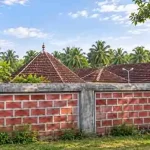
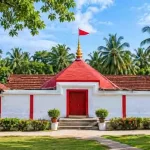
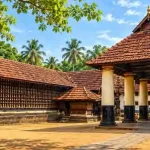
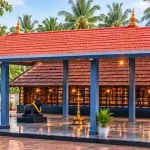
The temple showcases the classic Kerala style of architecture, known for its simplicity, symmetry, and integration with the natural surroundings. Built primarily from laterite stones, wood, and copper roofing, the temple’s design emphasizes both aesthetic grace and climatic adaptation.
The Sreekovil (sanctum sanctorum) is divided into two adjoining shrines — one for Lord Shiva (Mahadeva) and the other for Lord Vishnu (Mahavishnu). Both shrines are beautifully ornamented with intricate carvings, wooden ceilings, and brass lamps that illuminate the sanctums with divine brilliance.
The Chuttambalam (outer structure surrounding the sanctum) is adorned with murals depicting various mythological scenes from the Ramayana, Mahabharata, and Puranas. These paintings are not only artistic masterpieces but also serve as visual scriptures for devotees and pilgrims.
The temple pond or Ambala Kulam, located nearby, adds to the serene environment and plays a vital role in temple rituals. The reflection of the temple on the calm waters of the pond creates a spiritually soothing ambiance, making it a perfect spot for meditation and prayer.
Deities and Symbolism
The temple’s uniqueness lies in its dual sanctum, where both Lord Shiva and Lord Vishnu are equally revered.
- Lord Shiva, the primary deity, is worshipped as Mahadeva, symbolizing the supreme power of destruction and regeneration. His presence embodies the cosmic energy that destroys ignorance and paves the way for enlightenment.
- Lord Vishnu, worshipped as Mahavishnu, represents preservation, balance, and protection. Devotees seek his blessings for peace, prosperity, and protection from evil forces.
The co-existence of Shiva and Vishnu in one temple reflects the profound Hindu philosophical truth — that all divine powers are manifestations of the same Supreme Consciousness (Brahman). The temple thus becomes a symbol of Advaita philosophy, emphasizing unity amidst apparent duality.
Rituals and Worship Practices
Daily rituals at Thirumangalam Sree Maha Vishnu Siva Temple are performed with deep devotion and precision by trained priests following the Tantric traditions of Kerala. Worship begins at dawn with the Nirmalyam ritual, followed by Abhishekam (holy bath), Alankaram (decoration), and Deeparadhana (lighting of lamps).
Both deities receive separate yet harmonious forms of worship, ensuring that the rituals maintain balance and reverence for both divine forms.
The Ucha Pooja (midday worship) and Athazha Pooja (evening ritual) are especially significant, attracting many devotees who believe that the combined blessings of Shiva and Vishnu bring ultimate spiritual fulfillment.
The temple also observes special poojas and homams, such as:
- Mrityunjaya Homam for longevity and healing
- Vishnu Sahasranama Archana for peace and prosperity
- Rudrabhishekam to invoke Shiva’s blessings for protection
Festivals and Celebrations
The temple is at its most vibrant during Maha Shivaratri and Vaikunta Ekadasi, the major festivals dedicated to Lord Shiva and Lord Vishnu respectively.
Maha Shivaratri, celebrated with grandeur, features all-night prayers, bhajans, and special rituals. Devotees fast and chant the Panchakshara Mantra (Om Namah Shivaya), seeking liberation from worldly attachments. The temple is beautifully decorated with oil lamps, and the atmosphere is filled with divine chants and the fragrance of incense.
During Vaikunta Ekadasi, devotees observe fasting and recite the Vishnu Sahasranama throughout the day. The temple gates are symbolically opened to the “Vaikunta Dwaram” — the celestial gateway to Lord Vishnu’s abode — signifying spiritual liberation and eternal peace.
Other important observances include Pradosham, Navaratri, Karkidaka Vavu Bali, and Thiruvonam, each celebrated with traditional rituals, music, and community gatherings.
Cultural and Spiritual Importance
The Thirumangalam Sree Maha Vishnu Siva Temple is not only a center of worship but also a cultural hub where ancient traditions, rituals, and art forms are preserved. The temple’s rituals and festivals uphold Kerala’s cultural identity and foster a sense of unity among people of different beliefs and social backgrounds.
The temple also serves as a venue for classical music and dance performances, especially during festive occasions. Traditional art forms like Kathakali, Chakyar Koothu, and Panchavadyam are often performed in the temple courtyard, continuing Kerala’s vibrant temple arts legacy.
Spiritually, the temple holds a deep message — that divinity transcends boundaries and names. By worshipping both Shiva and Vishnu together, devotees embrace the essence of oneness and universal harmony. The temple thus serves as a beacon of religious tolerance and philosophical depth, teaching that all paths ultimately lead to the same divine source.
Myths and Legends
Several fascinating legends surround the temple’s origin and sanctity. One legend narrates that Lord Shiva and Lord Vishnu once appeared together before a devout sage performing penance in Thirumangalam. Overwhelmed by their divine presence, the sage prayed that the spot be sanctified so future generations could worship both deities together. In response, the gods merged their energies at that very place, leading to the establishment of this sacred temple.
Another tale speaks of a conflict between devotees of Shiva and Vishnu that once divided the local community. To restore peace, a saintly teacher installed both deities in the same temple, symbolizing reconciliation and divine unity. From that day onward, the temple has been revered as a place where conflict dissolves into compassion.
Architecture and Natural Setting
Set amid picturesque surroundings, the temple is surrounded by dense greenery, coconut groves, and serene backwaters. The peaceful environment enhances the spiritual energy of the place. The architecture, with its sloping tiled roofs, copper plates, and intricate wooden carvings, follows the Vastu Shastra principles, ensuring harmony with nature.
The Namaskara Mandapam, located in front of the sanctum, is an architectural gem with beautifully carved wooden pillars. The temple’s Deepasthambham (lamp tower), adorned with hundreds of lamps, illuminates the entire courtyard during evening prayers, creating a mesmerizing sight that symbolizes enlightenment dispelling darkness.
Community and Management
The temple is managed by the local Devaswom Committee, ensuring the preservation of its traditions, upkeep of the structure, and smooth conduct of rituals. The temple also plays a vital role in community welfare by organizing annadanam (free food distribution) and supporting local cultural initiatives.
In recent years, efforts have been made to renovate and preserve the ancient murals and wooden carvings, which hold immense historical and artistic value. Devotees and philanthropists actively contribute to maintaining the temple’s sanctity and beauty.

Conclusion
The Thirumangalam Sree Maha Vishnu Siva Temple stands as a spiritual jewel that encapsulates Kerala’s cultural depth, religious tolerance, and architectural brilliance. It is more than a place of worship — it is a sacred symbol of unity, teaching that divinity manifests in multiple forms yet remains one in essence.
For pilgrims and seekers, the temple offers not only the blessings of Lord Shiva and Lord Vishnu but also a profound understanding of balance, coexistence, and spiritual harmony. The tranquil surroundings, the rhythmic chants, and the divine aura make it a sanctuary for the soul — a reminder that peace and divinity can coexist in the heart of every devotee.
Disclaimer
The information provided by Web Arbiter (‘we’, ‘us’, or ‘our’) on https://webarbiter.in/ . The website is for general informational purposes only. All information on the Site is provided in good faith, however we make no representation or warranty of any kind, express or implied, regarding the accuracy, adequacy, validity, reliability, availability, or completeness of any information on the Site. UNDER NO CIRCUMSTANCE SHALL WE HAVE ANY LIABILITY TO YOU FOR ANY LOSS OR DAMAGE OF ANY KIND INCURRED AS A RESULT OF THE USE OF THE SITE OR RELIANCE ON ANY INFORMATION PROVIDED ON THE SITE. YOUR USE OF THE SITE AND YOUR RELIANCE ON ANY INFORMATION ON THE SITE IS SOLELY AT YOUR OWN RISK. Read Full Disclaimer