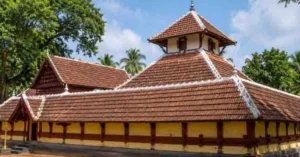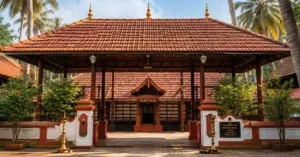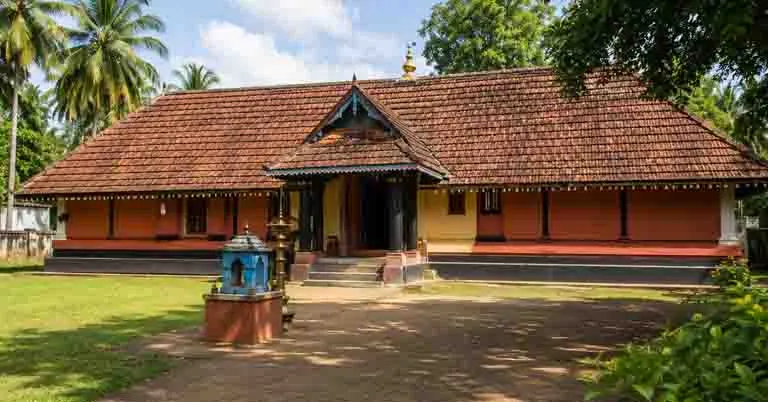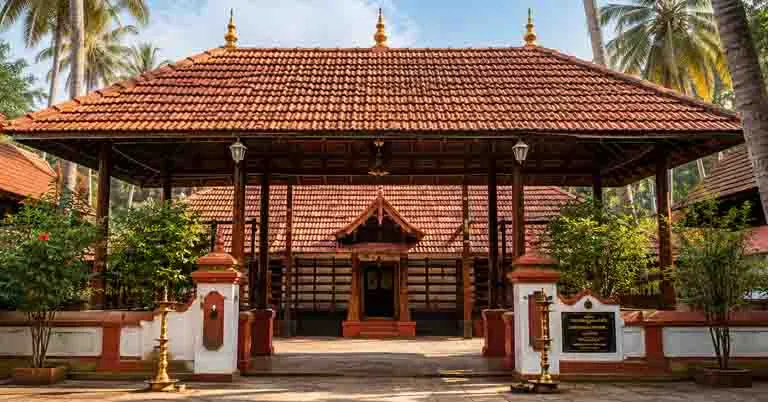


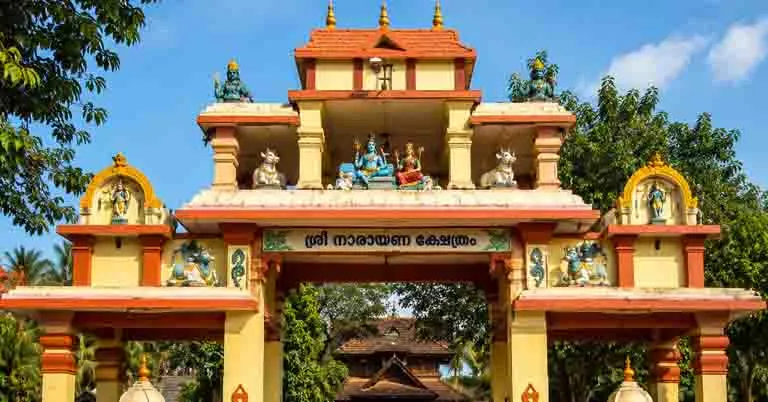
The Padanayarkulangara Mahadeva Temple, located in Karunagappally, near Kollam district in Kerala, is one of the most ancient and spiritually powerful temples dedicated to Lord Shiva. Steeped in legend and revered for its divine presence, this temple is a timeless embodiment of Kerala’s Shaiva tradition and architectural elegance. The temple’s sacredness, rich mythology, and serene surroundings make it a prominent destination for devotees seeking divine blessings, peace, and spiritual fulfillment.
The temple stands as a magnificent testimony to Kerala’s deep-rooted devotion to Lord Shiva, locally known as Padanayarkulangara Mahadevan, a manifestation of the Supreme Lord who governs creation, preservation, and destruction.
Historical Background
The Padanayarkulangara Mahadeva Temple traces its origins to ancient times, with historians and temple scholars estimating its existence to be over 2000 years old. According to traditional belief, the temple was established by Lord Parashurama, the sixth incarnation of Lord Vishnu, who is believed to have reclaimed the land of Kerala from the sea and consecrated 108 Shiva temples across the region.
Padanayarkulangara is said to be one among these 108 sacred Shiva temples built for the spiritual upliftment and protection of the land. The temple’s history is intricately linked with the early Chera dynasty, which ruled large parts of Kerala, and it is believed that many Chera kings were ardent devotees of Lord Mahadeva here.
Ancient inscriptions and local folklore suggest that the temple was once a royal shrine, playing a significant role in the social, spiritual, and cultural life of the region. The name Padanayarkulangara itself is derived from the term Padanayarkulathinte Kara, meaning “the sacred land near the pond of the commander,” indicating its royal and historical associations.
Mythological Significance
The mythology surrounding Padanayarkulangara Mahadeva Temple is deeply captivating and rooted in divine events. It is believed that Lord Shiva manifested here in his fierce Rudra form to bless and protect devotees from evil forces that once plagued the region. According to legend, a powerful demon named Dharukasura terrorized the local people, and Lord Shiva appeared at this spot to destroy him and restore peace. The divine energy from that event continues to permeate the temple’s sanctum, granting immense spiritual strength to those who worship here.
Another local legend tells that the Shivalinga here is Swayambhu (self-manifested), discovered by local villagers centuries ago when a cow was seen pouring milk over a stone near a pond. Realizing its divine nature, the people built a temple around it, which became today’s Padanayarkulangara Mahadeva Temple.
The temple is also associated with the story of Goddess Parvati, who is believed to have performed penance here to be united with Lord Shiva after a separation. Hence, the temple is considered highly auspicious for couples and devotees praying for marital harmony and family well-being.
The Presiding Deity
The presiding deity of the temple is Lord Mahadeva (Lord Shiva) in the form of a majestic Shivalinga. The Linga represents both the infinite nature of divinity and the cosmic energy that sustains life. Lord Shiva here is worshipped in his tranquil and benevolent form, radiating peace and compassion, although he embodies immense power.
The idol is believed to emit spiritual vibrations that cleanse the minds of devotees and remove obstacles from their lives. The Shivalinga is housed in the sanctum sanctorum (Sreekovil), facing east — symbolizing the dawn of wisdom and enlightenment.
There are also sub-shrines for Lord Ganapathy, Lord Subrahmanya (Murugan), Lord Ayyappa, Lord Krishna, and Naga Devatas (serpent gods), indicating the temple’s inclusivity and its connection with various aspects of Hindu faith.

Temple Architecture
The Padanayarkulangara Mahadeva Temple is a classic example of Kerala temple architecture, harmoniously blending simplicity, natural beauty, and spiritual symbolism. Constructed in the traditional style, the temple complex features beautifully carved wooden structures, sloping tiled roofs, and granite foundations — all designed according to Vastu Shastra and Tantric principles.
The Sreekovil (Sanctum Sanctorum) is circular in shape, symbolizing the infinite nature of the divine. It is crowned with a conical copper-plated roof and surrounded by the Namaskara Mandapam, an exquisitely carved wooden hall used for prayers and offerings.
The Chuttambalam (outer structure) encloses the sanctum, allowing devotees to perform Pradakshina (circumambulation) around the deity. The temple courtyard features a Dwajasthambam (flagstaff) and Deepasthambam (lamp post), which are lit during festivals, creating a divine spectacle.
Murals depicting mythological stories, celestial beings, and Lord Shiva’s cosmic dance (Tandava) adorn the walls, showcasing Kerala’s traditional artistry. The serene temple pond, located adjacent to the main complex, enhances the sanctity of the surroundings and serves as the site for ritual baths during auspicious days.
Daily Worship and Rituals
The temple follows Shaiva Agamic traditions, and the daily rituals are conducted with deep devotion and precision by trained Tantric priests. The day begins early with Nirmalyam (removal of previous day’s offerings) and continues with various poojas throughout the day.
The main daily rituals include:
- Abhishekam – Ritual bathing of the Shivalinga with water, milk, honey, ghee, and other sacred substances.
- Usha Pooja – Morning prayer to awaken the divine presence.
- Ucha Pooja – Midday pooja accompanied by Nivedyam (food offering).
- Deeparadhana – Evening lamp offering accompanied by chants and music.
- Athazha Pooja – The final pooja before closing the sanctum at night.
Special rituals such as Rudrabhishekam, Mrityunjaya Homam, Dhara, and Palabhishekam are performed by devotees seeking health, peace, and prosperity. Mondays, Pradosham days, and Maha Shivaratri are considered especially auspicious for worshipping here.
One of the unique offerings at this temple is the “Uma-Maheswara Pooja”, performed by couples praying for love, unity, and marital bliss, symbolizing the divine bond between Shiva and Parvati.
Festivals
Festivals at Padanayarkulangara Mahadeva Temple are celebrated with grandeur and devotion, reflecting both spiritual and cultural traditions of Kerala.
1. Maha Shivaratri
The most important festival celebrated in honor of Lord Shiva, Maha Shivaratri, is observed with night-long worship, fasting, and chanting of Om Namah Shivaya. Devotees gather in large numbers to perform Rudrabhishekam, light oil lamps, and offer Bilva leaves and milk to the Shivalinga. The temple remains open throughout the night, filled with the rhythmic sounds of devotional songs and temple drums.
2. Annual Festival (Utsavam)
The temple’s annual festival is celebrated for ten days during the Malayalam month of Kumbham (February–March). The festivities begin with the ceremonial Dwajarohanam (flag hoisting) and culminate with the Aarattu (holy bath) of the deity in the temple pond.
The festival features daily Ezhunnallathu (procession) of Lord Shiva on a caparisoned elephant, accompanied by Panchavadyam (traditional temple orchestra), Chenda Melam, and cultural performances like Kathakali, Ottanthullal, and Bhajans. The entire temple and surrounding area are illuminated beautifully, creating an atmosphere of divine joy and devotion.
3. Thiruvathira
Celebrated mainly by women, Thiruvathira honors the divine union of Shiva and Parvati. Devotees fast, perform Thiruvathirakali (a traditional dance), and visit the temple early in the morning to offer prayers for marital harmony and prosperity.
Other festivals like Navaratri, Pradosham, and Karkidaka Vavu are also observed with great reverence.
Cultural and Social Importance
the region. For centuries, it has played a pivotal role in preserving Kerala’s temple arts, rituals, and community traditions.
The temple serves as a platform for classical art forms such as Kathakali, Chakyar Koothu, and Koodiyattam, performed during festival days. The Koothambalam (temple theatre) within the premises supports these performances, maintaining Kerala’s living heritage.
The temple also promotes social harmony, welcoming devotees of all backgrounds, and organizes charitable activities like Annadanam (free food distribution), educational aid, and medical camps, reflecting the temple’s commitment to community welfare.
Administration and Management
The temple is managed under the supervision of the Travancore Devaswom Board, which ensures the proper conduct of rituals, maintenance of temple premises, and organization of festivals. The temple administration works alongside local devotees and committees to preserve its heritage and promote religious harmony.
Location and Accessibility
The Padanayarkulangara Mahadeva Temple is situated in Karunagappally, about 27 kilometers north of Kollam city and around 90 kilometers from Thiruvananthapuram. It is easily accessible by road and rail, with Karunagappally railway station located just 1 kilometer away. The nearest airport is the Trivandrum International Airport, approximately 85 kilometers from the temple.
Visiting hours typically extend from 4:00 AM to 12:00 PM and 5:00 PM to 8:00 PM, with variations during special occasions and festivals. Devotees are expected to follow traditional dress codes and maintain the sanctity of the premises.
Spiritual Significance
The Padanayarkulangara Mahadeva Temple embodies the essence of Shaivism — the worship of Lord Shiva as the supreme consciousness. The temple’s energy is believed to purify one’s mind, remove negative influences, and guide devotees toward spiritual realization.
Worshipping here is said to bring longevity, peace, and liberation (Moksha). The temple is particularly revered for granting marital harmony and family well-being, as Lord Shiva and Goddess Parvati’s divine union represents perfect balance and eternal love.
Pilgrims often perform special prayers like Mahamrityunjaya Homam for health, Rudrabhishekam for prosperity, and Dhara for mental peace.

Conclusion
The Padanayarkulangara Mahadeva Temple stands as a beacon of faith, spirituality, and cultural heritage in Kerala. It is not just a shrine but a living symbol of devotion where myth, history, and art converge in harmony.
From its sacred origins linked to Lord Parashurama and ancient Chera kings to its vibrant festivals and rituals that unite thousands of devotees, the temple represents the eternal bond between man and the divine. The tranquil setting, the divine aura of Lord Mahadeva, and the rhythmic chants of Namah Shivaya create an experience of transcendence and inner peace.
For every devotee who bows before the Shivalinga at Padanayarkulangara, the temple offers more than blessings — it offers a journey toward truth, balance, and liberation, reflecting the eternal essence of Lord Shiva, the Mahadeva who dwells within all creation.
Disclaimer
The information provided by Web Arbiter (‘we’, ‘us’, or ‘our’) on https://webarbiter.in/ . The website is for general informational purposes only. All information on the Site is provided in good faith, however we make no representation or warranty of any kind, express or implied, regarding the accuracy, adequacy, validity, reliability, availability, or completeness of any information on the Site. UNDER NO CIRCUMSTANCE SHALL WE HAVE ANY LIABILITY TO YOU FOR ANY LOSS OR DAMAGE OF ANY KIND INCURRED AS A RESULT OF THE USE OF THE SITE OR RELIANCE ON ANY INFORMATION PROVIDED ON THE SITE. YOUR USE OF THE SITE AND YOUR RELIANCE ON ANY INFORMATION ON THE SITE IS SOLELY AT YOUR OWN RISK. Read Full Disclaimer