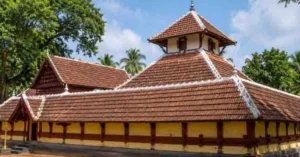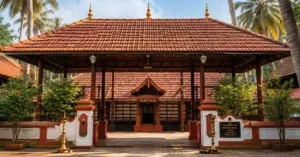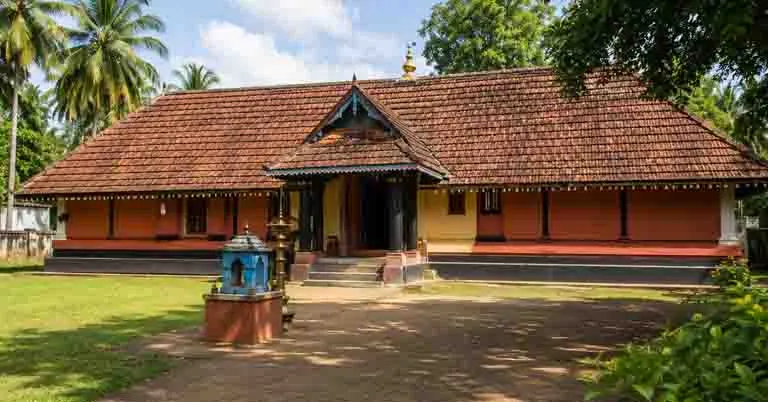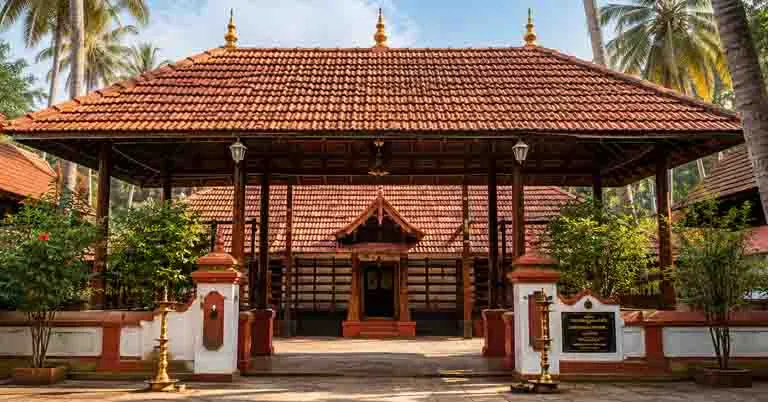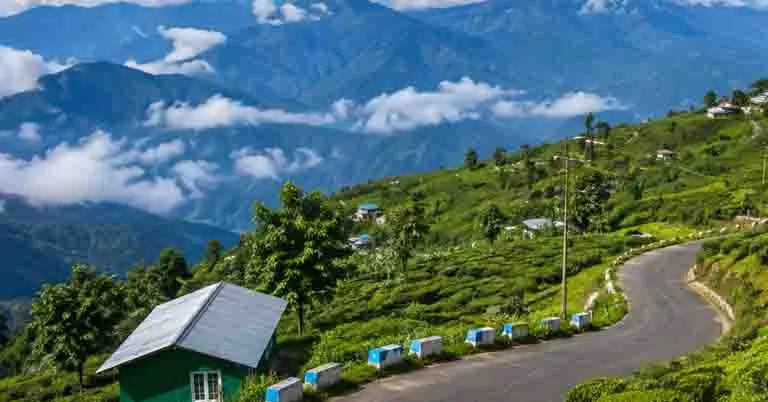


Nestled amid the serene landscapes of Pokkunny village near Thrissur, Kerala, the Pokkunny Siva Temple stands as a sacred and ancient shrine devoted to Lord Shiva, revered as Mahadeva, the Supreme Being. Set against the tranquil backdrop of coconut groves, lush paddy fields, and gentle hillocks, the temple exudes divine calm and timeless spirituality. It is one of the most prominent Shiva temples in the Thrissur region, known for its sacred aura, traditional Kerala architecture, and deep-rooted cultural significance.
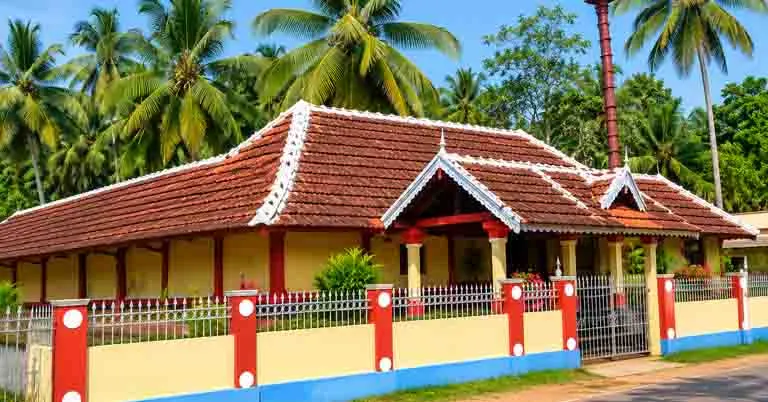
The temple’s atmosphere of stillness and sanctity reflects Lord Shiva’s meditative aspect — the embodiment of inner peace, wisdom, and the cosmic rhythm of creation and dissolution. Over the centuries, the Pokkunny Siva Temple has evolved into a spiritual refuge for thousands of devotees seeking solace, blessings, and liberation.
Historical Background
The Pokkunny Siva Temple is believed to have been established several centuries ago, during the early medieval period when Thrissur was a flourishing center of spiritual and cultural activity. According to legend and local tradition, the temple is among the ancient 108 Shiva temples in Kerala consecrated by Lord Parashurama, the sixth incarnation of Lord Vishnu. These temples were built across the land reclaimed from the sea by Parashurama, each enshrining a different form of Lord Shiva to protect and spiritually energize the land.
Over time, Pokkunny Siva Temple became a revered site of pilgrimage and devotion under the patronage of local chieftains and royal families. The temple’s spiritual prominence attracted scholars, saints, and ascetics who meditated along its sacred precincts, turning it into a nucleus of Shaiva philosophy and Tantric worship.
Historical evidence suggests that the temple played an important role in local community life, acting as a cultural and religious hub. The temple’s priests and patrons helped maintain its rituals and artistic traditions, preserving them across generations. Today, the temple stands as a symbol of Kerala’s rich spiritual heritage and artistic refinement.

Mythological Legends
Like many ancient temples of Kerala, the Pokkunny Siva Temple is woven into legends that amplify its sanctity. One popular legend narrates that a devout sage named Pokkuna Maharishi performed intense penance in this area, meditating on Lord Shiva for many years. Pleased by his unwavering devotion, Lord Shiva appeared before him in a radiant form and blessed him with divine knowledge. The place where Lord Shiva manifested became known as Pokkunny — meaning “the hill of divine appearance” — and a temple was later built to enshrine the Lord’s presence permanently.
Another legend tells that the Shivalinga enshrined in the sanctum is Swayambhu (self-manifested). A group of shepherds once noticed their cows pouring milk on a particular rock formation at dawn. When they investigated, they discovered a radiant Linga emitting divine light. Realizing its sacredness, villagers constructed a small shrine, which gradually developed into the present temple complex through royal patronage and community devotion.
Locals also believe that the temple was a site where Lord Shiva and Goddess Parvati briefly resided during their journey across Kerala. This divine association enhances the temple’s significance as a center of both meditative calm and cosmic energy.
Presiding Deity
The presiding deity of Pokkunny Siva Temple is Lord Mahadeva (Lord Shiva), enshrined in the form of a serene Swayambhu Shivalinga, facing east. The Linga is considered a powerful source of divine energy, symbolizing Lord Shiva’s universal presence as both destroyer and creator. Devotees worship the deity as Dakshinamurthy, the supreme teacher and embodiment of wisdom, as well as in his meditative form as Yogeshwara.
In addition to the main deity, the temple houses several sub-shrines dedicated to:
- Lord Ganesha (Vinayaka) – remover of obstacles.
- Lord Subrahmanya (Murugan) – protector and son of Lord Shiva.
- Goddess Parvati – embodiment of divine feminine power.
- Naga Devatas (Serpent Deities) – guardians of fertility and prosperity.
- Lord Ayyappa and Bhagavathy – worshipped for protection and wellbeing.
Together, these deities represent a cosmic family, fostering harmony between creation and dissolution, knowledge and devotion, strength and compassion.
Architecture and Layout
The Pokkunny Siva Temple exemplifies the elegance of traditional Kerala temple architecture, characterized by simplicity, symmetry, and sanctity. Designed according to Vastu Shastra and Tantric principles, every architectural element resonates with spiritual symbolism.
The Sreekovil (sanctum sanctorum) is circular (Vatta Sreekovil), representing the infinite nature of divinity. Its copper-plated conical roof gleams in the sunlight, symbolizing cosmic energy. The sanctum houses the Shivalinga on a raised pedestal, adorned daily with sandal paste, flowers, and sacred ash (Vibhuti).
The Namaskara Mandapam in front of the sanctum is a beautifully crafted square hall supported by wooden pillars decorated with carvings of celestial beings, mythological scenes, and floral patterns. It is here that priests perform rituals and devotees prostrate in reverence.
Surrounding the sanctum is the Chuttambalam, the covered walkway where devotees perform Pradakshina (circumambulation). The outer walls are adorned with murals depicting episodes from the Mahabharata, Ramayana, and Shiva Purana.
The Dwajasthambam (flagstaff), made of brass-clad teak, stands majestically before the sanctum, symbolizing the temple’s divine axis connecting heaven and earth. The Deepasthambam (lamp post) near the entrance is lit every evening during Deeparadhana, creating a mesmerizing sight as hundreds of flickering lamps illuminate the temple courtyard.
A temple pond (Ambala Kulam) lies adjacent to the temple, used for ritual purification before worship. Its tranquil waters reflect the temple’s image, symbolizing spiritual clarity and purity.
Rituals and Daily Worship
The temple follows the Shaiva Agama tradition, performing six daily poojas under strict ritual discipline. These rituals are carried out by trained Thanthris and Melshanthis (chief priests), ensuring the preservation of ancient tantric customs.
The main rituals include:
- Nirmalyam – Morning removal of old garlands and cleansing of the sanctum.
- Abhishekam – Ritual bathing of the Shivalinga with water, milk, honey, ghee, sandalwood, and tender coconut water.
- Usha Pooja – Early morning worship invoking blessings for the day.
- Ucha Pooja – Noon prayer followed by Nivedyam (food offering).
- Deeparadhana – Evening lamp offering performed with conch blowing and temple music.
- Athazha Pooja – Night worship marking the day’s conclusion.
Special offerings (Vazhipadu) include:
- Rudrabhishekam – powerful chanting invoking Lord Shiva’s cosmic energy.
- Dhara – continuous pouring of liquids on the Linga for purification.
- Mahamrityunjaya Homam – fire ritual for longevity and healing.
- Palabhishekam – offering of milk symbolizing peace and devotion.
- Uma-Maheswara Pooja – performed by couples for marital harmony.
Mondays, Pradosham days, and Maha Shivaratri are especially auspicious. During these days, the temple attracts thousands of devotees who observe fasting, meditation, and night-long prayers.
Festivals and Celebrations
The Pokkunny Siva Temple celebrates its festivals with deep devotion and traditional grandeur, blending spiritual rituals with Kerala’s cultural vibrancy.
1. Maha Shivaratri
This is the most important festival celebrated in the Malayalam month of Kumbham (February–March). Devotees observe fasting, vigil, and continuous chanting of Om Namah Shivaya. The temple is illuminated with thousands of oil lamps, and special Rudrabhishekams and Homams are performed. The night is marked by devotional music, Bhajans, and cultural performances.
2. Annual Utsavam (Temple Festival)
The annual festival, lasting ten days, begins with Dwajarohanam (flag hoisting) and ends with Aarattu (holy bath) in the temple pond. The idol of Lord Shiva is taken out in a grand procession on caparisoned elephants accompanied by Panchavadyam (traditional orchestra), Chenda Melam, and fireworks. Each day features Seeveli (ritual circumambulation) and Ezhunnallathu (royal procession), with thousands of devotees participating.
Cultural programs such as Kathakali, Ottanthullal, Thayambaka, and Devotional Music Concerts add to the festive grandeur. The festival signifies not only divine celebration but also community unity.
3. Thiruvathira
This festival celebrates the divine union of Lord Shiva and Goddess Parvati. Women observe fasting, perform Thiruvathirakali (traditional dance), and offer floral tributes, praying for marital harmony and prosperity.
4. Pradosham and Karkidaka Vavu
On Pradosham days (twice a month), devotees perform special abhishekas and circumambulate the temple thrice to remove sins. During Karkidaka Vavu, the temple pond becomes a site for Bali Tharpanam, ancestral rites performed for the peace of departed souls.
5. Cultural and Social Role
Beyond its religious importance, the Pokkunny Siva Temple serves as a cultural center fostering Kerala’s traditional art, music, and education. The temple’s Koothambalam (theatre hall) regularly hosts performances of Chakyar Koothu, Koodiyattam, and classical dance recitals, keeping ancient art forms alive.
The temple also undertakes social service activities, including:
- Annadanam (free meal distribution) to devotees and the poor.
- Medical camps and blood donation drives.
- Scholarships for underprivileged students.
- Environmental initiatives, including tree planting and waste management.
Through these activities, the temple continues its legacy as a source of compassion, community welfare, and moral guidance.
Administration and Management
The temple is managed by a Devaswom Board and a local Temple Advisory Committee, ensuring the preservation of traditional rituals and heritage. The committee oversees temple renovations, festival arrangements, and welfare projects with community participation.
Spiritual Experience
Visiting the Pokkunny Siva Temple is an experience of peace and transcendence. The moment one steps through the temple’s gateway, a sense of divine serenity envelops the heart. The fragrance of incense, the rhythm of temple bells, and the sight of the glowing oil lamps create a meditative atmosphere.
Devotees often meditate beside the temple pond or beneath the shade of ancient trees, finding solace in Lord Shiva’s presence. It is believed that sincere prayers here can dispel negativity, bring clarity of mind, and lead the soul toward Moksha (liberation).

Conclusion
The Pokkunny Siva Temple stands as a living symbol of Kerala’s spiritual depth, architectural brilliance, and cultural continuity. Its ancient sanctum, sacred legends, and vibrant rituals make it not merely a place of worship but a center of divine experience.
From its mythological origins in the Parashurama era to its modern role as a cultural and social beacon, the temple continues to radiate Lord Shiva’s infinite grace — silent, powerful, and compassionate.
For devotees and travelers alike, Pokkunny Siva Temple offers a journey inward — to the heart of divinity, where stillness meets eternity, and faith transforms into enlightenment.
Disclaimer
The information provided by Web Arbiter (‘we’, ‘us’, or ‘our’) on https://webarbiter.in/ . The website is for general informational purposes only. All information on the Site is provided in good faith, however we make no representation or warranty of any kind, express or implied, regarding the accuracy, adequacy, validity, reliability, availability, or completeness of any information on the Site. UNDER NO CIRCUMSTANCE SHALL WE HAVE ANY LIABILITY TO YOU FOR ANY LOSS OR DAMAGE OF ANY KIND INCURRED AS A RESULT OF THE USE OF THE SITE OR RELIANCE ON ANY INFORMATION PROVIDED ON THE SITE. YOUR USE OF THE SITE AND YOUR RELIANCE ON ANY INFORMATION ON THE SITE IS SOLELY AT YOUR OWN RISK. Read Full Disclaimer