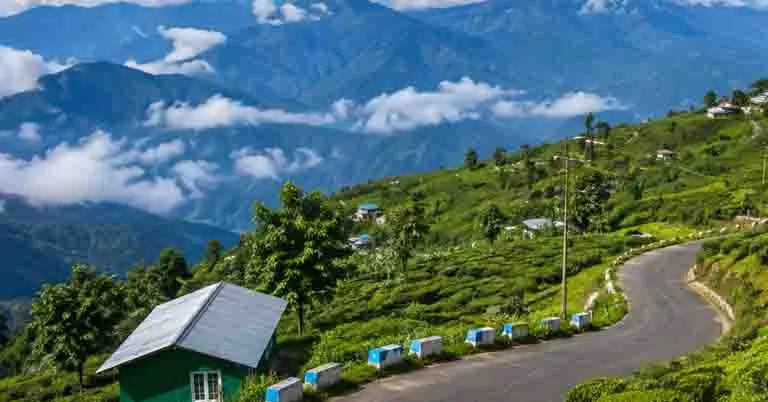


Nestled in the serene and spiritually vibrant landscape of Palakkad district, Kerala, the Thrippalur Mahadeva Temple stands as one of the most revered shrines dedicated to Lord Shiva, the supreme deity of transformation and cosmic balance. Steeped in ancient legends, architectural grandeur, and ritualistic traditions, this temple serves as a vital spiritual center that reflects Kerala’s deep-rooted devotion to Lord Shiva and its classical temple culture.
Located in Thrippalur village, about 25 kilometers from Palakkad town, this temple is believed to be one of the 108 ancient Shiva temples of Kerala, consecrated by Lord Parasurama, the sixth incarnation of Lord Vishnu, who is said to have created the land of Kerala by reclaiming it from the sea. The temple is not only a place of daily worship but also a timeless monument representing the convergence of myth, devotion, architecture, and nature.
Mythological Background and Legends
According to local tradition and mythological references, the Thrippalur Mahadeva Temple is deeply linked to the divine mission of Lord Parasurama. It is believed that after reclaiming Kerala, Parasurama installed 108 Shiva Lingas across the land to sanctify it and bless the people with spiritual energy. Each of these temples is unique in its divine form and significance, representing different aspects of Lord Shiva — such as Rudra (fierce), Dakshinamurthy (teacher), Someshwara (moon-god form), or Kailasanatha (residing on Kailasa).
At Thrippalur, Lord Shiva is worshipped as Thrippalurappan, a benevolent yet powerful manifestation symbolizing both creation and destruction — the eternal cycle of life governed by Shiva’s cosmic dance, the Tandava.
Another legend suggests that this site was once the seat of intense penance performed by sages and devotees seeking Lord Shiva’s blessings. The tranquil environment and the nearby water bodies made it ideal for meditation, and the divine aura of the place soon transformed it into a sacred kshetram (holy land). Over time, the temple was established here to enshrine the Swayambhu (self-manifested) Shiva Linga discovered in the area.
Historical Background
The Thrippalur Mahadeva Temple is believed to date back more than a thousand years, with inscriptions and architectural evidence pointing to its prominence during the Chera and later Cozhikkode Zamorin periods. The temple has long been a center of religious, cultural, and social life in Palakkad, receiving patronage from local rulers and devotees across generations.
Many traditional scholars mention that the temple was part of a network of spiritual centers that connected the Palakkad plains with the western temples of Thrissur and the Tamil Nadu border, symbolizing the cultural unity of South India.
The temple also once functioned as a seat of Vedic learning, where scholars conducted recitations of the Rudram, Chamakam, and Mahanyasam, spreading the knowledge of Shaiva philosophy and rituals.
Architecture and Layout
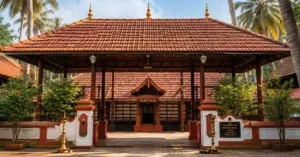
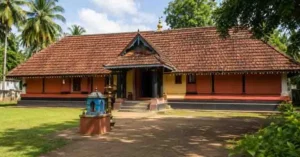
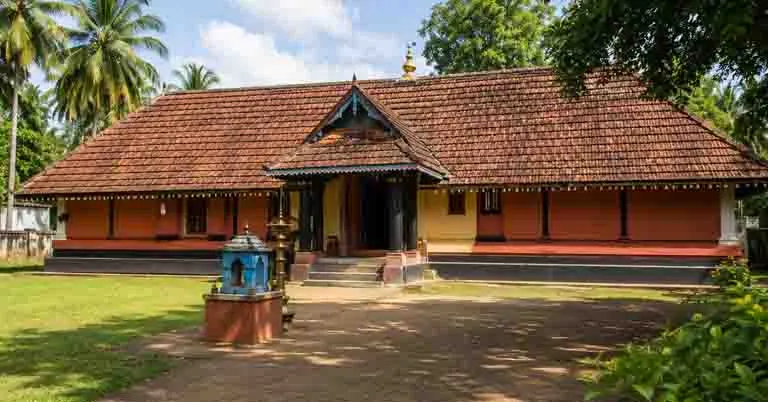
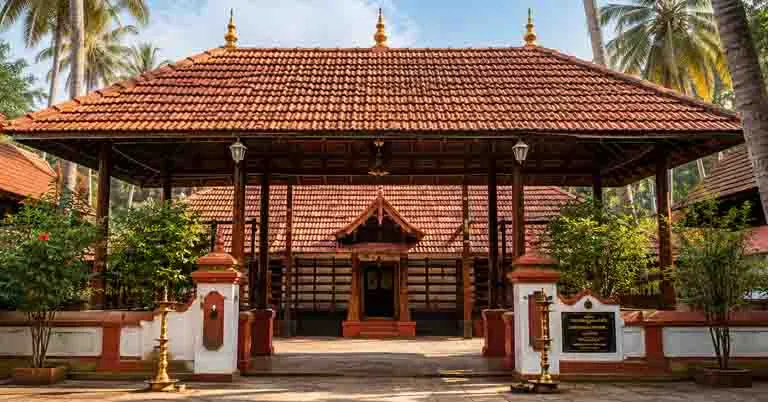
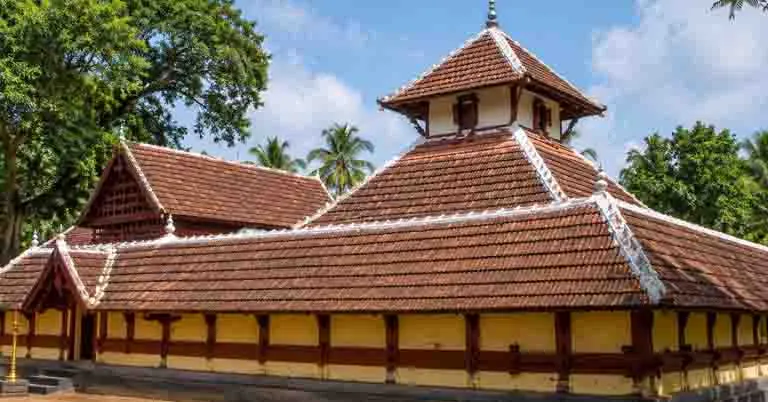
The architecture of Thrippalur Mahadeva Temple beautifully reflects the classic Kerala temple design, known for its harmony with nature, simplicity, and intricate craftsmanship. Built in accordance with Vastu Shastra and Tantric Agama, the temple complex is enclosed by massive laterite walls, with a tall Gopuram (entrance tower) facing the east, symbolizing light and spiritual awakening.
The Sreekovil (sanctum sanctorum) is circular in shape, which is characteristic of Shiva temples in Kerala. The sanctum houses the Shivalinga, which is installed facing east — believed to radiate positive energy to devotees and the surrounding land. The Linga is covered with Vibhuti (sacred ash) and adorned with flowers and bilva leaves.
In front of the sanctum lies the Namaskara Mandapam, supported by intricately carved wooden pillars and a copper-plated roof. Surrounding it is the Chuttambalam, an enclosed corridor where devotees perform pradakshina (circumambulation).
The temple also includes shrines dedicated to other deities such as:
- Lord Ganapathi (Ganesha) – remover of obstacles and the first deity to be worshipped in all rituals.
- Lord Subramanya (Murugan) – son of Shiva and Parvati, symbolizing valor and divine knowledge.
- Goddess Parvati (Devi) – representing divine feminine energy and compassion.
- Lord Ayyappa and Lord Vishnu, signifying harmony among Vaishnavite and Shaivite traditions.
A large temple pond (Kulam) lies to the eastern side, used for ritual purification before entering the shrine. The premises also feature Vilakkumadom (lamp structure), Balikkal, and flagstaff (Dwajasthambham), each representing stages of spiritual ascent.
Spiritual Significance
The presiding deity, Lord Shiva as Thrippalurappan, is worshipped as the embodiment of supreme consciousness — Paramashiva. Devotees believe that prayers offered here bring relief from worldly suffering, ill health, and negative karma. The temple is especially known for:
- Removal of planetary afflictions (Navagraha dosha).
- Blessings for marriage and family harmony.
- Relief from ailments related to the mind and body.
- Spiritual growth through meditation and devotion.
It is believed that performing Rudrabhishekam, Dhara, and Mahamrityunjaya Homam here bestows peace, longevity, and divine grace.
Daily Rituals and Worship Practices
The temple follows a strict daily routine of rituals (pooja krama) as prescribed by the Tantric texts of Shaiva worship. The Thanthri (chief priest) performs the key rituals, supported by the Melshanthi (temple priest) and assistants.
The main poojas include:
- Usha Pooja (Morning Pooja) – performed at sunrise, symbolizing the awakening of divine consciousness.
- Ucha Pooja (Midday Ritual) – includes Abhishekam with water, milk, and ghee, followed by Nivedyam.
- Deeparadhana (Evening Lamp Ceremony) – lamps are lit around the sanctum, accompanied by chants of Om Namah Shivaya.
- Athazha Pooja (Night Offering) – final offering before closing the sanctum, invoking peace and protection.
The daily worship involves Abhishekam with water, milk, honey, and tender coconut, and the offering of Bilva leaves, flowers, and Sandalwood paste, all sacred to Lord Shiva.
Devotees often undertake Vratams (vows) and special offerings like Niramala, Choroonu (first feeding ceremony), Ganapathi Homam, and Mrityunjaya Pooja for health and prosperity.

Festivals and Celebrations
The temple’s calendar is filled with vibrant festivals that draw large gatherings of devotees, blending ritual purity with cultural splendor.
1. Maha Shivaratri
The most important festival at Thrippalur Mahadeva Temple is Maha Shivaratri, celebrated in February–March. The temple remains open throughout the night, and devotees engage in fasting, chanting, and meditation. The rituals include Rudrabhishekam, Alankaram, Dhara, and Aarattu. Devotees stay awake through the night, reciting Shiva stotras and participating in Bhajans.
2. Pradosham
Held twice a month, Pradosham rituals are considered highly auspicious. Special abhishekams and lamp offerings are made to seek Lord Shiva’s forgiveness and grace.
3. Mandala-Makaravilakku
During this 41-day period, devotees undertake austerities and special poojas. The temple resonates with devotional chants and Annadanam (food offerings) to devotees.
4. Thiruvathira
Dedicated to Goddess Parvati, this festival celebrates the divine union of Shiva and Parvati. Women observe fasts and perform the graceful Thiruvathirakali dance around the temple.
5. Annual Utsavam
The temple’s annual festival, lasting for seven to ten days, features flag hoisting (Kodiyettam), Vedic homams, Deeparadhana, Panchavadyam (traditional orchestra), and cultural performances. The festival culminates with Aarattu, the ceremonial bathing of the deity in the temple pond, symbolizing purification and renewal.
Art and Cultural Heritage
The Thrippalur Mahadeva Temple is not just a center of worship but also a hub of Kerala’s traditional art forms. During festivals, the temple hosts performances of:
- Kathakali, depicting stories from the Mahabharata and Shiva Purana.
- Chenda Melam and Panchavadyam, creating an atmosphere of divine rhythm.
- Ottamthullal and Koodiyattam, preserving Kerala’s temple theatre traditions.
The temple murals and carvings narrate episodes from Daksha Yaga, Tripurantaka, and Ganga’s descent, reflecting the artistic excellence of ancient Kerala artisans.
Temple Administration
The Thrippalur Mahadeva Temple is managed under the Malabar Devaswom Board, ensuring the preservation of rituals, festivals, and infrastructure. The temple committee and local devotees play a crucial role in maintaining cleanliness, discipline, and hospitality for pilgrims.
Efforts are also underway to document and protect the temple’s ancient manuscripts, copper plates, and art forms to preserve its legacy for future generations.
Natural and Spiritual Environment
Surrounded by lush greenery, paddy fields, and gentle hills, the temple exudes an atmosphere of peace and purity. The nearby river and temple pond not only serve ritualistic purposes but also sustain the ecological balance of the area.
Devotees often describe the experience of visiting the temple as deeply meditative — the chants of Rudram, the fragrance of sandalwood, and the ringing of temple bells create a spiritual rhythm that calms the mind and uplifts the soul.

Conclusion
The Thrippalur Mahadeva Temple stands as a living symbol of Kerala’s ancient Shaiva heritage — a place where mythology, devotion, architecture, and natural beauty merge seamlessly. Rooted in the legend of Lord Parasurama’s consecration, this temple embodies the essence of Lord Shiva — eternal, compassionate, and omnipresent.
From its ancient rituals to its grand festivals, Thrippalur continues to guide devotees on a path of spiritual awakening, reminding them of the eternal truth that within every act of creation and destruction lies the supreme consciousness of Mahadeva.
Visiting this temple is not merely a pilgrimage; it is a journey into the self — where the silence of the sanctum, the rhythm of the rituals, and the serenity of the surroundings all whisper the same eternal message:
“Shivoham — I am Shiva.”
Disclaimer
The information provided by Web Arbiter (‘we’, ‘us’, or ‘our’) on https://webarbiter.in/ . The website is for general informational purposes only. All information on the Site is provided in good faith, however we make no representation or warranty of any kind, express or implied, regarding the accuracy, adequacy, validity, reliability, availability, or completeness of any information on the Site. UNDER NO CIRCUMSTANCE SHALL WE HAVE ANY LIABILITY TO YOU FOR ANY LOSS OR DAMAGE OF ANY KIND INCURRED AS A RESULT OF THE USE OF THE SITE OR RELIANCE ON ANY INFORMATION PROVIDED ON THE SITE. YOUR USE OF THE SITE AND YOUR RELIANCE ON ANY INFORMATION ON THE SITE IS SOLELY AT YOUR OWN RISK. Read Full Disclaimer