
Far away from the busy cities of Texas, where the desert stretches towards distant mountains and the Rio Grande winds through enormous canyons, lies Big Bend National Park. This remarkable destination is known for its rugged landscapes, peaceful wilderness, winding river and spectacular night skies.
Located in the far western corner of Texas, Big Bend offers a completely different experience from many other American national parks. Here, visitors can hike through the Chisos Mountains, drive across the Chihuahuan Desert, explore historic settlements and enjoy views of Mexico across the Rio Grande.
Whether you love outdoor adventures, photography, scenic road trips or quiet places surrounded by nature, Big Bend National Park is a destination worth discovering.

Where Is Big Bend National Park?
Big Bend National Park is located in Brewster County, in southwestern Texas, along the border between the United States and Mexico. The Rio Grande forms much of the park’s southern boundary, creating dramatic river valleys and deep limestone canyons.
The park covers more than 800,000 acres and protects three distinct natural environments: desert, mountains and river landscapes. Its remote location means that visitors should plan their journeys carefully, as towns, fuel stations and other services are spread far apart.
The communities of Terlingua, Study Butte and Marathon are useful bases for travellers exploring the region.
Best Things to Do in Big Bend National Park
1. Explore Santa Elena Canyon
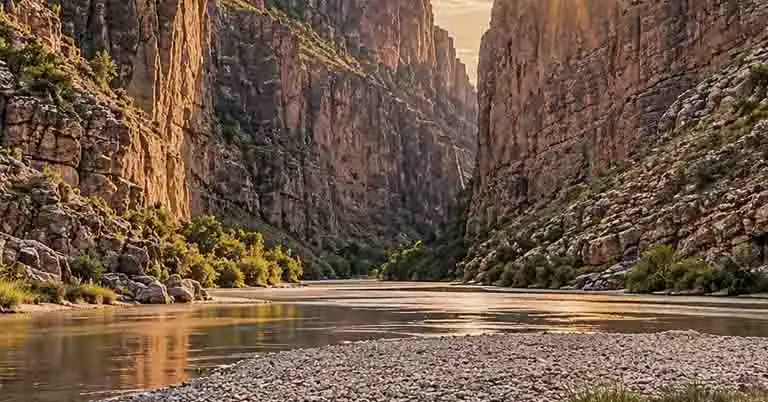
Santa Elena Canyon is one of the most impressive natural attractions in Big Bend. Here, the Rio Grande flows between towering limestone cliffs that rise dramatically above the river.
The Santa Elena Canyon Trail is a well-liked, brief hike that leads visitors in the direction of the canyon entrance. The views become increasingly impressive as you approach the river and look up at the steep canyon walls.
The trail involves crossing Terlingua Creek, so conditions can vary depending on recent rainfall. Check with park rangers before starting, especially after storms.
For photographers, the contrast between the rugged cliffs, green riverbanks and flowing water makes this one of the most memorable places in the park.
2. Discover the Chisos Mountains
The Chisos Mountains form the mountainous heart of Big Bend National Park. Their cooler temperatures, forested slopes and dramatic rock formations create a striking contrast with the surrounding desert.
The Chisos Basin is the main starting point for several popular hiking routes. Even if you do not plan a long hike, the drive into the basin offers beautiful mountain scenery.
Visitors can explore short walking trails, enjoy panoramic viewpoints and watch the changing colours of the mountains throughout the day. Wildlife and birdlife can also be spotted in this area.
3. Hike the Lost Mine Trail
The Lost Mine Trail is one of Big Bend’s most rewarding hikes for visitors who want impressive mountain views without attempting an extremely long route.
The trail climbs through the Chisos Mountains, passing rocky slopes, trees and open viewpoints. As you gain elevation, the surrounding peaks and desert valleys gradually appear across the landscape.
The hike is approximately 4.8 miles round trip and involves a noticeable elevation gain. Start early, carry enough water and check trail conditions before setting out.
4. Drive the Ross Maxwell Scenic Drive
For visitors who prefer exploring by car, the Ross Maxwell Scenic Drive is an excellent way to experience the western side of the park.
This paved route passes through classic Chihuahuan Desert scenery, with mountains, volcanic formations, historic sites and expansive viewpoints along the way.
Popular stops include Sotol Vista, Tuff Canyon, Mule Ears Viewpoint and the historic Castolon area. In time, the road leads toward Santa Elena Canyon.
Allow several hours for the drive because the best experience comes from stopping frequently, enjoying the views and taking short walks along the route.
5. Visit the Hot Springs Historic District
The Hot Springs area offers a different experience from Big Bend’s desert trails and mountain viewpoints. Located near the Rio Grande, this historic area contains the remains of an old settlement and bathhouse.
The natural hot spring water is known for its warm temperature, and visitors may be able to soak in the riverside pool when conditions permit.
A short walking route also provides views of historic structures and the surrounding river landscape. However, the area is vulnerable to flooding, so check current access conditions before visiting.
6. Explore Boquillas Canyon
Another stunning spot along the Rio Grande is Boquillas Canyon. Its towering rock walls create a dramatic setting, while the river provides a peaceful contrast to the dry desert surroundings.
The Boquillas Canyon Trail is a relatively short walk that leads towards the canyon entrance. Visitors can enjoy views of the river, steep cliffs and the surrounding mountains.
The area also offers a glimpse into the unique borderland culture of this region, where the landscape connects communities on both sides of the river.
7. Discover Balanced Rock
Balanced Rock is one of Big Bend’s most unusual geological features. Located in the Grapevine Hills area, it is a large boulder that appears to rest precariously on a smaller rock formation.
Reaching the viewpoint requires a short hike through a landscape filled with rounded boulders and rugged desert scenery. The final section involves some rock scrambling, but the unusual formation makes the effort worthwhile.
It is an excellent stop for photographers and visitors looking for something different from the park’s famous canyons and mountain trails.
8. Enjoy Stargazing in the Desert
Big Bend is widely recognised for its exceptionally dark night skies. Far from major cities and urban light pollution, the park offers excellent opportunities to observe stars, planets and the Milky Way.
On clear nights, the sky appears filled with countless stars, making even a simple evening outdoors feel special.
Visitors can enjoy stargazing from campgrounds, open viewpoints and other suitable locations. Bring warm clothing, use a red-light torch when possible and allow your eyes time to adjust to the darkness.

9. Experience the Rio Grande
The Rio Grande forms a vital component of Big Bend’s natural scenery. Its waters create a green corridor through the desert and have shaped the region’s canyons over thousands of years.
Visitors can experience the river through guided rafting, canoeing and kayaking trips offered by authorised outfitters. Depending on water levels and weather, trips may range from short excursions to longer journeys through scenic canyon sections.
River conditions can change, so choose a reputable operator and follow all safety instructions.
Best Time to Visit Big Bend National Park
Big Bend can be visited throughout the year, but the weather plays an important role in planning outdoor activities.
Spring (March to May): One of the most popular seasons is spring. Temperatures are often pleasant for hiking, desert wildflowers may bloom and the park becomes especially attractive for photography. It is also a busy travel period, so book accommodation early.
Summer (June to August): Summer brings extreme heat to the desert areas. Daytime temperatures can become dangerous for strenuous outdoor activities. If visiting during this season, plan hikes for early morning and avoid exposed trails during the hottest hours.
Autumn (September to November): Autumn generally offers comfortable conditions for exploring the park. The changing light, cooler mornings and pleasant afternoons make it a good season for hiking and scenic drives.
Winter (December to February): Winter is an excellent time for many visitors. Days are often mild and sunny, although nights can become very cold, particularly in the mountains.
For most travellers, late autumn, winter and early spring are the most comfortable periods to explore Big Bend.
How to Reach Big Bend National Park
Big Bend is far from everything, so the most practical way to get to the park is by car.
- From El Paso: The journey is approximately 300 miles and generally takes around five hours or more.
- From Midland: The drive is roughly 230–250 miles, depending on the route.
- From San Antonio: Expect a journey of approximately 400 miles or more.
- By air: Midland International Air and Space Port and El Paso International Airport are possible arrival points. A rental car is recommended for travelling to the park.
There is no regular public transportation service connecting the park’s main attractions. Plan fuel stops in advance because distances between services can be considerable.
Where to Stay Near Big Bend National Park
Visitors have several options depending on their preferred travel style.
Chisos Mountains Lodge: Located inside the park in Chisos Basin, this is a convenient option for travellers who want to stay close to mountain trails and scenic viewpoints. Check current lodging availability and operational updates before booking.
Terlingua: This historic community near the western entrance offers cabins, guesthouses, campsites and other accommodation options. It is a well-liked starting point for exploring Santa Elena Canyon and Ross Maxwell Scenic Drive.
Study Butte: Located close to the park’s western entrance, Study Butte provides convenient access to restaurants, fuel and accommodation.
Camping: Big Bend has developed campgrounds, along with designated backcountry camping opportunities. Reservations or permits may be required, so check the official park rules before planning an overnight stay.
Important Travel Tips for Visiting Big Bend
- Carry plenty of water: The desert climate can cause dehydration quickly, even during cooler months.
- Keep your fuel tank filled: Fuel availability inside the park is limited, and distances between areas are long.
- Download offline maps: Mobile phone coverage is unreliable across much of the park.
- Check road conditions: Some remote dirt roads require high-clearance four-wheel-drive vehicles.
- Start hikes early: Morning temperatures are usually more comfortable, especially during warmer months.
- Prepare for changing weather: Mountain temperatures can be much cooler than those on the desert floor.
- Respect wildlife: Keep a safe distance from animals and never feed them.
- Check park alerts: Flooding, road damage and other conditions can temporarily close trails or facilities.
Final Thoughts
Big Bend National Park is one of the most extraordinary places to visit in Texas. Its dramatic mountains, ancient desert landscapes, winding river and impressive canyons create a natural setting that feels far removed from everyday life.
From hiking the Lost Mine Trail and exploring Santa Elena Canyon to driving the Ross Maxwell Scenic Drive and watching stars after sunset, the park offers something for every kind of outdoor traveller.
Big Bend rewards visitors who take their time. Instead of rushing from one attraction to another, slow down, enjoy the scenery and experience the peaceful atmosphere of this remarkable corner of Texas.
If you are planning a road trip through the American Southwest, make sure Big Bend National Park is part of your journey.
Disclaimer
The information provided by Web Arbiter (‘we’, ‘us’, or ‘our’) on https://webarbiter.in/ . The website is for general informational purposes only. All information on the Site is provided in good faith, however we make no representation or warranty of any kind, express or implied, regarding the accuracy, adequacy, validity, reliability, availability, or completeness of any information on the Site. UNDER NO CIRCUMSTANCE SHALL WE HAVE ANY LIABILITY TO YOU FOR ANY LOSS OR DAMAGE OF ANY KIND INCURRED AS A RESULT OF THE USE OF THE SITE OR RELIANCE ON ANY INFORMATION PROVIDED ON THE SITE. YOUR USE OF THE SITE AND YOUR RELIANCE ON ANY INFORMATION ON THE SITE IS SOLELY AT YOUR OWN RISK. Read Full Disclaimer