
What if your next outdoor adventure gave you the chance to discover a real diamond? In the small town of Murfreesboro, Arkansas, visitors can experience something quite unusual: searching for natural diamonds in the very place where they were formed. Welcome to Crater of Diamonds State Park, one of the most fascinating places to visit in the United States.
Unlike traditional parks where visitors simply admire the scenery, this destination invites you to get your hands dirty and try your luck at diamond hunting. The park’s large search field contains naturally occurring diamonds and other minerals, and anything you find is yours to keep.
Whether you are travelling with family, exploring geology or simply looking for a memorable experience, Crater of Diamonds State Park offers an adventure that is difficult to find anywhere else.
Where Is Crater of Diamonds State Park?
Located at 209 State Park Road near Murfreesboro in southwestern Arkansas, you will find Crater of Diamonds State Park. It lies in a tranquil, pine-covered area of the state, encircled by the natural beauty of the Ouachita region.
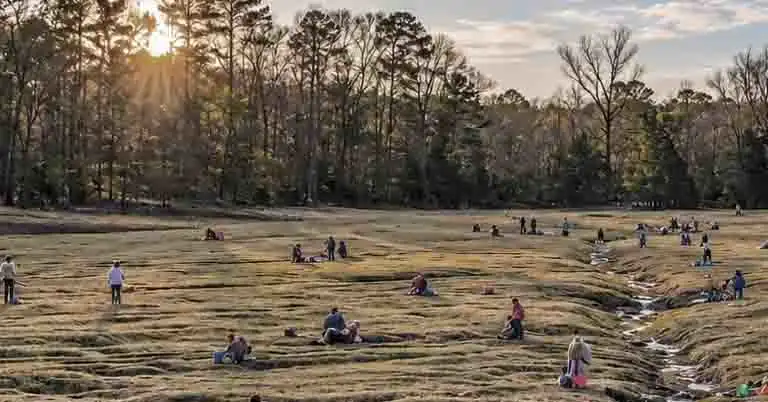
The park is renowned for its diamond search area of roughly 37 acres, which is the eroded surface of an ancient volcanic crater. It is particularly special because it is the only public diamond-producing site in the world where visitors can search for diamonds in their original volcanic source.
Murfreesboro is the nearest town for accommodation, restaurants, fuel and other visitor services.

Best Things to Do at Crater of Diamonds State Park
1. Look for Genuine Diamonds in the Diamond Field
The main attraction is the diamond search field, where visitors can spend hours looking for natural gemstones. Unlike a conventional museum experience, here you become part of the discovery process.
You can search the ground by looking for exposed crystals, dig through the soil or use screening equipment to separate minerals from dirt. The field is regularly plowed to expose fresh material, giving visitors new opportunities to search.
Diamonds found here may be white, brown or yellow. They are often smaller than people expect, so patience and careful observation are important.
The most exciting part is that you can keep any diamonds and other permitted minerals you discover.
2. Learn Diamond Hunting Techniques
Finding a diamond is not simply a matter of digging randomly. Learning a few basic techniques can make your visit more interesting and productive.
Three commonly used methods are:
- Surface searching: Walk slowly across the field and look for crystals exposed on the ground.
- Dry sifting: Use screens to separate larger stones from loose soil.
- Wet sifting: Wash gravel through screens to reveal heavier minerals and possible gemstones.
Beginners can learn these methods at the Diamond Discovery Center. Park staff also offer demonstrations and guidance when available.
3. Visit the Diamond Discovery Center
Before entering the search field, spend some time at the Diamond Discovery Center. It is a useful place to understand the geology of the area and learn what natural diamonds look like.
The centre features educational displays about diamonds, minerals and the park’s history. Visitors can also ask staff to identify their finds free of charge.
This is especially helpful for first-time visitors because many ordinary minerals can look surprisingly similar to diamonds.
4. Discover the Famous Diamond Finds
The Crater of Diamonds possesses a captivating past filled with extraordinary finds. One of its most significant findings is the Uncle Sam diamond, a 40.23-carat gem that remains the biggest diamond ever unearthed in the United States.
Other notable discoveries include the Star of Arkansas and the Amarillo Starlight.
These stories give visitors an idea of why the park has attracted treasure hunters for generations. Although finding a large diamond is extremely rare, the possibility of discovering something valuable adds excitement to every visit.

5. Walk the Little Missouri River Trail
Diamond hunting is the main attraction, but the park also offers peaceful walking opportunities. The Little Missouri River Trail is an enjoyable route through the surrounding woodland.
The approximately 1.2-mile trail follows a scenic section of the Little Missouri River. It provides a welcome break from the open search field and gives visitors a chance to enjoy the area’s natural surroundings.
Part of the trail is paved and barrier-free, making it a useful option for visitors who prefer an easier walk.
6. Explore the Prospector Trail
For visitors interested in the park’s geology, the Prospector Trail offers a closer look at the natural features associated with the diamond-bearing landscape.
The trail provides an opportunity to understand the area’s geological story while enjoying a walk through the park. Access requires diamond search area admission, so check current arrangements before setting out.
7. Cool Off and Recharge at Diamond Springs Water Park
If you are visiting during warmer months, Diamond Springs Water Park offers a fun break after a few hours of digging.
Located within the state park, this seasonal water attraction is particularly appealing to families with children. It provides an opportunity to relax and cool down after spending time outdoors.
The water park operates seasonally, and opening days and hours can change. Check the official park schedule before including it in your plans.
8. Enjoy a Picnic and Wildlife Watching
The park’s wooded setting makes it a pleasant place for a relaxed outdoor break. Picnic areas allow visitors to enjoy food surrounded by trees and fresh air.
There are also opportunities to observe local wildlife and birds. The quieter woodland areas offer a different experience from the busy diamond search field.
If you have extra time, slow down and enjoy these peaceful surroundings rather than spending the entire day digging.
Best Time to Visit Crater of Diamonds State Park
The park stays open all year round, though the experience varies depending on the season.
Spring (March to May): Spring is a popular time to visit because temperatures are generally comfortable for outdoor activities. It can be busy during school holidays, so arriving early is a good idea.
Summer (June to August): Summer offers longer daylight hours and the opportunity to enjoy Diamond Springs Water Park. However, the search field can become hot and exposed, so bring water, sunscreen and a hat.
Autumn (September to November): Autumn is a pleasant season for diamond hunting and walking. Colder temperatures might render prolonged outdoor activities more pleasant.
Winter (December to February): Winter is generally quieter, although cold and wet conditions can make digging less comfortable. Check weather forecasts before travelling.
Spring and autumn are particularly good choices for visitors who want comfortable conditions for spending time in the search field.
How to Reach Crater of Diamonds State Park
Operating a vehicle is the most efficient method to access the park.
- From Little Rock: The journey is approximately 180–190 miles and usually takes around three hours.
- From Texarkana: The park is roughly 75–85 miles away, depending on the route.
- From Hot Springs: Expect a drive of approximately 65–75 miles.
- By air: Texarkana Regional Airport and Bill and Hillary Clinton National Airport in Little Rock are possible arrival points. A rental car is recommended.
Murfreesboro is the nearest town for fuel, food and accommodation.
Where to Stay Near Crater of Diamonds State Park
Visitors can choose from several accommodation options around Murfreesboro.
Crater of Diamonds State Park Campground: The park has developed campsites for visitors who want to stay close to the diamond search field. RV sites and tent camping options are available, subject to current availability and reservation rules.
Murfreesboro: The town offers motels, inns, cabins and holiday rentals. Staying nearby makes it easier to arrive early and enjoy a full day of diamond hunting.
Nearby rural cabins: Travellers looking for a quieter setting can explore cabin accommodation around the surrounding countryside.
Book ahead during busy holiday periods, especially if you want to stay within a short drive of the park.
Important Travel Tips for Visiting Crater of Diamonds
- Arrive early: An early start gives you more time in the search field.
- Wear old clothes: Diamond hunting can be muddy, particularly after rainfall.
- Bring suitable tools: You can rent equipment at the park or bring permitted hand-operated tools.
- Avoid prohibited equipment: Battery-powered and motor-driven mining tools and ladders are not allowed.
- Carry drinking water: The search field is exposed, so hydration is essential.
- Bring sunscreen and a hat: Shade is limited in the digging area.
- Learn before you search: Understanding the appearance of diamonds helps you recognise possible finds.
- Use the identification service: Park staff can help identify stones you discover.
- Manage expectations: Finding a diamond is possible, but never guaranteed.
Final Thoughts
Crater of Diamonds State Park offers far more than your average outdoor attraction. It gives visitors the rare opportunity to search for natural diamonds in their original geological setting, making every visit a little different.
You might spend hours digging and discover only interesting rocks, or you might uncover a genuine diamond. Either way, the experience of exploring the field, learning about geology and enjoying the peaceful Arkansas countryside makes the trip worthwhile.
If you are planning a visit to southwestern Arkansas, add Crater of Diamonds State Park to your itinerary. Bring your curiosity, prepare to get muddy and enjoy one of America’s most unusual outdoor adventures.
Disclaimer
The information provided by Web Arbiter (‘we’, ‘us’, or ‘our’) on https://webarbiter.in/ . The website is for general informational purposes only. All information on the Site is provided in good faith, however we make no representation or warranty of any kind, express or implied, regarding the accuracy, adequacy, validity, reliability, availability, or completeness of any information on the Site. UNDER NO CIRCUMSTANCE SHALL WE HAVE ANY LIABILITY TO YOU FOR ANY LOSS OR DAMAGE OF ANY KIND INCURRED AS A RESULT OF THE USE OF THE SITE OR RELIANCE ON ANY INFORMATION PROVIDED ON THE SITE. YOUR USE OF THE SITE AND YOUR RELIANCE ON ANY INFORMATION ON THE SITE IS SOLELY AT YOUR OWN RISK. Read Full Disclaimer