
Hidden beneath the desert landscape of northern Arizona, Antelope Canyon is one of the most extraordinary natural attractions in the American Southwest. Famous for its flowing sandstone walls, narrow passageways, and beautiful beams of sunlight, this remarkable destination looks almost like a piece of natural artwork.
Over thousands of years, flash floods and erosion have carved smooth curves and twisting corridors into the sandstone. The result is a series of fascinating shapes, colours, and textures that change with the movement of sunlight. From glowing orange walls to deep red shadows, every section of the canyon offers a different photographic experience.
Located near Page, Arizona, Antelope Canyon attracts visitors from around the world. Whether you enjoy landscape photography, natural wonders, or exploring unusual destinations, it is a place that deserves a spot on your Arizona travel itinerary.
Where Is Antelope Canyon Located?
Antelope Canyon is located near the town of Page in northern Arizona, close to the Utah border. It lies within the Navajo Nation, on land belonging to the Navajo people.
The canyon is divided into several sections, with Upper Antelope Canyon and Lower Antelope Canyon being the most visited. Other sections, including Canyon X, also offer guided experiences.
Page is a convenient base for exploring the surrounding region. Visitors often combine Antelope Canyon with nearby attractions such as Horseshoe Bend, Lake Powell, and Glen Canyon National Recreation Area.
Approximate driving distances to Page include:
- Las Vegas: Around 275 miles
- Phoenix: Around 280 miles
- Flagstaff: Around 135 miles
- Grand Canyon South Rim: Around 135 miles
- Zion National Park: Around 115 miles

What Makes Antelope Canyon So Special?
The beauty of Antelope Canyon comes from its unusual sandstone formations. Unlike wide-open landscapes, the canyon features narrow passageways with smooth, wave-like walls that twist and curve overhead.
The sandstone has been shaped by water, wind, and time. During heavy rainfall, water rushes through the narrow channels, gradually wearing away the rock and creating the distinctive patterns visitors see today.
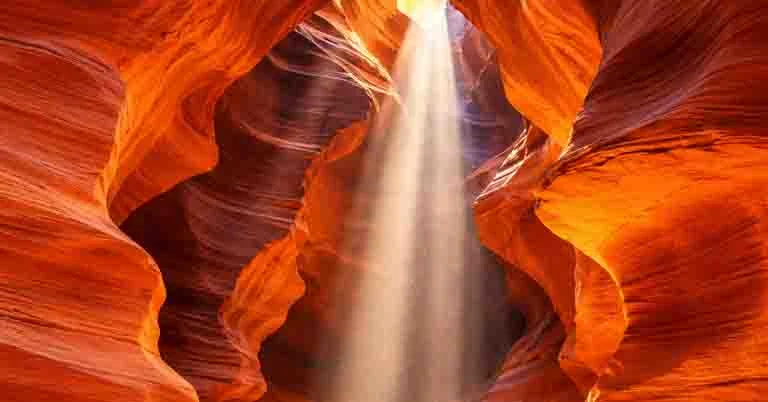
Sunlight has a significant part in the experience. Depending on the time of day, the canyon walls can appear bright orange, golden yellow, deep red, or soft pink. In some areas, sunlight enters through openings above, creating dramatic beams that reach down into the canyon.
The combination of natural shapes, changing light, and rich colours makes Antelope Canyon one of the most photographed places in Arizona.
Best Sections of Antelope Canyon to Visit
1. Upper Antelope Canyon
<escape> </escape>Upper Antelope Canyon is the most famous section and is particularly known for its dramatic sunlight beams during certain times of the year.
Its entrance is relatively wide, but the canyon gradually narrows into beautiful sandstone corridors. The walls feature flowing patterns that seem to move like waves frozen in stone.
Upper Antelope Canyon is generally easier to walk through than Lower Antelope Canyon because it does not require climbing steep stairways. It is a popular choice for first-time visitors and photographers hoping to capture the famous light beams.
2. Lower Antelope Canyon
Lower Antelope Canyon provides a more adventurous experience. Its passageways are often narrower, with dramatic curves, staircases, and changes in elevation.
Visitors descend into the canyon using metal stairways and follow a winding route through the sandstone formations. The journey provides close-up views of the rock textures and unusual shapes.
Although the walk requires more physical effort than Upper Antelope Canyon, it is an excellent choice for travellers who enjoy exploring natural formations from different angles.
3. Antelope Canyon X
Antelope Canyon X is another beautiful section that offers a different atmosphere from the two more famous areas.
Named after the X-shaped formations created by the canyon walls, this section features a combination of narrow passages and wider spaces. It can be a good option for visitors looking for a guided canyon experience with a somewhat different setting.
Each section has its own character, so the best choice depends on your interests, physical comfort, and available tour options.
Best Things to Do at Antelope Canyon
Enjoy a Guided Canyon Tour
Visiting Antelope Canyon is possible only through an authorised guided tour. Independent entry is not permitted because the canyon is located on Navajo land and requires controlled access for visitor safety and protection of the site.
Guides help visitors understand the canyon’s geology, cultural significance, and history. They also know the best places to appreciate the sandstone patterns and capture photographs.
It is important to reserve your tour in advance, especially during busy travel seasons.
Capture Stunning Photographs
Photography is one of Antelope Canyon’s main draws. The curved walls, colourful sandstone, and changing sunlight create countless opportunities for memorable pictures.
Upper Antelope Canyon is particularly famous for its sunlight beams, while Lower Antelope Canyon offers interesting angles, textures, and narrow corridors.
Visitors should check the photography rules of their chosen tour operator, as equipment restrictions and photography policies may vary.
Explore the Surrounding Desert Landscape
The area around Antelope Canyon is equally interesting. Northern Arizona features open desert scenery, dramatic rock formations, and beautiful views of the Colorado River region.
Travellers can spend additional time exploring Page, enjoying scenic drives, and visiting nearby viewpoints.
Learn About Navajo Culture
Antelope Canyon is more than just a stunning natural landmark. It is part of the traditional homeland of the Navajo people, and its cultural importance is an essential part of the visitor experience.
Taking a guided tour provides an opportunity to learn about the land, its history, and the relationship between the Navajo community and the surrounding environment.
Visitors should follow local guidance, respect cultural traditions, and treat the canyon as a significant natural and cultural place.
Best Time to Visit Antelope Canyon, Arizona
Antelope Canyon is a destination that can be explored throughout the year, with every season offering a different experience. Weather conditions, visitor numbers, and sunlight all influence how the canyon looks and feels during your visit.
Spring (March to May): Spring is an ideal season for visiting Antelope Canyon, as the temperatures are generally comfortable and the surrounding desert becomes pleasant for sightseeing. It is a good time to explore Page and nearby attractions without facing the intense summer heat. However, visitor numbers can increase during holidays, so booking your tour in advance is recommended.
Summer (June to August): Summer is one of the busiest periods at Antelope Canyon. Many travellers visit during these months to experience the famous sunlight beams that enter Upper Antelope Canyon around midday. Although the lighting can create incredible photography opportunities, the desert heat can be intense. Carry sufficient water and plan your outdoor activities carefully.
Autumn (September to November): Autumn brings more comfortable temperatures and a relaxed atmosphere to the region. This is a great time to explore the canyon and discover other attractions around Page. The pleasant weather also makes it easier to enjoy outdoor activities and longer sightseeing trips.
Winter (December to February): Winter is generally a quieter season, making it suitable for visitors who prefer fewer crowds. The canyon retains its natural beauty, although the surrounding desert can experience chilly temperatures. Tour availability may depend on weather conditions, so checking schedules before your visit is important.
For travellers hoping to photograph the famous sunlight beams, late spring and summer around midday are generally considered the best periods. However, their appearance depends on the sunlight angle, weather, and conditions inside the canyon.
Nearby Attractions Worth Exploring
A trip to Antelope Canyon offers an excellent opportunity to discover some of the most beautiful landscapes in northern Arizona. Several popular natural attractions are located close to Page, making it easy to include them in your travel itinerary.
Horseshoe Bend
Horseshoe Bend ranks among the most spectacular natural viewpoints in Arizona. Here, the Colorado River makes a dramatic curve around a massive sandstone formation, creating a distinctive horseshoe-shaped landscape.
Visitors can reach the viewpoint by following a walking trail from the parking area. The surrounding scenery looks particularly beautiful during sunrise and late afternoon, making it a popular destination for photography and sightseeing.
Lake Powell
Lake Powell is a beautiful reservoir surrounded by towering red sandstone cliffs, rocky landscapes, and peaceful waterfront views. It is a popular destination for travellers looking to enjoy outdoor adventures while exploring the Arizona-Utah region.
Visitors can enjoy boating, kayaking, sightseeing cruises, and other recreational activities. The combination of blue water and colourful desert surroundings makes Lake Powell a memorable place to explore.
Glen Canyon Dam
Glen Canyon Dam is an impressive engineering landmark located along the Colorado River close to Page. The structure plays an important role in water management and electricity generation across the surrounding region.
Visitors can explore nearby viewpoints, admire the impressive construction, and learn more about the history of the dam. It is a worthwhile stop for travellers interested in engineering, local history, and the natural geography of Arizona.

Rainbow Bridge National Monument
Rainbow Bridge National Monument is one of the most remarkable natural formations in the American Southwest. This enormous sandstone bridge stands as an impressive example of the natural forces that have shaped the region over thousands of years.
The monument is generally accessible by boat through Lake Powell or by permitted backcountry routes. Its unusual structure and beautiful surroundings make it an interesting addition to a longer trip around northern Arizona and southern Utah.
Where to Stay Near Antelope Canyon
Page, Arizona, is the most convenient place to find accommodation when visiting Antelope Canyon. The town offers a wide selection of hotels, motels, and budget-friendly properties, along with restaurants, shops, and essential travel facilities.
Staying in Page makes it easier to reach your scheduled canyon tour and explore nearby attractions such as Horseshoe Bend, Lake Powell, and Glen Canyon Dam. It is particularly useful for travellers planning early morning or midday tours.
Visitors planning a longer road trip can also consider staying in Kanab, Utah, or other nearby communities. However, Page remains the most practical accommodation base for exploring Antelope Canyon and its surrounding attractions.
During the busy spring and summer seasons, hotels can fill up quickly. Booking your accommodation and canyon tour in advance can help you secure better options and avoid unnecessary travel stress.
Important Travel Tips for Visiting Antelope Canyon
A little preparation can make your Antelope Canyon experience more comfortable and enjoyable. Before planning your visit, keep the following travel suggestions in mind.
- Book your guided tour early: Independent entry is not permitted, so visitors must arrange their trip through an authorised tour operator.
- Reach the meeting point on time: Arrive before your scheduled departure to complete the check-in process and receive necessary instructions.
- Wear comfortable footwear: Walking through sandy passages, narrow corridors, and uneven surfaces requires suitable walking shoes.
- Carry drinking water: Temperatures in the surrounding desert can become extremely hot, particularly during summer.
- Check photography restrictions: Rules regarding cameras, bags, tripods, and other equipment may vary depending on the tour operator.
- Understand flash-flood risks: Heavy rainfall can cause sudden flooding inside slot canyons. Always follow weather warnings and your guide’s safety instructions.
- Respect Navajo culture: Antelope Canyon is located on Navajo land. Follow local guidelines and avoid touching or damaging the natural sandstone formations.
- Check tour schedules: Weather conditions and other safety concerns can sometimes lead to changes or cancellations.
Following these simple precautions will help you enjoy the canyon while protecting its natural beauty and respecting its cultural importance.
How Much Time Do You Need for Antelope Canyon?
On a guided Antelope Canyon tour, most visitors typically spend about one to two hours. The actual duration depends on the canyon section, tour arrangements, and operator guidelines. You should also keep some additional time for check-in, transportation, and reaching the canyon entrance.
If you are staying in Page, one full day is generally enough to explore Antelope Canyon and visit Horseshoe Bend. These two attractions can easily be included in the same day’s itinerary with proper planning.
Travellers who want to explore Lake Powell, Glen Canyon Dam, and other nearby destinations should consider spending at least two days in the area. This allows more time for sightseeing without rushing between attractions.
For those planning an extended Southwest USA road trip, an additional day can make the journey more relaxing and provide opportunities to discover lesser-known places around the region.
Final Thoughts
Antelope Canyon is one of the most extraordinary natural destinations in Arizona, offering a landscape unlike anything found in an ordinary desert environment. Its winding sandstone walls, narrow passageways, and beautiful colour patterns create an unforgettable experience for visitors.
Beyond its visual appeal, the canyon tells a fascinating story of natural erosion, geological transformation, and the cultural heritage of the Navajo Nation.
Whether you choose Upper Antelope Canyon, Lower Antelope Canyon, or Canyon X, each location offers a different perspective on this remarkable landscape. Combining your visit with nearby attractions such as Horseshoe Bend and Lake Powell can make your northern Arizona journey even more rewarding.
If you are planning a trip through the American Southwest, Antelope Canyon deserves a special place on your travel itinerary.
Disclaimer
The information provided by Web Arbiter (‘we’, ‘us’, or ‘our’) on https://webarbiter.in/ . The website is for general informational purposes only. All information on the Site is provided in good faith, however we make no representation or warranty of any kind, express or implied, regarding the accuracy, adequacy, validity, reliability, availability, or completeness of any information on the Site. UNDER NO CIRCUMSTANCE SHALL WE HAVE ANY LIABILITY TO YOU FOR ANY LOSS OR DAMAGE OF ANY KIND INCURRED AS A RESULT OF THE USE OF THE SITE OR RELIANCE ON ANY INFORMATION PROVIDED ON THE SITE. YOUR USE OF THE SITE AND YOUR RELIANCE ON ANY INFORMATION ON THE SITE IS SOLELY AT YOUR OWN RISK. Read Full Disclaimer