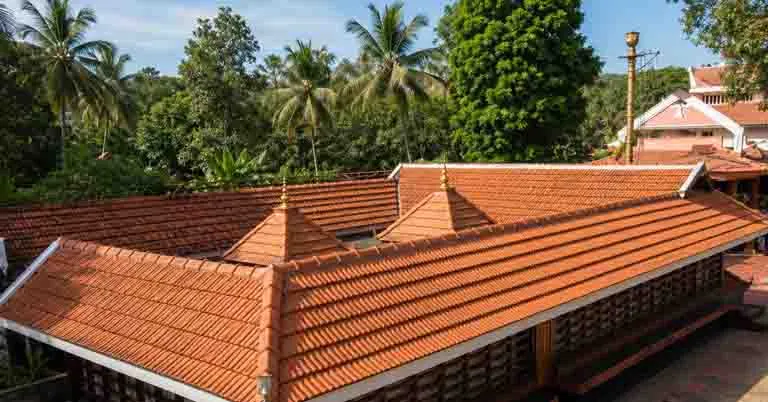
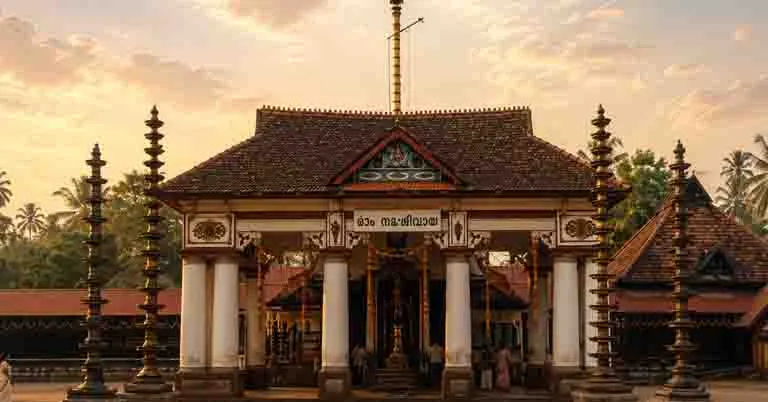
In the heart of Kerala’s cultural capital, Thrissur district, lies the serene and sacred Avanoor Sreekanteswaram Mahadeva Temple, an ancient shrine dedicated to Lord Shiva, worshipped here as Sreekanteswara, the merciful destroyer of evil and the bestower of liberation. The temple, nestled amidst lush greenery and calm surroundings, stands as a timeless symbol of Kerala’s rich spiritual heritage and artistic excellence.
The Avanoor Sreekanteswaram Temple is more than a place of worship — it is a living embodiment of devotion, architecture, and divine energy that has inspired countless devotees for generations. The tranquil ambiance of the temple, combined with its spiritual vibrations, makes it one of the most revered Shiva temples in the region.
Historical Background
The exact origins of the Avanoor Sreekanteswaram Mahadeva Temple are shrouded in the mist of antiquity, but temple lore and historical references suggest that it dates back over a thousand years. The temple is believed to have been one of the sacred shrines established during the Chera dynasty or possibly even earlier, during the period of Lord Parasurama, who is said to have consecrated 108 Shiva temples across Kerala after reclaiming the land from the sea.
The temple’s ancient manuscripts, copper plate inscriptions, and oral traditions indicate that it once enjoyed royal patronage from local rulers and noble families who supported its maintenance and rituals. It is said that sages and ascetics performed rigorous penance here, drawn by the powerful energy of Lord Shiva manifested in the form of a Swayambhu (self-manifested) Shivalinga.
Over the centuries, the temple became a spiritual nucleus for the local community, influencing not just religious practices but also art, culture, and education in the region. Today, it remains one of the most respected temples under the jurisdiction of the Cochin Devaswom Board, preserving its traditions while welcoming thousands of devotees each year.
Mythological and Spiritual Significance
According to temple legend, Lord Shiva manifested at Avanoor in his fierce yet compassionate form as Sreekanteswara, the one who drank the deadly poison (Halahala) during the churning of the ocean (Samudra Manthan) to save all beings from destruction. This act earned him the name Sreekanteswara — “the Lord with the blue throat.”
The temple thus symbolizes Shiva’s role as the ultimate protector and savior of creation. Devotees believe that sincere prayers at this temple help remove poisons from one’s life — not just physical toxins, but also emotional and karmic impurities such as anger, greed, and sorrow.
Local traditions also suggest that the temple’s location corresponds to a point of high spiritual vibration, making it a powerful place for meditation and healing. The aura of calmness around the temple is said to reflect Lord Shiva’s meditative state in Mount Kailasa, connecting the devotee’s consciousness to the cosmic divine.

Architecture of the Temple
The Avanoor Sreekanteswaram Mahadeva Temple is a classic example of traditional Kerala temple architecture, blending spirituality, aesthetics, and environmental harmony. The structure reflects centuries-old craftsmanship and Vastu Shastra principles that ensure balance between divine energy and natural surroundings.
1. Sreekovil (Sanctum Sanctorum)
The Sreekovil, the innermost sanctum housing the Shivalinga, is circular in shape (Vatta Sreekovil), symbolizing eternity and the cyclical nature of existence. The Shivalinga here is medium-sized, made of polished black granite, and radiates a divine glow when lit by oil lamps. The sanctum’s walls are adorned with ancient mural paintings depicting Shiva in his various cosmic forms — Nataraja, Ardhanarishwara, and Dakshinamurti.
The sanctum’s copper-plated roof, wooden ceilings, and sculpted stone plinths exemplify the elegance of Kerala’s temple design. The inner sanctum is accessible only to the chief priest (Thantri) and assistant priest (Melshanthi), who perform rituals with strict adherence to Agama Shastra.
2. Namaskara Mandapam
In front of the sanctum stands the Namaskara Mandapam, a beautifully carved wooden pavilion used for performing daily poojas and offerings. The mandapam’s ceiling features exquisite lotus designs, symbolizing purity and spiritual awakening.
3. Nalambalam and Chuttambalam
The Nalambalam (inner quadrangle) and Chuttambalam (outer structure) enclose the main shrine. The wooden walls and pillars are intricately decorated with carvings of celestial beings, flora, and mythological scenes. The Chuttambalam serves as a circumambulatory path for devotees performing Pradakshina (ritual circumambulation).
4. Dwajasthambham and Deepasthambham
The Dwajasthambham (flagstaff), made of brass and plated with gold, stands in front of the temple, symbolizing spiritual ascent. The Deepasthambham (lamp pillar), often lit during evening prayers and festivals, creates a mesmerizing spectacle of divine light, representing knowledge dispelling darkness.
5. Temple Tank (Kulam)
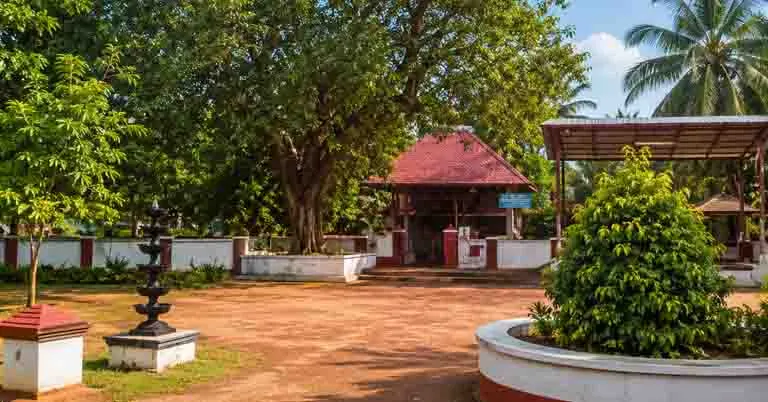
Adjacent to the temple lies the sacred temple pond, used for ritual purification. Devotees take a dip here before entering the temple, symbolizing the cleansing of the body and soul.
Deities and Sub-Shrines
While Lord Shiva is the presiding deity, the Avanoor Sreekanteswaram Temple complex houses several sub-deities, reflecting the holistic nature of Hindu worship:
- Goddess Parvati – the divine consort of Shiva, symbolizing fertility, love, and devotion.
- Lord Ganapathi – remover of obstacles, worshipped before all major rituals.
- Lord Subramanya (Murugan) – god of wisdom and valor.
- Lord Ayyappa – symbolizing devotion, discipline, and celibacy.
- Naga Devatas (Serpent Gods) – representing fertility and ecological balance, worshipped in a sacred grove (Sarpakavu).
- Lord Krishna – the divine protector and preserver of dharma.
- Bhagavathi (Devi) – worshipped during Navaratri for strength and prosperity.
Each of these deities adds a spiritual dimension to the temple, making it a holistic center of divine energies.
Rituals and Daily Worship
The temple follows the Tantric system of worship unique to Kerala, blending Vedic rituals with Agamic principles. The daily pooja schedule is meticulously maintained by the priests, beginning at dawn and continuing till night.
Main Daily Rituals
- Nirmalyam – early morning purification ritual.
- Abhishekam – bathing the Shivalinga with milk, honey, water, and ghee.
- Usha Pooja – morning worship invoking Shiva’s grace for a new day.
- Ucha Pooja – midday offering with cooked rice (Nivedyam).
- Deeparadhana – evening lamp worship with chants of “Om Namah Shivaya.”
- Athazha Pooja – final ritual before closing the sanctum at night.
Special Rituals
- Rudrabhishekam – performed to purify the mind and ward off negative influences.
- Pradosha Pooja – observed on the 13th lunar day, believed to be highly auspicious for Lord Shiva.
- Mrityunjaya Homam – for longevity and protection from untimely death.
- Shivarathri Vigils – night-long chanting and abhishekams during Maha Shivaratri.
Devotees also offer bilva leaves, ghee lamps, and Chandanam (sandal paste) to seek the Lord’s blessings for peace, prosperity, and spiritual progress.
Festivals and Celebrations
The temple is a hub of devotion and cultural expression, with several festivals celebrated throughout the year, attracting thousands of devotees.
1. Maha Shivaratri
The most important festival at Avanoor Sreekanteswaram Temple, Maha Shivaratri, celebrates the divine union of Shiva and Parvati. Devotees observe fasting and night-long worship with continuous chanting of Shiva Panchakshari Mantra (Om Namah Shivaya). The temple glows with oil lamps, and special Rudrabhishekam rituals are performed until dawn.
2. Annual Utsavam
The Annual Temple Festival, held in the Malayalam month of Kumbham (February–March), lasts for seven to ten days. It begins with Kodiyettam (flag hoisting) and concludes with Aarattu (holy bath) of the deity in the temple pond or nearby river.
Highlights include:
- Elephant processions with traditional percussion (Chenda Melam, Panchavadyam)
- Devotional art performances like Kathakali and Ottamthullal
- Fireworks and Lamp Processions (Deepam)
- Annadanam (mass feeding) for devotees
3. Pradosham, Thiruvathira, and Navaratri
Special rituals on Pradosham days honor Lord Shiva’s cosmic dance, while Thiruvathira, dedicated to Goddess Parvati, is observed mainly by women seeking marital bliss and family well-being. During Navaratri, the temple celebrates the divine feminine energy with music, dance, and devotional recitations.
Cultural and Social Role
Beyond being a center of worship, the Avanoor Sreekanteswaram Temple plays a vital role in promoting community harmony and preserving Kerala’s traditional art and culture. The temple hosts performances of Kathakali, Koodiyattam, Chakyarkoothu, and Devotional Music Concerts, keeping ancient temple art forms alive.
It also serves as a center for Vedic learning and spiritual discourse, offering free classes in Sanskrit chanting and temple rituals for young students. Charitable programs like Annadanam (free meals), medical camps, and educational scholarships reflect the temple’s commitment to social welfare and community service.
Temple Administration and Preservation
The temple is currently managed by the Cochin Devaswom Board, which oversees its daily operations, festivals, and restoration projects. Traditional artisans and temple architects ensure that all renovations adhere to Vastu Shastra and Tantric principles, maintaining the temple’s authenticity and sanctity.
Recent efforts include renovation of the copper roofing, restoration of murals, and implementation of eco-friendly practices, such as solar lamps and waste recycling, reflecting the temple’s harmony with nature.
Spiritual Experience and Devotee Faith
A visit to the Avanoor Sreekanteswaram Mahadeva Temple is a deeply spiritual experience. The rhythmic ringing of bells, the scent of sandalwood and oil lamps, and the chants of “Om Namah Shivaya” transport devotees into a meditative state.
Many devotees recount personal experiences of divine grace — healing from illness, relief from distress, and attainment of peace — as proof of the temple’s powerful spiritual energy. The temple’s tranquil atmosphere allows worshippers to disconnect from worldly chaos and reconnect with their inner self.

Conclusion
The Avanoor Sreekanteswaram Mahadeva Temple stands as a beacon of divine light, faith, and cultural pride in Kerala. Dedicated to Lord Sreekanteswara, the temple symbolizes compassion, protection, and spiritual awakening.
Its legends, rituals, and architecture speak of a timeless devotion that bridges the ancient and the modern. For devotees, this sacred place is not just a temple but a sanctuary of the soul — where Lord Shiva, the eternal yogi, continues to watch over his devotees, granting wisdom, strength, and liberation.
In the tranquil silence of Avanoor, one feels the pulsating presence of Mahadeva — the destroyer of darkness, the lord of eternal truth, and the divine essence of the universe.
Disclaimer
The information provided by Web Arbiter (‘we’, ‘us’, or ‘our’) on https://webarbiter.in/ . The website is for general informational purposes only. All information on the Site is provided in good faith, however we make no representation or warranty of any kind, express or implied, regarding the accuracy, adequacy, validity, reliability, availability, or completeness of any information on the Site. UNDER NO CIRCUMSTANCE SHALL WE HAVE ANY LIABILITY TO YOU FOR ANY LOSS OR DAMAGE OF ANY KIND INCURRED AS A RESULT OF THE USE OF THE SITE OR RELIANCE ON ANY INFORMATION PROVIDED ON THE SITE. YOUR USE OF THE SITE AND YOUR RELIANCE ON ANY INFORMATION ON THE SITE IS SOLELY AT YOUR OWN RISK. Read Full Disclaimer