

Nestled in the Arabian Sea, about 400 km off the coast of Kerala, Lakshadweep is India’s smallest Union Territory but one of its most beautiful tropical paradises. The name Lakshadweep literally means “a hundred thousand islands,” and this archipelago consists of 36 islands, of which only 10 are inhabited. Known for its crystal-clear lagoons, coral reefs, white sandy beaches, and rich marine biodiversity, Lakshadweep offers an untouched and tranquil escape for nature lovers and adventure seekers alike.
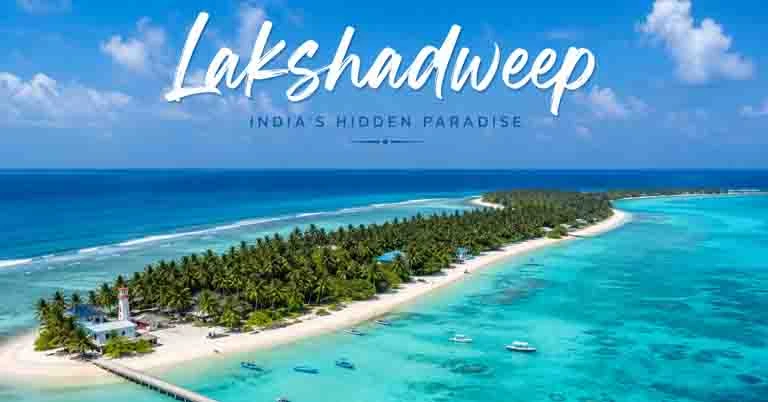
Far removed from the chaos of city life, this group of islands is a heaven for those seeking peace, privacy, and natural beauty. From scuba diving and snorkeling to kayaking and glass-bottom boating, Lakshadweep is a destination where both relaxation and adventure coexist perfectly.
Below are some of the best places to visit in Lakshadweep, each offering a unique glimpse of this tropical paradise.
1. Agatti Island – The Gateway to Lakshadweep
Agatti Island is often called the gateway to Lakshadweep, as it has the only airstrip connecting the archipelago to mainland India. This picturesque island is around 7.6 km long and is known for its blue lagoons, coral reefs, and white sandy shores.
Agatti is ideal for water sports like snorkeling, kayaking, and scuba diving. The underwater visibility is excellent, allowing visitors to witness vibrant corals and exotic marine species. Agatti’s serene environment, coupled with local hospitality, makes it a favorite among honeymooners and solo travelers alike.
The Agatti Aerodrome itself offers one of the most scenic landings in India — as the aircraft glides over turquoise waters, offering panoramic views of the surrounding atolls.

2. Bangaram Island – The Jewel of Lakshadweep
If there is one island that defines the tropical dream, it’s Bangaram Island. Often described as a “tropical paradise,” this tear-shaped island is surrounded by a blue lagoon and coral reefs. It’s uninhabited except for a few tourist cottages and a resort, offering complete seclusion.
Visitors can enjoy scuba diving, deep-sea fishing, snorkeling, kayaking, and underwater photography. The marine life here includes turtles, manta rays, and colorful reef fish. The island glows in the moonlight with a unique bioluminescent effect, where the sea sparkles with light due to natural plankton — a breathtaking sight for night-time visitors.
For those seeking privacy, serenity, and luxury amid nature, Bangaram is the perfect escape.
3. Kavaratti Island – The Capital of Lakshadweep
Kavaratti is the administrative capital and one of the most developed islands in Lakshadweep. With its pristine white beaches and calm lagoons, Kavaratti is both a cultural and scenic hub.
The Kavaratti Aquarium, showcasing a wide range of marine species, offers visitors a glimpse of the rich underwater biodiversity of the region. The Ujra Mosque, known for its beautiful architecture and crystal-clear well water, reflects the island’s Islamic heritage.
Water sports like snorkeling, windsurfing, and kayaking are very popular here. For a complete experience, one can also visit local handicraft shops, where coconut shell products and coral jewelry are sold.
Kavaratti beautifully blends traditional Lakshadweep life with modern tourism and remains a must-visit destination for first-time travelers.
4. Minicoy Island – The Southern Beauty
Located about 200 km from the main cluster of Lakshadweep islands, Minicoy Island (locally known as Maliku) is the southernmost island and second-largest in the archipelago. It’s distinct from the others due to its unique culture and language, influenced by the Maldives.
The island is famous for its Lighthouse, built by the British in 1885, which offers a panoramic view of the Arabian Sea. Minicoy’s crescent-shaped lagoon, palm-fringed beaches, and colorful boats known as Jahadhoni make it one of the most photogenic islands.
Minicoy is also renowned for traditional dance forms like Lava and Dandi, reflecting its rich cultural heritage. The warm hospitality of locals and the tranquil environment make Minicoy a true tropical retreat.
5. Kalpeni Island – The Water Sports Hub
Kalpeni Island is a group of three small islets — Tilakkam, Pitti, and Cheriyam — and is known for its coral debris that lines the shores. It is one of the most accessible islands and an emerging hotspot for adventure water sports.
Visitors can indulge in snorkeling, kayaking, reef walking, sailing, and scuba diving. The lagoon around Kalpeni is shallow, making it ideal for beginners. The island is also known for its women’s empowerment initiatives, as local women engage in coir-making and handicrafts.
Kalpeni’s natural beauty and community-driven lifestyle make it both vibrant and relaxing — a perfect balance of adventure and culture.

6. Kadmat Island – The Marine Paradise
Kadmat Island, also known as Cardamom Island, is a long, narrow strip of land surrounded by lagoons on both sides. It’s a paradise for marine life enthusiasts and water sports lovers. The island’s clear blue waters and coral reefs attract scuba divers from around the world.
The Kadmat Marine Aquarium showcases the rich biodiversity of Lakshadweep’s underwater world. The island also offers diving courses for beginners and professionals through government-certified centers.
Apart from water sports, Kadmat is ideal for sunbathing, dolphin watching, and cultural exploration. The local cuisine, dominated by coconut and seafood, gives visitors a taste of island life.
7. Andrott Island – The Cultural Gem
Andrott Island is one of the largest inhabited islands in Lakshadweep and lies closest to the mainland. Unlike the other islands, it has a more tropical feel, with dense vegetation and an emphasis on local life and culture.
The island is home to the Tomb of Saint Ubaidullah, a revered Muslim scholar who introduced Islam to the region. The Andrott Mosque, one of the oldest in Lakshadweep, is also located here.
Though not heavily commercialized for tourism, Andrott offers an authentic look into Lakshadweep’s traditions, livelihoods, and spiritual life. It’s ideal for travelers seeking cultural depth along with natural beauty.
8. Pitti Island – The Bird Sanctuary
Located near Kalpeni, Pitti Island is a small, uninhabited islet that serves as a bird sanctuary. It’s home to several species of migratory and native birds, including terns and frigatebirds.
Accessible by boat from Kalpeni, it’s an excellent destination for birdwatchers and photographers. The surrounding coral reefs are also rich in marine life, making it perfect for snorkeling and diving expeditions.
Since it’s uninhabited, visitors are advised to plan short day trips with local guides.
9. Bitra Island – The Smallest Inhabited Island
Bitra Island is the smallest inhabited island in Lakshadweep and houses only a few dozen families. It’s known for its untouched beauty, rustic charm, and simple lifestyle.
The island is often visited by migratory seabirds and offers a peaceful environment for nature enthusiasts. The temple dedicated to Goddess Amba is a cultural landmark that reflects the island’s spiritual significance.
Bitra’s isolation makes it a rare gem for those seeking to disconnect completely from modern life.
10. Thinnakara Island – A Hidden Paradise
Located close to Bangaram, Thinnakara Island is an uninhabited lagoon island known for its tranquil beaches and luxurious eco-tents. It’s less crowded, offering a peaceful escape with breathtaking views of turquoise waters and coral reefs.
Visitors can enjoy kayaking, snorkeling, and sunbathing, or simply relax in hammocks under the coconut palms. During nightfall, the sky lights up with stars, and the sea sometimes glows with bioluminescence — creating an unforgettable experience.
Conclusion
Lakshadweep is not just a destination — it’s a journey into nature’s untouched beauty. With its turquoise lagoons, coral atolls, and friendly islanders, it offers an experience unlike any other place in India. Each island has its own charm — Bangaram’s luxury, Minicoy’s culture, Agatti’s adventure, and Kavaratti’s spirituality — making Lakshadweep a complete package for all kinds of travelers.
In an age where over-tourism threatens natural habitats, Lakshadweep stands as a model of sustainable and eco-friendly tourism. Whether you are a beach lover, scuba diver, or peace seeker, these islands promise tranquility, thrill, and timeless beauty — truly one of India’s most precious gems.
Disclaimer
The information provided by Web Arbiter (‘we’, ‘us’, or ‘our’) on https://webarbiter.in/ . The website is for general informational purposes only. All information on the Site is provided in good faith, however we make no representation or warranty of any kind, express or implied, regarding the accuracy, adequacy, validity, reliability, availability, or completeness of any information on the Site. UNDER NO CIRCUMSTANCE SHALL WE HAVE ANY LIABILITY TO YOU FOR ANY LOSS OR DAMAGE OF ANY KIND INCURRED AS A RESULT OF THE USE OF THE SITE OR RELIANCE ON ANY INFORMATION PROVIDED ON THE SITE. YOUR USE OF THE SITE AND YOUR RELIANCE ON ANY INFORMATION ON THE SITE IS SOLELY AT YOUR OWN RISK. Read Full Disclaimer