

Located on Pamban Island in the southernmost part of Tamil Nadu, Rameswaram is one of India’s most sacred and beautiful coastal towns. Surrounded by the Bay of Bengal on one side and the Indian Ocean on the other, Rameswaram is not just a spiritual destination but also a place of scenic beauty, cultural richness, and historical importance.
Known as one of the Char Dham pilgrimage sites—along with Badrinath, Puri, and Dwarka—Rameswaram holds immense significance in Hindu mythology. It is believed to be the place where Lord Rama built the Ram Setu (Adam’s Bridge) to reach Lanka and rescue Goddess Sita.
From magnificent temples to serene beaches and architectural wonders, Rameswaram offers travelers a unique blend of devotion, heritage, and tranquility. Let’s explore the best places to visit in this divine island town.
1. Ramanathaswamy Temple – The Spiritual Heart of Rameswaram
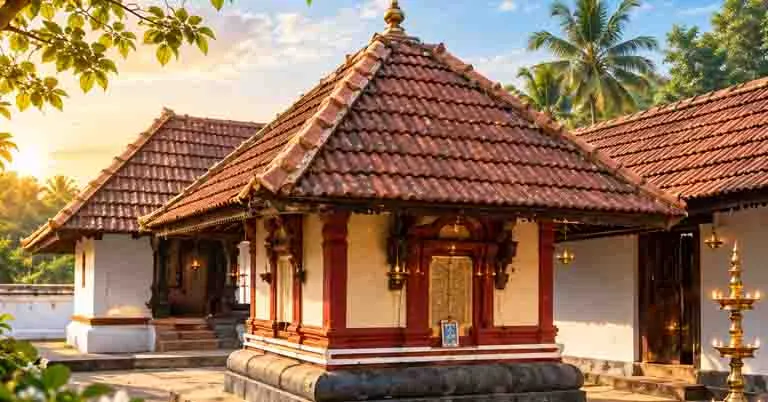
The Ramanathaswamy Temple is the most iconic and revered landmark in Rameswaram. Dedicated to Lord Shiva, this temple is one of the twelve Jyotirlingas in India. According to Hindu mythology, Lord Rama worshipped Shiva here after his victory over Ravana to absolve his sins.
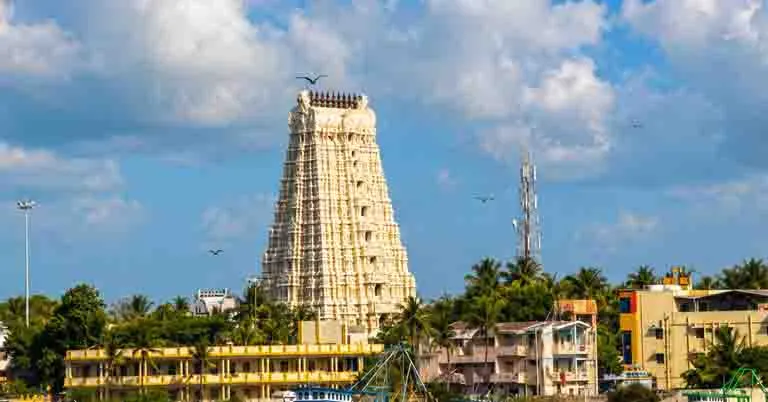
Architecturally, the temple is a masterpiece of Dravidian architecture, featuring intricately carved pillars, massive corridors, and majestic gopurams (towering gateways). Its longest temple corridor in India, stretching over 1,200 meters, is a visual marvel.
Pilgrims first take a dip in the 22 holy wells (Teerthams) inside the temple, each believed to have unique healing and spiritual properties. Visiting Ramanathaswamy Temple is not just a religious experience but also a cultural and architectural delight.
2. Agni Theertham – The Sacred Seashore
Situated right opposite the Ramanathaswamy Temple, Agni Theertham is one of the most sacred bathing places for Hindus. It is said that bathing here cleanses the soul and washes away sins.
According to legend, Lord Rama and Sita performed a ritual here to please Lord Shiva. Devotees often perform rituals for their ancestors (Pitru Tarpanam) on this beach. The calm waters and the spiritual atmosphere make Agni Theertham both a religious and peaceful experience.
Early mornings and evenings are particularly beautiful, with the sun reflecting on the tranquil waves, giving a divine touch to the sacred sea.
3. Dhanushkodi – The Ghost Town by the Sea
Situated near the southeast point of Rameswaram, Dhanushkodi is referred to as the “Ghost Town of India.” Once a thriving town, it was completely destroyed during the 1964 cyclone, leaving behind hauntingly beautiful ruins.
According to mythology, Dhanushkodi marks the spot where Lord Rama built the Ram Setu to reach Lanka. The name “Dhanushkodi” means “end of the bow”, signifying the spot where Rama is believed to have rested his bow.
Today, the remains of churches, railway stations, and old houses create an eerie yet fascinating landscape. The confluence of the Bay of Bengal and the Indian Ocean here, known as Arichal Munai, offers breathtaking views of the merging seas.
Visiting Dhanushkodi is a surreal experience—one that combines history, mythology, and nature’s power.
4. Pamban Bridge – The Marvel of Engineering
Connecting Rameswaram to the mainland, the Pamban Bridge is an architectural wonder and one of the most iconic landmarks in South India. Opened in 1914, it was India’s first sea bridge and remains a vital link for trains and vehicles traveling to Rameswaram.
The rail bridge, which can lift up to allow ships to pass, is a spectacular sight, especially when trains move slowly across the narrow pathway with the turquoise waters below. Parallel to it runs the Annai Indira Gandhi Road Bridge, offering panoramic views of the ocean.
Watching the sunrise or sunset from the Pamban Bridge is a mesmerizing experience that captures the essence of Rameswaram’s beauty.

5. Kothandaramaswamy Temple – The Temple of Peace
Located around 12 kilometers from Rameswaram, near Dhanushkodi, the Kothandaramaswamy Temple holds great mythological significance. It is believed to be the place where Vibhishana, Ravana’s brother, surrendered to Lord Rama and was crowned king of Lanka after the war.
The temple, surrounded by the sea on all sides, miraculously survived the 1964 cyclone that devastated Dhanushkodi. Inside, one can find idols of Lord Rama, Sita, Lakshmana, Hanuman, and Vibhishana, symbolizing the victory of good over evil.
The serene surroundings and historical importance make it a must-visit spot for both devotees and history enthusiasts.
6. Gandhamadhana Parvatham – The Sacred Hill
Gandhamadhana Parvatham, located about 3 kilometers from the main temple, is the highest point in Rameswaram. It houses a small shrine dedicated to Lord Rama and is believed to be the place where he stood to survey Lanka before building the Ram Setu.
The impression of Lord Rama’s feet is preserved here and worshipped by devotees. From the top of the hill, one can enjoy panoramic views of Rameswaram town, the sea, and the surrounding greenery. The tranquil atmosphere makes it a wonderful place for meditation and reflection.
7. Panchmukhi Hanuman Temple – The Five-Faced Hanuman Shrine
The Panchmukhi Hanuman Temple, or the Five-Faced Hanuman Temple, is another important religious site in Rameswaram. It is believed that Lord Hanuman revealed his five faces—Hanuman, Narasimha, Garuda, Varaha, and Hayagriva—at this spot.
The temple also displays floating stones, believed to be from the Ram Setu, which continue to astonish visitors. The atmosphere is filled with chants and prayers, creating a deeply spiritual experience.
This temple is a must-visit for devotees of Lord Hanuman and anyone interested in the mystical aspects of the Ramayana.
8. Ariyaman Beach – The Family Retreat
Located about 27 kilometers from Rameswaram, Ariyaman Beach is perfect for those looking for some relaxation and fun. The beach is known for its soft golden sand, gentle waves, and a long stretch of clear coastline.
Visitors can enjoy swimming, boating, parasailing, and picnics. The area also has small eateries offering local seafood delicacies. Compared to the spiritual atmosphere of central Rameswaram, Ariyaman Beach provides a refreshing break for families and nature lovers.
9. Ram Setu (Adam’s Bridge) – The Mythical Pathway
Ram Setu, also known as Adam’s Bridge, is one of the most fascinating aspects of Rameswaram. Stretching between India and Sri Lanka, this chain of limestone shoals is believed to be the bridge built by Lord Rama’s army of vanaras (monkeys) to reach Lanka.
Satellite images confirm the existence of this natural formation, making it an intriguing mix of mythology and science. Though visitors cannot walk on it, boat rides near Dhanushkodi provide a glimpse of the legendary bridge beneath the waters.
Ram Setu stands as a timeless symbol of faith, courage, and engineering brilliance described in the epic Ramayana.
10. Abdul Kalam Memorial – A Tribute to the People’s President
Rameswaram is also the hometown of Dr. A.P.J. Abdul Kalam, India’s beloved former President and “Missile Man.” The Abdul Kalam Memorial, located near Pamban Bridge, is a beautifully designed monument dedicated to his life and achievements.
The memorial displays his personal belongings, photographs, and models of rockets and missiles, honoring his contributions to science and humanity. The nearby burial site, surrounded by peace and respect, attracts visitors from across the nation.

Conclusion
Rameswaram is more than just a spiritual destination—it’s a place where mythology, history, science, and natural beauty converge. From the sacred Ramanathaswamy Temple to the haunting Dhanushkodi ruins, from the engineering marvel of Pamban Bridge to the inspiring Abdul Kalam Memorial, every corner of this island town tells a story.
Whether you’re a devotee seeking blessings, a traveler searching for serenity, or a history lover exploring ancient legends, Rameswaram offers something for everyone.
The gentle sea breeze, the rhythmic sound of waves, and the spiritual aura together make Rameswaram a destination that touches both the heart and soul—a place where faith meets tranquility and where every sunrise feels divine.
Disclaimer
The information provided by Web Arbiter (‘we’, ‘us’, or ‘our’) on https://webarbiter.in/ . The website is for general informational purposes only. All information on the Site is provided in good faith, however we make no representation or warranty of any kind, express or implied, regarding the accuracy, adequacy, validity, reliability, availability, or completeness of any information on the Site. UNDER NO CIRCUMSTANCE SHALL WE HAVE ANY LIABILITY TO YOU FOR ANY LOSS OR DAMAGE OF ANY KIND INCURRED AS A RESULT OF THE USE OF THE SITE OR RELIANCE ON ANY INFORMATION PROVIDED ON THE SITE. YOUR USE OF THE SITE AND YOUR RELIANCE ON ANY INFORMATION ON THE SITE IS SOLELY AT YOUR OWN RISK. Read Full Disclaimer