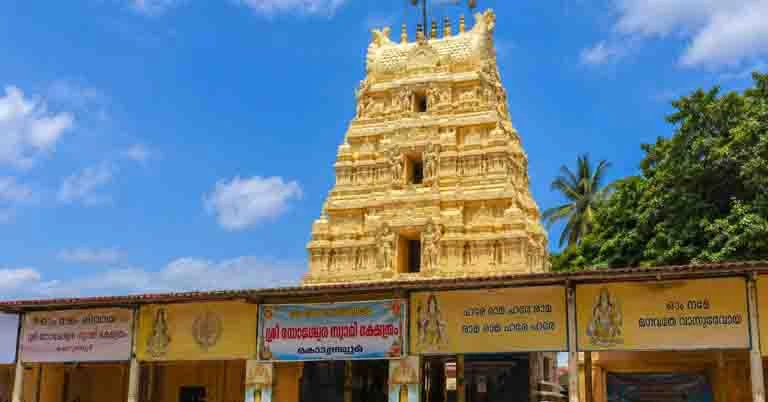
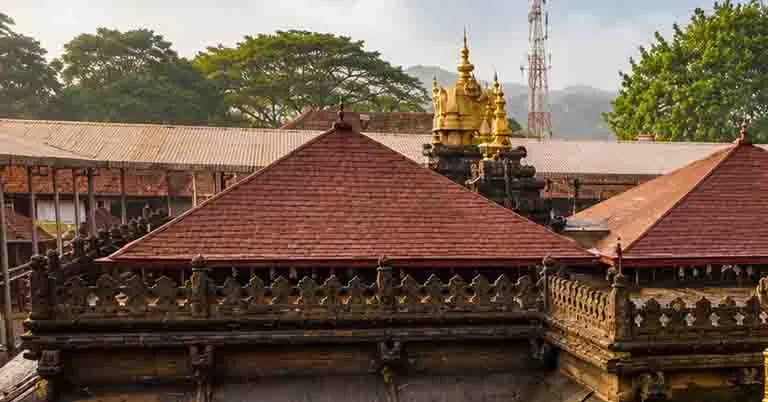
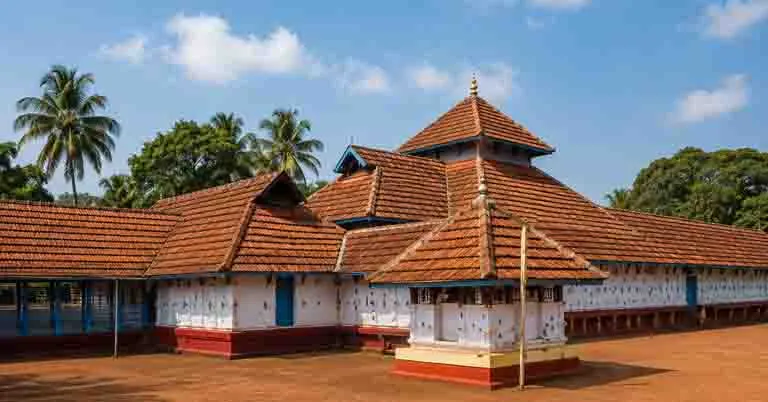
Kerala, the land of lush greenery, backwaters, and spiritual heritage, is dotted with innumerable ancient temples, each narrating tales of devotion, mythology, and architectural splendor. Among these sacred sites, the Chowalloor Siva Temple stands out as a prominent center of Shaivite worship, drawing devotees from across the state and beyond. Situated in Chowalloor village, in Thrissur district, this temple is renowned for its serene surroundings, divine aura, and centuries-old traditions dedicated to Lord Shiva.
Chowalloor Siva Temple is more than a place of worship; it is a living testament to Kerala’s spiritual, cultural, and architectural legacy, reflecting the devotion of generations of devotees and the timeless reverence for Lord Shiva, the cosmic destroyer and benefactor.
Location and Setting
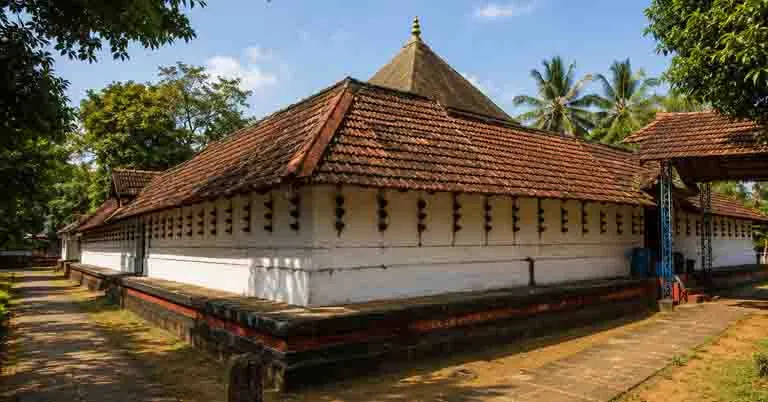
The temple is located in Chowalloor village, approximately 10 kilometers from Thrissur town, the cultural capital of Kerala. Nestled amid coconut groves, paddy fields, and gently flowing streams, the temple offers an environment of peace and spiritual reflection. Its serene location ensures a tranquil atmosphere, ideal for meditation and prayer.
The temple is easily accessible by road from Thrissur and nearby towns, and the Thrissur Railway Station serves as the nearest railway hub. The temple’s surroundings, enriched by natural beauty, amplify the spiritual experience, making every visit a journey into both nature and divinity.
Historical Background
The Chowalloor Siva Temple has a long and rich history that spans several centuries, tracing its origins to the Chera period (9th–12th centuries CE), a time when Shaivism flourished in Kerala. Though precise historical records are limited, local legends and inscriptions indicate that the temple has been a focal point of devotion for generations.
The temple is believed to have been patronized by local chieftains and Namboothiri Brahmin families, who ensured the continuation of its rituals and maintenance. Historical accounts also suggest that the temple was part of the 108 Shiva temples established by Lord Parasurama, the mythological founder of Kerala. Each of these temples was strategically installed to infuse the land with divine energy, and Chowalloor Siva Temple was considered one of the sacred spots of cosmic importance.

Mythological Significance
The mythology surrounding the Chowalloor Siva Temple is deeply rooted in Hindu Shaivite traditions. According to local legend, the temple is associated with a sage who performed intense penance seeking Lord Shiva’s blessings for spiritual wisdom and liberation (moksha).
Pleased by the sage’s devotion, Lord Shiva is said to have manifested as a self-born (Swayambhu) lingam, which became the central deity of the temple. The lingam here is believed to emit a powerful spiritual energy, capable of purifying the mind and soul of devotees.
Another legend narrates that the temple’s location was chosen by Lord Shiva himself, who appeared in a dream to the local king and instructed him to construct a temple at this serene spot, thus blessing the village with spiritual protection. Over time, this temple came to be revered not only for its religious significance but also as a guardian of the local community, safeguarding the land and its people.
Architectural Excellence
The Chowalloor Siva Temple is an exemplar of traditional Kerala temple architecture, blending simplicity with divine symbolism. Constructed primarily using laterite stones, teak wood, and copper roofing, the temple reflects the architectural wisdom of ancient Kerala, designed to withstand the tropical monsoon climate while retaining aesthetic charm.
1. The Gopuram (Temple Entrance)
The temple is approached through a modest yet beautifully decorated gopuram, adorned with wooden carvings depicting scenes from the Shiva Purana and other Shaivite texts. The entrance symbolizes the transition from the mundane world to the sacred realm of the divine.
2. The Nalambalam and Chuttambalam
Inside, the temple features a nalambalam (rectangular hall) and a chuttambalam (circumambulatory corridor), allowing devotees to perform the pradakshina (ritual circumambulation) of the deity. The pillars of the chuttambalam are intricately carved with motifs of celestial beings, divine animals, and floral patterns, reflecting the artistry of traditional Kerala woodwork.
3. The Sreekovil (Sanctum Sanctorum)
At the heart of the temple lies the Sreekovil, housing the Shiva Lingam, the supreme representation of Lord Shiva. The sanctum is circular (Vatta Sreekovil), a design that symbolizes eternity, the cosmos, and the cyclical nature of existence. The conical roof, covered in copper sheets, glistens under the sun, drawing the eye of visitors and devotees.
Inside the sanctum, the air is filled with the aroma of incense, sandalwood, and ghee lamps, enhancing the spiritual ambiance. Only the temple priests (Thantris and Melshanthis) are allowed inside to perform rituals, maintaining the sanctity of the divine space.
4. Sub-Shrines
The temple complex houses several sub-shrines dedicated to various deities associated with Lord Shiva, including:
- Lord Ganapathi (Ganesha) – remover of obstacles
- Lord Ayyappa – the youthful deity of dharma
- Naga Devatas (Serpent Gods) – worshipped for fertility and protection
- Bhagavathi (Parvati) – the divine consort of Shiva
These shrines reflect the inclusive spiritual vision of the temple, where multiple aspects of divine energy are worshipped in harmony.
5. Temple Tank (Theertham)
Adjacent to the temple lies a sacred pond, locally known as Chowalloor Theertham. Devotees traditionally cleanse themselves in the holy waters before entering the temple, believing it purifies both body and soul. The pond also serves as a venue for ritual offerings and certain festival ceremonies.
Daily Rituals and Worship
The daily worship at Chowalloor Siva Temple follows the Kerala Tantric tradition. The rituals are conducted with devotion and strict adherence to the Shaiva Agamas, emphasizing both spiritual discipline and ceremonial precision.
The daily poojas include:
- Nirmalyam – removal of previous offerings at dawn
- Usha Pooja – early morning ritual accompanied by the chanting of Rudram and Chamakam
- Ucha Pooja – noon offerings including flowers and food (Naivedyam)
- Deeparadhana – evening lamp worship illuminating the sanctum and courtyard
- Athazha Pooja – nightly rituals concluding the day’s worship
Special rituals like Rudrabhishekam are performed regularly, particularly on Pradosham days (twice a month), when devotees believe the deity bestows maximum blessings.
Mondays, the day sacred to Lord Shiva, attract large congregations of devotees. The temple is also a prominent destination for Maha Shivaratri, the great night of Shiva, when devotees observe fasting, night-long vigils, and special poojas.
Festivals and Celebrations
The annual temple festival at Chowalloor Siva Temple is a grand celebration marked by devotion, music, and cultural vibrancy. Typically held in the Malayalam month of Meenam (March–April), the festival spans several days.
1. Flag Hoisting (Kodiyettam)
The festival begins with Kodiyettam, the ceremonial hoisting of the temple flag, signaling the start of festivities. This ritual invites devotees from surrounding villages to participate in the celebrations.
2. Ezhunnallathu (Procession of the Deity)
During the festival, the deity is taken in a procession atop a caparisoned elephant, accompanied by traditional Chenda Melam and Panchavadyam performances. Devotees throng the temple courtyard and streets to witness this grand spectacle, which symbolizes the divine presence moving among the people.
3. Cultural Programs
Traditional art forms, including Kathakali, Ottanthullal, and classical music concerts, are performed during the festival, maintaining the temple’s cultural and spiritual legacy.
Other notable festivals observed include:
- Maha Shivaratri – night-long devotion and fasting
- Pradosham – bi-monthly worship for spiritual purification
- Navarathri – honoring the divine feminine energy (Shakti)
These celebrations are not only religious events but also cultural gatherings, reinforcing community bonds and the temple’s status as a spiritual hub.
Spiritual Significance
The Chowalloor Siva Temple holds profound spiritual importance for devotees. Lord Shiva, worshipped here in the form of a Swayambhu Lingam, symbolizes destruction of ignorance, protection of righteousness, and bestower of wisdom.
Devotees believe that praying at this temple removes obstacles, cures ailments, and grants spiritual insight. The temple’s serene environment and the resonance of sacred chants enhance meditation, helping visitors attain mental peace and spiritual clarity.
The temple also embodies the balance of cosmic energies, with the presence of Shiva and sub-deities representing creation, preservation, and dissolution. This alignment of divine forces makes Chowalloor Siva Temple a powerful spiritual center in Kerala.
Cultural and Community Role
The temple has historically functioned as a cultural and social nucleus in the region. It promotes traditional art forms, music, and Kerala’s temple rituals. Devotees and visitors participate in charitable activities such as Annadanam (feeding the poor), demonstrating the temple’s commitment to social welfare.
The temple administration, often overseen by a Devaswom Board and local trustees, ensures that both ritualistic integrity and architectural preservation are maintained. Renovations are carried out with attention to traditional Kerala design principles, preserving the temple’s historical authenticity.
Visiting Information
- Location: Chowalloor, Thrissur District, Kerala
- Nearest Railway Station: Thrissur Railway Station (approx. 10 km)
- Nearest Airport: Cochin International Airport (approx. 60 km)
- Temple Timings:
- o Morning: 5:00 AM – 11:00 AM
- o Evening: 5:00 PM – 8:00 PM
- Dress Code: Traditional attire is recommended; men typically wear mundu, and women wear sarees or salwar kameez.
The best time to visit is during Maha Shivaratri or the annual temple festival, when the temple radiates spiritual energy and cultural vibrancy.

Conclusion
The Chowalloor Siva Temple stands as a timeless monument of devotion, faith, and cultural heritage. With its rich history, ancient architecture, and divine legends, it continues to attract pilgrims seeking spiritual solace, wisdom, and the blessings of Lord Shiva.
The temple’s serene surroundings, sacred rituals, and annual festivals provide not just religious experience but also a journey into Kerala’s spiritual and cultural heart. For devotees and spiritual seekers, a visit to Chowalloor Siva Temple is a transformative experience, connecting them to the eternal cosmic energies embodied by Lord Mahadeva.
Disclaimer
The information provided by Web Arbiter (‘we’, ‘us’, or ‘our’) on https://webarbiter.in/ . The website is for general informational purposes only. All information on the Site is provided in good faith, however we make no representation or warranty of any kind, express or implied, regarding the accuracy, adequacy, validity, reliability, availability, or completeness of any information on the Site. UNDER NO CIRCUMSTANCE SHALL WE HAVE ANY LIABILITY TO YOU FOR ANY LOSS OR DAMAGE OF ANY KIND INCURRED AS A RESULT OF THE USE OF THE SITE OR RELIANCE ON ANY INFORMATION PROVIDED ON THE SITE. YOUR USE OF THE SITE AND YOUR RELIANCE ON ANY INFORMATION ON THE SITE IS SOLELY AT YOUR OWN RISK. Read Full Disclaimer