

Nestled in the lush greenery and calm environs of Kanjiramattam, near Ernakulam in Kerala, the Kanjiramattam Sree Mahadeva Temple stands as a magnificent symbol of the state’s ancient Shaiva traditions and architectural splendor. Dedicated to Lord Shiva, this revered shrine is one of the most prominent temples in central Kerala and is deeply associated with the legendary Kanjiramattom Kodikuthu festival, a vibrant event that unites faith and culture.
Situated about 25 kilometers from Kochi, this temple radiates an atmosphere of serenity and devotion, attracting thousands of devotees and visitors every year. The temple’s divine presence, coupled with its intricate architecture and rich rituals, makes it not only a spiritual center but also a living monument of Kerala’s cultural heritage.
Historical and Mythological Background
The Kanjiramattam Sree Mahadeva Temple is believed to have been established thousands of years ago, during the time of the early Chera kingdom. According to local legends, this temple was consecrated by Lord Parashurama, the sixth incarnation of Lord Vishnu, who is said to have founded 108 Shiva temples across Kerala to protect the land he reclaimed from the sea. Thus, Kanjiramattam is regarded as one among these 108 ancient Mahadeva temples, each embodying the spiritual energy of Lord Shiva in different forms.
The temple’s name, Kanjiramattam, is said to be derived from the Malayalam word “Kanjiram,” referring to the Kanjiram tree (Nux vomica), which is considered sacred to Lord Shiva. Legends narrate that a great sage performed intense penance beneath a Kanjiram tree at this very spot, invoking Lord Shiva, who appeared before him in his divine form of Mahadeva. The deity then agreed to remain here to bless devotees with peace and prosperity.
Mythologically, the temple is also linked to Sage Vyaghrapada and Sage Patanjali, both ardent devotees of Lord Shiva. It is believed that they visited this sacred site during their travels through Kerala, meditating on the Lord’s cosmic form. The temple, therefore, holds great significance as a Tapovanam — a forest of penance and devotion.
Deity and Spiritual Significance
The presiding deity of the temple is Lord Shiva, worshipped here as Mahadeva, the supreme Lord of the Universe. The Shiva Linga in the sanctum sanctorum (Sreekovil) is believed to be Swayambhoo (self-manifested), radiating powerful divine energy. The deity faces east, symbolizing the dawn of spiritual awakening and the dispelling of ignorance through divine knowledge.
Lord Shiva here is worshipped in his calm and benevolent aspect, granting blessings of peace, health, and prosperity to devotees. The temple is especially revered by those seeking relief from mental distress, family disharmony, and karmic afflictions.
Apart from Lord Shiva, the temple complex also enshrines several sub-deities (Upa-Devatas), including:
- Goddess Parvathy – the divine consort of Lord Shiva, symbolizing feminine energy and compassion.
- Lord Ganapathi – remover of obstacles and the god of wisdom.
- Lord Subramanya (Murugan) – the son of Shiva and Parvathi, representing valor and devotion.
- Lord Ayyappa – worshipped for righteousness and self-discipline.
- Naga Devatas (Serpent deities) – worshipped for protection and fertility blessings.
The spiritual atmosphere within the temple radiates tranquility, making it an ideal place for meditation and contemplation. Devotees believe that sincere prayers offered here are fulfilled swiftly, as Lord Mahadeva responds with grace and compassion.

Architecture and Layout
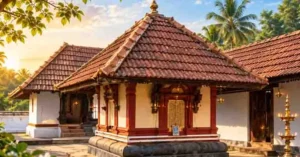
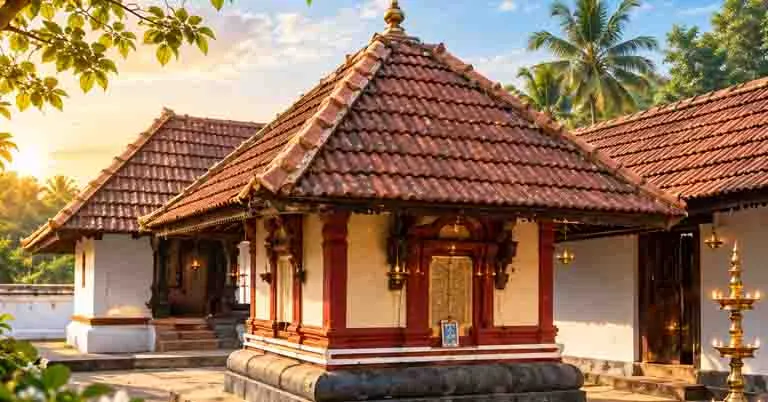
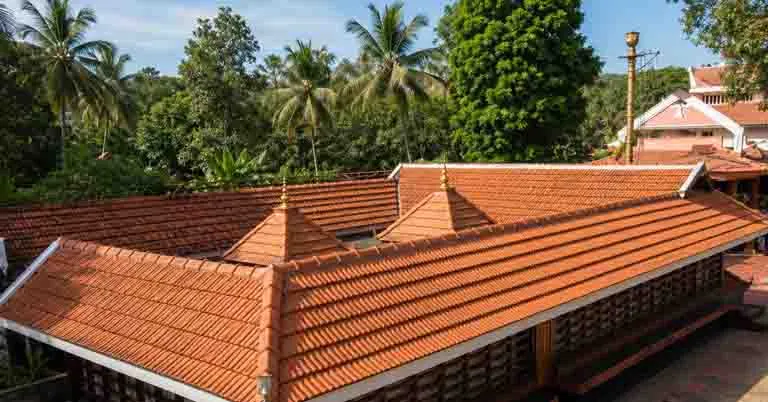
The Kanjiramattam Sree Mahadeva Temple is a fine example of traditional Kerala temple architecture, characterized by elegance, symmetry, and harmony with nature. Built according to the principles of Vastu Shastra and Tantra Samuchayam, the temple design reflects cosmic geometry and spiritual symbolism.
Key Architectural Features:
- Sreekovil (Sanctum Sanctorum):The innermost chamber houses the self-manifested Shiva Linga. The Sreekovil is constructed in the Vatta (circular) style with copper-tiled roofing and intricate wooden carvings. The sanctum’s simplicity enhances its spiritual grandeur, allowing devotees to focus solely on the divine presence within.
- Namaskara Mandapam:A square pavilion built in front of the sanctum, used for daily poojas and rituals. The beautifully carved wooden ceilings and granite flooring add to the sanctity of this structure.
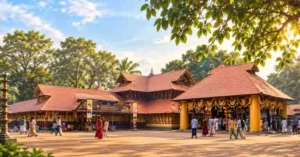
- Nalambalam and Chuttambalam:These are the inner and outer enclosures surrounding the sanctum. The Nalambalam contains lamps, altars, and ritual spaces, while the Chuttambalam provides a covered walkway for devotees to perform pradakshina (circumambulation). The walls are adorned with murals depicting episodes from Shiva Purana and other Hindu scriptures.
- Dhwaja Stambham (Flag Post):A tall, gold-plated flagpost stands near the entrance, representing the spiritual link between earth and heaven. During temple festivals, the ceremonial flag hoisting marks the start of festivities.
- Gopuram (Entrance Tower):The temple entrance is crowned by a traditional gopuram with tiled roofing and wooden carvings, typical of Kerala style. The structure exudes both majesty and humility, inviting devotees into the divine abode.
The temple’s premises are surrounded by sacred ponds and ancient banyan trees, adding to its natural charm and meditative ambience. The sound of temple bells, birdsong, and rustling leaves creates an atmosphere that transports devotees into spiritual stillness.
Daily Worship and Rituals
The temple follows the Shaiva Tantric system of worship, and all rituals are conducted by hereditary priests (Tantris and Melshanthis). The day begins with the ceremonial opening of the sanctum at dawn and concludes with the Athazha Pooja at night.
The major daily poojas include:
- Nirmalyam: Early morning ritual where the deity is awakened and the previous day’s decorations are removed.
- Abhishekam: Ritual bathing of the Shiva Linga with pure water, milk, ghee, honey, and sandalwood paste, accompanied by the chanting of Rudram and Chamakam.
- Usha Pooja: The first major worship of the day, symbolizing spiritual awakening.
- Ucha Pooja: The noon pooja, during which cooked rice (Nivedyam) and flowers are offered.
- Deeparadhana: Evening lamp worship that fills the temple with divine light and devotion.
- Athazha Pooja: The final worship of the day before closing the sanctum.
Devotees can also perform special offerings such as Rudrabhishekam, Mrityunjaya Homam, Dhara, Bilva Archana, and Ganapathi Homam. Mondays and Pradosha days are considered highly auspicious for worshipping Lord Shiva here.
Festivals and Celebrations
The temple’s calendar is filled with grand celebrations that blend devotion, art, and community participation. Among these, the most famous is the Kanjiramattam Kodikuthu Festival, one of Kerala’s most colorful and spiritually significant events.
1. Kanjiramattam Kodikuthu Festival
Celebrated every year in the Malayalam month of Dhanu (December–January), this festival is a magnificent cultural and religious spectacle. The celebration lasts for several days, culminating on the Kodiyettam (flag hoisting) day. The highlight is the Kodikuthu procession, where caparisoned elephants, traditional percussion ensembles (Panchavadyam, Chenda Melam), Kavadi dancers, and devotees carrying colorful silk umbrellas parade through the temple grounds.
The festival also features the Chand Kettu (illumination of lamps) and Thalappoli (procession of women carrying oil lamps), symbolizing the triumph of light over darkness. Devotees believe that participating in or witnessing this festival brings immense blessings and spiritual merit.
Interestingly, the Kanjiramattam festival is also notable for its inclusivity — people from all faiths and communities participate, highlighting Kerala’s secular and harmonious culture.
2. Maha Shivaratri
Another major celebration, Maha Shivaratri is observed with night-long prayers, fasting, and chanting of Om Namah Shivaya. The temple remains open throughout the night, with continuous abhishekam, Rudra chanting, and deeparadhana. The entire temple is beautifully illuminated, and the divine energy during this sacred night is palpable.
3. Pradosham and Mondays
Every Pradosham (the 13th day of the lunar fortnight) and Monday are special days dedicated to Lord Shiva. Devotees perform abhishekam and bilva archana seeking spiritual cleansing and divine grace.
Cultural Importance
The Kanjiramattam Sree Mahadeva Temple is more than a place of worship — it is a vibrant cultural institution that preserves Kerala’s performing arts, music, and traditional rituals. During festival days, performances of Kathakali, Chenda Melam, Panchavadyam, and Nadaswaram fill the temple grounds, offering both devotion and artistic splendor.
The temple also serves as a unifying center for the local community, with people of all castes and backgrounds participating in temple activities. This reflects the inclusive spirit of Lord Shiva, who transcends social barriers and blesses all devotees equally.
Location and Accessibility
The temple is located in Kanjiramattam, around 25 kilometers from Kochi, and is well-connected by road and rail. The nearest railway station is Ernakulam Junction, while Kochi International Airport lies about 40 kilometers away. Regular buses and taxis operate from Kochi city to Kanjiramattam.
The best time to visit is during early morning or evening poojas, or during the Kanjiramattam Kodikuthu Festival, when the temple comes alive with color, music, and devotion.

Conclusion
The Kanjiramattam Sree Mahadeva Temple is a shining beacon of faith, history, and artistic glory in Kerala. Dedicated to Lord Shiva, the temple’s tranquil ambiance, ancient rituals, and grand festivals reflect the eternal bond between divinity and humanity. Whether it is the rhythmic beats of Chenda Melam, the fragrance of burning camphor, or the sight of devotees bowing in unison, every moment here pulsates with spiritual energy.
As the lamps glow softly in the sanctum and chants of Om Namah Shivaya echo through the air, one realizes that Kanjiramattam is not merely a place on a map — it is a spiritual experience, a reminder of the divine presence that guides and protects every soul.
Disclaimer
The information provided by Web Arbiter (‘we’, ‘us’, or ‘our’) on https://webarbiter.in/ . The website is for general informational purposes only. All information on the Site is provided in good faith, however we make no representation or warranty of any kind, express or implied, regarding the accuracy, adequacy, validity, reliability, availability, or completeness of any information on the Site. UNDER NO CIRCUMSTANCE SHALL WE HAVE ANY LIABILITY TO YOU FOR ANY LOSS OR DAMAGE OF ANY KIND INCURRED AS A RESULT OF THE USE OF THE SITE OR RELIANCE ON ANY INFORMATION PROVIDED ON THE SITE. YOUR USE OF THE SITE AND YOUR RELIANCE ON ANY INFORMATION ON THE SITE IS SOLELY AT YOUR OWN RISK. Read Full Disclaimer