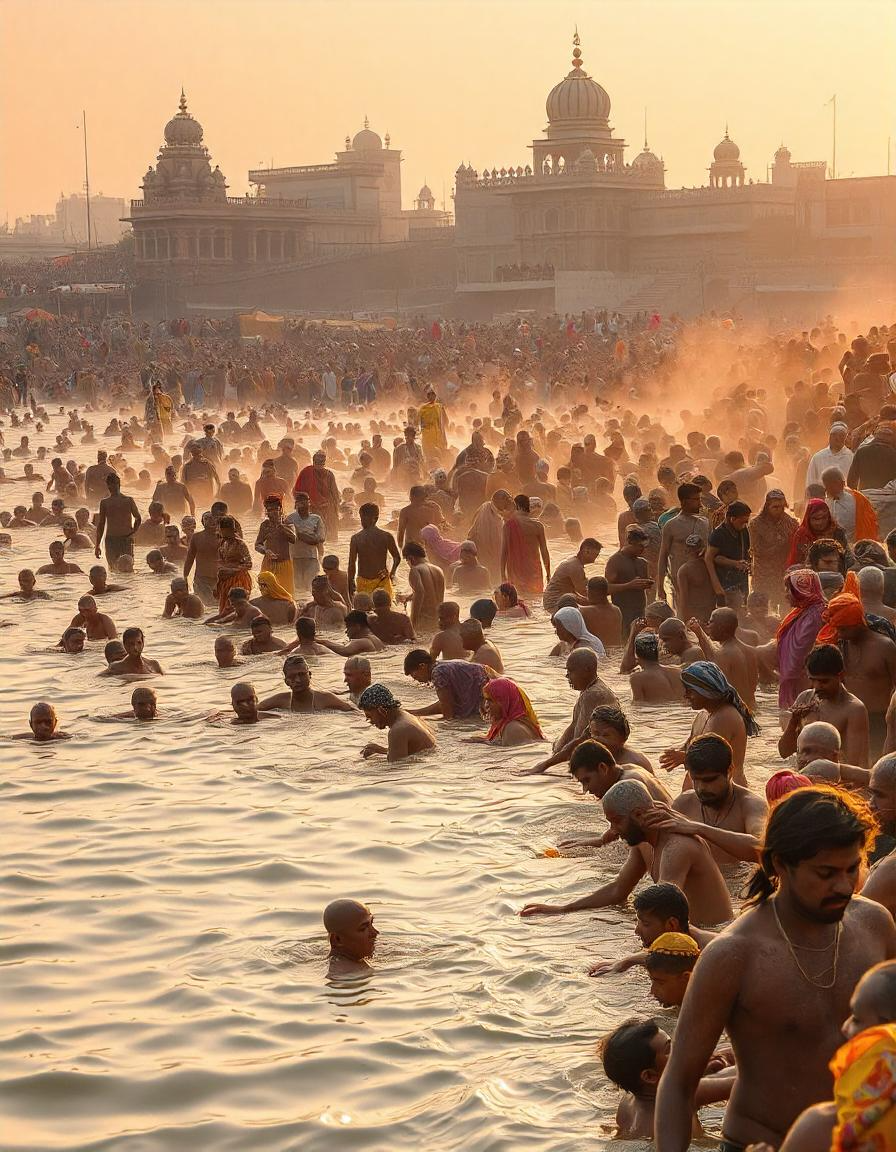
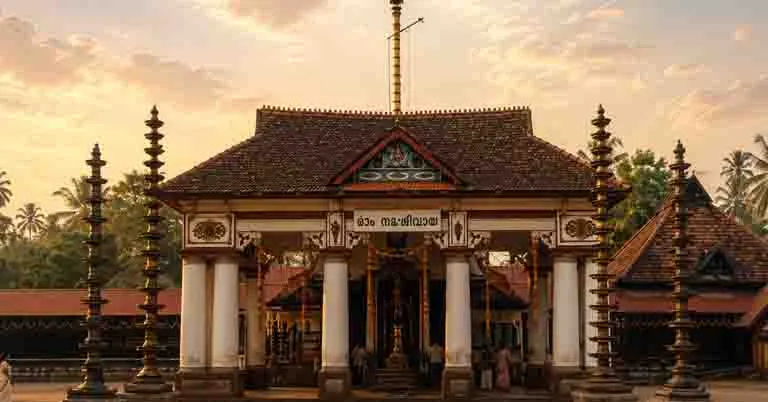
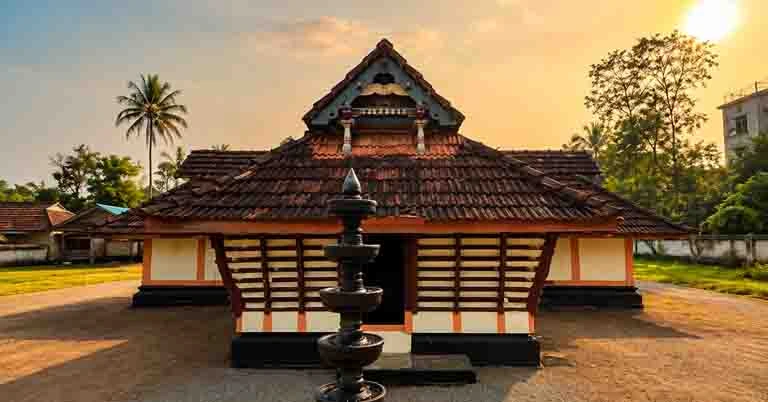
Nestled in the serene landscape of Kannur district, Kerala, Karivellur Mahadeva Temple stands as a monumental symbol of faith, tradition, and architectural splendor. This ancient shrine, dedicated to Lord Shiva, is one of the prominent temples in North Malabar, celebrated for its deep-rooted cultural heritage, spiritual significance, and historical prominence. Situated in Karivellur village, near Payyanur, the temple not only serves as a center of devotion but also as a testament to Kerala’s unique temple architecture and ritual traditions that have been preserved over centuries.
Mythological Significance
The origin of Karivellur Mahadeva Temple is steeped in mythology and divine legends. It is believed that Lord Parasurama, the sixth incarnation of Lord Vishnu, who reclaimed the land of Kerala from the sea, established several Shiva temples across the region to sanctify the new land. Among these ancient shrines, Karivellur Mahadeva Temple is said to be one of the most sacred. According to local belief, Lord Parasurama consecrated the idol of Lord Shiva in his fierce Rudra form, symbolizing the powerful yet benevolent protector of dharma.
The temple is also associated with the legend of Rishi Markandeya, the immortal devotee of Lord Shiva. The myth recounts that the sage, having been blessed with eternal youth by Lord Shiva after his unwavering devotion, worshiped the deity in this region. Hence, the Karivellur Mahadeva Temple is considered a place that radiates Shiva’s grace and compassion, offering liberation and blessings to devotees who worship with sincerity.
Historical Background
Karivellur Mahadeva Temple is believed to date back over a thousand years, tracing its origins to the early medieval period of Kerala’s temple-building era. Historical records and local folklore suggest that the temple was constructed during the reign of the Kolathiri kings, who were known patrons of Shaivism and temple art. Over the centuries, the temple was maintained and renovated by local feudal lords and devotees who contributed to its preservation.
The temple served as not only a religious center but also a hub of social and cultural gatherings in the region. Ancient inscriptions and oral traditions reveal that it played an important role in local administration, community festivals, and education during the medieval period.
Architectural Splendor
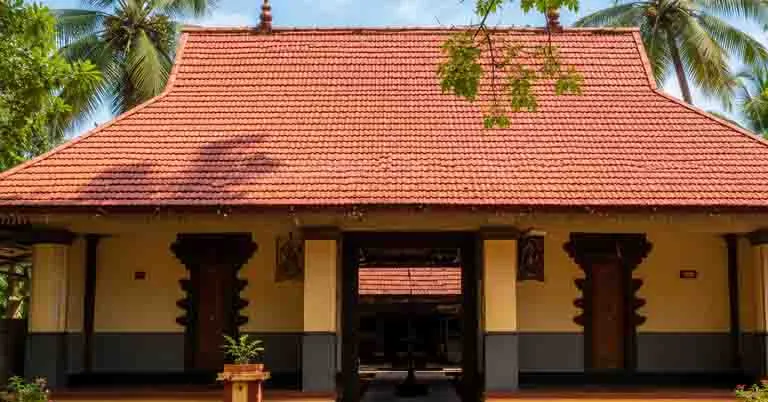
The architecture of Karivellur Mahadeva Temple reflects the traditional Kerala style, characterized by harmony with nature, exquisite woodwork, and intricate carvings. The temple complex is enclosed within tall laterite stone walls, symbolizing protection and sanctity. The gopuram (entrance tower) is modest yet elegant, leading devotees into a spiritually charged atmosphere.
The main sreekovil (sanctum sanctorum) houses the idol of Lord Shiva in the form of a Shiva Linga, representing the cosmic energy and the formless aspect of the divine. The sanctum is circular in shape, a typical feature of Kerala’s temple architecture, and roofed with copper-plated tiles. The namaskara mandapam, situated in front of the sanctum, features finely carved wooden ceilings depicting episodes from Shaivite mythology and floral motifs.
Around the main shrine, there are subsidiary shrines dedicated to Lord Ganapathy, Goddess Parvathi, Lord Subramanya, and Nagaraja. Each of these shrines represents an aspect of divine energy complementing Lord Shiva’s presence. The vilakkumadam (lamp enclosure) surrounding the sanctum is illuminated during special poojas and festivals, creating a breathtaking spectacle of divine light.

Deity and Worship
The presiding deity, Karivellur Mahadevan (Lord Shiva), is revered as a guardian and destroyer of ignorance. The idol, consecrated in the form of a Shiva Linga, represents both power and serenity. Regular rituals such as abhishekam (ritual bathing), deeparadhana (lamp worship), and usha pooja (morning worship) are performed daily by dedicated priests following traditional Tantric customs.
The temple follows the Shaiva Tantric system of worship, emphasizing purity, devotion, and discipline. Devotees believe that sincere prayers at this temple bring relief from ailments, fulfillment of desires, and spiritual enlightenment. Mondays, being auspicious for Lord Shiva, witness a large number of devotees offering prayers and performing mrithyunjaya homam and rudrabhishekam.
Festivals and Celebrations
The annual Mahashivaratri festival is the grandest celebration at Karivellur Mahadeva Temple. This sacred night, symbolizing the union of Shiva and Shakti, draws thousands of devotees from across Kerala and beyond. The temple premises are adorned with oil lamps, floral decorations, and vibrant lights, creating a celestial atmosphere.
Special poojas such as Rudrabhishekam, Sreebhootha Bali, and Vilakku Aaradhana are conducted throughout the day and night. Devotees observe fasting and remain awake chanting Lord Shiva’s names, believing that worship on this night absolves sins and brings divine blessings.
Another major festival is the annual Utsavam (Temple Festival), which typically spans eight to ten days. The festival commences with the ceremonial Kodiyettam (flag hoisting) and culminates in Arattu (holy bath) of the deity in the nearby temple pond or river. The festival includes cultural performances such as Kathakali, Theyyam, Thayambaka, and Panchavadyam, representing Kerala’s artistic heritage.
Additionally, Pradosham, observed twice every month, and Thiruvathira, associated with Goddess Parvathi’s devotion to Shiva, are celebrated with great fervor.
Unique Features and Traditions
One of the unique aspects of Karivellur Mahadeva Temple is its ritualistic alignment with natural elements. The temple’s structure and sanctum orientation are designed according to Vastu Shastra, allowing natural sunlight to fall upon the Shiva Linga during specific times of the year, symbolizing divine illumination.
The temple also has an ancient sacred pond (temple tank), believed to have healing properties. Devotees often take a dip before entering the shrine, signifying purification of the body and soul.
The temple’s daily rituals and festivals are managed by a hereditary group of Tantric priests and temple trustees, ensuring the continuation of ancient traditions without deviation. The temple committee also takes active steps in preserving the heritage through restoration projects and community participation.
Cultural Importance
Beyond its religious stature, Karivellur Mahadeva Temple serves as a cultural nucleus for the local community. It hosts various artistic performances, spiritual discourses, and cultural gatherings, fostering unity among people. The temple premises often resonate with the sounds of traditional percussion instruments during festivals, reflecting Kerala’s deep cultural rhythm.
The temple’s link to Theyyam, the ritual dance form of North Kerala, is significant. Several Theyyam performances related to Lord Shiva and his attendants are performed annually as part of temple festivities, reinforcing the ancient bond between divine worship and folk culture.
Spiritual Experience
Visiting Karivellur Mahadeva Temple offers an experience that transcends ritualistic worship. The tranquil surroundings, rhythmic chants, and the lingering fragrance of incense create an atmosphere conducive to meditation and inner peace. Devotees often describe the temple as a place where divinity meets serenity, where the stillness of nature blends harmoniously with spiritual energy.
Pilgrims who visit the temple often make offerings such as ghee lamps, bilva leaves, and rudraksha malas, seeking blessings for health, prosperity, and liberation from worldly sufferings. The temple is especially revered by those who believe in Shiva as the cosmic teacher (Dakshinamurti), the embodiment of supreme wisdom.

Accessibility and Location
The temple is located in Karivellur village, approximately 8 kilometers from Payyanur and easily accessible via road and rail. The nearest railway station is Payyanur Railway Station, and the closest airport is Kannur International Airport, about 60 kilometers away. The temple’s serene rural setting, surrounded by lush paddy fields and coconut groves, adds to its spiritual charm.
Preservation and Modern Role
In recent decades, the Karivellur Mahadeva Temple Trust has undertaken initiatives for conservation and infrastructure improvement while maintaining the sanctity of the temple’s traditional layout. Efforts include restoration of murals, preservation of wooden carvings, and improved facilities for devotees. Despite modernization, the temple continues to uphold its age-old rituals and customs unchanged, preserving the essence of Kerala’s sacred traditions.
Conclusion
The Karivellur Mahadeva Temple stands as a beacon of devotion, history, and heritage in the northern landscape of Kerala. It is more than just a place of worship—it is a living monument that embodies the timeless bond between humanity and divinity. The temple’s serene environment, ancient rituals, and cultural richness make it a sacred sanctuary for seekers of peace and spiritual awakening.
For devotees of Lord Shiva, Karivellur Mahadeva Temple remains a gateway to divine grace, offering solace to the heart, purification to the soul, and enlightenment to the mind. It continues to inspire faith and reverence, standing as an enduring testament to Kerala’s spiritual grandeur and cultural legacy.
Disclaimer
The information provided by Web Arbiter (‘we’, ‘us’, or ‘our’) on https://webarbiter.in/ . The website is for general informational purposes only. All information on the Site is provided in good faith, however we make no representation or warranty of any kind, express or implied, regarding the accuracy, adequacy, validity, reliability, availability, or completeness of any information on the Site. UNDER NO CIRCUMSTANCE SHALL WE HAVE ANY LIABILITY TO YOU FOR ANY LOSS OR DAMAGE OF ANY KIND INCURRED AS A RESULT OF THE USE OF THE SITE OR RELIANCE ON ANY INFORMATION PROVIDED ON THE SITE. YOUR USE OF THE SITE AND YOUR RELIANCE ON ANY INFORMATION ON THE SITE IS SOLELY AT YOUR OWN RISK. Read Full Disclaimer