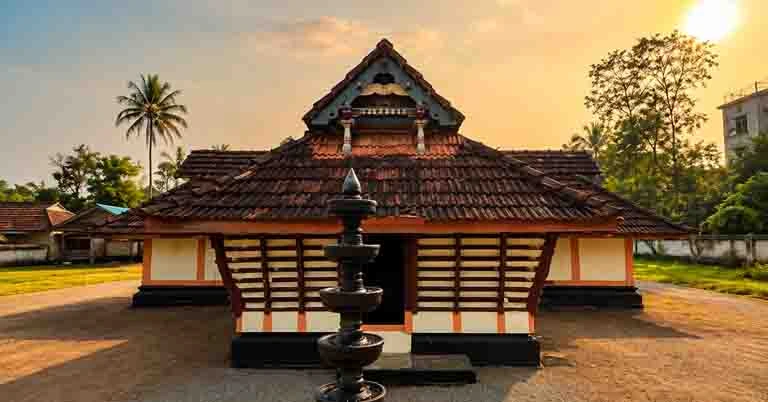


Nestled amidst the serene landscapes of Palakkad district, Kerala, the Killikkurussi Mahadeva Temple is one of the most ancient and revered shrines dedicated to Lord Shiva. The temple stands as a symbol of divine grace, cultural heritage, and architectural grandeur, embodying the spiritual essence of Kerala’s temple tradition. Located near Ottapalam, the temple’s tranquil surroundings and historical significance make it a cherished destination for pilgrims and devotees seeking the blessings of Lord Mahadeva.
With an aura of timeless divinity, the Killikkurussi Mahadeva Temple represents centuries of devotion and artistry. The temple not only serves as a sacred space for worship but also as a living monument that reflects Kerala’s intricate temple architecture, rituals, and deep-rooted spirituality.
Historical Background and Origins
The history of the Killikkurussi Mahadeva Temple stretches back several centuries, believed to have originated during the reign of the Chera dynasty or the early medieval period. The name “Killikkurussi” itself carries mythological resonance — “Killi” refers to the ancient Chera rulers whose names often bore the suffix “Killi,” and “Kurussi” means sacred grove or elevated holy land. Thus, Killikkurussi can be translated as “the sacred land of the Chera King.”
Local tradition holds that the temple was established by one of the Chera monarchs, possibly as part of their devotion to Lord Shiva, who was revered as the guardian deity of kings and warriors. The temple is also linked to the 108 ancient Shiva temples of Kerala, said to have been consecrated by Sage Parashurama, the sixth incarnation of Lord Vishnu.
Over the centuries, the temple served as a center for religious, social, and cultural activities. The Namboothiri Brahmins of the region traditionally managed the temple’s affairs, ensuring that the rituals and festivals were conducted with adherence to the Tantric and Agamic principles of Shaiva worship.
Mythological Legends and Divine Significance
According to local mythology, the Killikkurussi Mahadeva Temple stands on a site where Lord Shiva manifested to bless a group of sages who were performing severe penance. It is said that when the sages invoked Shiva through deep meditation, the Lord appeared in a dazzling column of light, symbolizing his cosmic form as Jyotirlinga. The sages, overwhelmed by his divine presence, requested him to stay permanently at the site for the welfare of humankind.

Another legend states that a devout Brahmin from the region once discovered a Shivalinga under a sacred tree, after hearing mysterious chants emanating from the forest. Recognizing it as a divine manifestation, he built a small shrine around it, which gradually evolved into the grand temple seen today.
The temple also carries an association with Goddess Parvati, as she is believed to have joined Lord Shiva here, blessing the land with fertility and prosperity. This divine union is celebrated symbolically through various rituals and festivals held annually.
Architectural Splendor
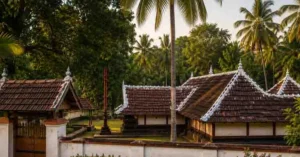
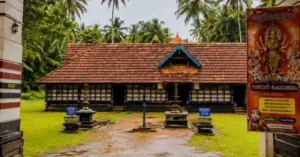
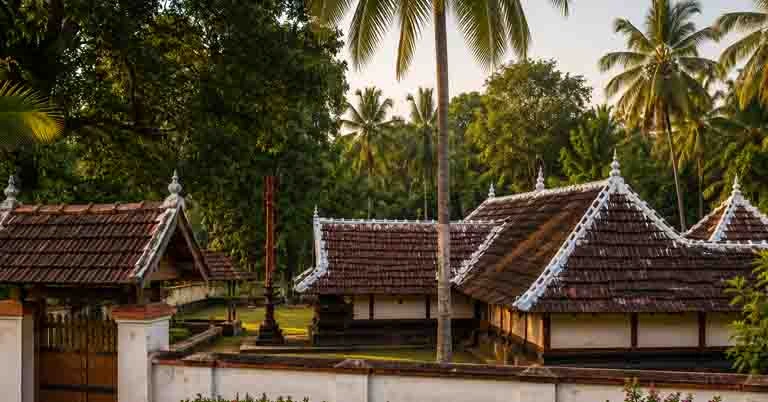
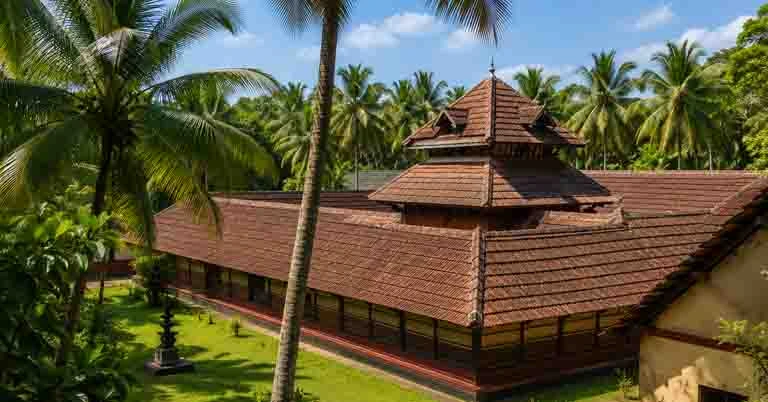
The Killikkurussi Mahadeva Temple is an outstanding example of traditional Kerala-style temple architecture, which harmonizes beauty, geometry, and symbolism. The temple layout follows the principles of Vastu Shastra and Tantra Vidya, emphasizing alignment with cosmic energies and natural elements.
The Sreekovil (Sanctum Sanctorum), which enshrines the Shivalinga, is square in shape — a style typically associated with Shiva temples in Kerala. Constructed from granite and laterite blocks, the sanctum is capped by a copper-plated, pyramid-shaped roof. The sanctum’s interior is adorned with lamps and flower garlands, creating a divine glow during poojas.
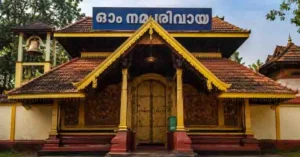
The Namaskara Mandapam, located in front of the sanctum, features exquisite wooden carvings and pillars. The ceiling panels depict mythological scenes, such as Shiva’s cosmic dance (Tandava), and carvings of deities like Nandi, Parvati, and Ganesha.
The Chuttambalam (outer hall) encircles the sanctum, providing space for devotees to perform circumambulation (Pradakshinam). The Dwajasthambam (flagstaff), covered in gold plating, and the Deepasthambam (lamp tower), stand majestically before the sanctum — both considered symbols of divine connection between the mortal world and the heavens.
The temple also features a Gopuram (gateway tower), designed in Kerala’s signature architectural style, with sloping tiled roofs and wooden engravings. The temple pond (Ambalakkulam) lies adjacent to the main structure, used for ritual purification and temple ceremonies.
Every element of the temple’s design — from the Balikkal Mandapam to the Vilakkumadam — reflects meticulous craftsmanship, precision, and a deep sense of devotion.
Deities and Sub-Shrines
While Lord Shiva (Mahadeva) is the principal deity, the Killikkurussi Mahadeva Temple also houses several Upa-devatas (sub-deities), reflecting the inclusivity of Hindu temple traditions. These include:
- Goddess Parvati (Bhagavathy) – Worshipped as the consort of Shiva and the embodiment of divine power.
- Lord Ganapathy (Vinayaka) – The remover of obstacles, invoked at the beginning of all rituals.
- Lord Subrahmanya (Murugan) – The son of Shiva and Parvati, symbolizing courage and wisdom.
- Lord Ayyappa, Naga Devatas (Serpent Gods), and Brahmarakshas – Representing various aspects of cosmic energy and protection.
The coexistence of multiple deities within the same sacred space symbolizes the unity of different divine forces working in harmony for universal well-being.
Rituals and Daily Worship
The Killikkurussi Mahadeva Temple follows a strict daily schedule of rituals based on Tantric Shaiva traditions. The temple opens early in the morning, allowing devotees to begin their day with the Nirmalya Darshanam — the first glimpse of the deity adorned with the previous night’s offerings.
The main daily poojas include:
- Usha Pooja (Morning Pooja) – Performed at dawn with chanting of Vedic hymns and offering of fresh flowers.
- Ucha Pooja (Noon Pooja) – A grand mid-day ritual involving Abhishekam (sacred bath) with milk, honey, and water.
- Deeparadhana (Evening Lamp Offering) – The temple glows with hundreds of oil lamps as priests perform rituals amidst rhythmic chants.
- Athazha Pooja (Night Pooja) – The final offering before the temple closes, symbolizing rest for the deity.
Mondays, being auspicious for Lord Shiva, attract large numbers of devotees. Special Abhishekas, Rudrabhishekams, and Mrityunjaya Homams are conducted for spiritual cleansing and longevity.
The temple also observes Pradosham twice every lunar month, when devotees gather to perform prayers that remove karmic obstacles and invoke divine blessings.
Festivals and Celebrations
The temple’s annual festival (Utsavam) is celebrated with grandeur and spiritual fervor, usually during the Malayalam month of Meenam (March–April). The festival lasts for several days, featuring elaborate rituals, processions, and cultural performances that attract devotees from across Kerala.
Major Highlights:
- Kodiyettam (Flag Hoisting): Marks the beginning of the festival, symbolizing the deity’s invitation to celestial beings.
- Utsava Bali and Sreebhootha Bali: Ritual offerings to guardian deities for protection and prosperity.
- Caparisoned Elephants and Panchavadyam: Traditional temple music performances create an atmosphere of divine celebration.
- Aarattu (Holy Bath): The ceremonial bathing of the deity in the temple pond, marking the festival’s conclusion.
The Maha Shivaratri festival is another major event at the Killikkurussi Mahadeva Temple. Devotees observe fasting, meditation, and night-long chanting of “Om Namah Shivaya.” The temple remains illuminated throughout the night, creating an ethereal sight that draws pilgrims from far and wide.
Other important festivals include Thiruvathira, Navaratri, and Pradosham, all celebrated with great devotion and cultural vibrancy.
Cultural and Social Role
Beyond being a center of worship, the Killikkurussi Mahadeva Temple plays an essential role in the cultural and social life of the community. It serves as a hub for traditional arts, music, and dance forms such as Kathakali, Chenda Melam, Thayambaka, and Ottanthullal, performed during temple festivals.
The temple also engages in various charitable and community services, including Annadanam (free food distribution) and welfare initiatives for the underprivileged. The temple administration promotes education, health awareness, and cultural preservation through its programs.
Thus, the temple not only serves as a spiritual sanctuary but also as a symbol of compassion, unity, and cultural continuity.
Spiritual Experience and Divine Ambience
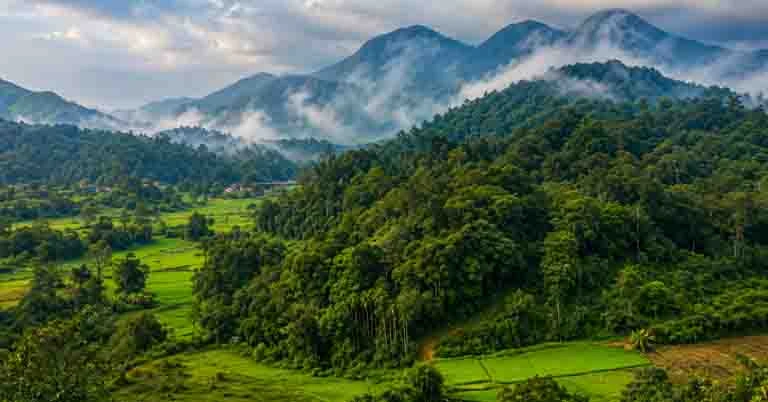
Visiting the Killikkurussi Mahadeva Temple offers a deeply spiritual experience. The soothing rhythm of temple bells, the fragrance of incense, and the chanting of mantras create an atmosphere of divine energy. The temple’s location amidst lush greenery and gentle breeze from nearby rivers enhances the sense of peace and purity.
Devotees believe that worshipping here grants spiritual liberation (Moksha), removal of obstacles, and blessings of health, prosperity, and mental strength. Many devotees testify to miraculous experiences, attributing them to Lord Shiva’s benevolent presence at Killikkurussi.
The temple’s serene surroundings make it an ideal place for meditation and introspection, helping visitors connect with their inner consciousness.

Conclusion
The Killikkurussi Mahadeva Temple stands as a timeless monument of faith, devotion, and architectural brilliance. Dedicated to Lord Shiva, it reflects the harmony between spirituality and artistry that defines Kerala’s sacred heritage. Through centuries, it has inspired countless devotees, saints, and scholars with its divine aura and cultural richness.
Every stone, carving, and ritual of the temple speaks of an eternal truth — that Lord Shiva, the cosmic energy, transcends time, form, and space to dwell in the hearts of devotees who approach him with love and humility.
The temple’s legends, architectural beauty, and vibrant traditions make it not only a spiritual destination but also a cultural treasure of Kerala. Whether one seeks divine blessings, historical insight, or inner peace, the Killikkurussi Mahadeva Temple offers an experience that transcends the material world — guiding every devotee toward the realization of the supreme self, the eternal Mahadeva.
Disclaimer
The information provided by Web Arbiter (‘we’, ‘us’, or ‘our’) on https://webarbiter.in/ . The website is for general informational purposes only. All information on the Site is provided in good faith, however we make no representation or warranty of any kind, express or implied, regarding the accuracy, adequacy, validity, reliability, availability, or completeness of any information on the Site. UNDER NO CIRCUMSTANCE SHALL WE HAVE ANY LIABILITY TO YOU FOR ANY LOSS OR DAMAGE OF ANY KIND INCURRED AS A RESULT OF THE USE OF THE SITE OR RELIANCE ON ANY INFORMATION PROVIDED ON THE SITE. YOUR USE OF THE SITE AND YOUR RELIANCE ON ANY INFORMATION ON THE SITE IS SOLELY AT YOUR OWN RISK. Read Full Disclaimer