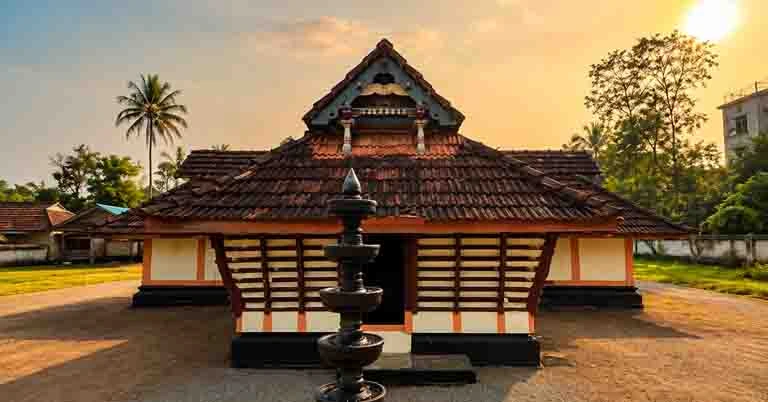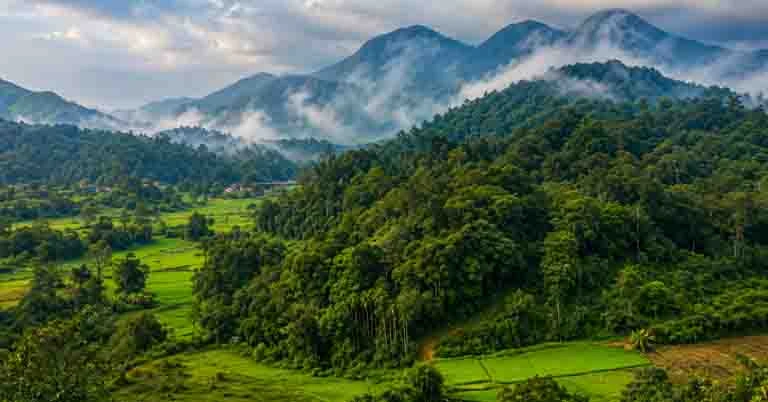


Nestled in the serene and spiritually vibrant region of Palakkad district, Kerala, the Kodumbu Mahadeva Temple stands as a timeless shrine dedicated to Lord Shiva, the supreme deity symbolizing cosmic destruction and regeneration. This ancient temple, believed to date back several centuries, is not only a center of deep spiritual devotion but also a fine representation of Kerala’s traditional temple architecture, culture, and heritage.
The temple occupies a special place among the Shiva temples of Kerala because of its powerful spiritual aura, its unique rituals, and its historical and cultural significance. Locals regard it as one of the most potent Shiva kshetras in the region, and it draws devotees from across the state, especially during the annual festivals.
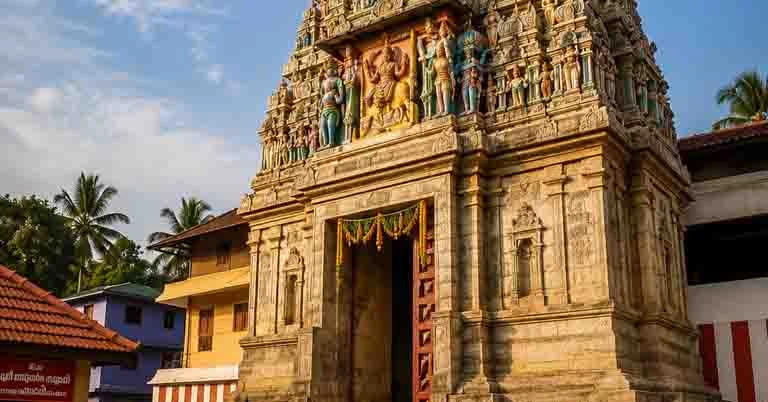
Historical Significance
The origins of the Kodumbu Mahadeva Temple trace back to ancient times, and local traditions associate it with the Parashurama legend, the sage who is believed to have reclaimed Kerala from the sea and consecrated numerous Shiva temples across the land. Kodumbu is said to be one of these sacred sites established to spread divine balance and energy throughout the region.
Historical records and temple chronicles suggest that the temple was patronized by local rulers and Brahmin families who maintained the temple and its rituals. The Kodumbu Desam, where the temple stands, was an important settlement in the medieval period, known for its agrarian prosperity and Vedic learning centers. Over time, the temple evolved into a prominent spiritual and social hub where festivals, music, and rituals played an integral role in community life.
Architecture and Structure
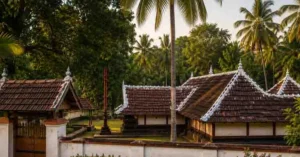
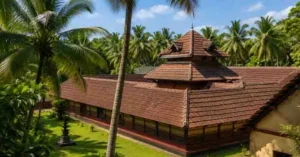
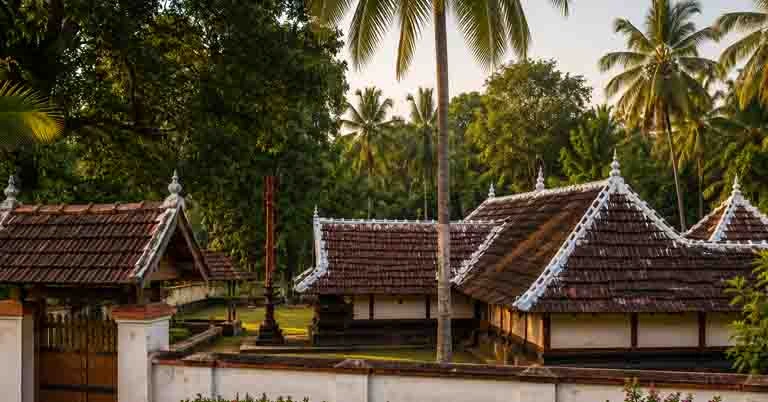
The Kodumbu Mahadeva Temple showcases the quintessential Kerala-style temple architecture, known for its harmony with nature, intricate woodwork, and spiritual symbolism. Built primarily of laterite stones, timber, and copper plates, the temple complex follows the traditional Vastu Shastra principles that align the sanctum with cosmic energy.

At the heart of the temple lies the Sreekovil (sanctum sanctorum), which enshrines a magnificent Shivalinga, symbolizing Lord Shiva in his infinite, formless presence. The Sreekovil has a square plan with a conical roof covered in copper sheets, reflecting sunlight beautifully during the day and glowing under the light of traditional oil lamps at night. The Namaskara Mandapam, located in front of the sanctum, is supported by intricately carved wooden pillars depicting mythological motifs and celestial beings.
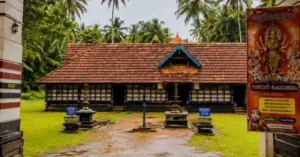
Surrounding the sanctum is the Chuttambalam, the covered passage used for circumambulation (pradakshina). The temple also has shrines dedicated to Lord Ganapathy, Lord Subramanya, Goddess Parvati, and Nandi, the sacred bull and gatekeeper of Lord Shiva. The Dwajasthambam (flagstaff), made of brass and beautifully polished, stands proudly at the temple entrance, symbolizing the temple’s divine energy and sanctity.
The outer courtyard (prakaram) features ancient stone lamps, lush trees, and a serene ambiance that enhances meditation and prayer. The architecture, though simple compared to massive Dravidian temples, is deeply symbolic and radiates a sense of purity and spiritual tranquility.
Deity and Spiritual Importance
The presiding deity, Lord Shiva, is worshipped here in his benevolent and auspicious form, believed to be a granter of peace, prosperity, and liberation. The Shivalinga of Kodumbu is said to possess immense spiritual energy, and the vibrations around the sanctum are considered profoundly powerful by devotees.
Legend holds that this Shivalinga is Swayambhu (self-manifested), and hence the temple’s energy is considered particularly intense. Devotees believe that sincere prayers offered here remove obstacles, cure ailments, and bring mental clarity and spiritual upliftment. Lord Shiva at Kodumbu is often invoked during Pradosham, Maha Shivaratri, and Monday rituals, days traditionally associated with Shiva worship.
Rituals and Worship Practices
The daily poojas and rituals at Kodumbu Mahadeva Temple follow the Tantric and Agamic traditions of Kerala Shaivism. The main offerings include Abhishekam (ritual bathing of the Shivalinga with milk, ghee, and water), Niramala, Pushpanjali, and Aarti. Devotees also perform Mrityunjaya Homam and Rudrabhishekam to invoke the blessings of Shiva for longevity, peace, and spiritual evolution.
The temple opens early in the morning with Nirmalya Darshanam, followed by Usha Pooja (morning worship), Noon Pooja, and Deeparadhana (evening ritual). The rhythmic chanting of Rudram and Chamakam by the temple priests creates a divine atmosphere that uplifts the spirit of all present. Mondays are particularly significant, as devotees fast and perform special offerings to Lord Shiva.
Festivals and Celebrations
Among the many festivals celebrated at Kodumbu Mahadeva Temple, Maha Shivaratri is the most prominent and spiritually charged. The festival is observed with great devotion and grandeur, marked by night-long vigils, chanting of Shiva mantras, cultural programs, and the lighting of thousands of lamps around the temple premises. Devotees undertake fasting and stay awake throughout the night, chanting Om Namah Shivaya and listening to devotional discourses.
The Annual Utsavam (Temple Festival), usually held during the Malayalam month of Dhanu or Makaram, spans several days and includes flag hoisting (Kodiyettam), daily processions of the deity on caparisoned elephants, Panchavadyam (traditional orchestra), Kathakali performances, and Aarattu (holy bath) in the nearby river or temple pond. The festival unites the local community and is a vibrant display of devotion, music, art, and culture.
Other important occasions include Pradosham, Thiruvathira, and Navaratri, each observed with special rituals and prayers. During Pradosham, devotees gather in large numbers to offer ghee lamps and circumambulate the temple chanting the Shiva mantra, believed to remove sins and purify the soul.
Cultural and Community Importance
The Kodumbu Mahadeva Temple serves not only as a center for worship but also as a nucleus of cultural and social life in the region. The temple supports traditional art forms, music recitals, and educational activities. It has long been associated with promoting Vedic learning, Ayurveda, and Astrology, which are integral parts of Kerala’s spiritual tradition.
The temple administration and the local community work together to maintain its sanctity and organize charitable events, including Annadanam (free food distribution) during festivals and auspicious days. The temple is also known for its strict adherence to traditional customs, preserving the purity and authenticity of ancient Kerala temple rituals.
Legends and Beliefs
Several legends surround the origin and power of Kodumbu Mahadeva Temple. One popular legend narrates that a devout sage performed penance here, invoking Lord Shiva to appear. Pleased by his devotion, the Lord manifested in the form of a radiant linga, blessing the region with divine energy. Another local tale suggests that the temple was miraculously discovered when a farmer struck the ground while ploughing and found the sacred linga emitting a brilliant light.
It is also believed that Parvati Devi resides here with Shiva, ensuring that the temple radiates both divine grace and maternal compassion. Many devotees have reported miraculous healings, fulfilled wishes, and deep spiritual experiences after praying sincerely at this temple.
Temple Environment and Pilgrim Experience
The atmosphere of the Kodumbu Mahadeva Temple is one of profound peace and natural beauty. Surrounded by lush greenery, coconut groves, and paddy fields, the temple exudes an ancient charm that immediately calms the mind. The gentle fragrance of sandalwood, jasmine, and burning oil lamps fills the air, creating an environment conducive to meditation and devotion.
Visitors often describe the temple as a sanctuary where time seems to slow down, allowing them to connect deeply with the divine presence of Shiva. The sound of temple bells, the chanting of Vedic hymns, and the flicker of countless lamps together create a mystical experience that remains etched in memory long after one departs.

Conclusion
The Kodumbu Mahadeva Temple stands as a timeless testament to Kerala’s deep-rooted Shaiva tradition, blending spiritual power, architectural beauty, and cultural richness. It is not merely a place of worship but a living embodiment of divine energy and heritage, where faith meets art, devotion meets discipline, and community meets divinity.
Through centuries of continuous worship, the temple continues to inspire countless devotees to seek inner peace and divine wisdom. Whether one visits to perform a simple offering, participate in the grand Maha Shivaratri celebrations, or meditate in silence before the Shivalinga, the experience at Kodumbu Mahadeva Temple leaves an indelible mark on the heart and soul — a reminder of the eternal truth that “Shiva is the Supreme Consciousness present in all.”
Disclaimer
The information provided by Web Arbiter (‘we’, ‘us’, or ‘our’) on https://webarbiter.in/ . The website is for general informational purposes only. All information on the Site is provided in good faith, however we make no representation or warranty of any kind, express or implied, regarding the accuracy, adequacy, validity, reliability, availability, or completeness of any information on the Site. UNDER NO CIRCUMSTANCE SHALL WE HAVE ANY LIABILITY TO YOU FOR ANY LOSS OR DAMAGE OF ANY KIND INCURRED AS A RESULT OF THE USE OF THE SITE OR RELIANCE ON ANY INFORMATION PROVIDED ON THE SITE. YOUR USE OF THE SITE AND YOUR RELIANCE ON ANY INFORMATION ON THE SITE IS SOLELY AT YOUR OWN RISK. Read Full Disclaimer