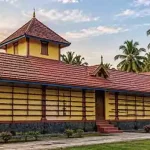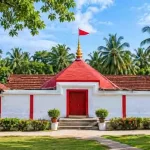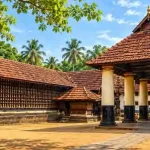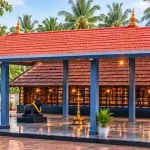
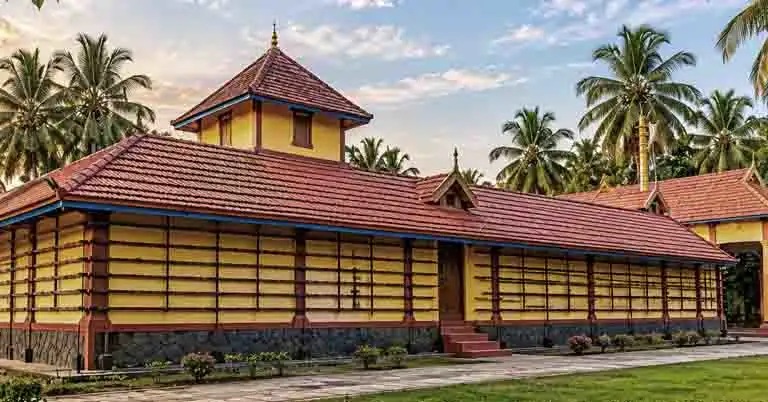

The Kondazhy Tritham Tali Siva Temple, located in Kondazhy village in the Thrissur district of Kerala, stands as one of the most spiritually significant and historically rich temples dedicated to Lord Shiva. This temple, also known simply as Tritham Tali Mahadeva Temple, is an important part of the cultural and religious landscape of central Kerala. The temple holds immense sanctity due to its association with ancient legends, traditional rituals, and its role as a prominent spiritual hub for devotees seeking divine blessings, inner peace, and cultural harmony.
Historical and Mythological Significance
The origins of the Kondazhy Tritham Tali Siva Temple are shrouded in myth and legend. Local lore traces the temple’s sanctity back to the Treta Yuga, suggesting it was established by revered sages who were ardent devotees of Lord Shiva. According to belief, this temple is part of the 108 Shiva Temples in Kerala that are said to have been consecrated by Lord Parasurama, the sixth incarnation of Lord Vishnu, who reclaimed the land of Kerala from the sea and installed numerous Shiva shrines to sanctify it.
The name “Tritham Tali” itself signifies sacredness — Tritham referring to a holy pond or confluence of water bodies, and Tali referring to a divine site or temple complex. It is believed that the temple was built at a sacred spot where the three rivers — Gayathripuzha, Bharathapuzha, and Kundalipuzha — once met, making the site a Triveni Sangamam (confluence of three rivers), considered highly auspicious for spiritual purification.

Legends also say that Lord Parasurama performed penance here to atone for his act of killing the Kshatriyas, and Lord Shiva appeared before him, granting him moksha (liberation). This divine event is said to have sanctified the temple and its surroundings forever.
Deity and Sanctum
The presiding deity of the Kondazhy Tritham Tali Temple is Lord Shiva, worshipped in the form of a Shivalinga, facing east. The idol represents the calm yet immensely powerful form of Shiva — the cosmic force that balances destruction and creation. Devotees believe that the Lord here is particularly benevolent, granting blessings of good health, knowledge, prosperity, and spiritual enlightenment.
Apart from the main deity, the temple houses several sub-shrines (upadevathas), which include:
- Lord Ganapathi (Vinayaka) – the remover of obstacles and first to be worshipped before any ritual.
- Lord Subramanya (Murugan) – symbolizing youthful energy and valor.
- Goddess Parvati – consort of Shiva, representing divine grace and motherly compassion.
- Naga Deities – symbolizing fertility and protection of nature.
- Lord Ayyappa and Lord Vishnu are also worshipped in nearby shrines, indicating the temple’s inclusive spiritual nature.
The Shivalinga is said to be Swayambhu (self-manifested), making the temple exceptionally sacred. The sanctum (sreekovil) is built in traditional Kerala style, with a circular shape (vatta sreekovil) and a copper-plated roof, symbolizing the eternal cycle of birth, death, and rebirth that Shiva governs.
Architectural Grandeur
The architecture of Kondazhy Tritham Tali Siva Temple is a classic example of Kerala’s traditional temple architecture, characterized by its simplicity, symmetry, and connection with nature. The temple’s structure beautifully integrates wood, laterite stone, and copper, creating an atmosphere of serenity and divine energy.
The sreekovil (sanctum sanctorum) is surrounded by a nalambalam (inner cloister), allowing devotees to perform pradakshina (circumambulation) in quiet meditation. The namaskara mandapam, situated in front of the sanctum, is intricately carved with wooden and granite sculptures depicting mythological themes and celestial beings.
The temple also features a chuttambalam (outer hall), dwajasthambam (flagstaff), and vilakkumadam (lighted lamp structure), which illuminate the temple beautifully during evening poojas and festivals. The outer walls are adorned with murals depicting episodes from Shiva Purana, Ramayana, and Mahabharata, offering both spiritual and artistic richness.
The temple pond (Tritham kulam) located nearby is considered sacred. It is used for ritual bathing and various temple ceremonies. Devotees believe that bathing in this pond purifies one’s body and soul, washing away sins and bringing spiritual clarity.
Rituals and Worship Practices
The temple follows the Tantric tradition of worship, with rituals performed according to Shaiva Agama principles. The daily pooja schedule includes:
- Nirmalyam (early morning cleansing and decoration of the deity),
- Abhishekam (ritual bathing of the deity with milk, honey, ghee, and water),
- Usha Pooja (morning worship),
- Ucha Pooja (midday offering), and
- Deeparaadhana (evening worship with lamps and chanting).
During the Pradosham days — the 13th lunar day in each fortnight — special poojas are performed to invoke Lord Shiva’s grace for removal of karmic obstacles.
The temple observes all major Shaiva festivals with grandeur, particularly Maha Shivaratri, which draws thousands of devotees from different parts of Kerala. On this night, the temple remains open for continuous worship, with chanting of Rudram, Chamakam, and Shiva Sahasranama, along with elaborate Abhishekas and Deeparadhanas.
Other important observances include:
- Thiruvathira – a festival dedicated to Goddess Parvati’s union with Lord Shiva.
- Sivarathri Mahotsavam – celebrated with cultural programs, devotional music, and annadanam (mass feeding).
- Ayyappan Vilakku and Mandala Kalam – highlighting the temple’s inclusive devotion to multiple deities.
Cultural and Community Importance
The Kondazhy Tritham Tali Siva Temple is not merely a place of worship but a cultural center that plays a vital role in preserving the traditional art, music, and rituals of Kerala. The temple premises host Chenda Melam, Panchavadyam, and Kathakali performances during festival times, celebrating Kerala’s rich performing arts heritage.
Local devotees take immense pride in participating in temple maintenance and events. Annual festivals are community-driven, reflecting the unity and devotion of the people. The temple trust also engages in charitable activities, including educational support for underprivileged children and providing food to the needy through annadanam programs.
Natural Beauty and Spiritual Ambiance
Situated amidst the serene greenery of Kondazhy village, the temple offers a perfect setting for spiritual reflection. The gentle sound of temple bells, rhythmic chanting of mantras, and the fragrance of incense create a deeply meditative environment.
The temple’s proximity to the Bharathapuzha River, known as the Ganges of Kerala, adds to its sanctity. Many devotees perform Bali Tharpanam (ancestral offerings) on the riverbank, believing that the presence of Lord Shiva enhances the blessings received by departed souls.

Festivals and Celebrations
Among the temple’s most vibrant festivals, Shivarathri Mahotsavam is the highlight. It includes grand Rudrabhishekam, Vilakku Processions, Devotional Music (Bhajans), and Cultural Programs that continue throughout the night. The entire temple is illuminated with thousands of oil lamps, creating a mesmerizing sight that symbolizes the victory of light over darkness.
The Annual Utsavam, typically lasting 8 to 10 days, features the Kodiyettam (flag hoisting), daily Seeveli processions with caparisoned elephants, traditional percussion, and the Aarattu ceremony (holy bath of the deity in the temple pond). The festival culminates in the Aarattu procession, which marks the symbolic conclusion of the festivities with divine blessings for prosperity and peace.
Spiritual Beliefs and Miracles
Devotees believe that sincere prayers at Kondazhy Tritham Tali Siva Temple can heal ailments, remove obstacles, and bring peace to troubled minds. The temple is also considered auspicious for those seeking moksha (liberation), as it is said that Lord Shiva here grants freedom from the cycle of birth and death.
Many miraculous stories are associated with the temple — including tales of devotees cured of illness, and instances where prayers during Pradosham brought unexpected blessings. The temple’s priests emphasize that the Lord’s energy here is particularly potent for meditation and spiritual awakening.
Preservation and Management
The temple is managed under the supervision of the Cochin Devaswom Board, which ensures that traditional rituals, architectural integrity, and sacred customs are maintained. The temple’s structure and murals are periodically renovated with traditional materials and techniques, preserving its ancient charm.
Local devotees and cultural organizations also contribute actively toward the temple’s upkeep and development, maintaining the sanctity and legacy of this sacred site for future generations.
Conclusion
The Kondazhy Tritham Tali Siva Temple stands as a majestic symbol of Kerala’s spiritual depth, architectural beauty, and cultural unity. Every aspect of this temple — from its sacred pond and divine legends to its vibrant festivals and daily poojas — reflects the timeless connection between the divine and the human.
For devotees, a visit to the temple is not merely a ritual but a journey into inner peace and self-realization. Surrounded by nature’s tranquility and steeped in centuries-old devotion, the Kondazhy Tritham Tali Siva Temple continues to radiate the grace of Lord Shiva, offering solace, inspiration, and divine blessings to all who step into its sacred abode.
Disclaimer
The information provided by Web Arbiter (‘we’, ‘us’, or ‘our’) on https://webarbiter.in/ . The website is for general informational purposes only. All information on the Site is provided in good faith, however we make no representation or warranty of any kind, express or implied, regarding the accuracy, adequacy, validity, reliability, availability, or completeness of any information on the Site. UNDER NO CIRCUMSTANCE SHALL WE HAVE ANY LIABILITY TO YOU FOR ANY LOSS OR DAMAGE OF ANY KIND INCURRED AS A RESULT OF THE USE OF THE SITE OR RELIANCE ON ANY INFORMATION PROVIDED ON THE SITE. YOUR USE OF THE SITE AND YOUR RELIANCE ON ANY INFORMATION ON THE SITE IS SOLELY AT YOUR OWN RISK. Read Full Disclaimer