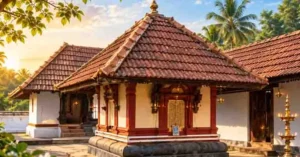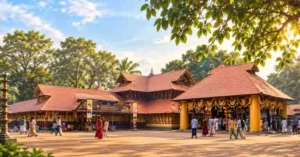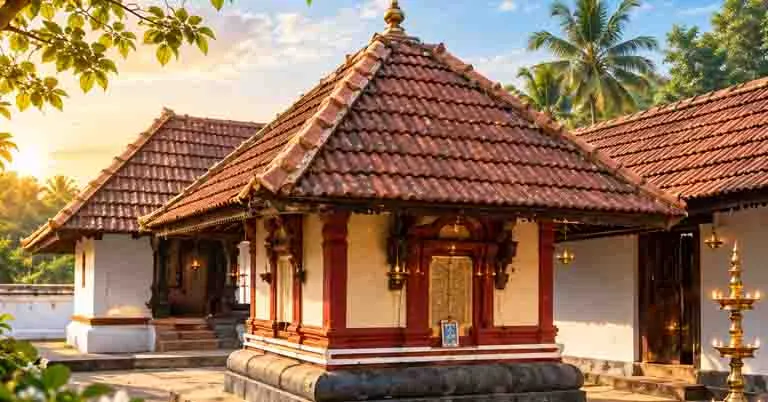


Kottappuram Siva Temple, one of the significant and ancient shrines dedicated to Lord Shiva in Kerala, is located in Poothole, near the heart of Thrissur city. Though the name “Kottappuram” often refers to the area around Kodungallur Fort, this temple has its own distinct identity and is considered a spiritually powerful centre of Shaivism in central Kerala. It is believed to be among the 108 Shiva temples of Kerala consecrated by Lord Parashurama, the mythical creator of the land of Kerala.
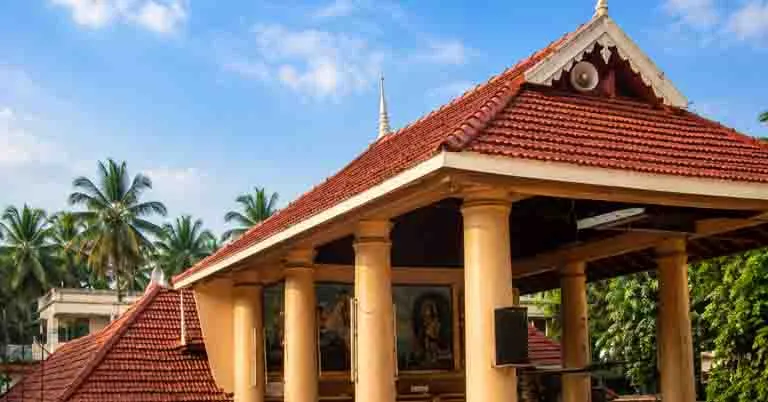
The temple, with its serene surroundings and traditional Kerala architecture, holds an aura of timeless sanctity. Despite being situated in the bustling city of Thrissur, it maintains an atmosphere of deep peace and devotion, attracting devotees and visitors from across the state.
Legend and Mythological Significance
According to local legend, the origin of the temple is associated with a deeply moving story of divine intervention. Long ago, an aged Brahmin woman from the region was a devout worshipper of Lord Shiva. One day, while returning home after visiting a nearby temple, she was caught in heavy rain. As she sought shelter and prayed sincerely to Lord Shiva for protection, a divine light appeared, and a Shiva Lingam manifested under her umbrella (“Koda” in Malayalam means umbrella).
This miraculous event led to the name “Kottappuram” or “Kodappurathu”, which translates roughly to “the place under the umbrella.” The self-manifested (swayambhu) Shiva Lingam was later enshrined in a sanctum, and a temple was constructed to honor this divine manifestation.
Over time, the temple became a prominent centre of Shiva worship in Thrissur and continues to be revered as a site of miraculous grace and divine presence.
Historical Background
Though the exact period of establishment is not documented, historians and temple scholars believe that Kottappuram Siva Temple dates back to the early medieval period, possibly between the 9th and 12th centuries CE. The temple’s inclusion among the 108 Shiva Temples established by Parashurama further supports its ancient roots.
During the later Chera period and under the patronage of various local chieftains, the temple flourished as a community and spiritual hub. In modern times, it came under the administration of the Cochin Devaswom Board, which manages the daily operations, rituals, and preservation of the temple’s heritage.

Architectural Features
The architecture of Kottappuram Siva Temple follows the classical Kerala temple architectural style, known for its simplicity, symmetry, and spiritual symbolism. Built primarily from laterite stone, timber, and copper plates, the temple stands as an example of traditional craftsmanship.
Main Sanctum (Sreekovil)
- The Sreekovil houses the main deity, Lord Shiva, represented as a swayambhu Shiva Lingam facing the east.
- The sanctum is circular in shape and topped with a copper-plated conical roof, typical of Kerala’s Shaivite shrines.
- The inner sanctum is dimly lit, creating a mystical atmosphere that enhances the spiritual experience of darshan (sacred viewing).
Namaskara Mandapam
In front of the sanctum lies the Namaskara Mandapam, an elevated wooden platform with a tiled roof, used for ritual offerings and chanting of hymns. This is where priests perform the major poojas and abhishekams during festivals and special days.
Dwaja Stambham and Deepastambham
A Dwaja Stambham (flag post) made of brass or wood, coated with gold polish, stands tall before the sanctum. It is raised during temple festivals to announce the beginning of the Utsavam.
The Deepastambham (lamp pillar), lit during evenings and festivals, symbolizes the dispelling of darkness and ignorance.
Other Shrines
The temple complex also contains sub-shrines dedicated to other deities:
- Goddess Parvati (Devi Parameswari) – the consort of Lord Shiva, enshrined behind the main sanctum.
- Lord Ganapathi (Vighneswara) – remover of obstacles.
- Lord Ayyappa (Sastha) – symbol of harmony between Shaiva and Vaishnava traditions.
- Naga Devatas (Serpent deities) – worshipped for fertility and protection.
- Brahma Rakshas and Yakshi – guardian deities of the temple premises.
The presence of these sub-deities reflects the inclusiveness of Kerala’s temple tradition, where divine forces are viewed as interconnected aspects of the supreme reality.
Rituals and Daily Worship
The temple follows the Tantric tradition of Kerala, performing elaborate rituals and poojas throughout the day. Worship is conducted by trained priests (Thanthris and Poojaries) according to Agamic rules.
Daily Timings
- Temple Opens: 4:30 AM
- Nirmalyam & Abhishekam: 4:45 AM
- Usha Pooja: 6:30 AM
- Pantheeradi Pooja: 8:30 AM
- Ucha Pooja (Noon Ritual): 11:30 AM
- Temple Closes (Morning): 12:00 PM
- Reopens: 5:30 PM
- Deeparadhana (Evening Lamp Ritual): 6:15 PM
- Athazha Pooja (Night Ritual): 7:00 PM
The rhythmic sound of temple bells, combined with chanting of Rudram and Chamakam, creates an atmosphere of divine resonance.
Offerings (Vazhipadu)
Devotees offer various poojas for spiritual, mental, and material well-being:
- Dhara (continuous abhishekam)
- Rudrabhishekam
- Udayasthamana Pooja (day-long worship)
- Pushpanjali (flower offering)
- Ghee or Oil Lamp Lighting
- Mrityunjaya Homam for protection from diseases and misfortune
It is widely believed that performing Dhara and Udayasthamana Pooja at this temple brings peace, prosperity, and family harmony.
Festivals and Celebrations
The Kottappuram Siva Temple celebrates numerous festivals throughout the year, with grand devotion and community participation.
1. Maha Shivaratri
The most important festival, celebrated in the Malayalam month of Kumbham (February–March). Devotees observe fasting and night-long vigil, chanting “Om Namah Shivaya” continuously. Special rituals such as Rudrabhishekam, Alankaram, Swayamvara Parvati Pooja, and Annadanam (mass feeding) are conducted. The temple remains open throughout the night, and thousands gather for darshan and worship.
2. Annual Utsavam (Temple Festival)
The nine-day Utsavam is another major event, also held in the month of Kumbham. The festival begins with the hoisting of the temple flag on the Dwaja Stambham and concludes with Arattu, a holy bath of the deity in a nearby pond or river.
Highlights include:
- Caparisoned elephants
- Melam and Panchavadyam (traditional percussion ensembles)
- Cultural performances like classical dances and devotional songs
- Processions of the deity around the temple and nearby streets
The festival’s Makam star day is considered particularly auspicious for darshan.
3. Other Observances
Other notable events include Pradosham, Thiruvathira, Ayilyam for serpent worship, and monthly Shivapoojas on Mondays, the day most dear to Lord Shiva.
Spiritual and Cultural Importance
The Kottappuram Siva Temple is not only a religious centre but also a cultural nucleus for the Thrissur community.
- Spiritual Power: Devotees firmly believe that sincere prayers here remove obstacles, cure ailments, and bring inner peace.
- Wisdom and Learning: Students often visit the temple seeking blessings for educational success and concentration.
- Family Prosperity: Married couples perform joint rituals seeking domestic harmony and fertility.
- Urban Sanctuary: Despite being in a city, the temple maintains a calm, natural setting with banyan trees and small ponds that enhance its sacredness.
Administration and Community Role
The temple is managed by the Cochin Devaswom Board, ensuring proper maintenance of rituals, finances, and heritage. The temple committee also undertakes charitable activities such as:
• Free food distribution (Annadanam)
• Educational aid to needy students
• Medical assistance for the underprivileged
• Cultural preservation programs for traditional art forms
The temple functions as a centre where devotion, art, and community welfare blend harmoniously.
Accessibility and Visiting Information
- Location: Kottappuram Road, Poothole, Thrissur, Kerala
- Nearest City: Thrissur (just 1.5 km from Swaraj Round)
- Nearest Railway Station: Thrissur Railway Station (2 km away)
- Nearest Airport: Cochin International Airport (about 55 km away)
- Best Time to Visit: Early morning or evening during Deeparadhana; Maha Shivaratri for grand celebrations
Visitors are advised to dress modestly and maintain silence within the temple precincts. Photography inside the sanctum is generally restricted.
Architectural Harmony and Divine Aura
One of the most enchanting aspects of Kottappuram Siva Temple is its ability to maintain harmony between spirituality and architectural beauty. The temple’s eastern orientation allows the morning rays of the sun to fall on the Shiva Lingam, symbolizing enlightenment and divine energy. The fragrance of sandalwood, flowers, and burning oil lamps fills the air, creating an atmosphere conducive to meditation and prayer.
Even amidst the modern expansion of Thrissur city, the temple stands as a silent witness to centuries of devotion — a spiritual refuge for those seeking solace from the stresses of daily life.

Conclusion
The Kottappuram Siva Temple is a shining symbol of Kerala’s temple heritage, devotion, and architectural splendor. It represents the eternal presence of Lord Shiva, the cosmic force of creation and destruction, meditation and compassion.
Rooted in ancient tradition yet vibrant with modern faith, the temple continues to inspire generations with its divine energy, cultural depth, and spiritual serenity. For every devotee who steps within its precincts, the experience is one of peace, humility, and transcendence — a reminder that amidst worldly chaos, the divine still whispers in the heart of Thrissur through the sacred silence of Kottappuram Siva Temple.
Disclaimer
The information provided by Web Arbiter (‘we’, ‘us’, or ‘our’) on https://webarbiter.in/ . The website is for general informational purposes only. All information on the Site is provided in good faith, however we make no representation or warranty of any kind, express or implied, regarding the accuracy, adequacy, validity, reliability, availability, or completeness of any information on the Site. UNDER NO CIRCUMSTANCE SHALL WE HAVE ANY LIABILITY TO YOU FOR ANY LOSS OR DAMAGE OF ANY KIND INCURRED AS A RESULT OF THE USE OF THE SITE OR RELIANCE ON ANY INFORMATION PROVIDED ON THE SITE. YOUR USE OF THE SITE AND YOUR RELIANCE ON ANY INFORMATION ON THE SITE IS SOLELY AT YOUR OWN RISK. Read Full Disclaimer