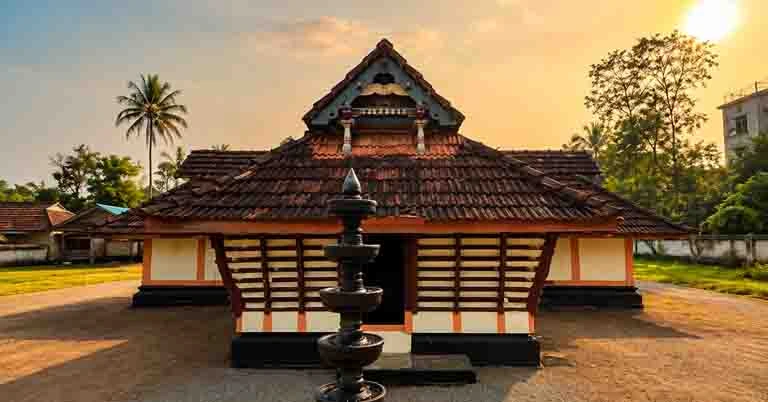


The Kottarakkara Mahadeva Temple, located in the heart of Kottarakkara town in the Kollam district of Kerala, is one of the most ancient and culturally significant temples in South India. Dedicated to Lord Shiva, revered here as Kottarakkara Appan or Mahadevan, this temple stands as a monumental symbol of devotion, heritage, and artistic inspiration.
Apart from its spiritual prominence, the temple holds a special place in Kerala’s cultural history as the birthplace of Kathakali, the classical dance-drama that epitomizes the artistic spirit of Kerala. The temple’s aura blends divine grace with cultural grandeur, making it a must-visit destination for both devotees and art enthusiasts.
Etymology and Location
“Land of palaces” is the literal meaning of the word Kottarakkara (Kottaram = palace, kara = land). The region once served as the capital of the Elayidathu Swaroopam royal dynasty, which ruled parts of southern Kerala. The Kottarakkara Mahadeva Temple, nestled amidst serene surroundings of banyan trees, temple ponds, and paddy fields, has been the spiritual nucleus of the area for centuries.
The temple is easily accessible from Kollam (25 km) and Thiruvananthapuram (70 km), attracting thousands of devotees from across Kerala and neighboring states.
Deity and Spiritual Significance
The presiding deity of the Kottarakkara Mahadeva Temple is Lord Shiva, enshrined in the sanctum as a Swayambhu Shiva Linga (self-manifested). He is worshipped as Kottarakkara Appan, meaning “the Lord of Kottarakkara.” The Lord here is depicted as Dakshinamurthy, the divine teacher, symbolizing supreme wisdom and cosmic awareness.
The Shiva Linga represents the formless, eternal energy that governs creation, preservation, and dissolution. Devotees regard the deity as both fierce and compassionate, a fatherly figure who protects his devotees and guides them toward liberation (moksha).

Sub Deities
The temple also houses several sub-shrines dedicated to other deities, forming a divine family:
- Goddess Parvati (Sree Parvathy Devi) – consort of Lord Shiva, representing motherly compassion.
- Lord Ganesha (Ganapathi) – remover of obstacles and first deity worshipped in rituals.
- Lord Subrahmanya (Murugan) – son of Shiva, symbolizing youth, valor, and wisdom.
- Lord Ayyappa – protector deity associated with spiritual discipline.
- Lord Krishna and Naga Devatas – representing love, prosperity, and fertility.
Together, these shrines make Kottarakkara Mahadeva Temple a complete temple complex where devotees can worship multiple aspects of divinity within one sacred enclosure.
Legend and Mythological Background
The origin story of Kottarakkara Mahadeva Temple is both mystical and inspiring.
According to legend, Lord Shiva himself chose this place as his abode, responding to the sincere devotion of a local Brahmin sage. The sage performed intense penance to have the Lord manifest before him. Pleased by his devotion, Shiva appeared as a divine light and blessed the land. The light solidified into a Swayambhu Shiva Linga, which became the central deity of the temple.
Another popular story links this temple with the famous Thrikkovil temple at Trivandrum. When a temple priest from Kottarakkara went to attend the festival at Padmanabhaswamy Temple, he was denied entry as the event was for Vaishnavites only. Hurt and humiliated, he returned to Kottarakkara, praying to Lord Shiva. That night, Lord Vishnu appeared in his dream, instructing him to construct a shrine for Vishnu near Shiva so both deities could be worshipped together. The next day, a Vishnu idol miraculously appeared near the Shiva Linga. Thus, Kottarakkara Mahadeva Temple came to be revered as a place where both Shaivites and Vaishnavites worship together in harmony.
Because of this unique tradition, devotees offer Vaishnava-style offerings like Unniyappam and Payasam to Lord Shiva here — an exceptional feature among Kerala’s temples.
Temple Architecture
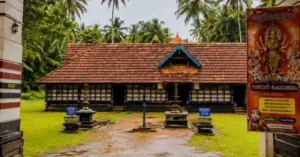
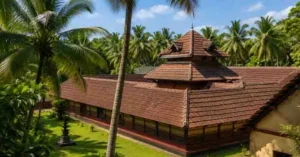
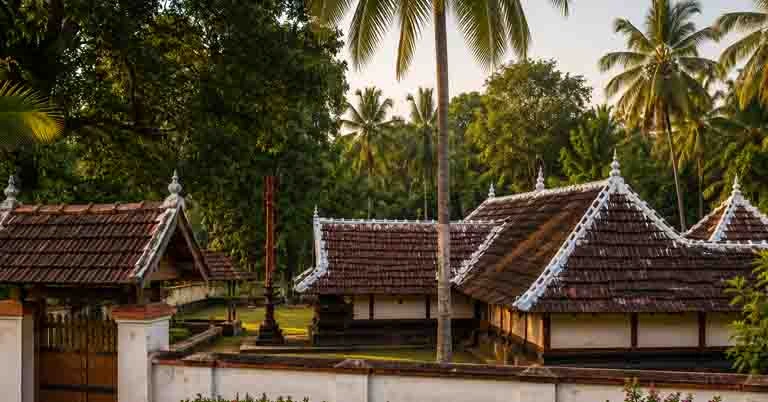
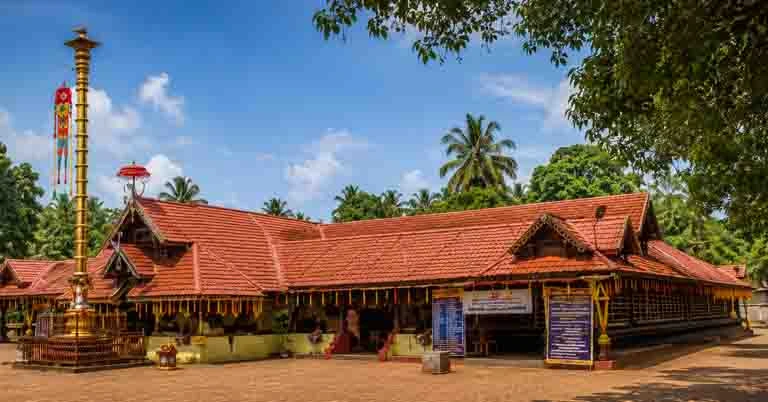
The Kottarakkara Mahadeva Temple is an exquisite example of traditional Kerala temple architecture, blending aesthetic grace, structural precision, and spiritual symbolism.
1. Sreekovil (Sanctum Sanctorum)
The Sreekovil, housing the Shiva Linga, is built in the square style (Chatura Sreekovil) with a copper-plated roof and beautifully carved wooden panels. The sanctum’s design represents Mount Kailasa, the celestial abode of Shiva. Inside, the atmosphere is serene and deeply spiritual — the oil lamps, sandalwood fragrance, and rhythmic chanting of mantras create an ethereal ambiance.
The deity faces east, symbolizing enlightenment and the dawn of spiritual awakening.
2. Namaskara Mandapam
In front of the sanctum lies the Namaskara Mandapam, a hall supported by wooden pillars with intricate carvings depicting mythological scenes. This is where priests perform daily poojas and special ceremonies.
3. Nalambalam and Chuttambalam
The Nalambalam (inner corridor) surrounds the sanctum and contains smaller shrines for Parvati, Ganesha, and Murugan. The Chuttambalam (outer walkway) allows devotees to perform circumambulation (Pradakshina), symbolizing the cosmic cycle.
4. Balikkalpura and Dwajasthambam
The Balikkalpura (offering hall) and Dwajasthambam (flagstaff) stand before the sanctum. The Dwajasthambam is covered in brass and used during festivals for flag hoisting, marking divine presence.
5. Temple Pond (Ambalakulam)
The temple pond, situated to the east, is used for ritual purification. The still waters reflect the sanctum tower, symbolizing the union of the divine and the earthly realms.
The overall design of the temple reflects harmony with nature — surrounded by tall coconut palms and sacred trees, the temple resonates with spiritual tranquility.
Daily Worship and Rituals
The Kottarakkara Mahadeva Temple follows the Tantric and Agamic traditions of worship. The rituals are conducted with precision and devotion by hereditary priests, accompanied by Vedic chanting and traditional music.
Daily Poojas
- Nirmalyam (4:00 AM) – removal of previous day’s offerings and purification.
- Abhishekam (4:30 AM) – bathing the Shiva Linga with holy substances like milk, ghee, honey, and water.
- Usha Pooja (6:00 AM) – morning prayer invoking divine blessings for the day.
- Ucha Pooja (12:00 PM) – noon worship marking the peak of spiritual energy.
- Deeparadhana (6:00 PM) – evening lamp lighting ceremony symbolizing the victory of light over darkness.
- Athazha Pooja (8:00 PM) – final offering before temple closure, expressing gratitude to the deity.
Special Offerings
Devotees perform Rudrabhishekam, Mrityunjaya Homam, Ganapathi Homam, Dhara, and Uma-Maheshwara Pooja for health, prosperity, and mental peace.
A special Archana with Unniyappam is considered highly auspicious, as the temple’s Shiva is worshipped with Vishnu-style offerings.
Festivals and Celebrations
The Kottarakkara Mahadeva Temple hosts several grand festivals that blend spirituality, art, and community celebration.
1. Annual Utsavam (Meenam Festival)
The temple’s annual festival, celebrated in the Malayalam month of Meenam (March–April), lasts for ten days. The festival begins with Kodiyettam (flag hoisting) and concludes with the Aarattu (holy bath) ceremony. Each day is marked by processions, rituals, and cultural performances.
Elephants adorned with golden ornaments lead the deity’s procession (Ezhunnallathu), accompanied by Panchavadyam, Chenda Melam, and traditional dances. The magnificent spectacle is witnessed by thousands of enthusiasts.
2. Maha Shivaratri
The Maha Shivaratri celebration at Kottarakkara is one of the grandest in southern Kerala. The temple remains open all night, and devotees observe fasts, chant mantras, and offer continuous Abhishekams to Lord Shiva. The temple courtyard glows with thousands of lamps, symbolizing the cosmic energy of Shiva.
3. Navarathri and Vishu
During Navarathri, the shrine of Goddess Parvati is elaborately decorated, and devotional music and recitations are held. Vishu, the Kerala New Year, is celebrated with special rituals, Vishukkani Darshanam, and Vishu Kaineettam (gifting of money).
Kottarakkara Mahadeva Temple and Kathakali
The Kottarakkara Mahadeva Temple holds a unique place in Kerala’s cultural history as the birthplace of Kathakali, the iconic dance-drama form of Kerala.
In the 17th century, Prince Kottarakkara Thampuran, a great scholar, musician, and devotee of Lord Shiva, developed Kathakali as a devotional art form in this temple. Originally, only Krishnattam (a Vishnu-based art form) was performed in Guruvayur. When Kottarakkara Thampuran was denied permission to host Krishnattam in his temple, he decided to create his own dance-drama depicting stories from the Ramayana.
Thus, Ramanattam was born, which later evolved into Kathakali — now Kerala’s most celebrated art form. Even today, Kathakali performances are held in the temple during festivals, honoring Lord Shiva as Nataraja, the cosmic dancer.
Cultural and Community Role
The Kottarakkara Mahadeva Temple has been a spiritual and cultural nucleus of southern Kerala for centuries. It nurtures art forms like Kathakali, Ottanthullal, Chakyarkoothu, and Panchavadyam, keeping Kerala’s cultural traditions alive.
The temple also plays a major role in community welfare. Daily Annadanam (free meal distribution), education support programs, and medical camps are organized under its Devaswom board. This service-oriented tradition reflects the temple’s philosophy — that worship of God must manifest as service to humanity.
Architectural Harmony with Nature
Like most ancient Kerala temples, the Kottarakkara Mahadeva Temple is designed in perfect harmony with nature. The complex includes sacred groves, lotus ponds, and ancient trees, which create an ecosystem of serenity and positive energy.
The gentle sounds of temple bells, rustling leaves, and chanting priests fill the atmosphere with divine vibration, making the temple not just a structure but a living organism of faith and peace.
Administration and Temple Management
The temple is administered by the Travancore Devaswom Board (TDB), which ensures proper ritual conduct, maintenance, and festival organization. Generations of Tantri families and Namboothiri priests have preserved the temple’s ancient customs.
The active involvement of local devotees and cultural organizations helps in preserving the temple’s sanctity and heritage.
Spiritual Experience and Pilgrimage Importance
Visiting the Kottarakkara Mahadeva Temple is often described as a deeply moving experience. Devotees feel an immediate sense of peace upon entering the temple grounds. The soft light of the oil lamps, the rhythmic chanting of Rudram, and the fragrance of incense create an atmosphere of divine presence.
Many pilgrims include Kottarakkara in their Pancha Mahadeva pilgrimage circuit of Kerala, which includes Ettumanoor, Vaikom, Kaduthuruthy, and Trikkariyoor temples.
Those seeking inner peace, healing, and family well-being consider worshipping Kottarakkara Appan as especially auspicious.

Conclusion
The Kottarakkara Mahadeva Temple is not merely a sacred shrine — it is a living embodiment of Kerala’s spiritual depth and cultural brilliance. Dedicated to Lord Shiva, the temple stands as a symbol of unity between Shaivism and Vaishnavism, a cradle of Kathakali, and a center of community harmony.
Here, divinity, art, and humanity converge seamlessly. In the soft glow of the temple lamps, with the echo of conch shells and temple drums in the air, one can feel the eternal presence of Mahadeva, the compassionate Lord of Kottarakkara, guiding devotees toward light, wisdom, and liberation.
Disclaimer
The information provided by Web Arbiter (‘we’, ‘us’, or ‘our’) on https://webarbiter.in/ . The website is for general informational purposes only. All information on the Site is provided in good faith, however we make no representation or warranty of any kind, express or implied, regarding the accuracy, adequacy, validity, reliability, availability, or completeness of any information on the Site. UNDER NO CIRCUMSTANCE SHALL WE HAVE ANY LIABILITY TO YOU FOR ANY LOSS OR DAMAGE OF ANY KIND INCURRED AS A RESULT OF THE USE OF THE SITE OR RELIANCE ON ANY INFORMATION PROVIDED ON THE SITE. YOUR USE OF THE SITE AND YOUR RELIANCE ON ANY INFORMATION ON THE SITE IS SOLELY AT YOUR OWN RISK. Read Full Disclaimer