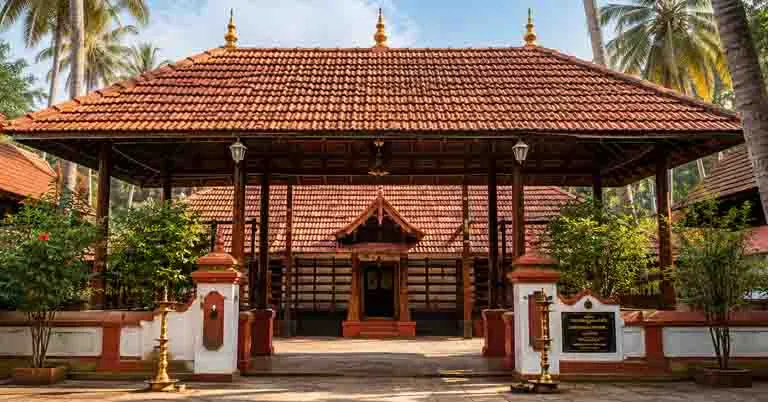


Krishna Janmashtami is one of the most loved and joyful festivals in India. It commemorates the birth of Lord Krishna, who is revered as Lord Vishnu’s eighth avatar. Every year, devotees celebrate this special occasion with prayers, songs, fasting, decorations, and gatherings. More than just a religious festival, Janmashtami reminds us of the importance of love, courage, kindness, and faith in our lives.

The Story Behind Janmashtami
Hindu tradition states that on the eighth day of the dark fortnight of the month of Bhadrapada, Lord Krishna was born at midnight in Mathura. Devaki’s brother, King Kansa, imprisoned his parents, Devaki and Vasudeva. Kansa had been warned that the eighth child of Devaki would become the reason for his downfall.
Vasudeva stealthily transported the baby Krishna to Gokul by crossing the Yamuna River. There, he left Krishna in the care of Yashoda and Nanda. Krishna then grew up in the loving surroundings of Gokul and Vrindavan.
His childhood stories are filled with playful moments. He was known for stealing butter, playing his flute, and spending time with his friends and the people of the village. These stories have made Krishna especially dear to people of all ages.
How Janmashtami Is Celebrated
Janmashtami celebrations can be seen in homes, temples, schools, and communities across India. Devotees often decorate their houses with flowers, lights, rangoli, and pictures of Krishna.
Many people fast all day long and break it at midnight, which is traditionally thought to be the time of Krishna’s birth. Temples are beautifully decorated, and special prayers and devotional songs continue late into the night.
Devotees place a miniature idol of baby Krishna in a decorated cradle at midnight to commemorate Krishna’s birth. The idol may be bathed, dressed in new clothes, and adorned with flowers and jewellery. Bells are rung, prayers are offered, and sweets are distributed among everyone.
One of the most entertaining traditions associated with Janmashtami is the Dahi Handi celebration. A clay pot filled with curd, butter, or other treats is hung high above the ground. Groups of young people form human pyramids to reach and break the pot. Krishna’s playful love of butter and his boyhood pals are linked to the custom.
The Meaning of Krishna’s Teachings
The celebration of Krishna’s birth is not only about rituals and festivities. His life and teachings have a deeper message.
Krishna teaches us to perform our responsibilities sincerely without being overly attached to the result. His teachings in the Bhagavad Gita encourage people to remain calm during difficult situations and choose the path of righteousness.
Krishna also represents joy and compassion. His stories remind us that life should not be filled only with worries and responsibilities. There should also be room for friendship, happiness, music, and love.
Another important lesson associated with Krishna is the importance of standing against injustice. Throughout his life, Krishna supported truth and helped people who were facing oppression. This makes Janmashtami a reminder that courage and goodness can make a difference even during difficult times.
Janmashtami for Children
For children, Janmashtami is often a particularly exciting festival. Schools and communities organize Krishna-themed competitions, plays, dances, and fancy-dress events. Children may dress as Krishna or Radha, carrying a small flute or wearing a peacock feather.
These activities allow younger generations to learn about Indian culture in an enjoyable way. Instead of simply reading stories from books, children get an opportunity to experience the traditions through music, art, drama, and celebration.
Food and Special Preparations
Food is another important part of Janmashtami. Families prepare different kinds of sweets and traditional dishes for the occasion. Offerings may include makhan mishri, peda, panjiri, fruits, and other homemade delicacies.
Many devotees prefer food prepared without grains during their fast. After the midnight prayers, families share the prepared food as prasad. The meal becomes a moment for family members to sit together and celebrate.
A Festival of Faith and Togetherness
One of the most beautiful things about Janmashtami is the sense of togetherness it creates. People visit temples, sing devotional songs, decorate their surroundings, and share food with friends and neighbours.
Even though celebrations may look different from one place to another, the central feeling remains the same: remembering Lord Krishna with devotion and happiness.
In today’s busy world, festivals such as Janmashtami also give families a chance to slow down and spend meaningful time together. Grandparents can share stories from their childhood, parents can introduce traditions to their children, and younger generations can bring their own energy and creativity to the celebrations.

Conclusion
There is much more to Krishna Janmashtami than just commemorating the birth of Lord Krishna. It is a festival of hope, devotion, happiness, and togetherness. From midnight prayers and beautifully decorated temples to the excitement of Dahi Handi and children’s Krishna-themed performances, every part of the festival carries its own charm.
Most importantly, Janmashtami encourages us to remember the values associated with Krishna — kindness, courage, love, wisdom, and faith. Celebrating these values in our everyday lives may be the most meaningful way to honour the spirit of the festival.
As families and communities come together to celebrate, Janmashtami continues to bring a sense of happiness and positivity to millions of people.
Happy Krishna Janmashtami! May Lord Krishna fill everyone’s life with peace, happiness, love, and prosperity.
Disclaimer
The information provided by Web Arbiter (‘we’, ‘us’, or ‘our’) on https://webarbiter.in/ . The website is for general informational purposes only. All information on the Site is provided in good faith, however we make no representation or warranty of any kind, express or implied, regarding the accuracy, adequacy, validity, reliability, availability, or completeness of any information on the Site. UNDER NO CIRCUMSTANCE SHALL WE HAVE ANY LIABILITY TO YOU FOR ANY LOSS OR DAMAGE OF ANY KIND INCURRED AS A RESULT OF THE USE OF THE SITE OR RELIANCE ON ANY INFORMATION PROVIDED ON THE SITE. YOUR USE OF THE SITE AND YOUR RELIANCE ON ANY INFORMATION ON THE SITE IS SOLELY AT YOUR OWN RISK. Read Full Disclaimer