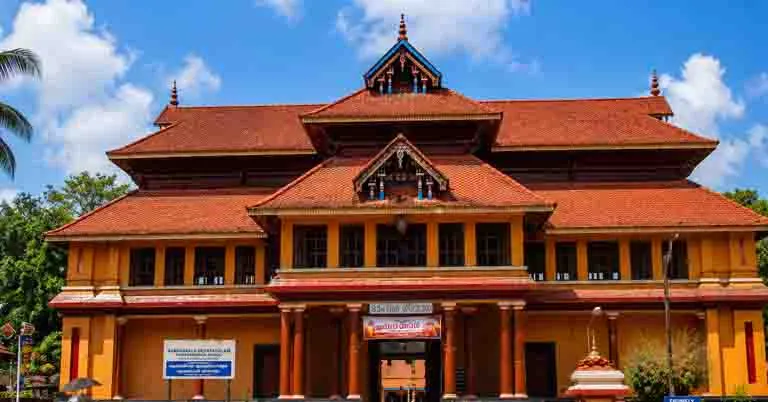
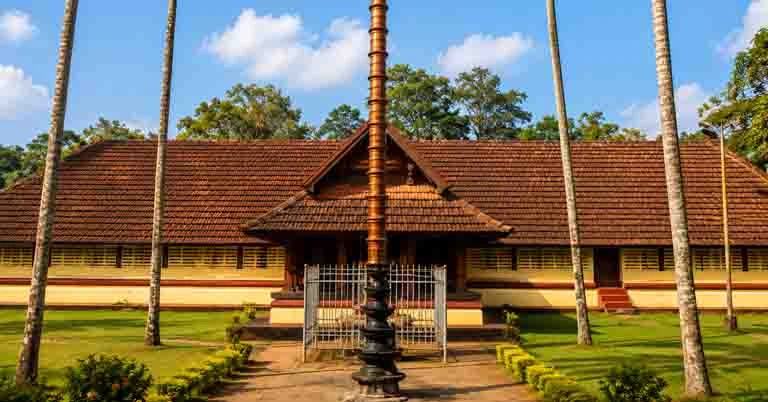
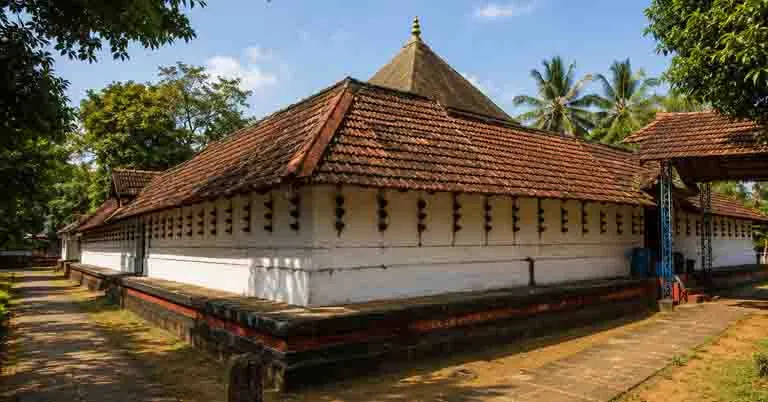
Kerala, often called God’s Own Country, is renowned for its rich heritage of temples, rituals, and traditions. Among its many ancient shrines, the Mathur Shiva Temple stands as a profound symbol of divine devotion and architectural beauty. Dedicated to Lord Shiva, the temple is located in Mathur, a serene village in the Ernakulam district of Kerala, and serves as a spiritual and cultural nucleus for devotees.
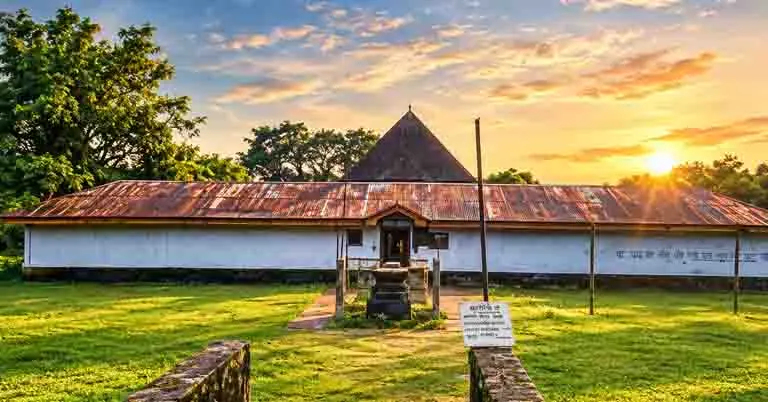
Surrounded by lush greenery, paddy fields, and tranquil backwaters, the temple exemplifies the essence of traditional Kerala temple architecture while preserving age-old rituals that connect the present generation with the sacred past. The Mathur Shiva Temple is not just a place of worship but a living heritage reflecting centuries of faith, artistry, and spiritual discipline.
Historical Background
The origin of Mathur Shiva Temple dates back several centuries, with strong roots in Kerala’s ancient temple culture. Although the exact period of its construction is unclear, historians and devotees believe it was established during the early Chera or Perumal period—between the 9th and 11th centuries CE.
Like many temples of this era, the Mathur Shiva Temple was likely patronized by local chieftains and Brahmin families who maintained and managed temple affairs. The temple also features several inscriptions and sculptures that hint at Dravidian architectural influences, possibly linking it to the larger network of Shiva temples in Kerala, such as those in Thrissur, Vaikom, and Ettumanoor.
Over time, the temple became a sacred center for Shaivite devotees who sought Lord Shiva’s blessings for peace, prosperity, and liberation (moksha). The temple also played a significant role in fostering community unity, as festivals and rituals brought together people from various social and cultural backgrounds.
Architectural Splendor
The architecture of Mathur Shiva Temple is a classic example of traditional Kerala temple design, combining simplicity with divine symbolism. The temple structure is primarily made of laterite stone, wood, and copper plating, which are characteristic materials of Kerala’s temple architecture designed to withstand the humid monsoon climate.
1. The Gopuram (Entrance Tower)
The temple is approached through an impressive gopuram (gateway tower) adorned with intricate carvings and wooden sculptures depicting scenes from Hindu mythology, especially episodes related to Lord Shiva’s cosmic dance (Tandava) and his consort Goddess Parvati. The entrance symbolizes the passage from the worldly to the divine realm.
2. The Nalambalam and Chuttambalam
Inside, the temple has a nalambalam (rectangular outer structure) and a chuttambalam (circumambulatory path). The outer courtyard is beautifully maintained with flowering plants and traditional oil lamps, creating an aura of calm and sanctity. The chuttambalam is supported by wooden pillars intricately carved with motifs of celestial beings, flora, and fauna.

3. The Sreekovil (Sanctum Sanctorum)
The Sreekovil, or sanctum sanctorum, is the spiritual heart of the temple. It houses the Shiva Lingam, the abstract representation of Lord Shiva. The lingam here is believed to be self-manifested (Swayambhu), radiating divine energy. The inner sanctum is circular in shape—a hallmark of Kerala temple design—and is covered with a copper-clad conical roof symbolizing the cosmic mountain, Mount Kailasa.
Inside the sanctum, the air is thick with the fragrance of sandalwood, incense, and oil lamps. Only the chief priest (Thantri) and assistant priest (Melshanthi) are permitted to enter the Sreekovil to perform rituals.
4. Other Shrines
The temple complex also houses smaller shrines dedicated to Lord Ganapathi, Lord Ayyappa, Naga Devatas (serpent gods), and Bhagavati (a form of Parvati). These deities represent various aspects of cosmic balance—creation, preservation, and destruction—ensuring harmony in the universe.
Legends Associated with Mathur Shiva Temple
Every ancient temple in Kerala carries a legend, and the Mathur Shiva Temple is no exception. According to local tradition, the temple was established at the very spot where Lord Shiva appeared before a devout sage who performed intense penance to gain His vision. Pleased with the sage’s devotion, Shiva is said to have manifested as a radiant light that later took the form of a lingam—the same one enshrined in the Sreekovil today.
Another legend suggests that the temple was part of a divine alignment of 108 Shiva temples consecrated by Parasurama, the sixth incarnation of Lord Vishnu, who is believed to have reclaimed Kerala from the sea. The Mathur Shiva Temple thus holds a sacred position within the spiritual geography of Kerala, forming part of a divine network of shrines dedicated to Lord Mahadeva.
Rituals and Worship Practices
The temple follows the Tantric system of worship prevalent in Kerala. Rituals are performed according to the Agama Shastra and presided over by trained Brahmin priests. The daily worship includes the following main pujas:
- Usha Pooja – Morning ritual welcoming the deity at dawn.
- Ucha Pooja – Midday offering involving elaborate recitations and oblations.
- Deeparadhana – Evening ritual involving lighting of lamps and chanting hymns.
- Athazha Pooja – Final worship before closing the sanctum for the night.
Devotees offer bilva leaves, ghee lamps, and abhishekam (ritual bathing) with water, milk, and honey to seek blessings for health and prosperity. Mondays and Pradosham days are considered particularly auspicious for Lord Shiva.
Festivals and Celebrations
The annual festival (Mahotsavam) at Mathur Shiva Temple is a grand event lasting several days, typically held during the Malayalam month of Dhanu or Makaram (December–January). The festival begins with the Kodiyettam (flag hoisting) and ends with the Aarattu (holy bath of the deity).
Cultural programs like Kathakali, Chenda Melam, and Devotional Music Concerts are performed during this time. The temple also celebrates Maha Shivaratri, the great night of Lord Shiva, with night-long vigils, chants, and abhishekams.
Special ceremonies such as Rudrabhishekam, Laksharchana, and Swayamvara Puja are conducted for spiritual upliftment and removal of obstacles in life.
Spiritual and Cultural Significance
The Mathur Shiva Temple is more than a religious monument—it’s a space of spiritual awakening. For devotees, the temple represents Shiva as both destroyer and benefactor, one who dissolves ignorance and grants enlightenment.
Culturally, the temple preserves the classical traditions of Kerala’s temple art forms. The rhythmic Chenda Melam, the sacred recitations, and the aesthetic carvings all echo the spiritual artistry of the region.
Moreover, the temple acts as a unifying center where people from all walks of life participate in festivals, regardless of caste or social status, embodying Kerala’s tradition of inclusivity and devotion.
Temple Administration and Preservation
The temple is administered under a Devaswom Board, with contributions from devotees for maintenance and renovation. Over the years, various restoration projects have been undertaken to preserve the temple’s wooden structures and murals.
Traditional artisans and craftsmen ensure that any renovation adheres to the Vastu Shastra and Tantric architectural principles, maintaining the temple’s authenticity.
The temple also supports charitable activities, including annadanam (free meals) for pilgrims, educational aid, and healthcare initiatives, reflecting the Hindu philosophy of Seva (selfless service).
Visiting Mathur Shiva Temple
The temple is easily accessible from Kochi (Cochin) and Ernakulam, being only a short drive away. The best time to visit is during early mornings or evenings when rituals are performed. Visitors are expected to dress modestly, remove footwear before entering, and maintain silence within the temple complex.
The calm atmosphere, rhythmic chants, and fragrance of incense make the visit deeply meditative, offering a glimpse into the timeless rhythm of Kerala’s temple life.

Conclusion
The Mathur Shiva Temple stands as a sacred testament to Kerala’s spiritual depth and artistic heritage. Every brick, pillar, and ritual embodies centuries of devotion and wisdom. For devotees, it is not just a place of prayer but a living connection to Lord Shiva—the eternal consciousness that governs creation and destruction.
Through its legends, architecture, and rituals, the temple continues to guide thousands on their spiritual journey, reminding us of the divine presence that pervades every corner of life.
Disclaimer
The information provided by Web Arbiter (‘we’, ‘us’, or ‘our’) on https://webarbiter.in/ . The website is for general informational purposes only. All information on the Site is provided in good faith, however we make no representation or warranty of any kind, express or implied, regarding the accuracy, adequacy, validity, reliability, availability, or completeness of any information on the Site. UNDER NO CIRCUMSTANCE SHALL WE HAVE ANY LIABILITY TO YOU FOR ANY LOSS OR DAMAGE OF ANY KIND INCURRED AS A RESULT OF THE USE OF THE SITE OR RELIANCE ON ANY INFORMATION PROVIDED ON THE SITE. YOUR USE OF THE SITE AND YOUR RELIANCE ON ANY INFORMATION ON THE SITE IS SOLELY AT YOUR OWN RISK. Read Full Disclaimer