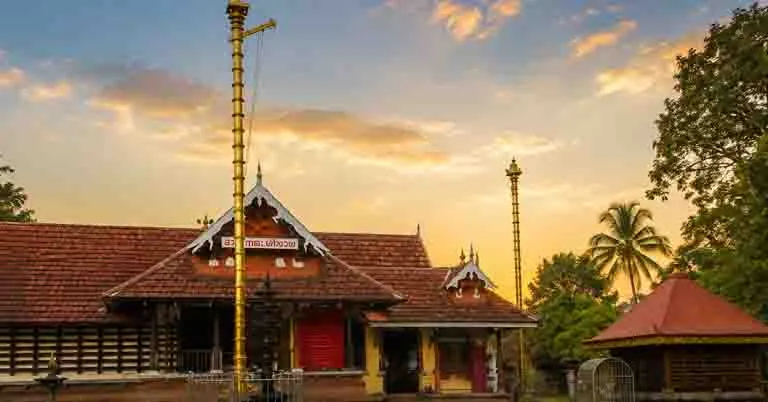
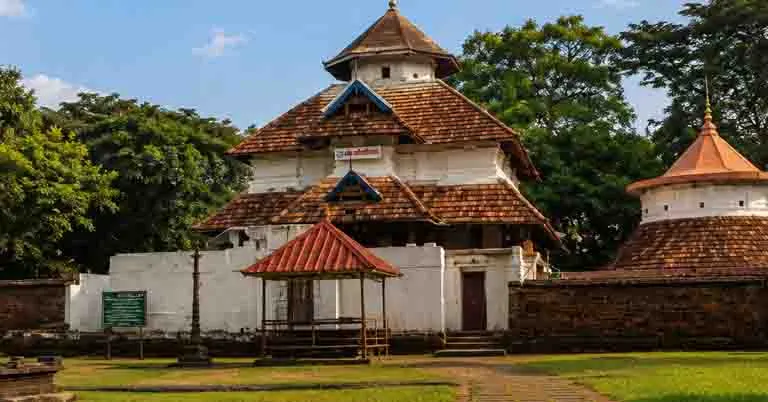
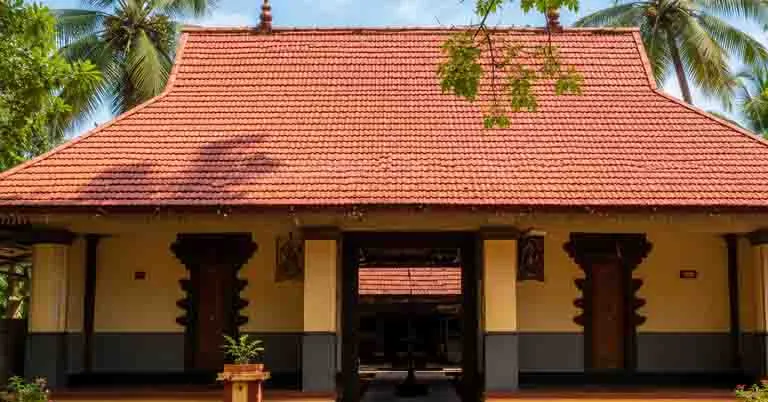
Kerala, known as God’s Own Country, is home to countless ancient temples that blend divine spirituality, artistic excellence, and rich cultural heritage. Among its many sacred shrines, the Mundayur Mahadeva Temple in Malappuram district holds a distinctive place as a powerful center of Shaivite worship. Dedicated to Lord Shiva, the temple is celebrated for its serene surroundings, architectural elegance, and deep-rooted mythology.
The temple attracts thousands of devotees throughout the year who seek the blessings of Lord Mahadeva, the Supreme Destroyer and Protector. Mundayur Mahadeva Temple, though lesser known than some of Kerala’s grander temples, exudes a quiet power and mysticism that has made it an enduring symbol of divine presence and peace.
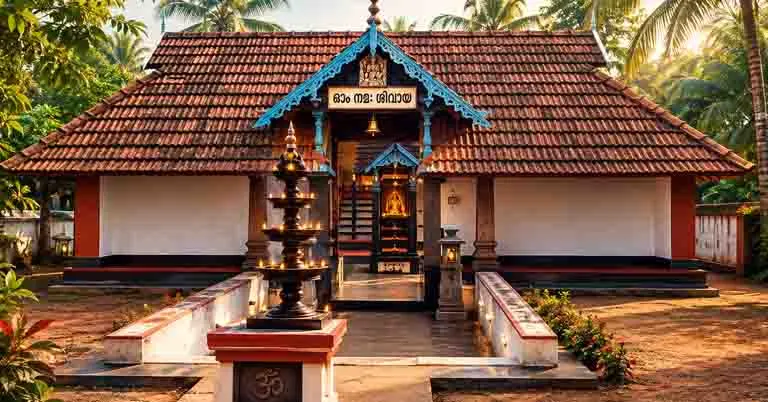
Location and Setting
The Mundayur Mahadeva Temple is located near Tirur in the Malappuram district of Kerala. Nestled amidst lush greenery, coconut groves, and paddy fields, the temple stands as an oasis of tranquility. Its peaceful environment, complemented by the rhythmic chants and temple bells, creates an atmosphere conducive to spiritual contemplation and inner calm.
The temple’s location near the Tirur River adds to its sanctity, as water bodies are considered sacred in Hinduism. The gentle flow of the river and the temple pond nearby are believed to purify the devotees both physically and spiritually before they enter the shrine.
Historical Background
The history of Mundayur Mahadeva Temple stretches back several centuries. Although exact records of its construction are scarce, historians and local traditions suggest that the temple dates back to the Chera period (9th–12th centuries CE).
It is believed to have been one of the 108 Shiva temples consecrated by Lord Parasurama, the sixth incarnation of Lord Vishnu, who reclaimed Kerala from the sea and established it as a land of divine worship. Each of these temples was designed to channel specific cosmic energies, and Mundayur Mahadeva Temple is said to represent Lord Shiva’s form as Dakshinamurthy, the great teacher and embodiment of wisdom.
Over the years, the temple received patronage from local rulers, landlords, and devotees. The Zamorins of Calicut (Samuthiri dynasty) are known to have supported the temple’s rituals and upkeep during their reign. Even today, the temple maintains its traditional administrative structure, preserving the sanctity and authenticity of its ancient practices.

Mythological Significance
The temple’s mythological origins are closely linked to Lord Shiva’s cosmic presence in Kerala. According to legend, Lord Parasurama, after reclaiming the land of Kerala from the ocean, wanted to establish Shiva temples across the region to ensure the land remained spiritually protected. He installed 108 Shiva lingams, each representing a distinct form of Shiva—protector, destroyer, teacher, and healer.
The Mundayur Mahadeva Temple is said to enshrine one of these lingams. The deity here is believed to have manifested as “Dakshinamurthy”, the southern-facing aspect of Shiva, symbolizing supreme knowledge and enlightenment.
Another local legend states that a sage performing penance in the forests of Mundayur had a divine vision of Lord Shiva. When the sage opened his eyes after meditation, he saw a glowing Shiva Lingam at the very spot. A temple was later built there to enshrine this self-manifested (Swayambhu) lingam, making it a powerful site of divine energy.
Architectural Beauty
The Mundayur Mahadeva Temple is a masterpiece of traditional Kerala temple architecture, reflecting the perfect harmony between art, spirituality, and nature. Built using locally available materials like laterite stone, teak wood, and copper, the temple structure is designed to withstand Kerala’s tropical monsoon climate while preserving its ancient charm.
1. The Gopuram (Entrance Tower)
The temple entrance features a modest yet beautifully decorated gopuram, adorned with wooden carvings and mural art depicting episodes from the Puranas. The gopuram acts as a symbolic threshold between the outer material world and the inner realm of divine consciousness.
2. The Nalambalam and Chuttambalam
Inside the temple complex lies the nalambalam, a rectangular hall surrounded by the chuttambalam (circumambulatory passage). The pillars of the nalambalam are intricately carved with motifs of celestial beings, serpents, and divine flowers. The rhythmic sound of oil lamps flickering along these corridors enhances the temple’s meditative ambiance.
3. The Sreekovil (Sanctum Sanctorum)
At the core of the temple lies the Sreekovil, or sanctum sanctorum, which houses the Shiva Lingam. The sanctum is circular in shape, a common architectural feature in Kerala temples symbolizing the eternal cycle of creation and dissolution. The roof of the sanctum is conical and covered with copper plates, which gleam under the tropical sun.
The lingam, black and polished, radiates an aura of serenity. Devotees believe that standing before the deity brings immediate mental peace and spiritual awakening.
4. Other Shrines
The temple complex also includes subsidiary shrines dedicated to:
- Lord Ganapathi (Ganesha) – the remover of obstacles
- Goddess Parvati (Bhagavathi) – the mother goddess and consort of Shiva
- Lord Ayyappa – the youthful energy of divinity
- Naga Devatas (Serpent Deities) – worshipped for fertility and family prosperity
These sub-shrines reflect the temple’s inclusive vision of divinity, where different aspects of cosmic energy coexist harmoniously.
Rituals and Worship
The daily rituals at Mundayur Mahadeva Temple are performed with utmost precision and devotion, following the Tantric traditions of Kerala. The day begins early with the Nirmalyam ceremony, during which the sanctum is opened, and the previous day’s offerings are respectfully removed. The Shiva Lingam is then bathed in water and anointed with sandal paste, ghee, and sacred ash.
The major daily poojas include:
- Usha Pooja (morning)
- Ucha Pooja (midday)
- Deeparadhana (evening lamp offering)
- Athazha Pooja (night offering)
Special rituals such as Rudrabhishekam, Pradosha Pooja, and Ekadasa Rudram are performed regularly to invoke Lord Shiva’s blessings. Mondays, being sacred to Lord Shiva, attract a large number of devotees.
During the Maha Shivaratri festival, the temple witnesses all-night vigils, chanting of hymns like Rudram and Chamakam, and grand Abhisheka ceremonies. Devotees fast and meditate through the night, offering lamps and flowers to Lord Mahadeva.
Festivals and Cultural Activities
The annual festival (Mahotsavam) of the Mundayur Mahadeva Temple is celebrated with grandeur, typically in the Malayalam month of Meenam (March–April). The festivities begin with the Kodiyettam (flag hoisting) and last for several days, culminating in the Aarattu (ritual bathing of the deity).
During the festival, the temple becomes a vibrant cultural hub. Traditional Kerala art forms such as Chenda Melam, Panchavadyam, Kathakali, and Devotional Music Concerts are performed. Thousands of devotees from surrounding villages gather to witness the procession of the deity (Ezhunnallathu), where Lord Shiva is carried atop a caparisoned elephant, accompanied by rhythmic drumbeats and chanting.
Other major celebrations include:
- Maha Shivaratri – observed with intense devotion and fasting.
- Pradosham – a bi-monthly ritual for removing sins and obstacles.
- Thiruvathira – celebrating the divine union of Shiva and Parvati.
- Navarathri – honoring the goddess energy within the temple precincts.
These festivals are not only religious events but also community gatherings that strengthen cultural and social unity.
Spiritual Significance
The spiritual aura of Mundayur Mahadeva Temple is deeply felt by everyone who visits. The temple embodies Shiva’s dual nature—the fierce destroyer of ignorance and the compassionate protector of devotees.
Meditation within the temple premises is said to awaken higher consciousness, aligning the mind and body with cosmic energy. The chanting of the Panchakshara Mantra (“Om Namah Shivaya”) echoes through the corridors, creating vibrations that purify the soul.
For devotees, Lord Shiva here is the Guru and Healer, who removes suffering and grants wisdom. The temple’s atmosphere encourages introspection and inner peace, making it an ideal destination for spiritual seekers.
Preservation and Administration
The temple is managed by a local Devaswom Board in collaboration with the trust of devotees. Regular renovation works are undertaken to maintain the temple’s traditional architecture and preserve its murals and wooden carvings.
The temple also engages in community welfare programs, such as annadanam (free meal service), charity for the poor, and educational scholarships for local students. These initiatives reflect the temple’s commitment to the spiritual and social welfare of society.
Visiting Information
- Location: Mundayur, near Tirur, Malappuram District, Kerala
- Nearest Railway Station: Tirur Railway Station (around 6 km)
- Nearest Airport: Calicut International Airport (approx. 40 km)
- Temple Timings: 5:00 AM – 11:00 AM; 5:00 PM – 8:00 PM
- Dress Code: Traditional attire is preferred; men typically wear mundu, and women wear sarees or salwar kameez.
The best time to visit is during Maha Shivaratri or the annual festival, when the temple radiates spiritual energy and cultural splendor.

Conclusion
The Mundayur Mahadeva Temple stands as a timeless symbol of Kerala’s devotion to Lord Shiva. With its sacred legends, ancient architecture, and serene surroundings, it continues to draw pilgrims seeking spiritual solace and divine blessings.
The temple is not merely a structure of worship but a living embodiment of Kerala’s spiritual essence—where faith, tradition, and art merge seamlessly. The whispers of the wind through its corridors, the rhythm of temple drums, and the glow of a thousand oil lamps together create an experience of divine transcendence.
For anyone seeking a deeper connection with the eternal consciousness that is Lord Mahadeva, the Mundayur Mahadeva Temple offers not just a visit—but a spiritual journey of awakening.
Disclaimer
The information provided by Web Arbiter (‘we’, ‘us’, or ‘our’) on https://webarbiter.in/ . The website is for general informational purposes only. All information on the Site is provided in good faith, however we make no representation or warranty of any kind, express or implied, regarding the accuracy, adequacy, validity, reliability, availability, or completeness of any information on the Site. UNDER NO CIRCUMSTANCE SHALL WE HAVE ANY LIABILITY TO YOU FOR ANY LOSS OR DAMAGE OF ANY KIND INCURRED AS A RESULT OF THE USE OF THE SITE OR RELIANCE ON ANY INFORMATION PROVIDED ON THE SITE. YOUR USE OF THE SITE AND YOUR RELIANCE ON ANY INFORMATION ON THE SITE IS SOLELY AT YOUR OWN RISK. Read Full Disclaimer