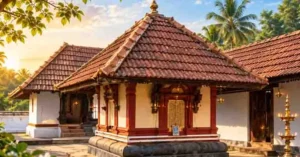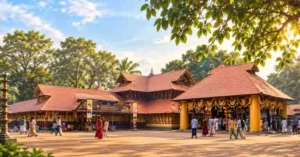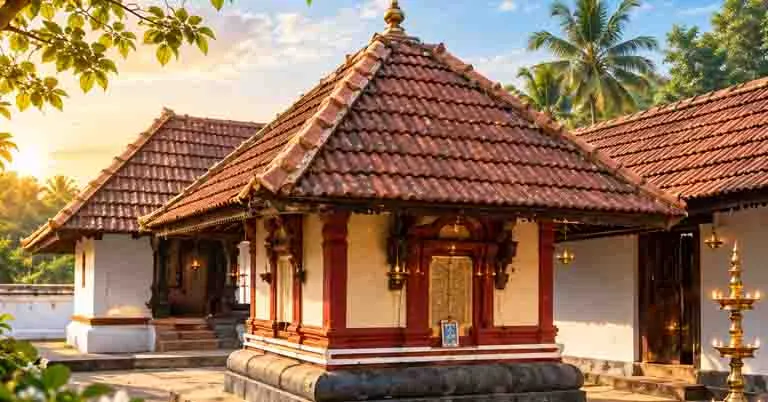


The Nedumpura Kulasekharanellur Shiva Temple, also known as the Sree Kulasekharanellur Mahadeva Temple, is one of the ancient and most revered Shiva temples of Kerala, located near Cheruthuruthy in the Thrissur district. This serene and spiritually charged temple stands as a symbol of Kerala’s sacred architectural heritage and devotion. Surrounded by lush greenery, paddy fields, and traditional village landscapes, the temple offers a divine ambience that transports every devotee to a realm of peace and spiritual fulfilment.
According to legend, this temple is one among the 108 Shiva Temples of Kerala believed to have been consecrated by Lord Parasurama, the sixth incarnation of Lord Vishnu, who reclaimed the land of Kerala from the Arabian Sea. The temple thus forms part of the spiritual geography that defines the essence of Kerala’s devotion to Lord Shiva.
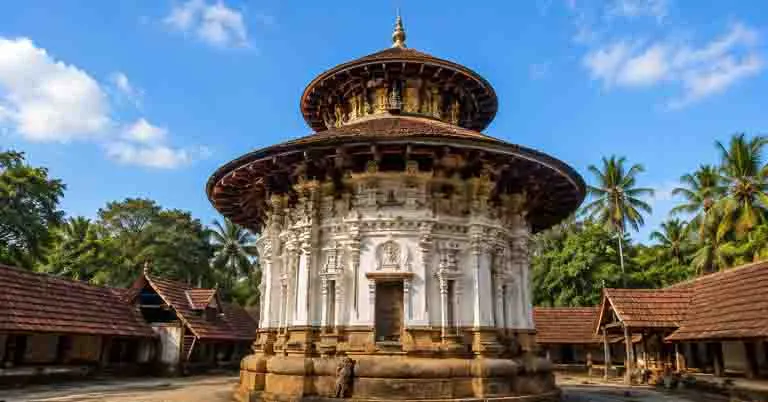
Historical and Mythological Significance
The mythological origin of the temple traces back to the period of Lord Parasurama. It is believed that after reclaiming the land of Kerala, Parasurama installed 108 Shiva Lingas in different locations to purify the land and bless it with divine energy. The Kulasekharanellur Shiva Temple is one of these sacred abodes, granting it an exalted position among Shaiva devotees.
The name Kulasekharanellur itself hints at its historical connection with the Kulasekhara dynasty, which ruled parts of Kerala during the early medieval period. The Kulasekhara kings were known patrons of art, architecture, and spirituality. The temple’s structure, inscriptions, and traditional design elements suggest that it flourished during the reign of these rulers, making it an important religious and cultural center for centuries.
Over time, the temple became the spiritual nucleus of Nedumpura village, fostering local traditions, rituals, and social unity. Elders of the village recount oral traditions that say the temple served as a resting place for wandering ascetics and Vedic scholars, thus establishing itself as a vibrant seat of learning and worship.
Presiding Deity – Lord Shiva
The presiding deity of the temple is Lord Shiva, worshipped here as Sree Mahadeva, the embodiment of supreme consciousness. The Shiva Linga enshrined in the sanctum is believed to be Swayambhu (Self-Manifested), radiating immense spiritual power and divine energy.
The deity faces east, symbolizing wisdom, enlightenment, and the awakening of inner light. Devotees believe that worshipping here with pure devotion grants relief from sins, ensures protection from evil, and bestows prosperity and peace of mind.
The temple also houses several Upa-devatas (sub-deities), including:
- Lord Ganapathi – remover of obstacles and harbinger of success.
- Lord Sastha (Ayyappa) – protector of righteousness and devotees.
- Naga Devatas – serpent deities symbolizing fertility, protection, and ancestral blessings.
The coexistence of these deities reflects Kerala’s inclusive temple culture, where every shrine embodies a microcosm of cosmic harmony.

Architectural Excellence
The architecture of the Nedumpura Kulasekharanellur Shiva Temple** is a masterpiece of the traditional Kerala Vastu Shastra. Built primarily from laterite stone, granite, and wood, the structure harmonizes perfectly with nature, climate, and spiritual symbolism.
1. Sreekovil (Sanctum Sanctorum)
The sanctum, or Sreekovil, is constructed in the Gaja Prishta (Elephant-Back) style, one of the oldest forms in Kerala’s temple design. Its semi-circular rear resembles the back of an elephant, representing strength and stability. The sanctum’s walls are adorned with intricate wooden carvings and stone reliefs depicting divine motifs and floral designs. The copper-plated roof gleams brilliantly, representing the radiance of divine knowledge.
Inside the sanctum, the Swayambhu Shiva Linga rests on a lotus-shaped pedestal, with lamps constantly burning to signify eternal consciousness.
2. Namaskara Mandapam
In front of the sanctum stands the Namaskara Mandapam, a beautifully crafted square pavilion supported by exquisitely carved wooden pillars. The mandapam’s ceiling features a wooden lotus design, a symbol of cosmic creation. Here, priests perform poojas, abhishekas, and offerings, and devotees bow in reverence before entering the inner sanctum.
3. Nalambalam and Chuttambalam
Surrounding the sanctum is the Nalambalam, a rectangular structure with wooden corridors that allow devotees to perform pradakshina (circumambulation). The Chuttambalam forms the outer enclosure, housing subsidiary shrines, oil lamps, and ritual spaces. Its tiled roof and laterite walls exhibit the architectural finesse of Kerala’s temple builders.
4. Dwajasthambham (Flagstaff)
The Dwajasthambham, or flagstaff, stands majestically in front of the temple. During festivals, the hoisting of the temple flag marks the ceremonial commencement of celebrations.
5. The Temple Pond (Ambalakkulam)
A serene temple pond lies nearby, used for purification and ritual baths. The pond’s still waters reflect the temple tower and symbolize mental clarity and self-reflection.
Each element of the temple’s layout—from the entrance to the sanctum—is designed according to sacred geometry, guiding devotees progressively from the material to the spiritual plane.
Daily Rituals and Offerings
The temple follows the Tantric Shaiva Agama tradition in its daily rituals. All poojas are conducted by qualified priests under the guidance of the Thantri (chief priest).
Daily Schedule:
- Nirmalyam – The early-morning removal of the previous day’s offerings and awakening of the deity.
- Abhishekam – Holy bathing of the Shiva Linga with water, milk, ghee, honey, and sandalwood paste.
- Usha Pooja – Morning worship invoking divine energy.
- Ucha Pooja – Noon offering representing solar radiance.
- Deeparadhana – Evening worship with oil lamps and chants.
- Athazha Pooja – Final ritual of the day before closing the sanctum.
Common offerings (Vazhipadu) include:
- Dhara – continuous pouring of oil or water over the Linga.
- Rudrabhishekam – powerful Vedic ritual invoking the cosmic Rudra energy.
- Vilakku Mala – garland of lamps offered to Lord Shiva.
- Ellu Nivedyam – sweet sesame offering believed to remove negative influences.
Devotees observe Mondays, Pradosham, and Shivaratri as especially auspicious days for worship here.
Festivals and Celebrations
The temple’s festivals are celebrated with great devotion and cultural vibrancy, blending spirituality, art, and community participation.
1. Maha Shivaratri
The grandest festival of the temple, Maha Shivaratri is celebrated in the Malayalam month of Kumbham (February–March). Devotees fast, chant “Om Namah Shivaya,” and keep vigil throughout the night. The temple glows with thousands of lamps, and special Abhishekas and Rudra Poojas are performed continuously till dawn.
2. Annual Utsavam
The temple’s Annual Utsavam spans several days, beginning with the Kodiyettam (flag-hoisting) ceremony and concluding with the Arattu (holy bath procession) in the temple pond. Traditional percussion ensembles such as Panchavadyam, Chenda Melam, and Thayambaka fill the air with divine rhythm. Devotional processions, Thalappoli, and temple art performances like Ottam Thullal and Chakyarkoothu enliven the occasion.
3. Pradosham and Thiruvathira
The temple observes bi-monthly Pradosham rituals to honor Lord Shiva’s cosmic dance. The Thiruvathira festival, mainly celebrated by women, venerates the union of Shiva and Parvati, featuring fasting, devotional songs (Thiruvathira pattu), and special lamps.
4. Jaya Bali Offering
In earlier times, a grand ritual known as Jaya Bali was performed here, in which large quantities of cooked rice (unakkalari choru) were offered to Lord Shiva as a symbol of prosperity and community unity.
Cultural and Spiritual Role
The temple has long served as a cultural and social hub of Nedumpura. It stands as a testimony to Kerala’s syncretic tradition—where religion, art, and nature coexist harmoniously. Ancient temple murals, wooden sculptures, and traditional rituals preserve the heritage of classical Kerala.
The temple also promotes traditional art forms such as Koothu, Koodiyattam, and Devotional Bhajans, performed during festivals and special occasions. These performances, once supported by temple endowments, continue today as a reflection of Kerala’s living culture.
Spiritually, the temple functions as a center of meditation and inner peace. Devotees believe that a visit to this shrine cleanses one’s mind and helps balance worldly life with spiritual awareness.
Present Condition and Preservation
Today, the Nedumpura Kulasekharanellur Shiva Temple retains its ancient charm. It remains a calm and less-commercialized shrine, maintained by the Malabar Devaswom Board and local devotees. Regular maintenance ensures that the original wooden and laterite structures are preserved, though restoration work continues to protect its ageing architecture.
Despite modernization around it, the temple has preserved its traditional practices—oil lamps instead of electric lights, chants instead of loudspeakers, and sandalwood fragrance instead of incense sprays. This purity of atmosphere keeps alive the essence of Kerala’s ancient spirituality.
Visiting Information
- Location: Nedumpura village, near Cheruthuruthy, Thrissur District, Kerala
- Nearest Town: Shoranur (8 km), Thrissur (25 km)
- Nearest Railway Station: Shoranur Junction
- Nearest Airport: Cochin International Airport (≈ 80 km)
- Temple Timings: 5:00 AM – 11:30 AM, 5:00 PM – 8:00 PM
- Dress Code: Traditional attire—mundu for men, saree or salwar for women.
The best time to visit is during the Annual Utsavam or Maha Shivaratri, when the temple radiates its full grandeur, filled with music, lamps, and spiritual fervor.
Spiritual Experience
Entering the temple premises, one is instantly embraced by a sense of serenity—the scent of sandalwood, the echo of temple bells, the glow of oil lamps, and the rhythmic chanting of “Om Namah Shivaya.” The tranquil surroundings and the centuries-old architecture together create an environment that nurtures both devotion and introspection.
Devotees often remark that a few moments before the Sreekovil bring an overwhelming sense of inner stillness, as if time itself slows down. This mystical quality reflects why the temple is considered a powerful spiritual center, where Lord Shiva is not merely worshipped but experienced as a living presence.

Conclusion
The Nedumpura Kulasekharanellur Shiva Temple is far more than an ancient shrine—it is a living symbol of Kerala’s devotion, art, and spiritual wisdom. Its legends connect it to the divine origins of Kerala, its architecture showcases the genius of ancient craftsmen, and its rituals sustain the rhythm of faith passed through generations.
For the seeker of divine grace, the devotee in need of peace, or the traveler yearning to witness Kerala’s timeless temple culture, this sacred abode offers everything—a blend of silence, spirituality, and sanctity that transcends the boundaries of time.
To stand before the Swayambhu Linga of Lord Shiva at Kulasekharanellur is to stand before eternity itself—a reminder that while ages may change, the divine essence remains eternal and unshaken, forever radiating from this sacred corner of Nedumpura.
Disclaimer
The information provided by Web Arbiter (‘we’, ‘us’, or ‘our’) on https://webarbiter.in/ . The website is for general informational purposes only. All information on the Site is provided in good faith, however we make no representation or warranty of any kind, express or implied, regarding the accuracy, adequacy, validity, reliability, availability, or completeness of any information on the Site. UNDER NO CIRCUMSTANCE SHALL WE HAVE ANY LIABILITY TO YOU FOR ANY LOSS OR DAMAGE OF ANY KIND INCURRED AS A RESULT OF THE USE OF THE SITE OR RELIANCE ON ANY INFORMATION PROVIDED ON THE SITE. YOUR USE OF THE SITE AND YOUR RELIANCE ON ANY INFORMATION ON THE SITE IS SOLELY AT YOUR OWN RISK. Read Full Disclaimer