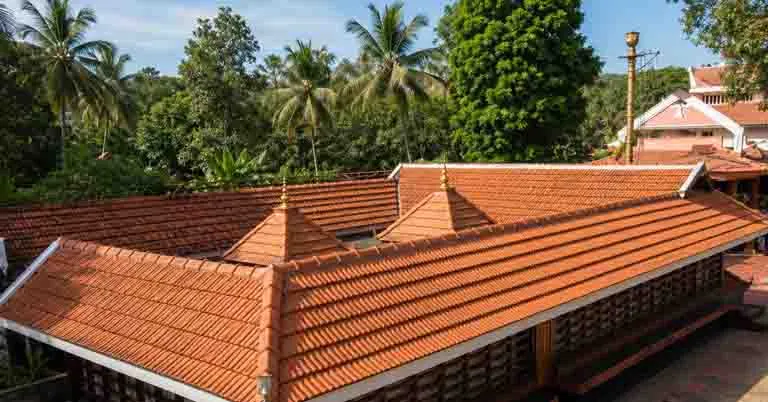
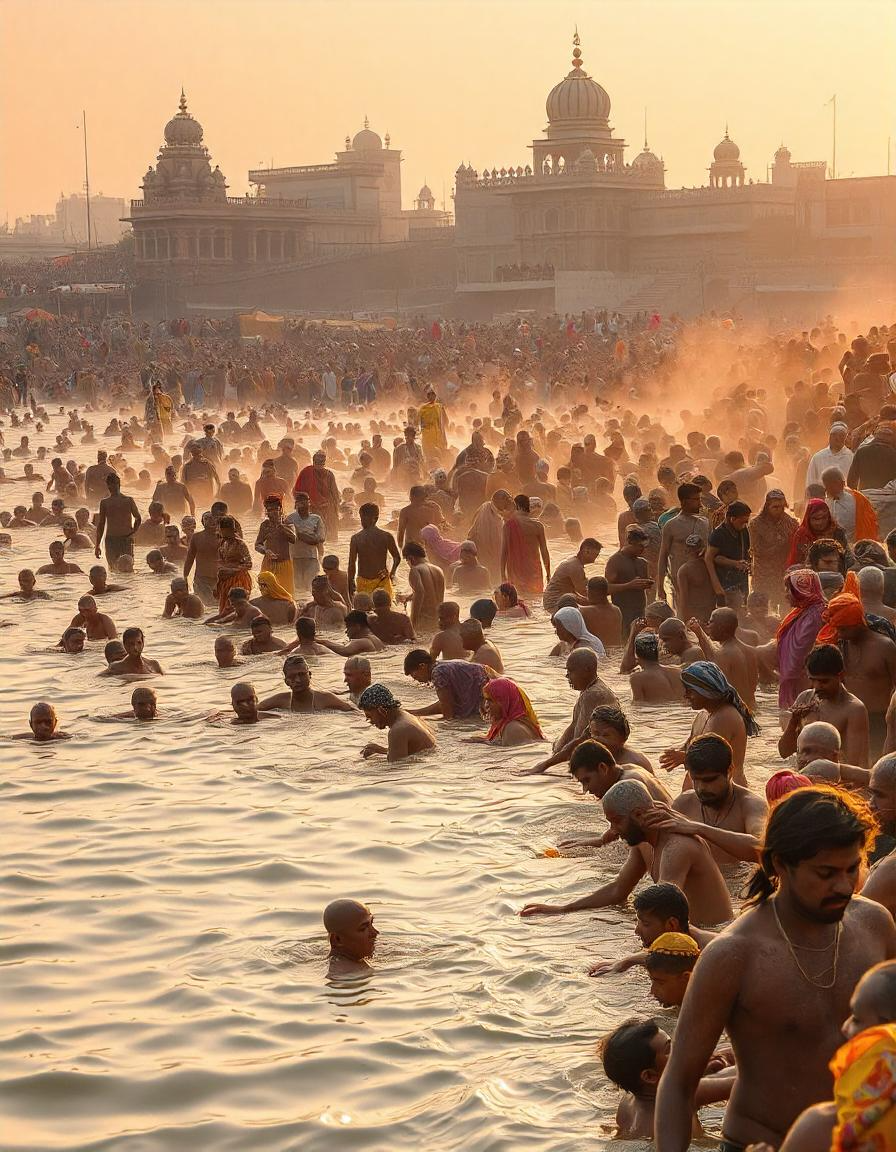
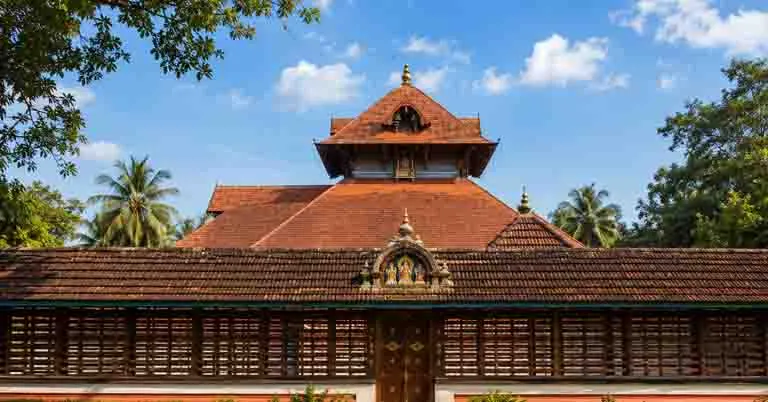
Nestled in the serene landscapes of Thrissur district, Kerala, the Pananchery Mudikkode Shiva Temple stands as a timeless testimony to the state’s spiritual depth, artistic brilliance, and cultural heritage. Dedicated to Lord Shiva, the temple is one of the oldest and most revered shrines in the region, attracting devotees from across the state. Surrounded by lush greenery, gentle hillocks, and tranquil village life, the temple offers an atmosphere of peace and divinity that draws both the devout and the curious traveler alike.
Historical Background
The Pananchery Mudikkode Shiva Temple has a history that stretches back several centuries. Though the exact date of its origin remains uncertain, local legends and inscriptions suggest that it was established during the Chera dynasty, which ruled Kerala during the early medieval period. Like many temples in Kerala, its creation is often attributed to the Parashurama legend, the sage-warrior who is believed to have reclaimed the land of Kerala from the sea and consecrated several temples for Lord Shiva and Vishnu.
Over the centuries, the temple has undergone various stages of renovation and preservation, particularly during the rule of local chieftains and under the patronage of wealthy Brahmin families. Despite these changes, the temple has managed to retain its ancient charm and spiritual vibrancy, making it one of the hidden gems of Kerala’s temple heritage.
Architectural Splendor
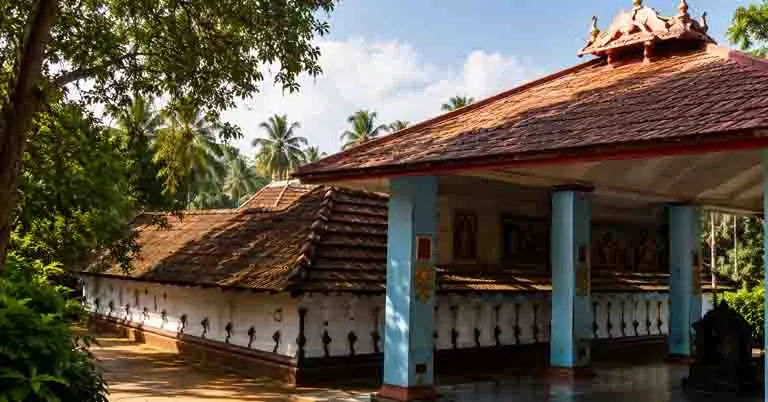
The architecture of the Pananchery Mudikkode Shiva Temple is a remarkable reflection of traditional Kerala temple design, which harmoniously blends spiritual symbolism with architectural science. Constructed primarily from granite, laterite, and wood, the temple showcases the classic Dravidian-Kerala style with intricate carvings, sloping tiled roofs, and a sacred pond nearby.

1. The Sreekovil (Sanctum Sanctorum)
At the heart of the temple lies the Sreekovil, the sanctum where Lord Shiva is enshrined in the form of a lingam. The sanctum is circular in shape, representing eternity and the cosmic cycle of creation and dissolution. The idol is adorned with flowers, sandal paste, and sacred ash, signifying purity and the divine presence of Lord Shiva.
2. Namaskara Mandapam
In front of the Sreekovil stands the Namaskara Mandapam, an exquisitely carved wooden structure with a brass-plated roof. Devotees perform prostrations (namaskaram) here before offering prayers to the deity. The Mandapam is often illuminated with oil lamps during rituals, creating an ethereal glow that enhances the spiritual ambiance.
3. The Temple Gopuram (Entrance Tower)
The temple’s gopuram, though modest in height compared to South Indian counterparts, reflects the elegance of Kerala’s architectural restraint. It features intricate wooden carvings of divine beings, floral motifs, and mythological symbols, all crafted by local artisans.
4. The Temple Tank (Kulam)
A serene temple pond lies adjacent to the shrine, serving both spiritual and practical purposes. Devotees perform ablutions here before entering the temple, as water symbolizes purification in Hindu tradition. The pond also contributes to the temple’s ecological balance, maintaining coolness and serenity within the complex.
Deity and Spiritual Significance
The presiding deity of the Pananchery Mudikkode Temple is Lord Shiva, worshipped in his calm and benevolent form as Dakshinamurthy, the divine teacher. This form represents Shiva as the embodiment of knowledge, wisdom, and silence—a teacher who imparts truth not through words but through stillness. The temple is believed to be a powerful site for seekers of enlightenment, clarity of mind, and liberation from ignorance.
The Shivalinga is self-manifested (Swayambhu), and local belief holds that the deity’s energy is particularly strong during dawn and dusk—the traditional Sandhya times for Shiva worship. Devotees often perform abhishekam (ritual bathing of the idol) with milk, water, honey, and bilva leaves, each symbolizing purity and devotion.
Sub-Shrines and Other Deities
In addition to the main shrine, the temple complex houses several smaller shrines dedicated to various deities, forming a microcosm of the Hindu pantheon:
- Parvathi Devi: The consort of Lord Shiva, representing Shakti (divine feminine energy).
- Ganapathi (Ganesha): The remover of obstacles and the first to be worshipped before any ritual.
- Subramanya (Murugan): The warrior god, protector of devotees and symbol of youth and valor.
- Ayyappa: The god of celibacy and self-discipline, revered widely across Kerala.
- Naga Devatas (Serpent Gods): Guardians of fertility and nature, worshipped in the temple’s sacred grove (Sarpa Kavu).
Each of these deities contributes to the temple’s spiritual completeness, embodying different aspects of divine energy.
Rituals and Worship Practices
The temple follows the Tantric mode of worship typical to Kerala Shaiva temples. Rituals begin with the Nirmalyam (early morning cleansing and decoration of the idol), followed by Abhishekam, Deeparadhana, and Ucha Pooja (midday offering). The evening rituals, known as Athazha Pooja and Deeparadhana, are performed with deep devotion, accompanied by rhythmic chants of Vedic hymns.
Special rituals include:
• Rudrabhishekam: A powerful Vedic ritual invoking Lord Shiva’s blessing for purification and peace.
• Pradosha Pooja: Performed twice a month during the twilight of the 13th lunar day, believed to remove sins and grant prosperity.
• Shivarathri: The grand annual festival dedicated to Lord Shiva, observed with fasting, prayers, and night-long bhajans.
Festivals and Celebrations
1. Maha Shivaratri
The most important festival celebrated at the Pananchery Mudikkode Shiva Temple is Maha Shivaratri, which attracts thousands of devotees from across Kerala. The temple comes alive with devotional music, traditional art forms, and special rituals. The chanting of “Om Namah Shivaya” resonates throughout the night, symbolizing the victory of light over darkness and knowledge over ignorance.
2. Annual Temple Festival (Utsavam)
The temple’s annual festival lasts for several days, featuring flag hoisting (Kodiyettam), processions with caparisoned elephants, melam (traditional percussion music), and Kathakali performances. The grand Arattu (holy bath of the deity) marks the festival’s conclusion, symbolizing purification and renewal.
3. Navratri and Thiruvathira
These festivals honor the feminine aspect of divinity, particularly Goddess Parvathi. Women devotees perform Thiruvathirakali, a graceful dance symbolizing marital harmony and devotion to Lord Shiva and Parvathi.
Cultural and Community Role
The Pananchery Mudikkode Shiva Temple is not just a place of worship but also a cultural nucleus for the local community. It serves as a venue for classical art performances, spiritual discourses, and community gatherings. The temple’s premises host Vedic schools that teach ancient scriptures and rituals to young aspirants, preserving Kerala’s rich spiritual traditions.
Moreover, the temple actively participates in social initiatives, including annadanam (free food distribution), environmental awareness drives, and aid programs for the needy, reflecting the Hindu ideal of seva (service to humanity).
Legends and Beliefs
According to local lore, the site of the Pananchery Mudikkode Temple was once a forest hermitage where sages performed penance to Lord Shiva. It is said that the Lord appeared before them as a column of light (Jyotirlinga), and the sages established the temple to enshrine his divine presence.
Another legend speaks of a hidden treasure buried beneath the temple, guarded by celestial beings. While never proven, it symbolizes the temple’s association with divine mystery and spiritual wealth rather than material riches.
Many devotees believe that worshipping here helps remove mental confusion, obstacles, and ancestral afflictions (Pitru Dosha). The temple is especially visited by those seeking clarity, knowledge, and liberation from karmic burdens.
Environment and Surroundings
Set amidst the tranquil landscape of Mudikkode village, the temple’s surroundings reflect Kerala’s rustic beauty. Paddy fields, coconut palms, and streams create a serene backdrop for spiritual contemplation. The chirping of birds, the rustle of temple trees, and the fragrance of sandalwood and jasmine blend to create an atmosphere of profound peace.
Preservation and Management
The temple is managed by the Cochin Devaswom Board, which oversees maintenance, rituals, and cultural activities. Recent restoration efforts have focused on preserving the wooden carvings, murals, and structural stability of the temple. The Devaswom and local devotees work together to ensure that traditional practices are upheld while accommodating modern facilities for pilgrims.

Conclusion
The Pananchery Mudikkode Shiva Temple stands as a living monument to Kerala’s spiritual grandeur and architectural excellence. It is not merely a place of worship but a sanctuary of consciousness, where every stone, lamp, and chant echoes with divine energy.
For devotees of Lord Shiva, a visit to this temple is not just a ritual journey—it is a soulful experience that bridges the gap between the earthly and the eternal. Rooted in myth, history, and devotion, the Pananchery Mudikkode Shiva Temple continues to inspire reverence, peace, and faith in the hearts of countless visitors.
Disclaimer
The information provided by Web Arbiter (‘we’, ‘us’, or ‘our’) on https://webarbiter.in/ . The website is for general informational purposes only. All information on the Site is provided in good faith, however we make no representation or warranty of any kind, express or implied, regarding the accuracy, adequacy, validity, reliability, availability, or completeness of any information on the Site. UNDER NO CIRCUMSTANCE SHALL WE HAVE ANY LIABILITY TO YOU FOR ANY LOSS OR DAMAGE OF ANY KIND INCURRED AS A RESULT OF THE USE OF THE SITE OR RELIANCE ON ANY INFORMATION PROVIDED ON THE SITE. YOUR USE OF THE SITE AND YOUR RELIANCE ON ANY INFORMATION ON THE SITE IS SOLELY AT YOUR OWN RISK. Read Full Disclaimer