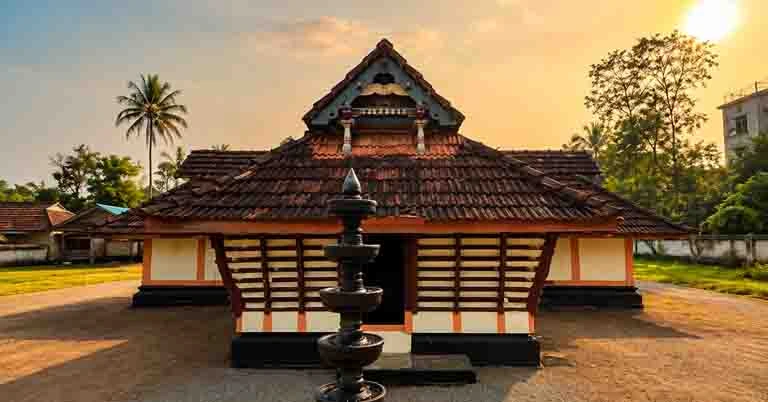


The Parampanthali Sree Mahadeva Temple, nestled in the serene village of Mullassery in Thrissur district, Kerala, is one of the ancient and revered shrines dedicated to Lord Shiva. It stands as a symbol of Kerala’s deep-rooted Shaiva tradition, mythological grandeur, and architectural splendor. Surrounded by lush greenery and peaceful landscapes, this temple is not only a center of worship but also a vital cultural and spiritual hub for the region. It is traditionally believed to be one among the 108 famous Shiva temples of Kerala, said to have been consecrated by the great sage Parashurama, the sixth incarnation of Lord Vishnu.
Historical and Mythological Background
The origin of the Parampanthali Sree Mahadeva Temple is closely tied to Kerala’s legendary creation myth. According to tradition, Lord Parashurama reclaimed the land of Kerala from the sea by throwing his divine axe, and to sanctify the new land, he installed 108 Shiva temples and several other shrines dedicated to Vishnu and Devi across the region. Parampanthali Sree Mahadeva Temple is said to be one among these sacred 108 Shivalayas, making it part of a divine network of spiritual centers that protect and bless the land of Kerala.
The temple’s ancient lineage is supported by its architectural style and ritual practices, which reflect early medieval Kerala traditions. Though there are no definitive inscriptions available to date its exact establishment, local legends claim that the temple has existed for several centuries and has been the focal point of Mullassery’s spiritual and cultural life. The temple’s prominence grew under the patronage of local chieftains and temple trustees who maintained the rituals and supported the temple’s upkeep.
The name Parampanthali itself is believed to have roots in the Malayalam word “parambu,” meaning land or enclosure, and “thali,” meaning a sacred temple site. Thus, Parampanthali indicates “the holy enclosure” or “the sacred land,” befitting a temple that holds divine importance in the Shaiva faith.

Deity and Spiritual Significance
The principal deity of Parampanthali Temple is Lord Shiva, worshipped here as Swayambhoo (self-manifested) Mahadeva. The Shiva Linga enshrined in the Sreekovil (sanctum sanctorum) radiates the energy and calm associated with Lord Shiva in his benevolent form. Devotees believe that the deity here blesses his followers with peace, prosperity, and spiritual enlightenment, removing obstacles and purifying the mind.
The temple also houses sub-shrines for various other deities, a common feature in Kerala temples, though Lord Shiva remains the presiding deity. The presence of subsidiary deities such as Lord Ganapathy, Subramanya, and Goddess Parvathy is often noted, signifying the completeness of divine energy within the temple complex. The combination of these deities makes Parampanthali a spiritually holistic center for devotees who seek blessings for all aspects of life — from wisdom and courage to prosperity and peace.
Temple Architecture
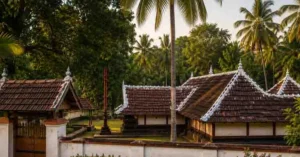
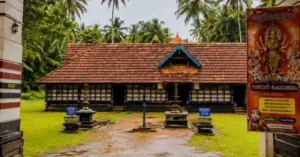
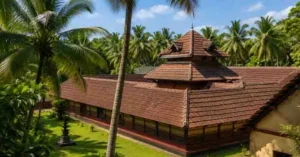
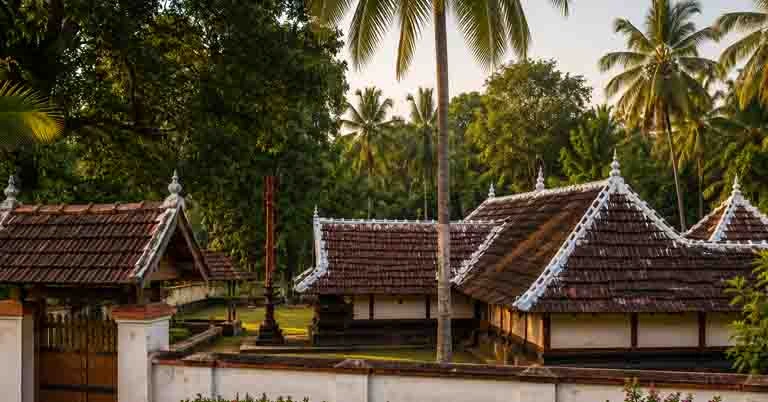
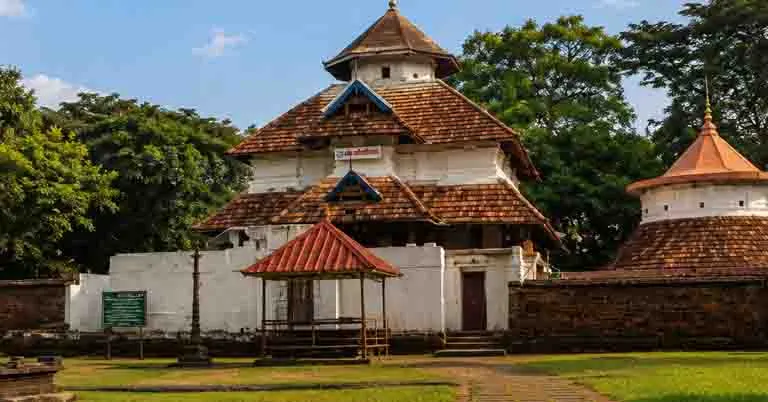
The architecture of Parampanthali Sree Mahadeva Temple represents the classical Kerala temple style, known for its harmony with nature, simplicity, and symbolism. The temple is built on an elevated platform, giving it a majestic view of the surrounding area. This elevated structure is considered sacred, as it signifies the divine residing above the earthly plane.
Key architectural features include:
- Sreekovil (Sanctum Sanctorum): The innermost sanctum houses the Shiva Linga. The Sreekovil follows the circular (Vatta Sreekovil) or square (Chathura Sreekovil) plan, characteristic of Kerala temples. The roof is made of copper-plated tiles, sloping gracefully to withstand heavy monsoon rains.
- Namaskara Mandapam: In front of the sanctum lies the Namaskara Mandapam, where devotees offer prayers and prostrations. It often serves as a place for rituals like abhishekam and deeparadhana.
- Nalambalam and Chuttambalam: Surrounding the sanctum is the nalambalam (inner hall), enclosed by the chuttambalam (outer corridor), providing a circumambulatory path (pradakshina vazhi) for devotees. The wooden ceilings and carvings of these structures exhibit fine craftsmanship typical of Kerala temple architecture.
- Dhwaja Stambha (Flag Post): The tall metal-plated flagpost near the entrance represents the spiritual axis connecting the earth to the heavens. It is an integral feature of major festivals when the ceremonial flag is hoisted to mark auspicious celebrations.
- Gopuram (Temple Gate Tower): The main entrance features a modest gopuram with traditional tiled roofing, in keeping with the architectural restraint of Kerala temples. The doorway opens into the balikkalpura, where offerings are placed before entering the sanctum.
The temple is built primarily using laterite stones, timber, and copper tiles—materials that harmonize with Kerala’s climate. The entire layout adheres to the principles of Vastu Shastra and Tantra Samuchayam, ensuring the flow of divine energy throughout the complex.
Rituals and Worship Practices
Daily worship at the Parampanthali Sree Mahadeva Temple follows the traditional Shaiva tantric customs. Rituals are performed by hereditary priests (tantris and melshanthis) who maintain the sanctity of the temple through the prescribed pooja cycles.
The daily pooja schedule includes:
- Usha Pooja (Morning Worship): The first ritual of the day, symbolizing the awakening of the deity and the world.
- Ucha Pooja (Noon Worship): Performed at midday with offerings of cooked rice (nivedyam), flowers, and incense.
- Athazha Pooja (Evening Worship): The final ritual of the day, accompanied by deeparadhana (lamp offering) that fills the temple with divine radiance.
Special offerings include Dhara (pouring of water, milk, or oil over the Shiva Linga), Rudrabhishekam (sacred chanting of Rudra hymns with abhishekam), and Bilva Archana (offering of sacred Bilva leaves). Devotees also perform Pradosha Pooja, which holds immense significance for Lord Shiva devotees seeking divine grace and relief from sins.
Festivals and Celebrations
Festivals form the heart of Parampanthali Temple’s identity, uniting devotion, art, and community spirit. The major annual festivals celebrated here include:
1. Mahashivaratri
This is the most important festival dedicated to Lord Shiva, celebrated with grandeur and devotion. On this sacred night, devotees observe fasting, chanting of “Om Namah Shivaya,” and participate in night-long prayers. The temple remains illuminated with thousands of oil lamps, creating a divine atmosphere. Rituals like Rudrabhishekam, Dhara, and Deeparadhana continue through the night as devotees meditate and sing hymns.
2. Parampanthali Shashti Festival
Another significant celebration unique to this temple is the Shashti Mahotsavam, which attracts large crowds from Mullassery and nearby villages. The festival features Kavadi processions by devotees, colorful Kettukazhcha (decorative temple structures), traditional melam (percussion ensembles), and Nadaswaram performances. The Kavadiyattam performed by groups of devotees symbolizes penance and devotion towards Lord Subramanya, who is also venerated here.
The festival culminates with the Aarattu (holy bath) of the deity’s idol, accompanied by temple elephants and chenda melam. The rhythmic beats, chants, and vibrant decorations create a magnificent spectacle that embodies Kerala’s temple culture.
3. Pradosham and Mondays
Every Pradosham (the thirteenth lunar day) and Mondays (sacred to Lord Shiva) are observed with special rituals and abhishekams. These days witness an influx of devotees seeking blessings for spiritual upliftment and relief from karma.
Cultural and Social Importance
The Parampanthali Sree Mahadeva Temple is not just a place of worship—it serves as the nucleus of Mullassery’s cultural and social life. The temple festivals provide a platform for traditional art forms like Chenda Melam, Panchavadyam, Kathakali, and Tholpavakoothu (shadow puppetry). These art performances are not mere entertainment but sacred offerings to the deity, reflecting the temple’s integral role in preserving Kerala’s artistic heritage.
The temple also fosters community unity. Various desam (village) committees actively participate in festival organization and temple upkeep, ensuring continuity of customs across generations. The temple thus represents the spirit of bhakti (devotion) blended with samskara (culture), maintaining a balance between spirituality and community involvement.
Surroundings and Accessibility
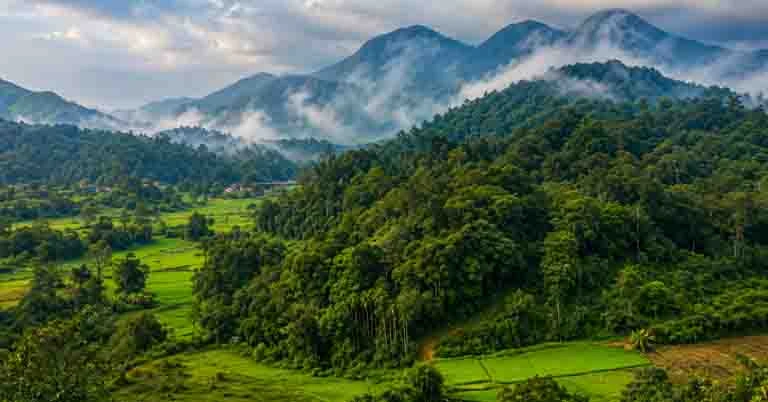
Located approximately 20 kilometers from Thrissur city and about 5 kilometers from NH 66 (National Highway 17), the temple is easily accessible by road. The serene village of Mullassery, surrounded by paddy fields and coconut groves, enhances the temple’s tranquil charm. Visitors often describe the atmosphere as deeply meditative — a place where one can experience peace away from urban bustle.
The best time to visit is during early morning or evening poojas, or during the major festivals when the temple is vibrant with activity. Devotees are advised to dress modestly in traditional attire, as per Kerala temple customs, and to maintain the sanctity of the premises.

Conclusion
Parampanthali Sree Mahadeva Temple stands as a timeless testimony to Kerala’s devotion, tradition, and artistic brilliance. Dedicated to Lord Shiva, the temple encapsulates centuries of faith, legend, and community life. Its association with the 108 Shiva temples consecrated by Lord Parashurama lends it divine prestige, while its architectural beauty and rituals reveal the soul of Kerala’s temple culture.
For devotees and visitors alike, a journey to Parampanthali is more than a pilgrimage—it is a spiritual encounter that connects one with the eternal energy of Lord Shiva. The calmness of the temple, the echo of sacred chants, and the shimmering lamps during Deeparadhana evoke a sense of oneness with the divine. As the temple bells ring across Mullassery’s green landscape, they remind every soul that amidst the changing world, faith and tradition remain eternal — just as Lord Shiva himself, the timeless Mahadeva of Parampanthali.
Disclaimer
The information provided by Web Arbiter (‘we’, ‘us’, or ‘our’) on https://webarbiter.in/ . The website is for general informational purposes only. All information on the Site is provided in good faith, however we make no representation or warranty of any kind, express or implied, regarding the accuracy, adequacy, validity, reliability, availability, or completeness of any information on the Site. UNDER NO CIRCUMSTANCE SHALL WE HAVE ANY LIABILITY TO YOU FOR ANY LOSS OR DAMAGE OF ANY KIND INCURRED AS A RESULT OF THE USE OF THE SITE OR RELIANCE ON ANY INFORMATION PROVIDED ON THE SITE. YOUR USE OF THE SITE AND YOUR RELIANCE ON ANY INFORMATION ON THE SITE IS SOLELY AT YOUR OWN RISK. Read Full Disclaimer