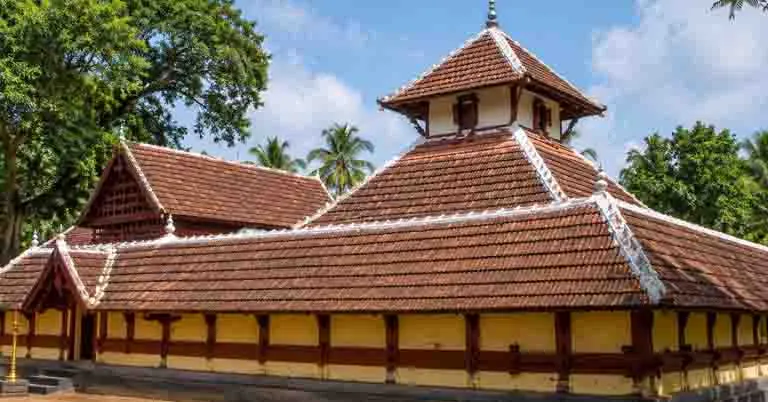
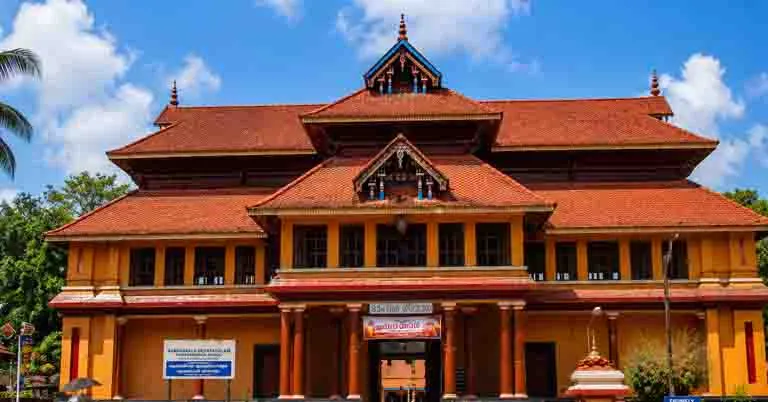
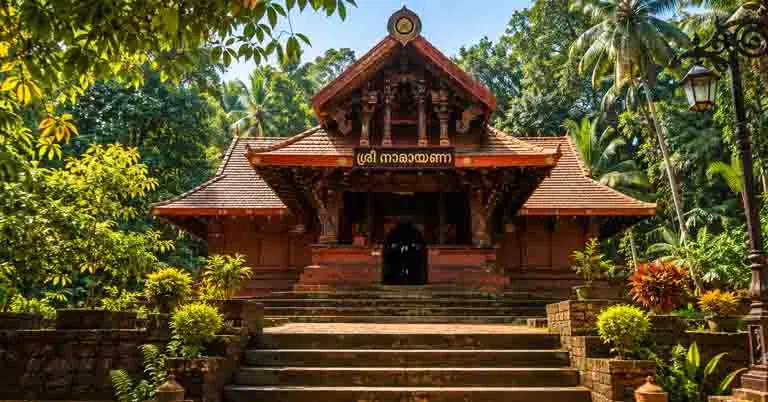
Nestled in the village of Perumparampu in the Thrissur district of Kerala, Perumparampu Sri Mahadeva Temple is one of the revered shrines dedicated to Lord Shiva. Renowned for its spiritual sanctity, historical significance, and classic Kerala-style architecture, the temple has served as a center of Shaivite worship for centuries. Surrounded by lush greenery, paddy fields, and serene temple groves, the temple provides a tranquil environment conducive to meditation, worship, and spiritual reflection. Its rich history, vibrant rituals, and cultural legacy make Perumparampu Sri Mahadeva Temple a vital spiritual hub for devotees seeking divine blessings, inner peace, and a connection to Kerala’s rich religious heritage.
Historical Background
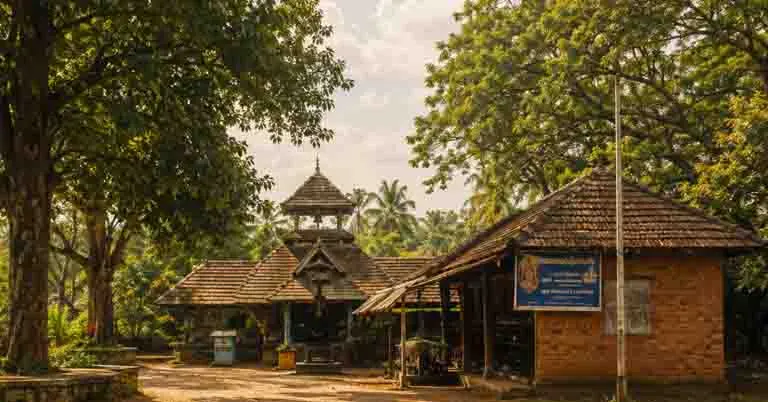
Perumparampu Sri Mahadeva Temple is considered one of the ancient Shiva temples of Kerala, with origins that are believed to date back several centuries. While precise historical records are limited, oral traditions, local legends, and inscriptions suggest that the temple was established by sages and devotees devoted to Lord Shiva. According to legend, the temple site was sanctified when Lord Shiva manifested his divine presence to bless the surrounding region and its inhabitants.
Some sources associate the temple with the sacred network of 108 Shiva temples of Kerala, traditionally consecrated by the legendary sage Parasurama. This connection underscores the spiritual prominence of Perumparampu Sri Mahadeva Temple and its significance as a pilgrimage site.
Throughout its history, the temple received patronage from local rulers and prominent families, who contributed to renovations, expansions, and ritual maintenance. These efforts have helped preserve the temple’s sanctity and historical heritage. Over time, the temple has also served as a center for religious education, community gatherings, and cultural preservation, further solidifying its status as a spiritual and social landmark in the region.
Architectural Features
Perumparampu Sri Mahadeva Temple exemplifies traditional Kerala temple architecture, characterized by simplicity, elegance, and harmony with nature. Unlike the elaborate Dravidian-style temples of Tamil Nadu, Kerala temples are designed to integrate seamlessly with the natural environment while reflecting spiritual symbolism in their layout and construction.
The Sreekovil (sanctum sanctorum) houses the main deity, Lord Shiva, represented as a Shivalinga, which symbolizes the cosmic principles of creation, preservation, and destruction. Constructed with granite and laterite stone, the sanctum has a sloping roof made of terracotta tiles, a design well-suited to Kerala’s heavy monsoon climate. Despite its modest scale, the sanctum exudes a profound spiritual aura, inspiring devotion and reverence among visitors.
In front of the Sreekovil is the Namaskara Mandapam, a hall used for worship, ritual ceremonies, and congregational prayers. This mandapam features intricately carved wooden pillars and beams adorned with motifs of deities, mythological stories, and floral designs, showcasing the craftsmanship of Kerala artisans. Surrounding the sanctum is the pradakshina path, a circumambulatory path allowing devotees to perform pradakshina as an act of devotion and meditation.
The temple complex also contains smaller shrines dedicated to Lord Ganesha, Lord Subramanya, Goddess Parvati, and other deities, enabling devotees to engage in multi-deity worship. A sacred temple pond (kulam) is located within the premises, serving ritual purification purposes and enhancing the serene ambiance of the temple. The groves and open spaces around the temple provide a natural, tranquil environment conducive to meditation and prayer.

The entrance features a modest gopuram, adorned with carvings depicting mythological scenes, celestial beings, and divine symbols. The temple layout ensures proper ventilation and natural lighting, maintaining a peaceful environment for devotees.
Religious Significance and Beliefs
Perumparampu Sri Mahadeva Temple holds immense spiritual significance for devotees of Lord Shiva. Worship here is believed to remove obstacles, bestow prosperity, ensure family well-being, and foster spiritual growth. The Shivalinga enshrined in the sanctum is regarded as a potent source of divine energy capable of transmitting blessings to sincere devotees.
The temple is particularly revered by those seeking remedies for personal, familial, or professional challenges. Devotees also engage in meditation, chanting of Shiva mantras, and ritual offerings to strengthen their spiritual connection. The temple’s serene surroundings provide an ideal environment for contemplation, self-reflection, and devotion.
Daily Rituals and Worship Practices
Perumparampu Sri Mahadeva Temple follows Shaiva Agama rituals, blending Vedic chanting, ceremonial offerings, and devotional acts. The daily worship schedule is carefully maintained by the temple priests, ensuring sanctity and spiritual energy throughout the day.
Key rituals include:
- Nirmalyam: Early morning cleansing and decoration of the deity.
- Abhishekam: Ritualistic bathing of the Shivalinga with water, milk, honey, ghee, and sandal paste, symbolizing purification and divine grace.
- Usha Pooja: Morning worship with offerings of flowers, incense, and bilva leaves.
- Nada Thurakkal: Opening of temple doors for devotees, accompanied by bell ringing and conch blowing.
- Deepa Aradhana: Evening lamp offering, symbolizing the dispelling of darkness and the arrival of divine light.
- Athazha Pooja: Night-time ritual marking temple closure with prayers for protection and blessings.
Special poojas are observed on Pradosham days, Mondays, and Maha Shivaratri, attracting large numbers of devotees who participate in fasting, ceremonial offerings, and night-long worship to earn spiritual merit and divine blessings.
Festivals and Celebrations
The most significant festival celebrated at Perumparampu Sri Mahadeva Temple is Maha Shivaratri, observed with devotion, fasting, and night-long prayers. During the festival, the temple is decorated with lamps, flowers, and ceremonial adornments, creating a sacred and festive atmosphere. Devotees participate in abhishekam, chanting, and processions, symbolizing spiritual awakening and the triumph of divine wisdom over ignorance.
Another important festival is Thiruvathira, celebrated during the Malayalam month of Dhanu, which honors Lord Shiva’s cosmic dance. Women devotees perform traditional dances, fast, and offer prayers for marital harmony and family well-being. Other festivals, including Navaratri, Onam, and local temple celebrations, blend devotional rituals with cultural performances such as Kathakali, Ottamthullal, and classical music, reinforcing the temple’s role as a cultural hub.
During festivals, the temple becomes a vibrant center of spiritual, cultural, and social activity, fostering community engagement and preserving Kerala’s artistic traditions.
Cultural and Social Significance
Perumparampu Sri Mahadeva Temple serves as a center of spiritual and cultural life. The temple hosts performances of traditional arts, music, and dance during festivals, providing a platform for local artists and sustaining Kerala’s cultural heritage.
The temple administration also engages in social welfare activities, including educational support, charitable programs, and healthcare services for the underprivileged. Through these initiatives, the temple fulfills its traditional role as a center of spiritual guidance, community service, and cultural preservation.
Natural Surroundings and Pilgrimage Experience
Set amidst lush greenery, paddy fields, and groves, Perumparampu Sri Mahadeva Temple offers a serene environment conducive to meditation, prayer, and spiritual reflection. Pilgrims often undertake a contemplative walk through the temple grounds, perform rituals, and meditate, experiencing a profound sense of calm and rejuvenation.
The harmonious integration of temple architecture with its natural surroundings reflects Kerala’s traditional belief in the interconnectedness of the divine, humanity, and nature. Visitors frequently report spiritual upliftment and a deep connection with the divine after spending time at the temple.
Preservation and Modern Enhancements
The temple has undergone careful restoration to maintain its structural integrity while accommodating the needs of modern devotees. Renovations adhere to traditional Kerala architectural styles, using timber, laterite, and terracotta tiles, while modern amenities such as lighting, sanitation, and accessibility have been thoughtfully incorporated.
Environmental sustainability is emphasized, particularly during festivals and large gatherings, ensuring that the temple continues to function as a sacred sanctuary without compromising the ecological balance. These initiatives demonstrate a harmonious blend of tradition, devotion, and contemporary needs.

Conclusion
Perumparampu Sri Mahadeva Temple stands as a timeless symbol of devotion, spiritual heritage, and cultural continuity in Kerala. Its historical roots, architectural elegance, and vibrant religious practices make it a central hub of Shaivism in the Thrissur district. From sacred rituals and serene natural surroundings to elaborate festivals and cultural programs, the temple offers devotees an immersive spiritual experience.
For pilgrims and visitors, Perumparampu Sri Mahadeva Temple provides an opportunity to connect with Lord Shiva, seek blessings for personal and communal well-being, and engage with Kerala’s rich spiritual and cultural traditions. The temple continues to inspire generations of devotees, preserving its sacred legacy while nurturing the spiritual, cultural, and social fabric of the community.
Through centuries of devotion, rituals, and cultural continuity, Perumparampu Sri Mahadeva Temple remains a living testament to Lord Shiva’s enduring presence, inviting all who visit to experience its divine energy, participate in sacred practices, and absorb the timeless serenity of this ancient holy site.
Disclaimer
The information provided by Web Arbiter (‘we’, ‘us’, or ‘our’) on https://webarbiter.in/ . The website is for general informational purposes only. All information on the Site is provided in good faith, however we make no representation or warranty of any kind, express or implied, regarding the accuracy, adequacy, validity, reliability, availability, or completeness of any information on the Site. UNDER NO CIRCUMSTANCE SHALL WE HAVE ANY LIABILITY TO YOU FOR ANY LOSS OR DAMAGE OF ANY KIND INCURRED AS A RESULT OF THE USE OF THE SITE OR RELIANCE ON ANY INFORMATION PROVIDED ON THE SITE. YOUR USE OF THE SITE AND YOUR RELIANCE ON ANY INFORMATION ON THE SITE IS SOLELY AT YOUR OWN RISK. Read Full Disclaimer