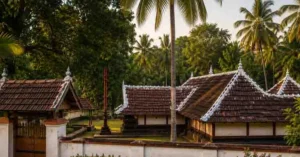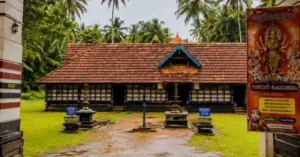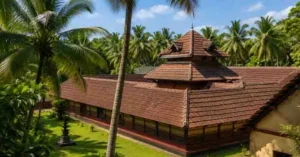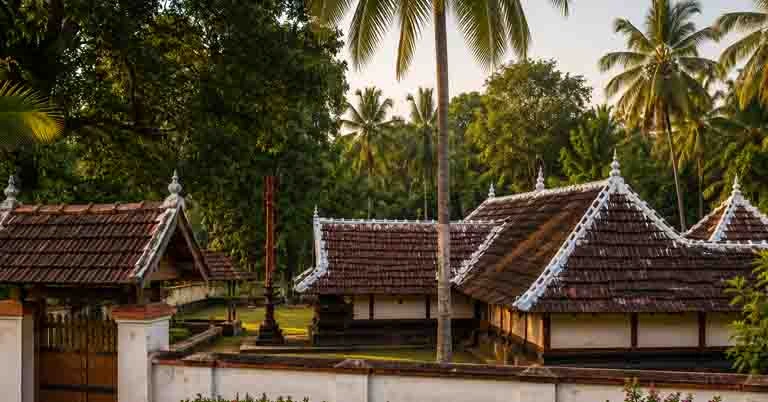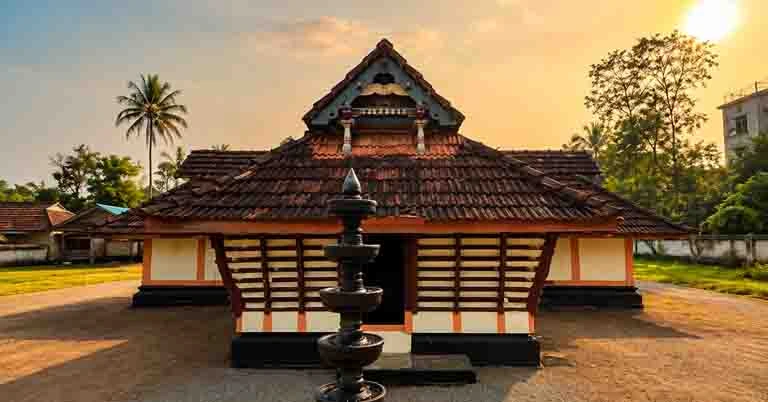


Peruvanam Mahadeva Temple, located in Peruvanam village near Cherpu in the Thrissur district of Kerala, is one of the oldest and most historically significant Shiva temples in the state. Revered for its architectural brilliance, deep mythological roots, and cultural prominence, this temple stands as a sacred symbol of Kerala’s spiritual heritage. It is dedicated to Lord Shiva, worshipped here as Sri Mahadeva, and is considered one of the 108 Shivalayas of Kerala installed by Lord Parasurama, the sixth incarnation of Lord Vishnu.
The temple and its surrounding region, known as Peruvanam Kshetram, have been integral to Kerala’s cultural and religious evolution. The temple’s age-old rituals, grand festivals, and architectural magnificence make it not only a place of worship but also a living monument of Kerala’s timeless devotion.
Mythological Significance
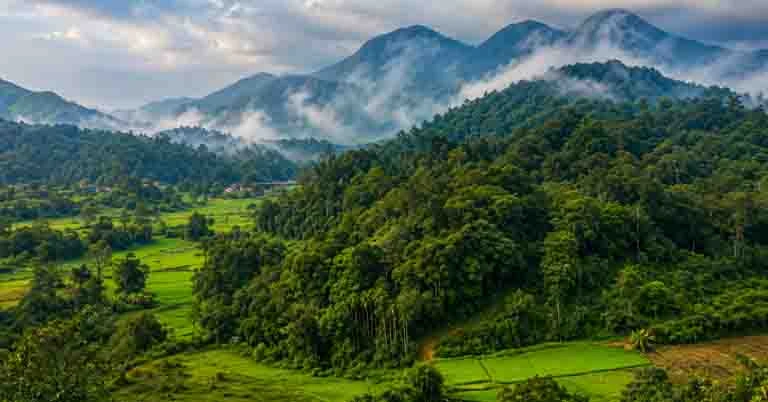
According to ancient lore, Peruvanam Mahadeva Temple was one of the first temples established by Lord Parasurama after he reclaimed Kerala from the Arabian Sea. It is believed that the divine presence of Lord Shiva here symbolizes his form as the Supreme Yogi, embodying calmness, meditation, and cosmic power. The name Peruvanam itself means “vast forest,” and legends state that the temple was once located in a dense forest where sages performed penance to invoke Lord Shiva’s blessings.
In Hindu mythology, it is also said that Peruvanam was a place where Lord Shiva appeared before Sage Parashurama and other saints, granting them divine wisdom. Another belief associates the temple with the story of Lord Shiva granting liberation (moksha) to a great devotee who meditated here for centuries. Hence, the temple is considered a Mukti Sthala — a place capable of liberating souls from the cycle of birth and death.
Historical Importance
Peruvanam Mahadeva Temple has immense historical significance, dating back more than 1,500 years. It is closely associated with the Peruvanam Pooram, one of the oldest temple festivals in Kerala, believed to have originated in the 10th century CE. Historical records indicate that the temple once served as the spiritual and cultural center for 108 nearby temples known as Deva Prashnams (divine abodes).
Inscriptions, palm-leaf manuscripts, and literary references from medieval Kerala mention Peruvanam as a hub of religious learning and Vedic scholarship. The temple’s rituals and architecture reflect influences from the Chera dynasty, which ruled over central Kerala and patronized temple construction and cultural festivals.
Architectural Splendor
The Peruvanam Mahadeva Temple is a masterpiece of Kerala’s temple architecture. The layout follows the traditional Vastu Shastra principles, integrating nature, spirituality, and structure in perfect harmony. The temple complex spreads across several acres of land, surrounded by lush greenery and tranquil atmosphere that enhances its sacred aura.

Sanctum Sanctorum (Sreekovil)
The sreekovil of the temple is circular in shape, a typical design for Shiva temples in Kerala. The structure is built with laterite stones and features a copper-plated roof that glows brilliantly in the sunlight. Inside the sanctum resides the Shiva Lingam, which is self-manifested (Swayambhu), believed to radiate divine energy. The idol faces east, symbolizing the dawn of enlightenment.
Namaskara Mandapam and Chuttambalam
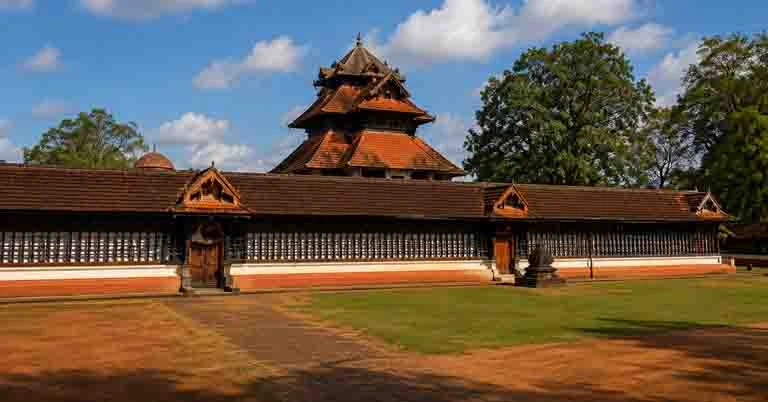
In front of the sanctum is the Namaskara Mandapam (prayer hall), supported by intricately carved wooden pillars. The Chuttambalam (circumambulatory corridor) surrounds the sanctum and serves as a pathway for devotees to perform Pradakshinam (circumambulation). The walls are adorned with murals and carvings depicting various episodes from the Mahabharata and Ramayana, showcasing Kerala’s ancient craftsmanship.
Koothambalam (Temple Theatre Hall)
One of the most remarkable features of Peruvanam Mahadeva Temple is its Koothambalam, a unique theatre hall used for performing Koothu and Koodiyattam—traditional Sanskrit dramas. This structure stands as a testimony to the temple’s deep connection with Kerala’s art and cultural traditions.
Temple Pond (Theertham)
The temple has a large pond called Peruvanam Kulam, situated near the entrance. Devotees bathe in the pond before entering the temple to purify their body and mind. The pond is also used for Aarattu (ritual bath of the deity) during festivals.
Deities and Shrines
Although Lord Shiva is the principal deity, the temple complex houses several subsidiary shrines dedicated to various gods and goddesses, making it a spiritually complete pilgrimage site.
The major deities include:
- Lord Shiva (Mahadeva) – The presiding deity, enshrined as a self-manifested Lingam.
- Goddess Parvati (Bhagavathi) – Worshipped as the divine consort of Lord Shiva, representing fertility and maternal energy.
- Lord Ganapathi – The remover of obstacles, worshipped first before all rituals.
- Lord Subramanya (Murugan) – The son of Shiva, symbolizing valor and youth.
- Lord Ayyappa – Worshipped for self-discipline and detachment.
- Naga Devatas (Serpent Gods) – Representing fertility, ancestral protection, and harmony with nature.
Each of these deities has a small but beautifully maintained shrine within the temple complex.
Rituals and Worship Practices
The temple follows the Tantric system of worship, adhering to ancient Agama traditions. The daily rituals are performed by qualified Brahmin priests. The major poojas include:
- Usha Pooja – Early morning prayer at dawn.
- Ucha Pooja – Midday offering to the deity.
- Athazha Pooja – Evening worship before closing the sanctum.
Mondays (Somavaras), Pradosham days, and the Malayalam months of Karkidakam and Vrischikam are considered especially auspicious for Lord Shiva worship. Devotees light thousands of oil lamps during these times, creating a mesmerizing sight of divine illumination around the temple.
Special rituals such as Rudrabhishekam, Mrityunjaya Homam, and Ganapathi Homam are performed for spiritual cleansing, longevity, and prosperity. Devotees also perform Vilakku Puja (lamp offering) and Palabhishekam (milk abhishekam) as acts of devotion.
Festivals and Cultural Celebrations
The Peruvanam Pooram is the most famous and grand festival associated with the temple. It is one of the oldest and most significant temple festivals in Kerala, with a history that spans over a thousand years.
Peruvanam Pooram
Held annually in the Malayalam month of Meenam (March-April), this festival marks a spectacular celebration of devotion, art, and culture. The event begins with Kodiyettam (flag hoisting) and lasts for several days. The highlight is the magnificent procession of richly caparisoned elephants accompanied by rhythmic Panchavadyam (five-instrument orchestra), Chenda Melam (drum ensemble), and fireworks.
Deities from neighboring temples such as Arattupuzha, Thottippal, and Cherpu visit Peruvanam in grand processions, signifying unity among temples and communities. The Pooram also features cultural performances like Kathakali, Thayambaka, and Nadaswaram concerts.
Maha Shivaratri
Another major festival is Maha Shivaratri, celebrated with great devotion. Devotees observe fasting, night-long vigil, and chanting of Shiva Panchakshari Mantra (“Om Namah Shivaya”). Special rituals like Rudra Homam and Abhishekam are performed throughout the night.
Other Festivals
- Pradosha Vratham – Bi-monthly festival for Lord Shiva.
- Karkidaka Vavu Bali – Ritual offering to ancestors performed in the temple pond.
- Navaratri – Special pujas to Goddess Parvati.
- Thiruvathira – Celebrating the divine union of Shiva and Parvati.
Cultural and Spiritual Legacy
Peruvanam Mahadeva Temple is not merely a center of worship but a nucleus of Kerala’s art, culture, and philosophy. The temple has historically been associated with the evolution of classical art forms such as Koothu, Koodiyattam, and Chenda Melam. Many of Kerala’s greatest percussionists and artists trace their heritage to Peruvanam festivals.
The temple also serves as a spiritual center promoting Sanatana Dharma (eternal truth). The rituals and observances emphasize purity, devotion, and the interconnectedness of all life. Scholars often regard Peruvanam as a symbol of the balance between spiritual enlightenment and cultural expression.
Spiritual Experience
Entering Peruvanam Mahadeva Temple is an experience that transcends the ordinary. The calm ambiance, the fragrance of sandalwood, the echo of temple bells, and the rhythmic chanting of Vedic hymns create a sense of divine connection. Devotees often describe the temple as a place where one can experience both the stillness of meditation and the vibrancy of devotion.
It is believed that sincere prayers offered here can remove obstacles, grant peace of mind, and bring spiritual fulfillment. Many devotees also visit the temple seeking blessings for knowledge, wisdom, and liberation (moksha).
How to Reach
- Location: Peruvanam Mahadeva Temple, Peruvanam village, near Cherpu, Thrissur district, Kerala.
- By Road: The temple is about 12 km from Thrissur town and well-connected by buses and taxis.
- By Rail: The nearest railway station is Thrissur Railway Station, approximately 14 km away.
- By Air: The nearest airport is Cochin International Airport (Nedumbassery), about 60 km from the temple.

Conclusion
The Peruvanam Mahadeva Temple stands as a timeless beacon of faith, culture, and tradition in Kerala. Its divine atmosphere, historical legacy, and cultural depth continue to attract devotees, historians, and art lovers from across the world. As one of the oldest Shiva temples in the state, it represents the enduring bond between humanity and the divine — a place where devotion, music, art, and spirituality merge into a single sacred experience.
Visiting Peruvanam is not just a pilgrimage; it is an immersion into the spiritual heart of Kerala — a reminder that the eternal presence of Lord Shiva continues to guide, bless, and inspire generations.
Disclaimer
The information provided by Web Arbiter (‘we’, ‘us’, or ‘our’) on https://webarbiter.in/ . The website is for general informational purposes only. All information on the Site is provided in good faith, however we make no representation or warranty of any kind, express or implied, regarding the accuracy, adequacy, validity, reliability, availability, or completeness of any information on the Site. UNDER NO CIRCUMSTANCE SHALL WE HAVE ANY LIABILITY TO YOU FOR ANY LOSS OR DAMAGE OF ANY KIND INCURRED AS A RESULT OF THE USE OF THE SITE OR RELIANCE ON ANY INFORMATION PROVIDED ON THE SITE. YOUR USE OF THE SITE AND YOUR RELIANCE ON ANY INFORMATION ON THE SITE IS SOLELY AT YOUR OWN RISK. Read Full Disclaimer