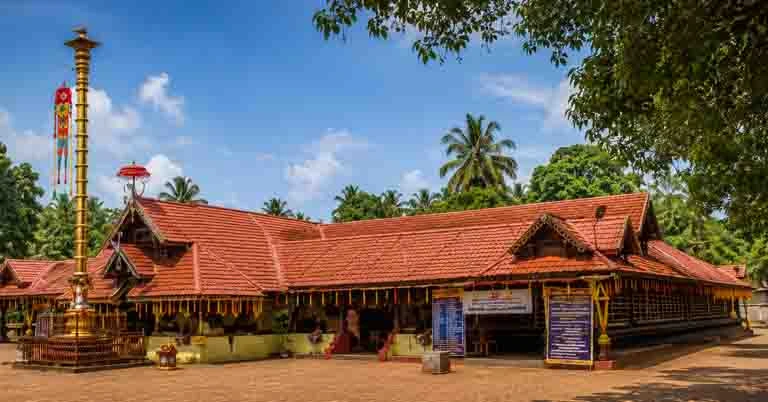
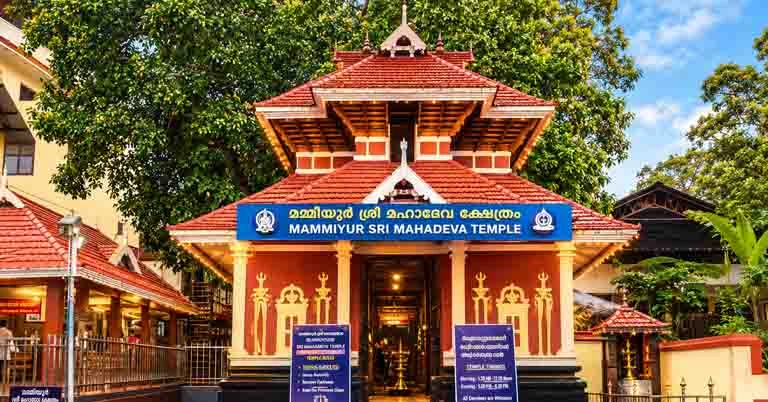
Nestled amidst the serene greenery of Kerala’s heartland lies the Puramundekkadu Shri Mahadeva Temple, an ancient and revered shrine dedicated to Lord Shiva. The temple is located in the Pathanamthitta district, a region celebrated for its cultural richness and deep spiritual roots. This temple, believed to be one of the 108 Shiva temples consecrated by Lord Parasurama, holds immense religious importance for devotees across Kerala and beyond.
Surrounded by lush paddy fields, coconut groves, and the gentle whisper of the monsoon breeze, the Puramundekkadu Temple is not merely a place of worship but a sanctuary of divine peace and devotion. The presence of Lord Mahadeva, the supreme ascetic and cosmic dancer, fills the temple atmosphere with tranquility and a profound sense of sacredness.
Mythological Significance
According to Hindu legend, the Puramundekkadu Shri Mahadeva Temple traces its origin to the time of Lord Parasurama, the sixth incarnation of Lord Vishnu. It is said that Parasurama reclaimed the land of Kerala from the sea by throwing his divine axe into the ocean and then established 108 Shiva temples across the land to sanctify it. Puramundekkadu was chosen as one of these sites, where Lord Shiva manifested in the form of a Shivalinga to bless devotees with protection, wisdom, and liberation.
The temple’s myth also connects to a local legend involving sages and celestial beings who meditated here to attain divine knowledge. The power of their penance is said to have attracted Lord Shiva himself, who appeared in the form of a glowing light (Jyoti). This is why the temple is often called the Abode of Eternal Light, representing Shiva’s infinite cosmic energy.
The sacred aura of the place is believed to purify the soul, remove sins, and guide devotees toward the path of moksha (liberation). Devotees visit the temple to seek blessings for peace of mind, spiritual wisdom, and relief from worldly troubles.
Historical Background
The Puramundekkadu Shri Mahadeva Temple is believed to be over a thousand years old, with references found in ancient palm-leaf manuscripts, inscriptions, and temple records. It has been a focal point of spiritual and social life in the region since the medieval period.
During the reign of the Chera kings, the temple enjoyed royal patronage and received donations of land, gold, and cattle for performing rituals and maintaining the temple premises. The temple’s priests followed the Shaiva Agamic traditions, preserving ancient rituals and customs that have continued unbroken for generations.
In later centuries, the temple came under the care of local Namboothiri families and community trustees, who safeguarded its traditions and promoted annual festivals. Today, it is managed by the Travancore Devaswom Board, ensuring that the temple’s sanctity and heritage remain preserved while supporting its role as a center of devotion and culture.

Architectural Splendor
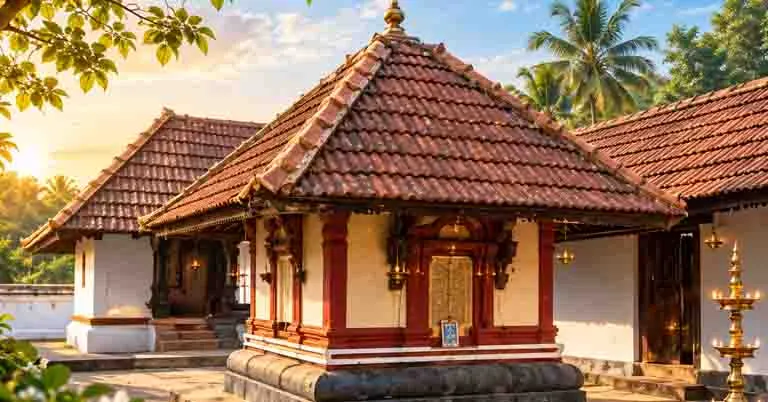
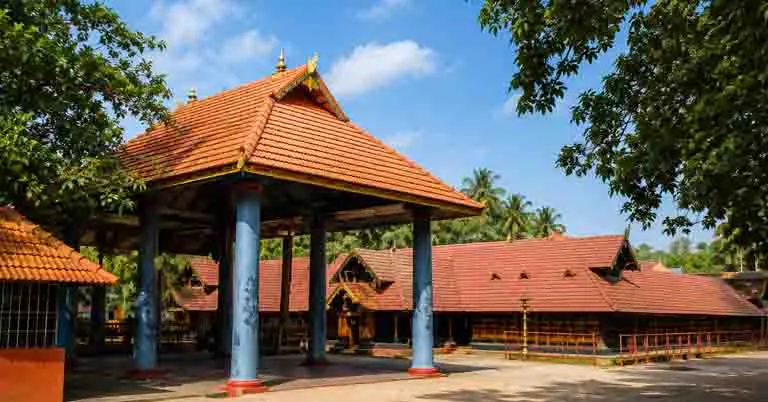
The architecture of the Puramundekkadu Shri Mahadeva Temple beautifully exemplifies the traditional Kerala temple style, which blends spirituality with simplicity, art, and nature. Constructed mainly with laterite stones, granite, and seasoned teak wood, the temple’s design reflects both divine symbolism and functional perfection suited to Kerala’s climatic conditions.
1. Sreekovil (Sanctum Sanctorum)
The Sreekovil is the heart of the temple, housing the Shivalinga, which is believed to be self-manifested (Swayambhu). The sanctum is circular (Vatta Sreekovil) in shape — a design representing the eternal cycle of life, death, and rebirth governed by Lord Shiva. The Shivalinga, made of black stone, radiates a powerful spiritual energy, and the deity is worshipped facing east, symbolizing enlightenment and divine awakening.
The sanctum’s copper-plated roof and wooden carvings reflect the artistic mastery of Kerala’s temple craftsmen. The interiors are lit by oil lamps, creating a mystical glow that enhances the meditative ambiance.
2. Namaskara Mandapam
In front of the sanctum stands the Namaskara Mandapam, supported by ornately carved wooden pillars. This is where the priests perform the daily offerings (Poojas), and devotees bow in reverence. The mandapam floor is polished with a mixture of cow dung and clay, believed to purify the space both physically and spiritually.
3. Nalambalam and Chuttambalam
The temple courtyard is enclosed by the Nalambalam (inner enclosure) and Chuttambalam (outer corridor). These structures are decorated with wooden panels, murals, and sculptures depicting scenes from Shiva Purana, Ramayana, and Mahabharata. The intricate detailing showcases the devotion and craftsmanship of ancient artisans.
4. Dwajasthambham (Flagstaff)
The Dwajasthambham, or flagstaff, stands majestically before the main sanctum, symbolizing the temple’s spiritual authority. Made of brass and covered with gold plating, it serves as the central focus during temple festivals.
5. Temple Tank (Kulam)
To the side of the temple lies the temple pond, used for ritual purification. Devotees take a holy dip before entering the sanctum, signifying the cleansing of worldly impurities and ego. The pond is surrounded by steps and shaded trees, making it a serene meditation spot.
Deity and Spiritual Importance
The principal deity of the Puramundekkadu Temple is Lord Shiva, worshipped here as Mahadeva, the Great God — destroyer of ignorance and bestower of wisdom. His presence represents both the ascetic (Yogi) and householder (Grihastha) aspects, embodying cosmic balance.
Devotees believe that prayers offered here help in overcoming obstacles, curing ailments, and attaining inner peace. The divine vibrations of the temple are said to balance the mind and awaken spiritual consciousness.
Besides the main deity, the temple houses several sub-shrines, including:
- Goddess Parvathi (Devi) – the embodiment of Shakti, divine feminine energy.
- Lord Ganesha – remover of obstacles, worshipped first before all rituals.
- Lord Subramanya (Kartikeya) – symbolizing courage and intelligence.
- Lord Ayyappa – representing devotion and self-discipline.
- Naga Devatas – serpent deities, worshipped in a sacred grove (Sarpakavu) for fertility and environmental harmony.
- Lord Krishna – signifying divine love and compassion.
Rituals and Daily Worship
The Puramundekkadu Mahadeva Temple follows the Tantric and Vedic traditions of worship. The rituals are conducted by trained Tantric priests under strict adherence to the Agama Shastras.
Daily Poojas
- Nirmalyam – Early morning purification and removal of the previous night’s decorations.
- Abhishekam – Bathing of the Shivalinga with milk, honey, and water.
- Usha Pooja – Morning prayers with floral offerings and chanting of Rudram.
- Ucha Pooja – Midday ritual with cooked rice (Nivedyam).
- Deeparadhana – Evening worship with oil lamps and temple bells.
- Athazha Pooja – Final offering before temple closure.
Special Rituals
- Pradosha Pooja: Observed twice a month during the 13th lunar day, invoking Shiva’s blessings for forgiveness and renewal.
- Rudrabhishekam: A sacred ritual for purification and spiritual strength.
- Mrityunjaya Homam: Conducted for longevity and protection against untimely death.
- Shivarathri Abhishekam: Performed throughout the night during Maha Shivaratri.
Each ritual is accompanied by the rhythmic chanting of Vedic hymns, traditional percussion, and the deep sound of conch shells — all combining to create a transcendental experience.
Festivals and Celebrations
The temple is a hub of religious and cultural activity throughout the year, with several festivals celebrated with grandeur and devotion.
1. Maha Shivaratri
The most important festival, Maha Shivaratri, celebrates the cosmic dance (Tandava) of Lord Shiva. Devotees observe fasting, night-long vigil, and continuous chanting of “Om Namah Shivaya.” The temple glows with thousands of oil lamps, and special poojas are conducted until dawn.
2. Annual Utsavam (Temple Festival)
The annual temple festival, usually held in the Malayalam month of Kumbham (February–March), lasts for seven to ten days. It begins with Kodiyettam (flag hoisting) and concludes with the Arattu (holy bath of the deity) in the temple pond or nearby river.
Highlights include:
- Elephant processions with traditional temple music (Panchavadyam)
- Kathakali and Ottamthullal performances
- Fireworks and lamp processions
- Annadanam (mass feeding) for thousands of devotees
3. Pradosham and Thiruvathira
Special prayers on Pradosham days and Thiruvathira (dedicated to Parvathi Devi) are observed with music, dance, and community participation, especially by women seeking marital harmony and family well-being.
Cultural and Social Importance
The Puramundekkadu Mahadeva Temple serves as a spiritual and cultural hub for the local community. Beyond religious functions, it plays an essential role in preserving Kerala’s classical art forms and moral values.
During festival seasons, the temple becomes a venue for Kathakali, Koodiyattam, and Chakyarkoothu performances — traditional art forms offered as devotional tributes to the deity. The temple also supports Sanskrit schools (Pathashalas) where young students learn Vedic chanting, astrology, and temple rituals.
Community welfare programs, including free food distribution, medical camps, and educational aid, are organized regularly under the temple’s charitable initiatives, reflecting the principle of Dharma Seva — service as worship.
Temple Administration and Preservation
The temple is administered by the Travancore Devaswom Board, ensuring the preservation of its rituals, architectural integrity, and cultural heritage. Periodic conservation works are undertaken to restore the wooden carvings, copper roofing, and murals.
Recent efforts have focused on eco-friendly initiatives, such as waste management, water conservation, and solar lighting, in keeping with the temple’s traditional respect for nature. The temple’s surroundings are maintained with cleanliness and harmony, reflecting the belief that cleanliness (Shaucham) is a form of divine worship.
Spiritual Experience and Atmosphere
Visiting the Puramundekkadu Shri Mahadeva Temple is a deeply spiritual experience. The serene environment, gentle rustling of trees, and fragrance of temple lamps create a mystical aura. As the morning bells ring and chants of Om Namah Shivaya echo through the corridors, devotees experience an overwhelming sense of inner calm and divine connection.
It is said that even a single sincere prayer here is enough to invoke Lord Shiva’s grace, washing away sorrow and illuminating the path of righteousness.

Conclusion
The Puramundekkadu Shri Mahadeva Temple stands as a timeless symbol of Kerala’s spiritual and cultural identity. Dedicated to Lord Mahadeva, the temple embodies centuries of devotion, tradition, and sacred architecture.
Its legends speak of divine compassion, its rituals uphold ancient wisdom, and its festivals celebrate the unity of faith and art. For devotees, it is more than a temple — it is a gateway to the eternal presence of Lord Shiva, the infinite consciousness that sustains the universe.
In the tranquil silence of Puramundekkadu, where the sacred lamps flicker and the chants of Shiva resound, one truly feels the touch of the divine — a place where heaven meets earth, and the human soul finds eternal peace.
Disclaimer
The information provided by Web Arbiter (‘we’, ‘us’, or ‘our’) on https://webarbiter.in/ . The website is for general informational purposes only. All information on the Site is provided in good faith, however we make no representation or warranty of any kind, express or implied, regarding the accuracy, adequacy, validity, reliability, availability, or completeness of any information on the Site. UNDER NO CIRCUMSTANCE SHALL WE HAVE ANY LIABILITY TO YOU FOR ANY LOSS OR DAMAGE OF ANY KIND INCURRED AS A RESULT OF THE USE OF THE SITE OR RELIANCE ON ANY INFORMATION PROVIDED ON THE SITE. YOUR USE OF THE SITE AND YOUR RELIANCE ON ANY INFORMATION ON THE SITE IS SOLELY AT YOUR OWN RISK. Read Full Disclaimer