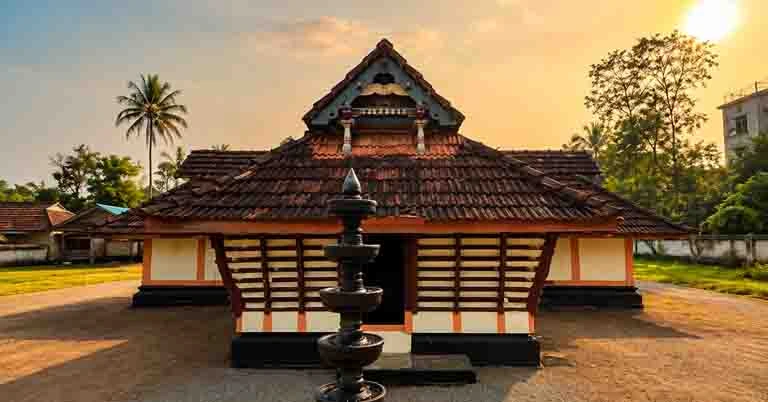


The Puthur Mahadeva Temple, located in the serene and sacred land of Puthur in Palakkad district, Kerala, is one of the most venerated temples dedicated to Lord Shiva, the supreme deity of destruction and transformation in Hinduism. This ancient temple stands as a magnificent example of Kerala’s traditional temple architecture and spiritual heritage. Adorned with the divinity of Lord Mahadeva, it attracts countless devotees and pilgrims throughout the year, who come to seek blessings, peace, and enlightenment. The temple holds an esteemed place among the 108 Shiva Temples in Kerala believed to have been consecrated by Lord Parasurama, the sixth incarnation of Lord Vishnu.
Historical Background and Legends
The Puthur Mahadeva Temple is steeped in history and mythology that intertwine devotion, legend, and culture. According to traditional beliefs, Lord Parasurama — the warrior-sage who reclaimed Kerala from the Arabian Sea — installed 108 Shiva temples and 108 Durga temples across the land to sanctify it and ensure prosperity. The Puthur Mahadeva Temple is one of these divine centers, known for its self-manifested Swayambhu Shiva Linga (naturally appearing lingam), which radiates intense spiritual energy.
Local lore narrates that the region of Puthur was once a dense forest filled with sages performing austerities and penance. One such sage experienced a vision of Lord Shiva emerging from a mound of earth, blessing him with divine wisdom. Over time, the place became sanctified, and a temple was built to enshrine the Shiva Linga that appeared there.
Another legend associates the temple with the Rishis of the ancient Palakkad region, who worshipped Lord Mahadeva here to protect their hermitages from natural calamities. The Lord’s divine grace was believed to safeguard the land and ensure fertility and peace for the inhabitants.
Historically, the temple also held immense social and administrative importance during the Chera and Perumal dynasties. Inscriptions and oral traditions suggest that the temple received land grants and patronage from local rulers who maintained the temple’s sanctity, architecture, and festivals through the ages.
The Presiding Deity
The presiding deity of the temple is Lord Shiva, worshipped here as Puthurappan, symbolizing both his fierce and benevolent aspects. The Shiva Linga is installed facing east, signifying light, knowledge, and liberation. The idol is believed to be Swayambhu, meaning self-manifested, not sculpted by human hands, which adds to its divine significance.
Devotees believe that Lord Mahadeva here grants moksha (liberation) and abhaya (protection) to all who worship him sincerely. His energy is said to be both calm and compassionate, making him approachable to devotees seeking peace, forgiveness, and the removal of obstacles.
The temple also houses upadevatas (sub-deities), including Lord Ganapathi, Lord Subramanya, Goddess Parvathi, and Lord Ayyappa. These shrines create a complete divine circle of cosmic energies, representing the balance between creation, preservation, and dissolution — the core principles of Hindu philosophy.
Architectural Grandeur
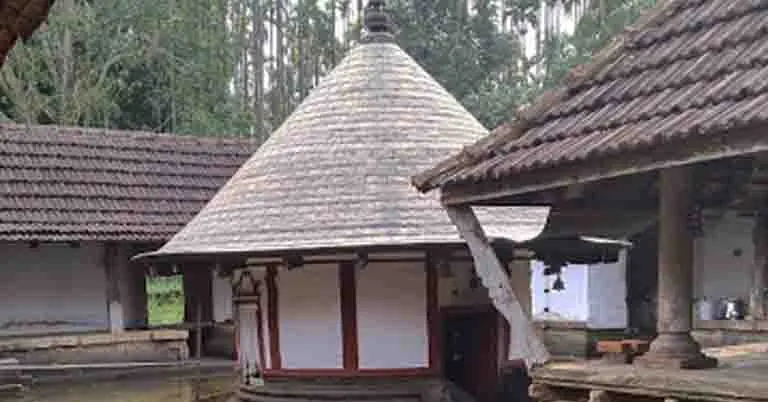
The Puthur Mahadeva Temple stands as a stunning example of Kerala’s traditional temple architecture, combining aesthetic beauty with spiritual purpose. Built mainly from laterite stone, wood, and copper, the temple reflects the intricate craftsmanship and architectural knowledge of ancient Kerala builders.
The Sreekovil (Sanctum Sanctorum), where the Shiva Linga resides, is square-shaped, representing stability and balance. The roof is pyramidal and covered with copper plates, designed to withstand Kerala’s monsoon climate. Inside the sanctum, oil lamps flicker gently, illuminating the Shiva Linga and creating an atmosphere of profound divinity.
The Namaskara Mandapam — the prayer hall in front of the sanctum — features elaborately carved wooden ceilings and granite pillars. The carvings depict stories from Hindu mythology, particularly scenes from the Shiva Purana, Mahabharata, and Ramayana. The Balikkalpura (offering hall) and Deepasthambha (lamp pillar) stand majestically at the entrance, forming an essential part of the temple’s ritual and visual beauty.
The Chuttambalam (outer structure surrounding the sanctum) allows devotees to perform Pradakshinam (circumambulation), symbolizing the cyclical nature of life. The temple compound also includes a Koothambalam, a traditional performance hall used for art forms like Chakyar Koothu and Kathakali, preserving Kerala’s ancient ritual arts.
Outside the temple, a sacred pond called Ambalakulam lies to the east, symbolizing purification. Devotees take a dip before entering the sanctum, as water represents the cleansing of body and soul.

Daily Rituals and Worship Practices
The worship at Puthur Mahadeva Temple follows the Tantric Agama tradition and is conducted with utmost purity and discipline by trained priests. The daily routine of rituals reflects devotion, order, and continuity, connecting the temple to the cosmic rhythm of day and night.
- Nirmalyam (5:00 AM) – The first ritual of the day, where previous night’s flowers and lamps are removed. The Linga is revealed in its natural form, covered with sacred ash (vibhuti).
- Abhishekam – The holy bath of the Shiva Linga using water, milk, ghee, honey, sandalwood paste, and tender coconut water, symbolizing purification and nourishment of the divine.
- Usha Pooja – Morning worship accompanied by the sound of conch and temple drums.
- Ucha Pooja – Midday offering, including Naivedyam (food offerings) and Deepa Aradhana (lighting of lamps).
- Athazha Pooja – The final worship of the day conducted after sunset, marking the end of the day’s rituals with prayers for universal peace.
- Deeparadhana – A mesmerizing ritual where hundreds of oil lamps are lit, illuminating the temple and symbolizing the victory of light over darkness.
Mondays, Pradosham days, and Maha Shivaratri hold special importance at the temple. Devotees perform Dhara (pouring of water or oil on the Shiva Linga), Bilva Archana, and Rudrabhishekam to seek divine blessings and absolution of sins.
Festivals and Celebrations
The Puthur Mahadeva Temple celebrates numerous festivals that blend devotion, community participation, and Kerala’s cultural grandeur.
1. Annual Utsavam
The temple’s Annual Festival (Utsavam), usually celebrated in the Malayalam month of Meenam (March–April), is the grandest event of the year. It lasts for several days and features:
- Kodiyettam (Flag Hoisting) – Signifying the start of the festivities.
- Ezhunnallathu (Procession) – The deity is taken on a majestic procession atop caparisoned elephants, accompanied by traditional music such as Chenda Melam and Panchavadyam.
- Cultural Events – Classical dance, music, and traditional art performances adorn the festival nights.
- Aarattu (Holy Bath Ceremony) – The festival concludes with the ceremonial bathing of the deity in the temple pond, symbolizing purification and renewal.
2. Maha Shivaratri
The most important event, Maha Shivaratri, also known as the “Great Night of Shiva,” is observed with majesty and fervour. Devotees observe fasting, night-long vigil, and chanting of “Om Namah Shivaya.” The temple remains illuminated with thousands of oil lamps, and continuous bhajans and homams create an atmosphere of spiritual awakening.
3. Pradosham and Mondays
Special Pradosha Poojas are conducted twice a month when devotees believe Lord Shiva dances his cosmic dance of bliss (Ananda Tandava). Mondays are also considered auspicious, drawing large crowds for Dhara Abhishekam.
Spiritual Significance and Beliefs
The spiritual energy at Puthur Mahadeva Temple is believed to be uniquely powerful. Lord Shiva here is worshipped as the bestower of long life, good health, and liberation. It is said that sincere prayers at this temple can wash away sins, neutralize the effects of planetary doshas, and bring inner peace.
According to belief, the temple has curative powers — many devotees visit to seek relief from chronic ailments and mental distress. The Mrityunjaya Homam, performed here, is believed to prevent untimely death and ensure longevity. Couples perform Uma-Maheswara Pooja for marital harmony and fertility.
The energy within the sanctum is tranquil yet potent, guiding devotees towards meditation and self-realization. The temple is thus not merely a place of ritual worship but a space for spiritual transformation and inner healing.

Cultural and Social Importance
The Puthur Mahadeva Temple is deeply intertwined with the cultural and social life of the community. It serves as a center for traditional art forms, charity, and education. During festival seasons, performances of Kathakali, Ottamthullal, Thayambaka, and Koothu are organized, reviving Kerala’s ancient performing arts.
The temple also conducts Annadanam (free meal service) to devotees and travelers, upholding the value of compassion and sharing. It plays an active role in local welfare activities such as medical camps, educational assistance, and environmental preservation.
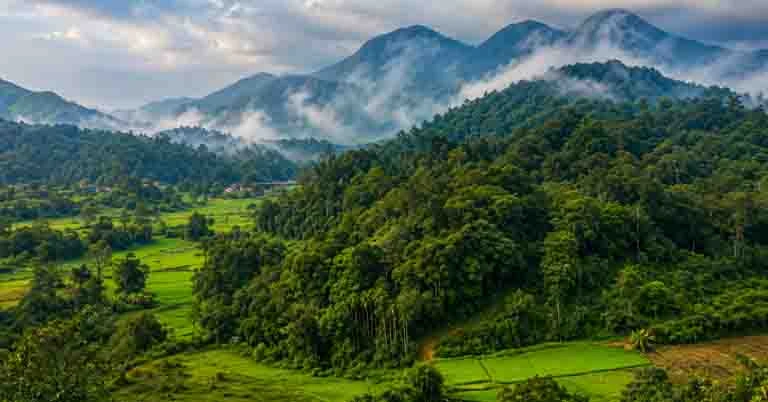
The temple grounds are surrounded by lush greenery, sacred groves, and a calm pond, providing an atmosphere conducive to meditation and reflection. It stands not only as a religious monument but also as a cultural and ecological heritage site of Kerala.
Conclusion
The Puthur Mahadeva Temple is more than just an ancient shrine — it is a living embodiment of Kerala’s timeless devotion to Lord Shiva. Rooted in centuries of history, culture, and spirituality, it continues to guide devotees on their path to truth, compassion, and self-realization.
Every sound of the conch, every flicker of the oil lamp, and every chant of “Harahara Mahadeva” within the temple walls resonates with the eternal rhythm of creation and destruction — the cosmic dance of Lord Shiva himself.
For pilgrims and seekers alike, the Puthur Mahadeva Temple offers not merely a place of worship but a divine sanctuary where faith meets eternity, and where the soul finds peace in the presence of the supreme Lord of the Universe — Mahadeva, the all-compassionate Shiva.
Disclaimer
The information provided by Web Arbiter (‘we’, ‘us’, or ‘our’) on https://webarbiter.in/ . The website is for general informational purposes only. All information on the Site is provided in good faith, however we make no representation or warranty of any kind, express or implied, regarding the accuracy, adequacy, validity, reliability, availability, or completeness of any information on the Site. UNDER NO CIRCUMSTANCE SHALL WE HAVE ANY LIABILITY TO YOU FOR ANY LOSS OR DAMAGE OF ANY KIND INCURRED AS A RESULT OF THE USE OF THE SITE OR RELIANCE ON ANY INFORMATION PROVIDED ON THE SITE. YOUR USE OF THE SITE AND YOUR RELIANCE ON ANY INFORMATION ON THE SITE IS SOLELY AT YOUR OWN RISK. Read Full Disclaimer