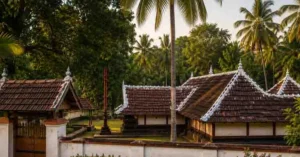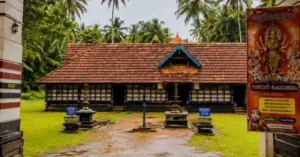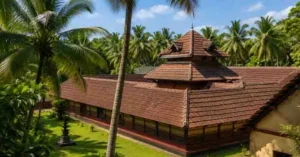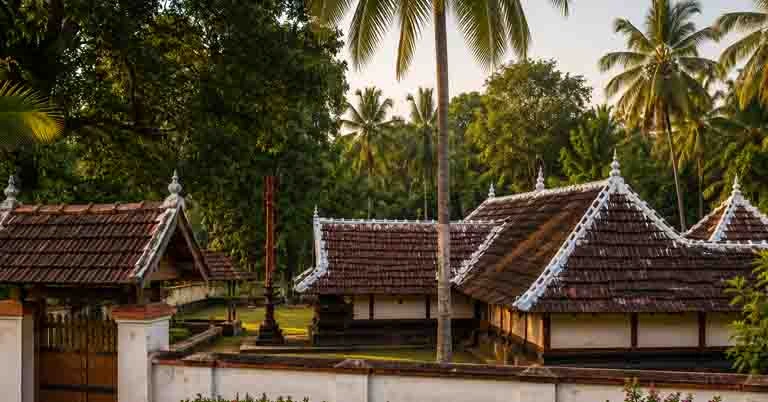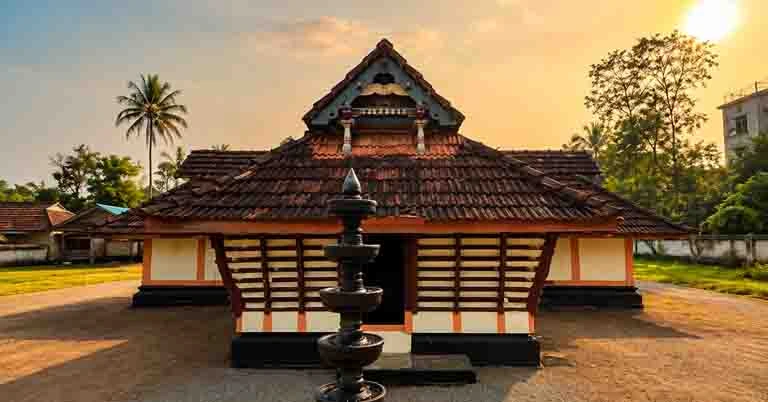


Sree Mannoor Siva Temple, nestled in the serene village of Mannoor near Down Hill, Kottappadi, in the Malappuram district of Kerala, is one of the ancient and architecturally significant temples dedicated to Lord Shiva. This temple holds an important place in the religious map of Kerala, being counted among the 108 Shiva Temples believed to have been consecrated by Lord Parashurama, the sixth incarnation of Lord Vishnu. The temple represents the divine grace of Lord Shiva while showcasing the unique and splendid temple architecture of Kerala, particularly its Gaja Prishta (elephant-back) style.
Mythological and Historical Significance
According to Kerala’s traditional lore, Lord Parashurama, after reclaiming the land of Kerala from the sea, installed 108 Shiva idols across the region to balance cosmic energy and establish centers of spiritual power. The Mannoor Siva Temple is revered as one of these holy shrines. This association with the Parashurama legend gives the temple immense sanctity, and devotees believe that worshipping at this shrine brings immense blessings, peace, and liberation from worldly troubles.
Historically, the temple is considered to be several centuries old. While there are no specific inscriptions available to precisely date its construction, the architectural style and rituals indicate that it may have been built during the late medieval period of Kerala’s temple development—between the 10th and 13th centuries CE. The temple likely flourished under the patronage of local rulers and feudal families who were ardent devotees of Lord Shiva.
Over time, the temple has remained a spiritual and cultural nucleus for the people of Mannoor and its neighboring regions. Despite modern developments, the temple preserves its traditional charm, serene atmosphere, and adherence to ancient rituals.

Deity and Divine Presence
The presiding deity of Sree Mannoor Siva Temple is Lord Shiva, worshipped here in his benevolent form as the cosmic creator and destroyer. The Shiva Linga installed in the sanctum is ancient and holds great spiritual power, believed to grant divine grace and protection to devotees.
In addition to the main deity, the temple also enshrines sub-deities (Upa-devatas) such as:
- Lord Ganapathi (Ganesha) – the remover of obstacles and symbol of auspicious beginnings.
- Lord Ayyappa – revered for his qualities of discipline, devotion, and protection.
- Vettakkorumakan – a fierce guardian deity, worshipped for valor and protection, particularly during the temple’s annual festival.
Each of these deities represents different aspects of divinity and adds to the temple’s sacred ambiance. The combined worship of these deities creates a harmonious spiritual balance, typical of Kerala’s temple culture.
Architectural Splendor
One of the most striking features of the Mannoor Siva Temple is its unique architecture, which reflects Kerala’s traditional temple design blended with spiritual symbolism.
Gaja Prishta Sreekovil (Elephant-Back Sanctum)
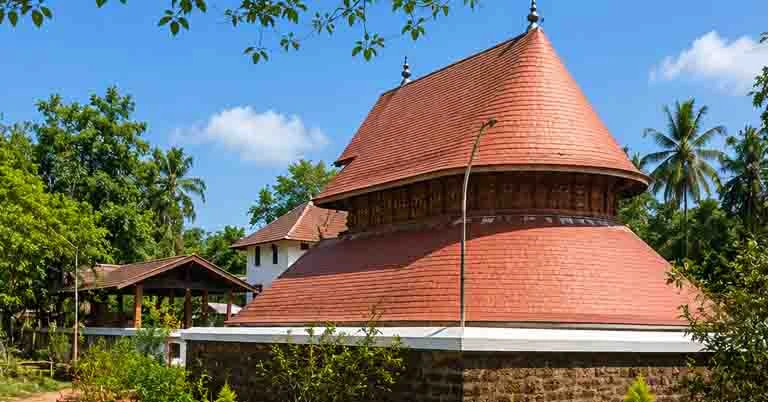
The sanctum sanctorum (Sreekovil) of the temple is constructed in the Gaja Prishta or “elephant-back” shape. The term literally means “the back of an elephant,” referring to the rounded, semi-circular rear portion of the shrine. This style of temple construction is considered one of the oldest forms in Kerala architecture and is relatively rare. The design symbolizes stability, strength, and devotion, and it also ensures excellent acoustic resonance for the chanting of mantras inside the sanctum.
Layout and Structure
The temple complex follows the traditional Kerala architectural principles:
- The sanctum (Sreekovil) is surrounded by a square enclosure known as the Nalambalam, which provides space for circumambulation (Pradakshinam).
- The temple faces east, allowing the morning sun’s rays to illuminate the idol of Lord Shiva, symbolizing enlightenment and divine awakening.
- The entrance features a Namaskara Mandapam (prayer hall) and a Dwajasthambam (flagstaff), both integral parts of Kerala temple design.
- The roof is typically made of copper or tiles, designed to withstand the heavy monsoon rains while maintaining the temple’s sacred aesthetics.
- The walls are often adorned with murals depicting scenes from Hindu epics and stories related to Lord Shiva.
The combination of wood, stone, and laterite materials gives the temple a natural and timeless beauty. The entire complex exudes tranquility, making it an ideal space for meditation and devotion.
Temple Surroundings
The temple is surrounded by lush greenery, coconut palms, and traditional homes, enhancing its spiritual serenity. The nearby temple pond serves both ritualistic and ecological purposes, as it is used for ceremonial cleansing and helps maintain the local groundwater balance. The open courtyard provides ample space for devotees to assemble during festivals and rituals. The overall layout follows Vastu principles, ensuring harmony between the temple structure and its natural surroundings.
Rituals and Worship Practices
The daily worship at Sree Mannoor Siva Temple follows the Tantric rituals prescribed in Kerala’s Agama traditions. The temple opens early in the morning and remains active until evening with a series of poojas (rituals) performed by traditional priests.
Daily Poojas
The main daily rituals include:
- Usha Pooja (Morning Worship) – conducted during sunrise to invoke divine energy.
- Ucha Pooja (Midday Worship) – offered around noon with sacred chants and offerings.
- Athazha Pooja (Evening Worship) – marking the conclusion of the day’s rituals, symbolizing peace and the preservation of cosmic balance.
Offerings such as abhishekam (ritual bathing of the Shiva Linga with water, milk, and honey), chandanam (sandalwood paste), deepam (lamps), and naivedyam (food offering) are made with deep devotion.
Devotees also perform Vazhipadus (special offerings) such as:
- Palabhishekam – bathing the deity with milk for blessings and purity.
- Dhara – continuous pouring of holy water or oil over the Linga to cool the deity.
- Archana and Pushpanjali – offering flowers while chanting divine names.
Festivals and Celebrations
The annual festival (Utsavam) of Sree Mannoor Siva Temple is the most anticipated event for the local community. It takes place in the Malayalam month of Dhanu (December–January) and spans eight days of grand celebrations.
Highlights of the Festival
- Kodiyettam (Flag Hoisting):
Marks the commencement of the festival, symbolizing divine invitation to devotees and celestial beings. - Rituals and Offerings:
Each day of the festival includes various offerings, special poojas, and cultural programs. - Pattulsavam (Festival of Vettakkorumakan):
A distinctive ritual dedicated to the deity Vettakkorumakan, symbolizing bravery and protection. This sub-festival showcases traditional martial dances and rhythmic music. - Aarattu (Holy Bath Ceremony):
The closing ritual where the idol is ceremoniously taken in a procession to the temple pond or river for a ritual bath. The procession is accompanied by decorated elephants, Chenda Melam (traditional drum ensembles), and thousands of devotees chanting Lord Shiva’s names. - Cultural Programs:
Evenings during the festival are filled with performances of classical music, Kathakali, Thayambaka, and other traditional Kerala art forms.
The temple also observes Maha Shivaratri, the Great Night of Shiva, with night-long worship, devotional songs, and lamps illuminating every corner of the temple. On this day, devotees undertake fasting and chant “Om Namah Shivaya” throughout the night.
Spiritual and Cultural Importance
Sree Mannoor Siva Temple is not just a place of worship but a living cultural institution. It binds the local community together through faith, traditions, and social harmony. The temple serves as a center for:
- Spiritual rejuvenation – offering peace and divine connection to devotees.
- Cultural preservation – maintaining Kerala’s classical art, music, and temple architecture.
- Community bonding – uniting people during festivals, rituals, and daily worship.
The temple embodies Kerala’s philosophy of “Vasudhaiva Kutumbakam” (the world is one family), reflecting the inclusive and compassionate nature of Lord Shiva himself.
Temple Management and Maintenance
The temple is managed by a Devaswom Committee or local temple trust that oversees its daily operations, festivals, maintenance, and charitable activities. The committee ensures that ancient customs are preserved while accommodating modern facilities for devotees, such as drinking water, lighting, and cleanliness.
Donations from devotees, both local and from across Kerala, contribute to temple maintenance and cultural programs. The temple’s commitment to preserving traditional architecture and rituals without commercialization makes it a revered and authentic center of worship.
Visitor Experience
Visiting the Mannoor Siva Temple is a spiritually enriching experience. The peaceful environment, rhythmic temple bells, scent of sandalwood, and flickering oil lamps create a divine aura. The temple is open to devotees daily, typically from 6:00 AM to 8:00 PM, though timings may vary slightly during festivals or special occasions.
Guidelines for Visitors
- Dress Code: Traditional attire is recommended – men wear mundu and women wear sari or salwar kameez.
- Footwear: Shoes are not allowed inside temple premises.
- Cleanliness and Silence: Devotees are expected to maintain the sanctity of the temple by observing silence and cleanliness.
Nearby amenities such as local eateries and small shops cater to pilgrims. The temple’s proximity to Down Hill and Malappuram town makes it easily accessible by road. The nearest railway station is at Tirur, and the nearest airport is Calicut International Airport.

Conclusion
The Sree Mannoor Siva Temple stands as a timeless symbol of Kerala’s devotion, architecture, and cultural depth. From its mythological roots in the Parashurama legend to its magnificent Gaja Prishta architecture and vibrant festivals, the temple encapsulates the spiritual essence of Lord Shiva’s worship in Kerala.
Every ritual, chant, and festival at Mannoor reflects the eternal dance of divinity and devotion. The temple continues to be a spiritual refuge for devotees seeking inner peace, strength, and divine grace. Its atmosphere—filled with sacred vibrations, age-old traditions, and heartfelt faith—reminds every visitor that Lord Shiva’s presence is eternal, transcending time and form.
To visit the Mannoor Siva Temple is to witness the living heritage of Kerala—a harmonious blend of art, architecture, devotion, and culture, all centered around the infinite cosmic presence of Lord Shiva, the Lord of Creation and Dissolution.
Disclaimer
The information provided by Web Arbiter (‘we’, ‘us’, or ‘our’) on https://webarbiter.in/ . The website is for general informational purposes only. All information on the Site is provided in good faith, however we make no representation or warranty of any kind, express or implied, regarding the accuracy, adequacy, validity, reliability, availability, or completeness of any information on the Site. UNDER NO CIRCUMSTANCE SHALL WE HAVE ANY LIABILITY TO YOU FOR ANY LOSS OR DAMAGE OF ANY KIND INCURRED AS A RESULT OF THE USE OF THE SITE OR RELIANCE ON ANY INFORMATION PROVIDED ON THE SITE. YOUR USE OF THE SITE AND YOUR RELIANCE ON ANY INFORMATION ON THE SITE IS SOLELY AT YOUR OWN RISK. Read Full Disclaimer