

Nestled amidst the serene and sacred landscape of Kerala, the Sree Perunthatta Siva Temple stands as an emblem of divine energy, cultural heritage, and architectural brilliance. Dedicated to Lord Shiva, the temple is one of the most ancient and spiritually powerful shrines in the region. It reflects the timeless devotion of Kerala’s people to Lord Mahadeva, who is worshipped here as the supreme cosmic force — the destroyer of ignorance and the bestower of enlightenment.
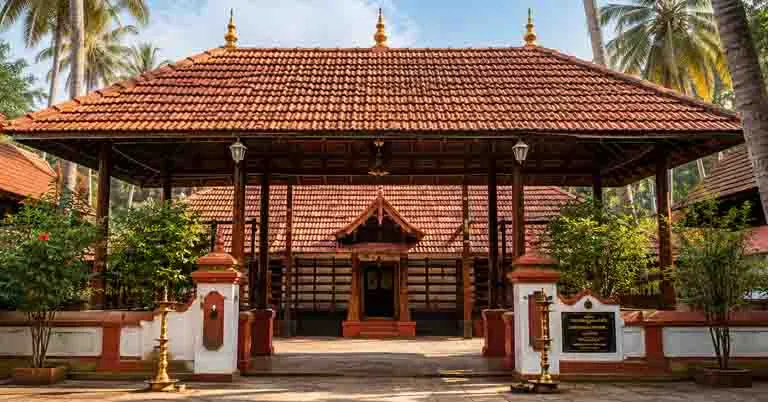
The temple, located in the lush green heart of Kerala, is surrounded by fertile fields, sacred groves, and calm ponds, offering a tranquil environment ideal for meditation and worship. The name “Perunthatta” is believed to have originated from ancient Malayalam or Sanskrit roots, meaning “the great sacred place” (Peru = great, Thatta = sacred ground), suggesting its importance as a divine seat of energy since ancient times.
Historical Background and Origin
According to legends and oral traditions, Sree Perunthatta Siva Temple is one of the 108 Shiva Temples of Kerala, believed to have been consecrated by Lord Parasurama, the sixth incarnation of Lord Vishnu. Parasurama is said to have reclaimed the land of Kerala from the sea and established these 108 temples to enshrine Lord Shiva’s energy across the region, ensuring balance, prosperity, and divine grace for the people.
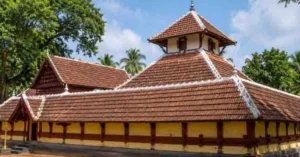
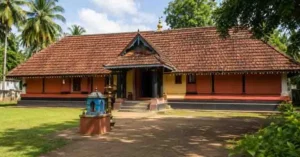
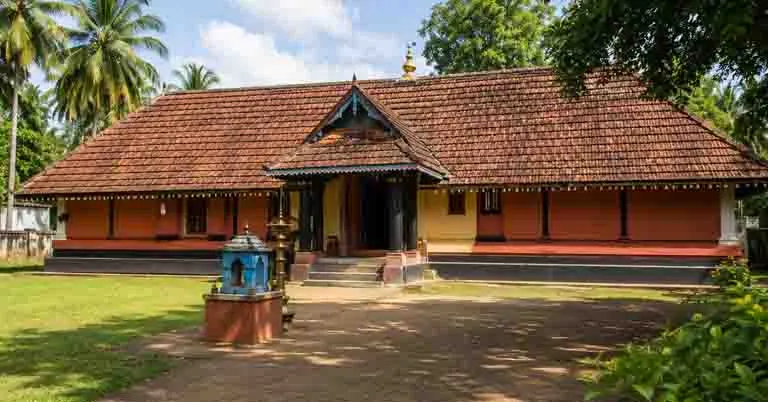
Perunthatta is often mentioned in traditional temple records and copper plate inscriptions, suggesting its existence as early as the 8th or 9th century CE. The temple’s structure and layout indicate a strong influence of the early Kerala Dravidian style of temple architecture, characterized by its wooden construction, sloping tiled roofs, and intricate carvings.
In ancient times, the temple served as a spiritual and social center for nearby villages. It was closely associated with local Brahmin families (illams), who were custodians of Vedic rituals. Historical evidence suggests that the temple also enjoyed the patronage of local rulers and landlords who supported its rituals, festivals, and upkeep.
Presiding Deity – Lord Shiva
The presiding deity of the temple is Lord Shiva, enshrined in the form of a Shivalinga, a representation of the cosmic pillar of energy that has neither beginning nor end. The Linga here is said to be Swayambhu (self-manifested), which enhances the sanctity and spiritual power of the temple.
Devotees believe that Lord Shiva at Perunthatta is present in his most benevolent form, known as Dakshinamurthy Bhava, the universal teacher who imparts wisdom and knowledge through silence. It is said that worshipping the deity here helps remove ignorance, karmic obstacles, and negative energies.

The sanctum also houses subsidiary deities, including Parvathi Devi, Lord Ganapathi, Lord Subramanya, and Naga Devatas (serpent deities), symbolizing the divine family and balance of masculine and feminine energies. Together, they represent the wholeness of creation.
Temple Architecture
The architecture of Sree Perunthatta Siva Temple stands as a remarkable example of Kerala’s traditional temple design, combining elegance, spirituality, and symbolism. The temple follows the Vastu Shastra and Tantric principles, ensuring that every structural element aligns with cosmic energies.
The main sanctum (Sreekovil) is circular (Vatta Sreekovil), constructed of laterite stones and covered with a copper-plated conical roof. The sanctum is surrounded by a narrow circumambulatory path (Pradakshina Vazhi) used by devotees for ritual circumambulation.
In front of the sanctum lies the Namaskara Mandapam, a beautifully crafted square hall supported by wooden pillars adorned with exquisite carvings depicting scenes from the Puranas and Shiva legends. The Dwajasthambham (flagstaff), made of brass and mounted on a granite base, stands before the mandapam and serves as the spiritual axis connecting the heavens and the earth.
The Chuttambalam, or the enclosed hall surrounding the sanctum, features traditional murals and wooden latticework. These murals illustrate stories from the Shiva Purana, including Ardhanarishvara, Gajasurasamhara, and Daksha Yajna.
The temple pond (Ambala Kulam), located near the eastern entrance, is used for ritual purification before entering the sanctum. The surrounding landscape, with its peepal trees, lamps, and shrines dedicated to guardian deities, creates a divine ambiance that radiates serenity and devotion.
Rituals and Worship Practices
The daily rituals at Sree Perunthatta Siva Temple are conducted with deep reverence following the Tantric and Vedic traditions of Kerala Shaivism. The temple opens early in the morning with the Nirmalyam ritual, where the previous night’s offerings and decorations are removed, and the deity is bathed in holy water (Abhishekam).
The main daily poojas include:
- Usha Pooja (Morning Worship)
- Ucha Pooja (Midday Offering)
- Deeparadhana (Evening Worship)
- Athazha Pooja (Night Offering)
Each ritual is performed by the chief priest (Thantri), assisted by Melshanthi (senior priest), following strict purity codes. Offerings such as Vilwa leaves, ghee lamps, sandalwood paste, and flowers hold symbolic meaning — representing purity, wisdom, and devotion.
The temple also performs special Rudrabhishekams, Mrityunjaya Homas, and Shivarchanas, particularly on Mondays and Pradosham days, considered highly auspicious for Lord Shiva. Devotees believe that worship on these days brings relief from health problems, fear, and misfortune.
Festivals and Celebrations
The most significant festival at the Sree Perunthatta Siva Temple is the Maha Shivaratri, celebrated with grandeur and devotion. The temple remains open all night, and thousands of devotees participate in special poojas, abhishekams, and bhajans. The festival symbolizes the cosmic dance of Lord Shiva — the union of consciousness and energy.
Other important festivals include:
- Pradosham: Observed twice a month, focusing on spiritual purification and penance.
- Thiruvathira: Celebrated by women devotees with fasting, prayers, and the traditional Thiruvathirakali dance in honor of Parvathi Devi.
- Vrischika Mahotsavam: A 10-day annual festival with processions, music, and Vedic recitations.
- Navarathri and Mandala Poojas: Observed with devotion, emphasizing meditation and inner transformation.
The temple’s festivals also include cultural performances such as Kathakali, Chenda Melam, and Nadaswaram, showcasing Kerala’s rich artistic traditions.
Mythology and Spiritual Significance
According to local legend, the site of Sree Perunthatta Siva Temple is associated with an ancient episode from the Shiva Purana. It is said that this was one of the places where Lord Shiva appeared to bless the sages performing penance to attain divine knowledge. The deity here embodies Shiva’s aspect as Dakshinamurthy, the eternal teacher who grants wisdom through silence.
Another legend says that a great saint once meditated under a banyan tree near the present temple site, invoking Lord Shiva through intense austerities. Moved by his devotion, Lord Shiva manifested as a radiant light, marking the location where the temple was later established.
Thus, the temple is believed to be a Jnana Kshetra (abode of wisdom), where devotees seek not only material blessings but also spiritual enlightenment.
Cultural and Social Importance
Beyond its religious significance, Sree Perunthatta Siva Temple has been a cultural nucleus for centuries. It played a major role in preserving traditional art forms, temple music, and Vedic scholarship. The temple’s annual festivals bring together people from all walks of life, transcending caste and social boundaries.
In earlier times, the temple also functioned as a community hub, providing education, charity, and social harmony. Feeding the poor (Annadanam), offering shelter to travelers, and supporting local artisans were part of its sacred duties. Even today, the temple trust continues these traditions, embodying the spirit of Seva (service).
Renovations and Preservation
Over the centuries, the temple underwent several renovations due to natural wear and changing times. The most recent restoration efforts have aimed to preserve its original style while strengthening its structure. The temple administration, along with the local community, ensures that the heritage architecture, mural paintings, and wooden carvings remain intact.
Modern amenities have been added without disturbing the temple’s sanctity, ensuring that it remains accessible and welcoming for future generations of devotees and visitors.
Spiritual Experience and Legacy
Visiting the Sree Perunthatta Siva Temple is more than a religious act — it is a journey inward. The tranquil atmosphere, the rhythmic chants of Om Namah Shivaya, the gentle fragrance of incense, and the divine presence within the sanctum inspire deep inner peace and spiritual awakening.
Devotees who visit the temple often describe a profound sense of calmness and connection to the divine. The temple thus stands not just as a monument of devotion but as a living center of spirituality, continuing to radiate the timeless energy of Lord Shiva through the ages.

Conclusion
The Sree Perunthatta Siva Temple represents the soul of Kerala’s Shaivite tradition — a harmonious blend of devotion, art, philosophy, and community spirit. With its ancient origins, mythological grandeur, and serene setting, it continues to be a beacon of divine light for countless devotees.
Every prayer offered here, every lamp lit, and every chant of “Harahara Mahadeva” echoes through the centuries, reminding humanity of the eternal truth — that within silence, devotion, and wisdom lies the divine presence of Lord Shiva, the supreme consciousness guiding all creation.
Disclaimer
The information provided by Web Arbiter (‘we’, ‘us’, or ‘our’) on https://webarbiter.in/ . The website is for general informational purposes only. All information on the Site is provided in good faith, however we make no representation or warranty of any kind, express or implied, regarding the accuracy, adequacy, validity, reliability, availability, or completeness of any information on the Site. UNDER NO CIRCUMSTANCE SHALL WE HAVE ANY LIABILITY TO YOU FOR ANY LOSS OR DAMAGE OF ANY KIND INCURRED AS A RESULT OF THE USE OF THE SITE OR RELIANCE ON ANY INFORMATION PROVIDED ON THE SITE. YOUR USE OF THE SITE AND YOUR RELIANCE ON ANY INFORMATION ON THE SITE IS SOLELY AT YOUR OWN RISK. Read Full Disclaimer