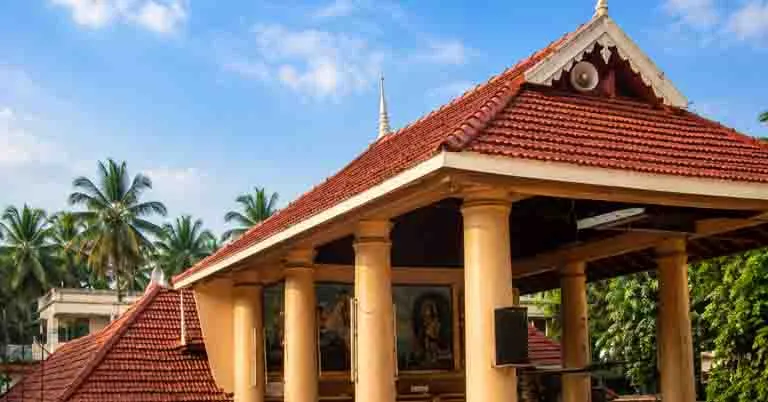
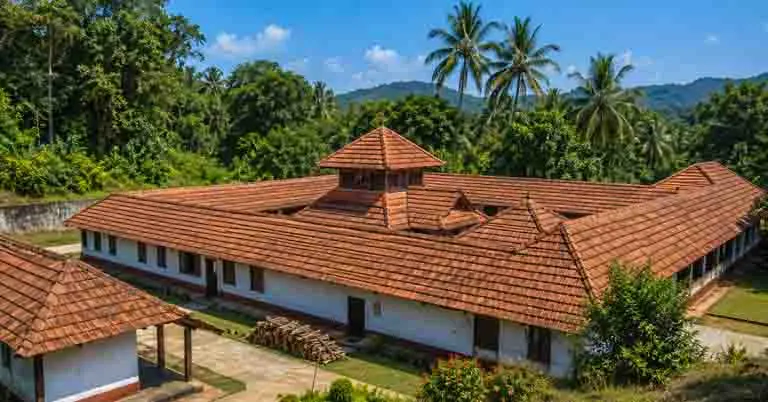
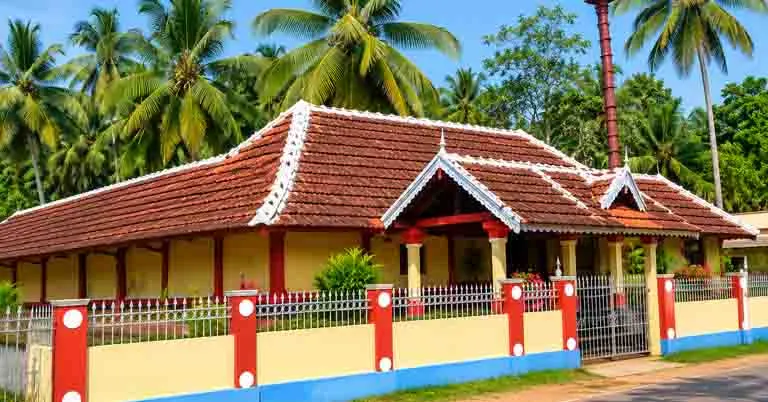
Thirunavaya Mahadeva Temple, situated on the serene banks of the holy river Bharathapuzha in Malappuram district, Kerala, stands as one of the most ancient and venerated shrines of Lord Shiva in South India. This temple is not only a sacred Shaiva center but also a symbol of Kerala’s spiritual, cultural, and historical legacy. Known as “Dakshina Kashi” or “The Varanasi of the South,” Thirunavaya holds immense sanctity for performing ancestral rites (Bali Tharpanam) and for attaining liberation (moksha).
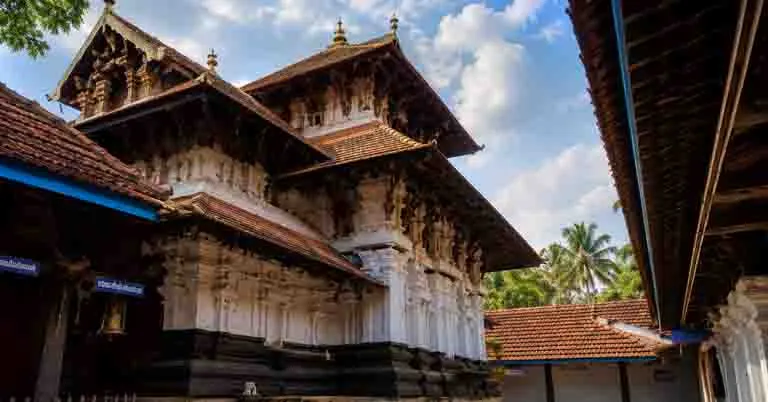
Thirunavaya is unique for its spiritual trinity — three major temples dedicated to the Hindu Trimurti are located here:
- Thirunavaya Nava Mukunda Temple for Lord Vishnu,
- Thirunavaya Brahma Temple for Lord Brahma (now less prominent), and
- Thirunavaya Mahadeva Temple for Lord Shiva.
Together, they represent the cosmic balance of creation, preservation, and destruction — the essence of Hindu philosophy.
Mythological Significance
According to Hindu mythology, the Thirunavaya Mahadeva Temple dates back to the Treta Yuga. It is believed that Lord Parashurama, the sixth incarnation of Lord Vishnu, consecrated the Shiva Linga here along with the other 107 Mahadeva temples across Kerala. The name Thirunavaya comes from “Thiru” (holy), “Navam” (nine), and “Ayam” (place), symbolizing the nine sacred yogic centers or the nine attributes of divinity present in this land.
One of the most popular legends states that Lord Shiva appeared here to bless Sage Vasishta, who performed intense penance on the banks of Bharathapuzha seeking divine wisdom. The sage requested Lord Shiva to remain at this sacred spot to bless all beings who came here with devotion. In response, the Lord manifested as a Swayambhoo (self-manifested) Shiva Linga, radiating eternal cosmic energy.
Another local belief connects the temple to the Mahabharata. It is said that during the Kurukshetra war, Lord Krishna and the Pandavas performed Tarpanam (ancestral offerings) at Thirunavaya, and Lord Shiva blessed them with strength and spiritual protection. Thus, the temple became known as a place where mortals can connect with the ancestors and the divine simultaneously.
Historical Background
Historically, Thirunavaya Mahadeva Temple was a center of learning, culture, and political gatherings. The region was once part of the Valluvanad kingdom, and the temple served as a sacred venue for the legendary Mamankam festival, a grand cultural and martial assembly held every 12 years.
During this festival, warriors known as Chavers (suicidal heroes) would challenge the ruling Zamorin of Calicut in a ritualistic attempt to reclaim their lost sovereignty. The temple’s vicinity became the battleground for this dramatic event, symbolizing the spirit of valor and sacrifice.
Over time, the temple also became known for its spiritual austerity. Scholars and saints from different parts of India visited Thirunavaya to perform Vedic rituals and study scriptures. The temple’s rituals and customs bear traces of ancient Vedic traditions, making it one of the most spiritually charged locations in Kerala.

Deity and Sanctity
The presiding deity of Thirunavaya Mahadeva Temple is Lord Shiva, worshipped as Thirunavaya Mahadevan. The Shiva Linga is believed to be self-manifested (Swayambhoo), radiating a powerful divine aura that sanctifies the entire region. The idol faces east, overlooking the sacred Bharathapuzha river, signifying the Lord’s benevolent gaze upon the devotees who come to seek salvation.
Devotees believe that praying to Lord Thirunavaya Mahadeva removes the fear of death, destroys sins, and grants liberation (moksha). The temple is also known for fulfilling prayers re
lated to health, family harmony, and spiritual awakening.In addition to the main deity, there are sub-shrines dedicated to Lord Ganapathi, Goddess Parvathi, Lord Ayyappa, and the Serpent deities (Nagas) within the temple complex.
Temple Architecture
The Thirunavaya Mahadeva Temple showcases the distinctive Kerala-style temple architecture, which harmonizes functionality, aesthetics, and spirituality. The structure reflects simplicity and grace rather than grandeur, emphasizing devotion and purity.
Key architectural elements include:
- Sreekovil (Sanctum Sanctorum):The central sanctum houses the Shiva Linga and is built in a circular (Vatta) form, symbolizing eternity and infinity. The sanctum’s walls are made of laterite stone and timber, while the roof is layered with copper tiles to resist the monsoon climate.
- Namaskara Mandapam:This small pavilion in front of the sanctum is used for performing daily rituals and offerings. The polished granite flooring reflects the flames of the lamps, adding to the mystical ambiance during evening deeparadhana.
- Nalambalam (Inner Hall):Encircling the sanctum, this structure provides space for circumambulation (pradakshinam). It also houses oil lamps and smaller altars for minor deities.
- Dhwaja Stambham (Flag Mast):The temple’s golden flag mast stands tall near the entrance. During festivals, the ceremonial flag is hoisted to announce the beginning of auspicious celebrations.
- Chuttambalam and Gopuram:The outer structure (Chuttambalam) with its tiled roof encloses the main temple, while the entrance tower (Gopuram) is built in traditional Kerala style with wooden carvings depicting deities and celestial beings.
The temple’s location by the Bharathapuzha enhances its sanctity. The gentle murmur of the river, the chanting of mantras, and the fragrance of incense together create an atmosphere of deep spiritual tranquility.
Daily Rituals and Worship
The temple follows the Tantric Shaiva tradition, and all rituals are performed by qualified priests under the supervision of a Tantri. The worship routine begins before dawn and continues until late evening, maintaining an unbroken rhythm of devotion.
The daily rituals include:
- Nirmalyam: The early morning unveiling of the deity and removal of previous day’s offerings.
- Abhishekam: The Shiva Linga is bathed with holy water, milk, honey, ghee, and sandalwood paste while Vedic hymns are chanted.
- Usha Pooja: The morning offering symbolizing the awakening of divine energy.
- Ucha Pooja: The noon pooja, accompanied by the offering of cooked rice (Nivedyam).
- Deeparadhana: The evening worship, when hundreds of oil lamps are lit, illuminating the sanctum.
- Athazha Pooja: The final offering before the sanctum is closed for the night.
Special offerings include Rudrabhishekam, Dhara, Bilva Archana, and Mrithyunjaya Homam. Devotees also perform Pradosha Pooja twice every month, believed to be highly auspicious for pleasing Lord Shiva.
Festivals and Celebrations
The temple hosts several festivals that attract thousands of devotees from across Kerala. Among these, the most important are:
1. Mahashivaratri
The grand festival dedicated to Lord Shiva is celebrated with intense devotion and grandeur. Devotees observe fasting and vigil throughout the night, chanting “Om Namah Shivaya.” The temple remains open all night with special Rudrabhishekam, Chanting of Shiva Sahasranama, and Deeparadhana. The sight of the temple illuminated with thousands of lamps along the riverbank is a breathtaking spiritual spectacle.
2. Thirunavaya Utsavam
This annual temple festival, usually held in March–April, lasts for ten days and includes rituals, processions, and traditional performances like Panchavadyam, Chenda Melam, and Kathakali. The Aarattu (holy bath of the deity) marks the grand conclusion of the celebration, where the idol is ceremoniously taken to the river for purification.
3. Karkidaka Vavu Bali
Perhaps the most significant event associated with Thirunavaya is the Karkidaka Vavu Bali, observed on the Amavasi (new moon day) of the Malayalam month Karkidakam (July–August). Thousands of devotees gather on the riverbank to perform ancestral rituals (Pithru Tharpanam). It is believed that offering oblations here ensures peace and liberation for departed souls. The entire atmosphere during this day is deeply spiritual, filled with chanting and the flow of devotion.
4. Pradosham and Mondays
As with most Shiva temples, Pradosham days (13th day of the lunar fortnight) and Mondays are considered highly auspicious. Special abhishekam and deeparadhana rituals are performed, and devotees observe fasts and prayers seeking blessings and forgiveness for sins.

Cultural and Religious Importance
Thirunavaya Mahadeva Temple is not just a place of worship; it represents Kerala’s spiritual and cultural soul. The temple’s association with the Mamankam festival gives it immense historical importance. Moreover, the temple’s rituals preserve ancient Vedic traditions and Kerala’s Tantric worship systems.
The temple continues to serve as a vital center for Pithru Karma (ancestral offerings), drawing thousands who come to honor their ancestors and seek blessings for their families. This connection between life, death, and liberation gives Thirunavaya a profound metaphysical dimension — making it one of the few places where devotees can directly connect with both the divine and their lineage.
The temple also contributes to Kerala’s artistic heritage, hosting performances of traditional music and dance forms during festivals. The rhythmic beats of Chenda Melam, the resonance of conches, and the sight of lamp-lit rituals evoke the timeless beauty of Kerala’s temple culture.
Location and Accessibility
Thirunavaya Mahadeva Temple is located around 8 kilometers south of Tirur town and about 30 kilometers from Malappuram. It is easily accessible via the national highway and railways, with Tirur being the nearest railway station. The temple’s proximity to the Bharathapuzha makes it an ideal place for spiritual retreats and meditation.
The best time to visit is during early mornings or evenings, when the temple resonates with chants and the soft golden glow of oil lamps. Visitors are advised to follow traditional temple customs, including modest attire and maintaining silence within the sanctum premises.
Conclusion
The Thirunavaya Mahadeva Temple stands as a timeless beacon of devotion, history, and liberation. Its sacred setting by the Bharathapuzha river, mythological associations, and centuries-old traditions make it one of Kerala’s most spiritually charged temples. Here, the divine essence of Lord Shiva permeates every grain of sand and ripple of the river, reminding devotees of the eternal truth — that life, death, and liberation are but steps in the cosmic dance of Mahadeva.
For seekers of peace, for those honoring their ancestors, or for anyone yearning for divine grace, Thirunavaya is more than a destination — it is a pilgrimage of the soul.
Disclaimer
The information provided by Web Arbiter (‘we’, ‘us’, or ‘our’) on https://webarbiter.in/ . The website is for general informational purposes only. All information on the Site is provided in good faith, however we make no representation or warranty of any kind, express or implied, regarding the accuracy, adequacy, validity, reliability, availability, or completeness of any information on the Site. UNDER NO CIRCUMSTANCE SHALL WE HAVE ANY LIABILITY TO YOU FOR ANY LOSS OR DAMAGE OF ANY KIND INCURRED AS A RESULT OF THE USE OF THE SITE OR RELIANCE ON ANY INFORMATION PROVIDED ON THE SITE. YOUR USE OF THE SITE AND YOUR RELIANCE ON ANY INFORMATION ON THE SITE IS SOLELY AT YOUR OWN RISK. Read Full Disclaimer